
Snowshoe Breed Guide

Quick Summary
The Snowshoe is a striking, highly social, and active breed that beautifully combines the pointed markings and vocal nature of the Siamese with the sturdy build and sweet white ‘mittens’ of the American Shorthair. Perfect for interactive households, these ‘Velcro cats’ crave constant human companionship and are known for their love of water and high intelligence.
Quick Facts
- origin countryUnited States
- breed groupShorthair (Pointed)
- sizeMedium
- weight range7 to 12 pounds (3.2 to 5.4 kg)
- height range9 to 11 inches (23 to 28 cm)
- lifespan12 to 15+ years
- coat typeShort, smooth, single coat without an undercoat
- common colorsSeal point, blue point, chocolate point, and lilac point, all with characteristic white paws (‘mittens’) and a white inverted ‘V’ on the face
- other namesSilver Laces (early historic name)
- recognized byTICA, ACFA, FIFe
Caring for a Snowshoe
Living with a Snowshoe is a delightfully busy experience. I’ve found that they act more like roommates than pets, following you from room to room, riding on your shoulders, and ‘helping’ with every task. They require significant mental stimulation, so you’ll need to invest in interactive puzzle toys and set aside dedicated daily play sessions. Because they have a single coat with no undercoat, their physical grooming is incredibly low-maintenance, freeing up your time for behavioral enrichment.
Is a Snowshoe a good family pet?
Absolutely; in my experience, Snowshoes thrive in bustling family environments because they crave constant stimulation and interaction. They adore respectful children who will throw toys or run around with feather wands, often forming deep, individual bonds with each family member.
Do Snowshoes shed a lot?
No, they are very low-maintenance shedders compared to double-coated breeds. Because they lack a dense undercoat, a quick weekly brushing with a rubber curry brush is usually more than enough to keep loose hairs off your furniture.
Is a Snowshoe good for first-time owners?
They can be, but only if the owner understands their high-demand social needs. If you expect a quiet, hands-off lap cat who sleeps 20 hours a day, the demanding, vocal, and highly active Snowshoe will quickly overwhelm you.
Temperament & Personality
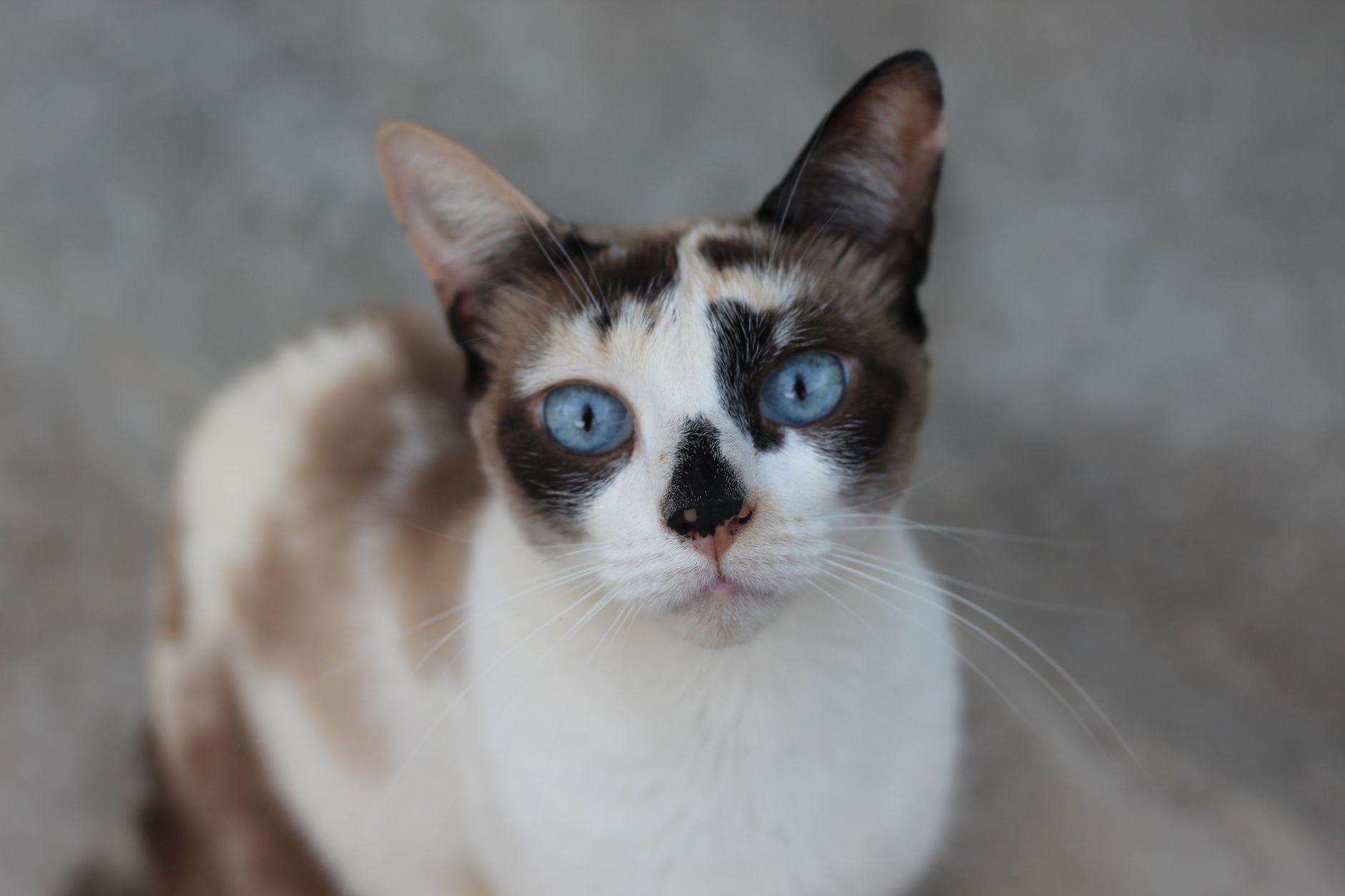
The Snowshoe’s personality is a captivating mix of Siamese intelligence and American Shorthair playfulness. They are intensely social cats that do not tolerate isolation well; I often tell owners that a Snowshoe will adopt you rather than the other way around. They are vocal conversationalists, expressing themselves in a soft, melodic voice that is much gentler than the loud rasp of a Siamese. Their natural curiosity means they will explore every high shelf and closed door in your home.
Is a Snowshoe good with other pets?
Yes, they are exceptionally gregarious and almost always prefer having a companion, whether it’s another cat or a cat-friendly dog. In fact, I highly recommend adopting them in pairs if you work outside the home to prevent loneliness.
How much attention does a Snowshoe need?
A tremendous amount. These are not independent cats that can be ignored; they expect to be involved in your daily routine and will vocalize, nudge your hands, or retrieve toys to get your attention.
Training & Behavior
I’ve found that Snowshoes are exceptionally easy to train because of their high intelligence and eagerness to engage. They respond beautifully to positive reinforcement and clicker training, often mastering tricks that leave visitors astounded. If you don’t provide them with structured training or mental outlets, they will invent their own games, which often involve opening cabinets or turning on water faucets.
Training Tips
- Use high-value treats like freeze-dried chicken for clicker training
- Keep training sessions short, around 3 to 5 minutes, to match their fast-paced minds
- Introduce a harness and leash early for safe outdoor enrichment
- Never use physical punishment, as this highly sensitive breed will lose trust in you
Fun Activities
- Fetching small paper balls or crinkle toys
- Playing with dripping water in a shallow sink or pet fountain
- Navigating agility courses built from household items
- Solving advanced level-3 food puzzle toys
- Learning basic commands like ‘sit’, ‘high-five’, and ‘come’
Is a Snowshoe easy to train?
Yes, they are among the easiest of all feline breeds to train. Their dog-like affinity for fetching and their intense curiosity make them prime candidates for clicker training and leash walking.
Snowshoe Health Issues
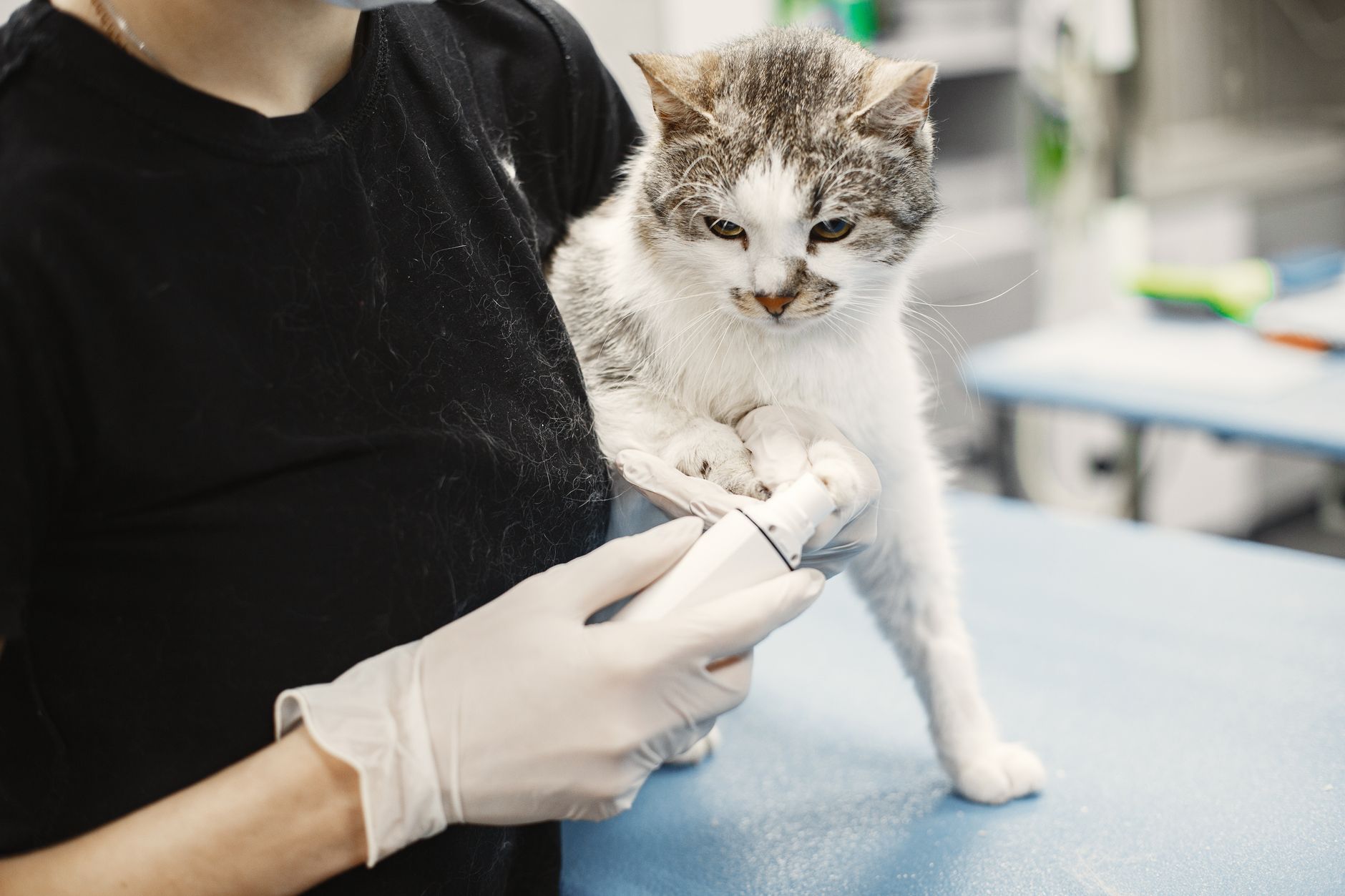
The Snowshoe is a generally robust and healthy breed with a broad gene pool, largely due to outcrossing with American Shorthairs. However, because of their Siamese heritage, they can be prone to a few inherited conditions that owners must watch for. Regular veterinary wellness checks are vital to monitor their heart, eyes, and dental health.
Hypertrophic Cardiomyopathy (HCM)
A genetic condition where the heart muscle becomes abnormally thick, hindering its ability to pump blood efficiently. It is the most common heart disease in cats and can lead to heart failure or blood clots.
Feline Dental Disease
Like many domestic breeds, Snowshoes can suffer from gingivitis and periodontal disease. Without preventative care, plaque build-up leads to painful infections and tooth loss.
Strabismus (Crossed Eyes)
A cosmetic condition inherited from their Siamese ancestors where the eyes do not align properly. It does not affect their quality of life or cause pain, and no treatment is necessary.
Renal Failure (Chronic Kidney Disease)
An age-related condition where the kidneys gradually lose their filtering function. While common in senior cats of all breeds, those with Siamese heritage may show earlier onset.
How long do Snowshoes typically live?
With proper indoor care, a nutritious diet, and regular veterinary check-ups, Snowshoes typically live between 12 and 15 years, though many reach 18 to 20 years of age.
What to Feed a Snowshoe
Nutrition plays a critical role in maintaining the Snowshoe’s lean, muscular physique and high energy levels. I always advise owners to feed a diet that prioritizes high-quality animal proteins to support their active lifestyles.
Best Diet
A balanced wet-food-dominant diet is ideal to ensure proper hydration and prevent urinary tract issues. Look for formulas where real meat, like chicken or salmon, is the first ingredient, and consult your vet regarding life-stage appropriate recipes.
How to Feed
Establish a consistent schedule of two to three measured meals per day rather than free-feeding kibble. Free-feeding often leads to unnecessary weight gain, which puts undue stress on their joints.
How Much to Feed
Portion sizes should be tailored to your cat’s specific weight, age, and activity level, typically ranging from 200 to 250 calories per day for an average adult. Always consult your veterinarian to establish a precise feeding guide based on a body condition score.
Nutritional Tips
Incorporate omega-3 fatty acids from fish oil to maintain their sleek, shiny coat and support joint health. Adding a water fountain can also encourage them to drink more water, which is highly beneficial for their kidneys.
Snowshoe Grooming Guide
Grooming a Snowshoe is incredibly straightforward, making them a joy for owners who prefer a low-maintenance physical routine. Their single-layered coat doesn’t mat, allowing you to spend more time playing and less time brushing.
Coat Care
Brush their short coat once a week with a soft-bristle brush or a rubber grooming glove to remove loose hair and distribute skin oils. This routine keeps their coat remarkably soft and glossy.
Skin Care
Their skin is generally healthy, but regular brushing helps you inspect for any unusual dry patches, flea dirt, or minor scratches. Bathing is rarely necessary unless they get into a messy situation, though many Snowshoes actually enjoy the water.
Eye Care
Wipe the corners of their eyes with a damp, warm cotton ball if you notice any minor sleep discharge, using a separate clean area of the cloth for each eye to prevent spreading any potential infection.
Ear Care
Inspect their ears weekly for dirt, wax build-up, or redness. If dirty, clean them gently using a vet-recommended ear cleaning solution and a cotton round, never inserting cotton swabs into the ear canal.
Nail & Dental Care
Trim their nails every two to three weeks to protect your furniture and hands, and brush their teeth at least three times a week with pet-safe toothpaste to prevent periodontal disease.
Considerations for Pet Parents
Pros
- Extremely affectionate and loving ‘Velcro’ companions
- Highly intelligent and incredibly easy to trick-train
- Very low-maintenance, single-layer coat with minimal shedding
- Generally healthy and long-lived breed
- Usually get along wonderfully with other cats and friendly dogs
- Expressive, melodic, and charming communicators
Cons
- Prone to separation anxiety if left alone for long periods
- Can be demanding and vocal when they want attention
- Require significant daily mental and physical stimulation
- Known to learn how to open cabinets, doors, and turn on faucets
Best For
Active households, families with respectful children, work-from-home professionals, or multi-pet families who can provide the constant companionship and stimulation this breed craves.
Not Recommended For
Busy individuals who spend long hours away from home, those seeking a quiet, highly independent lap cat, or anyone who finds regular vocalization and active play demanding.
Cost
- purchase price$800 to $1,500 USD
- monthly cost$60 to $100 USD
- initial setupExpect to spend between $300 and $600 initially on high-quality vertical scratching posts, interactive puzzle toys, a water fountain, and essential veterinary vaccinations.
Similar Breeds

Siamese

Tonkinese
Snowshoe FAQs
Are Snowshoe cats born with their dark markings?
No, Snowshoe kittens are born completely white. Their dark point markings and distinctive patterns develop gradually over several weeks to months as they mature, driven by a temperature-sensitive enzyme in their skin.
Do Snowshoe cats actually like water?
Yes, many Snowshoes have a fascinating obsession with water. It is not uncommon to find them splashing in their water bowls, playing with running kitchen faucets, or even trying to join their owners in the shower.
Why does my Snowshoe cat’s coat get darker in the winter?
Like the Siamese, the gene responsible for the Snowshoe’s pointed pattern is temperature-sensitive. In colder weather, or as they age, their body temperature drops slightly, causing their coat to darken, while warmer climates can keep their coat lighter.
Are Snowshoe cats hypoallergenic?
No, Snowshoes are not hypoallergenic. While they have short, single coats and shed minimally, they still produce the Fel d 1 protein in their saliva, skin dander, and urine, which is the primary trigger for cat allergies.
How loud are Snowshoe cats?
While they inherit the chatty nature of the Siamese, they are generally much quieter and have a softer, more melodic voice. They will absolutely talk to you throughout the day, but it is typically a sweet chirp or soft mew rather than a loud yowl.
Can Snowshoes be left alone while I am at work?
Generally, no, they do not do well when left entirely alone for long 8-to-10-hour workdays. If you must be gone, it is highly recommended to have a second pet (cat or dog) to keep them company and prevent separation anxiety and destructive behavior.
Why does my Snowshoe have crossed eyes?
Crossed eyes (strabismus) is an inherited trait from their Siamese ancestry. While it may look unusual, it does not cause pain or hinder their ability to navigate their environment, jump, or play normally.
What is the difference between a Snowshoe and a Birman?
While both breeds have pointed coats and white paws, the Birman is a long-haired, stockier breed with a very calm demeanor. The Snowshoe is short-haired, highly active, slender but muscular, and much more vocal.
Are Snowshoe cats rare?
Yes, true registered Snowshoes are relatively rare because their specific markings—particularly the white mittens and symmetrical facial ‘V’—are extremely difficult to produce consistently, even with careful breeding.
Can Snowshoe cats learn to walk on a leash?
Absolutely. Because of their dog-like curiosity and high intelligence, many Snowshoes adapt incredibly well to leash walking. It is best to introduce a comfortable H-style harness indoors at a young age using positive reinforcement.
Do Snowshoes jump high?
Yes, they are highly athletic and possess powerful hind legs. You will regularly find them perched on top of high cabinets, doors, and refrigerators, so providing tall cat trees is essential.
Are they prone to weight gain?
Yes, despite their high energy levels, Snowshoes can become overweight if they are overfed or free-fed dry kibble. Keeping them active with daily play and feeding measured, high-protein meals is crucial to preventing feline obesity.