
Peterbald Breed Guide

Quick Summary
Elegant, intensely affectionate, and highly energetic, the Peterbald is a dog-like companion that thrives on human contact and interactive play. Best suited for owners who can commit to their extensive skin-care routine and constant demand for attention, this breed is a true shadow that will follow you from room to room.
Quick Facts
- origin countryRussia
- breed groupShorthair/Hairless (Oriental Group)
- sizeMedium, elegant, and elongated
- weight range7 to 14 pounds
- height range8 to 11 inches
- lifespan12 to 15 years
- coat typeVaries (Bald, Flock, Velour, Brush, or Straight)
- common colorsAll colors and patterns are recognized, including points, solids, and tabbies
- other namesPeterbald Sphynx
- recognized byTICA, FIFe, ACFA, CCA
Caring for a Peterbald
Living with a Peterbald is a highly interactive, hands-on experience that resembles having a perpetual toddler. They are incredibly social creatures that will shadow your every move, demanding to participate in cooking, working, and sleeping. Because of their unique skin, you’ll need to establish a strict routine of regular bathing, ear cleaning, and temperature regulation. I’ve found that they are happiest when treated as equal members of the family rather than independent, solitary pets.
Is a Peterbald a good family pet?
Absolutely, they thrive in active households and form deep bonds with children who treat them gently. Their playful, dog-like nature means they love being part of family games and interactive play sessions.
Do Peterbalds shed a lot?
It depends entirely on their coat type, which ranges from completely bald to a coarse ‘brush’ coat. The hairless and flock varieties do not shed at all, while the straight-coated varieties shed minimally like a standard shorthair.
Is a Peterbald good for first-time owners?
Generally, I don’t recommend them for complete novices due to their demanding skin-care routines and high emotional needs. However, an owner who has researched their grooming and socialization requirements can certainly succeed with the right preparation.
Temperament & Personality
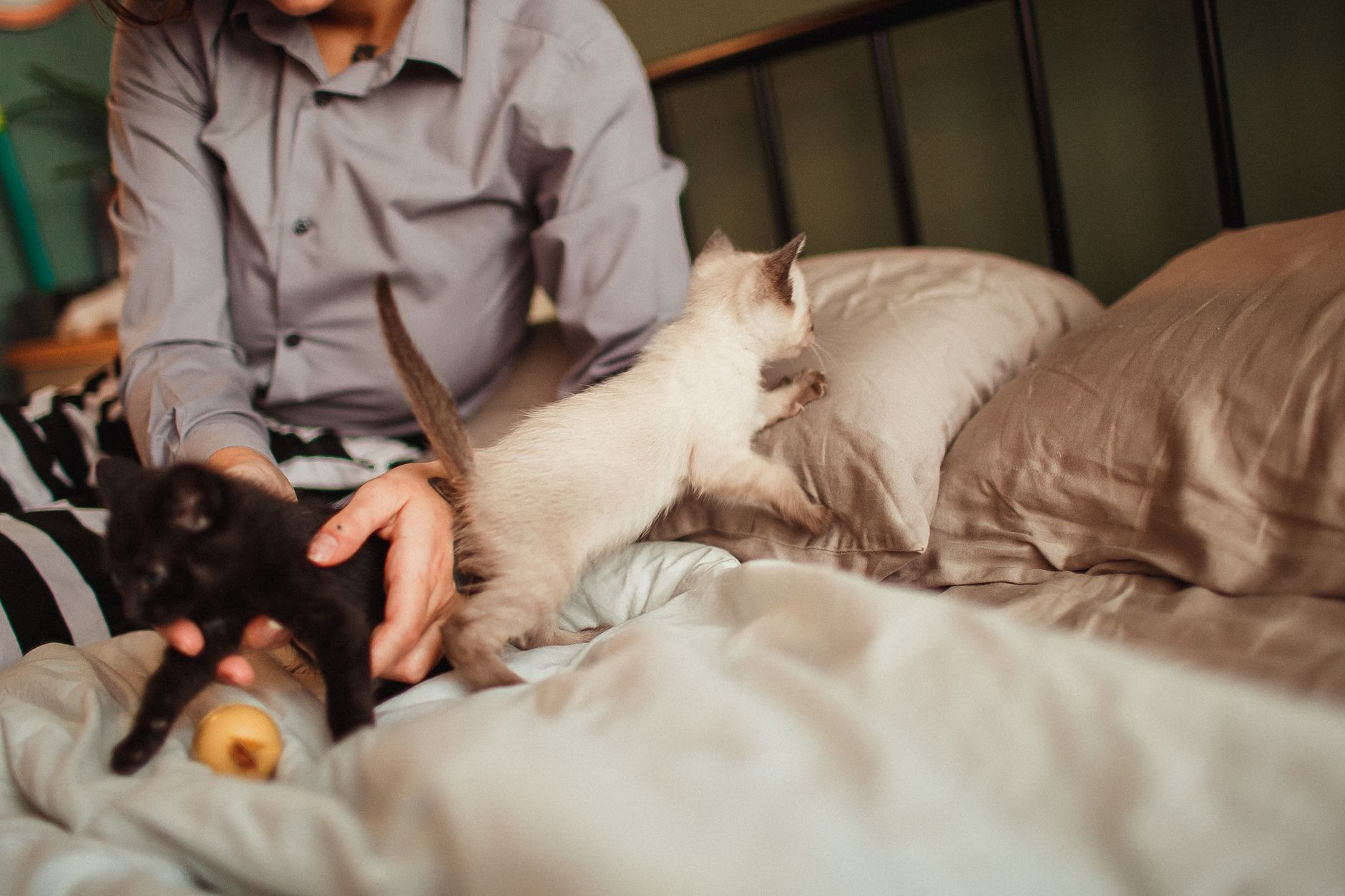
The Peterbald’s personality is a delightful mix of Siamese curiosity and Sphynx-like affection. They are extroverted, vocal communicators who will narrate their day and expect you to respond in kind. I often tell owners to prepare for a cat that physically craves touch; they love to drape themselves over your shoulders or burrow under your blankets. Their high intelligence means they need constant mental stimulation to prevent mischievous behavior.
Is a Peterbald good with other pets?
Yes, they are exceptionally social and typically adjust quickly to other cats and friendly dogs. In my experience, they actually prefer having animal companions to keep them company when their humans are away.
How much attention does a Peterbald need?
They need an immense amount of daily attention and do not tolerate isolation well. If you work long hours away from home without other pets to keep them company, a Peterbald will quickly become stressed and lonely.
Training & Behavior
Peterbalds are highly trainable due to their sharp intellect and strong desire to please their humans. They respond beautifully to positive reinforcement and can easily learn tricks, retrieve toys, and walk on a harness. I’ve found that keeping training sessions short, fun, and food-rewarded is the key to managing their active minds.
Training Tips
- Use high-value, smelly treats to keep their focus during training sessions.
- Introduce harness training indoors early on before venturing outside.
- Keep training sessions under five minutes to match their active minds.
- Never use physical punishment, as this breed is emotionally sensitive.
Fun Activities
- Fetching small crinkle toys or felt balls
- Agility courses with small tunnels and jumps
- Learning to ride on shoulders during daily chores
- Interactive puzzle feeders for mental stimulation
- Clicker training for basic tricks like ‘sit’ and ‘high-five’
Is a Peterbald easy to train?
Yes, their high intelligence and dog-like devotion make them one of the easiest cat breeds to train. They catch on quickly to clicker training, fetch, and household rules when rewarded with positive reinforcement.
Peterbald Health Issues
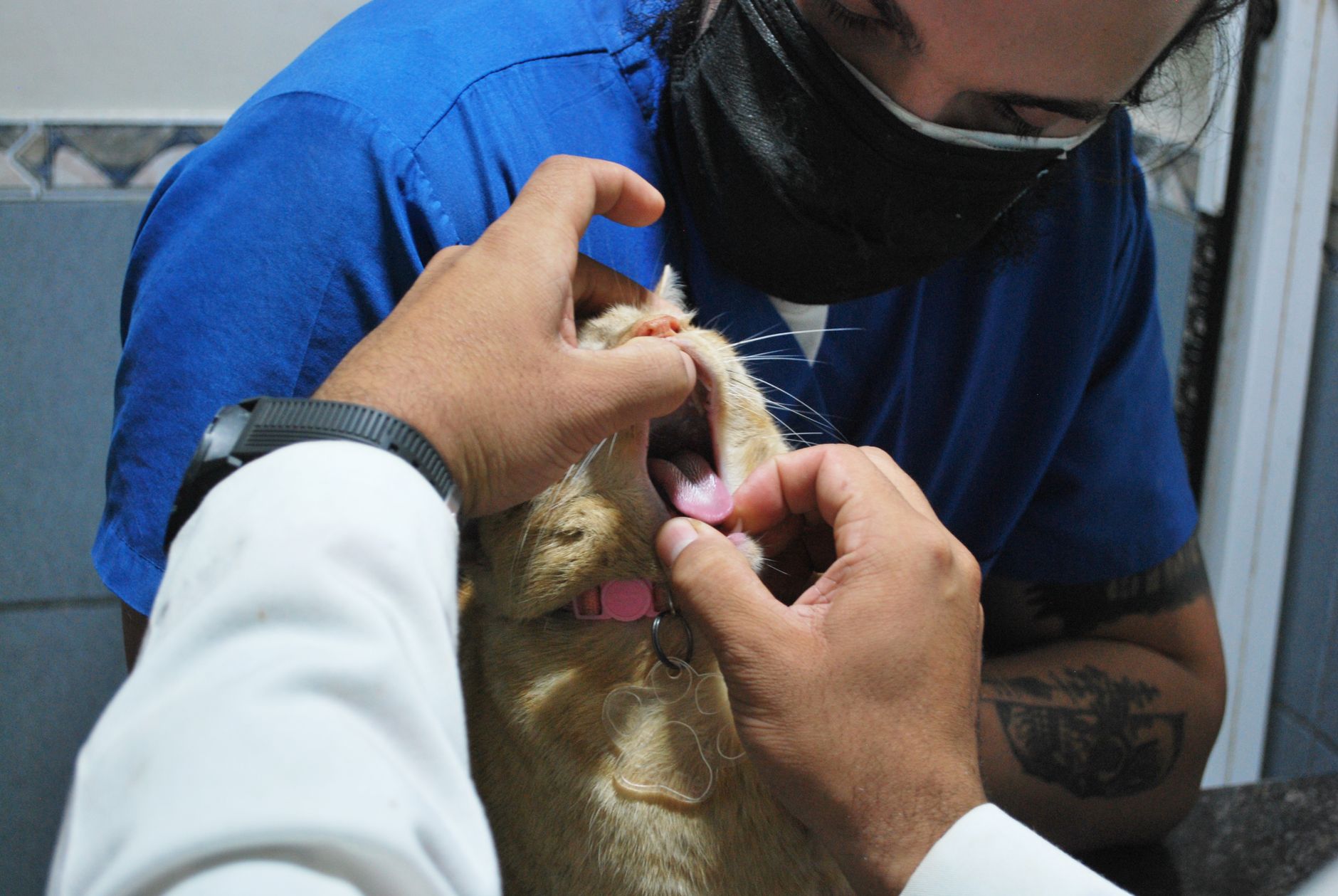
While Peterbalds are generally robust and athletic, their unique genetics and hairless traits predispose them to specific dermatological and genetic issues. Regular veterinary screenings and attentive home care are vital to ensuring they reach their full lifespan potential.
Feline Hypertrophic Cardiomyopathy (HCM)
This is a hereditary heart condition where the heart muscle thickens, potentially leading to heart failure. Annual echocardiograms by a veterinary cardiologist are highly recommended for breeding lines.
Progressive Retinal Atrophy (PRA)
A genetic eye disease that causes the gradual degeneration of the retina, eventually leading to blindness. Responsible breeders screen their cats using DNA testing to prevent passing this gene on.
Feline Acne and Skin Infections
Without hair to absorb natural oils, sebum builds up on the skin, blocking pores and leading to blackheads, yeast infections, or bacterial dermatitis. Regular, gentle bathing and wiping down their favorite resting spots help prevent these issues.
Hypothermia and Sunburn
Because they lack a protective fur coat, Peterbalds cannot regulate their temperature well and are highly susceptible to sunburn and extreme cold. Owners must manage indoor temperatures and use pet-safe sunblock if the cat is exposed to direct sunlight.
Periodontal Disease
Peterbalds, like many Oriental breeds, are highly prone to early-onset dental issues, plaque buildup, and gingivitis. Daily brushing and annual professional cleanings are essential to prevent tooth loss.
How long do Peterbalds typically live?
With proper indoor care, regular veterinary checkups, and a high-quality diet, Peterbalds typically live between 12 and 15 years, with some reaching their late teens.
What to Feed a Peterbald
Because of their hairless nature and high activity levels, Peterbalds have an incredibly fast metabolism. They burn calories quickly to maintain their body temperature, meaning they require more food per pound of body weight than a typical coated cat.
Best Diet
I recommend a high-protein, moderate-fat diet consisting primarily of high-quality wet food to support their hydration and skin health. Look for diets where real meat (like chicken or rabbit) is the first ingredient, and consult your vet to tailor the formula to their life stage.
How to Feed
Establish a consistent feeding schedule with 3 to 4 small meals throughout the day rather than free-feeding. This helps prevent digestive upset and ensures they get a steady supply of energy to maintain their body heat.
How Much to Feed
Portion sizes should be determined in consultation with your veterinarian, but they generally require about 30 percent more calories than a standard cat of similar weight. Monitor their body condition score closely, as their lack of fur makes weight changes easy to spot.
Nutritional Tips
Adding a veterinary-approved Omega-3 fatty acid supplement can work wonders for supporting their skin barrier and reducing inflammation. Always ensure fresh, clean water is available, preferably using a pet fountain to encourage drinking.
Peterbald Grooming Guide
Don’t let the lack of fur fool you; the Peterbald requires a significant grooming commitment. Their skin produces natural oils that would normally be absorbed by fur, meaning they need regular maintenance to prevent greasy residue and skin issues.
Coat Care
While you won’t need to brush them, hairless and flock-coated Peterbalds require a gentle bath every 1 to 2 weeks using a mild, soap-free pet shampoo. Be sure to rinse them thoroughly to prevent soap residue from irritating their sensitive skin.
Skin Care
In between baths, wipe down their skin folds, armpits, and groin area with a warm, damp cloth or unscented, pet-safe wipes to prevent oil buildup.
Eye Care
Because they lack eyelashes, dust can easily enter their eyes, causing a brown discharge. Wipe the corners of their eyes daily with a damp cotton ball, using a fresh ball for each eye.
Ear Care
Their large, open ears produce a lot of dark, waxy sebum that needs weekly cleaning. Use a vet-recommended ear cleaner on a cotton pad, avoiding the use of cotton swabs inside the ear canal.
Nail & Dental Care
Their claw sheaths collect a greasy black buildup that should be wiped clean during their regular nail trims. Brush their teeth at least three times a week with pet-safe toothpaste to combat their high risk of dental disease.
Considerations for Pet Parents
Pros
- Extremely affectionate and loving
- Highly intelligent and easy to train
- Very minimal to no shedding
- Excellent with children and other pets
- Deeply loyal, dog-like companion
- Unique, striking, and elegant appearance
Cons
- High grooming and skin-care needs
- Prone to cold temperatures and sunburn
- Very vocal and demanding of attention
- Prone to separation anxiety if left alone
Best For
Active, attentive households where someone is home most of the day, and owners who are willing to commit to weekly skin-care and bathing routines.
Not Recommended For
People who work long hours away from home, those looking for an independent or low-maintenance pet, or families unable to manage climate control in extreme weather.
Cost
- purchase price$1,500 – $3,000 USD
- monthly cost$100 – $180 USD
- initial setupExpect to spend $400 – $600 initially on high-quality heated cat beds, winter sweaters, specialized grooming supplies, and initial veterinary checkups.
Similar Breeds

Sphynx

Donskoy
Peterbald FAQs
Are Peterbalds hypoallergenic?
No, Peterbalds are not hypoallergenic. While they lack hair, most cat allergies are caused by the Fel d 1 protein found in saliva, dander, and sebum, which hairless cats still produce in normal quantities.
Why is my Peterbald changing its coat?
Peterbalds possess a unique hair-loss gene that can cause their coat to change during their first two years of life. A kitten born with a brush coat may lose its hair entirely over time, or a flock coat may thin out as they mature.
Do Peterbalds need to wear sweaters?
Yes, during cooler months or in air-conditioned homes, Peterbalds often need sweaters to maintain their body temperature. If you feel chilly, your Peterbald is likely cold too.
How often should I bathe a Peterbald?
Typically, they need a bath every 1 to 2 weeks, though this varies by individual sebum production. Waiting too long can lead to oily skin, blocked pores, and a distinct odor.
Can Peterbalds go outside?
They should be kept strictly indoors. Their lack of protective fur makes them highly vulnerable to sunburn, skin cancer, hypothermia, scratches from brush, and outdoor predators.
Are Peterbalds born bald?
Not always. Some are born completely bald, while others are born with flock, velour, or brush coats. Many of those born with hair will lose it gradually within their first two years of life.
Do Peterbalds get along with dogs?
Yes, their outgoing and confident temperament makes them excellent companions for friendly, dog-respectful dogs. They often enjoy curling up next to a dog for warmth.
Why does my Peterbald feel so warm to the touch?
Because they lack a fur coat, you are feeling their direct body temperature, which is naturally around 101.5°F (38.6°C). This makes them feel like little hot water bottles.
How do I prevent my Peterbald from getting sunburned?
Keep them away from intense direct sunlight coming through windows during peak hours. You can use UV-blocking window films or dress them in light, breathable shirts for protection.
What is the difference between a Sphynx and a Peterbald?
The primary difference is genetic and physical. Sphynx cats carry a recessive hairless gene and have a sturdier, rounder body, while Peterbalds carry a dominant hairless gene and possess an elegant, long, Oriental body type.
Do Peterbalds have whiskers?
They may have short, curled whiskers, or none at all. Their whiskers are often fragile and prone to breaking off close to the skin, which is completely normal for the breed.
Why does my Peterbald leave brown spots on furniture?
These spots are caused by the natural oils (sebum) secreted by their skin. Regular bathing and placing washable blankets over their favorite sleeping spots will prevent stains.
Are Peterbalds vocal?
Yes, they are highly vocal. Inheriting the talkative nature of their Oriental and Siamese ancestry, they will loudly communicate when they are hungry, lonely, or just want to chat.