
 Sphynx Cat Skin Care: Bathing and Protecting a Hairless Breed” loading=”lazy”>
Quick Summary
Sphynx cats require a highly specialized skincare regimen due to the lack of fur, which normally absorbs natural skin oils. Without weekly or bi-weekly bathing, targeted ear and nail cleaning, and environmental protection, sebum buildup can lead to painful bacterial and fungal infections. As a veterinarian, I recommend a clinical approach to their skincare to prevent common issues like Malassezia dermatitis and feline acne.
In my fifteen years as a veterinarian, few breeds have captured my heart—and challenged my clinical skills—quite like the Sphynx. People often assume that a hairless cat is the ultimate low-maintenance pet.
In reality, the lack of a protective coat means their skin requires a level of daily intervention that surprises most new owners.
Without hair to absorb natural oils, these cats face a unique set of dermatological challenges that we must actively manage to ensure their comfort and health.
Key Takeaways
- Sphynx cats need regular baths every 1-2 weeks to prevent oil and dust accumulation.
- Using human products can disrupt their skin’s natural pH and lead to severe infections.
- The ears and nail beds are high-grease areas that require specialized weekly cleaning.
- Sun exposure poses a serious risk of solar dermatitis and squamous cell carcinoma.
- Skin fold management is essential to prevent yeast and bacterial overgrowths.
- A diet high in quality protein and omega fatty acids supports a healthy skin barrier.
- Never squeeze feline blackheads, as this can cause deep tissue infections.
In This Article
- The Physiology of Hairlessness: Why Oil Accumulates
- The Art of the Sphynx Bath: A Vet’s Step-by-Step Guide
- Selecting Safe, Vet-Approved Skincare Products
- The Crucial Trio: Ears, Eyes, and Nail Beds
- Environmental Hazards: Sun, Cold, and Household Surfaces
- Identifying and Managing Common Skin Infections
- Nutrition and Hydration: Healing the Skin from the Inside Out
- Daily Maintenance: The Routine Between Baths
The Physiology of Hairlessness: Why Oil Accumulates
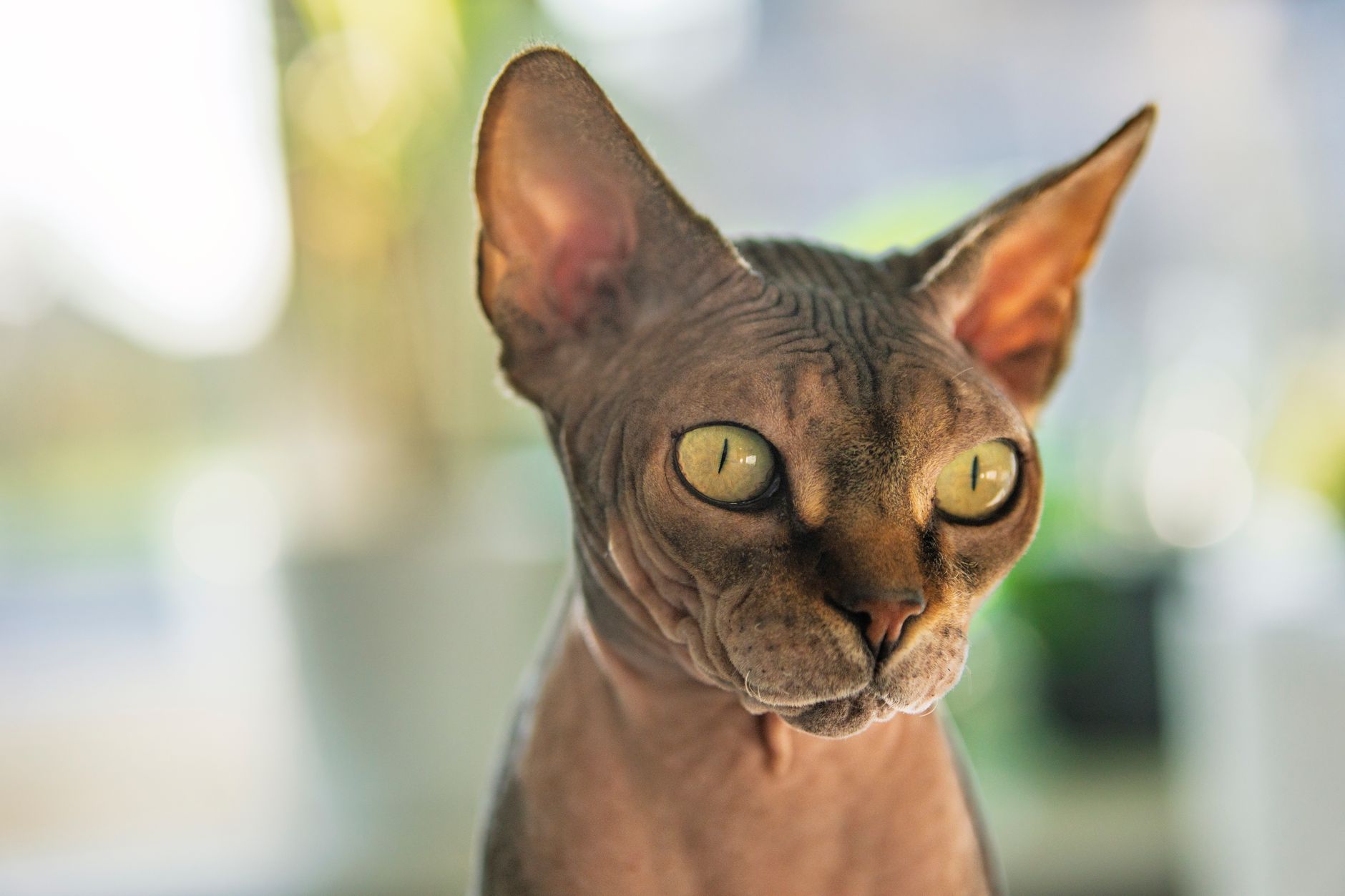
To understand Sphynx skin, we must first look at how normal feline skin functions. All cats produce sebum, a complex mixture of lipids, from their sebaceous glands to waterproof their coat.
In a coated cat, this oil travels up the hair shaft and disperses naturally. In a Sphynx, that sebum has nowhere to go.
It sits directly on the epidermis, creating a sticky, oily film that traps environmental dust, litter dander, and pathogens.
Over my years in practice, I have treated countless Sphynxes with severe skin irritation simply because their owners did not realize how rapidly this sebum accumulates. Without regular, targeted intervention, this buildup leads to blocked pores, bacterial infections, and a very unhappy cat.
- Sebaceous glands continue to produce oil at normal feline rates despite the lack of fur.
- Oil traps dirt, litter dust, and dead skin cells, creating a breeding ground for yeast.
- Excess sebum buildup can stain light-colored furniture, bedding, and clothing a rusty brown.
- The lack of hair reduces the natural barrier against physical scrapes and environmental irritants.
The Art of the Sphynx Bath: A Vet’s Step-by-Step Guide
Bathing a cat is notoriously difficult, but for a Sphynx, it is a non-negotiable part of their life. In my clinic, I often see cats with painful skin conditions caused by improper bathing techniques.
The key is to make the experience as calm and predictable as possible while ensuring a thorough clean. You must address the high-grease areas: the belly, underarms, groin, and the base of the tail where oil glands are most active.
I always advise my clients to establish a positive conditioning routine early in life, using plenty of treats and warm water. Remember, their skin is highly sensitive, so temperature control and gentle handling are absolutely vital.
- Pre-heat the bathroom and ensure the water is lukewarm, around 100°F (38°C), to prevent chilling.
- Use a non-slip bath mat inside the tub to give your cat a sense of security and prevent slipping.
- Gently massage a vet-approved, soap-free shampoo into the skin, paying special attention to skin folds.
- Rinse thoroughly with clean water, as dried shampoo residue will cause intense itching and chemical dermatitis.
- Wrap your cat immediately in a warm, dry towel and pat—do not rub—the skin completely dry.
Selecting Safe, Vet-Approved Skincare Products
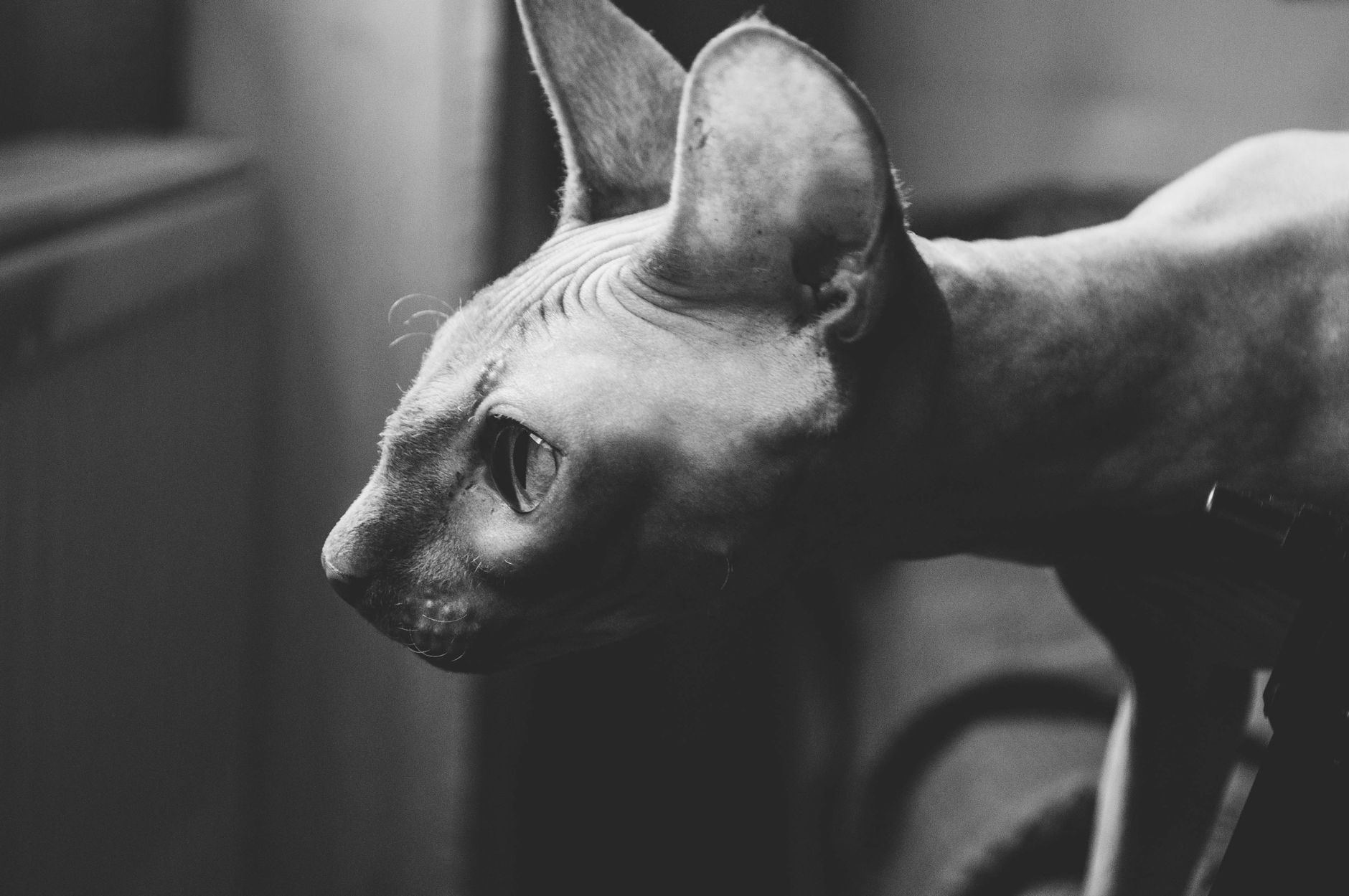
When it comes to topicals for your Sphynx, less is almost always more. I cannot stress enough how dangerous human baby shampoos or standard dish soaps can be for feline skin.
A cat’s skin pH is significantly different from ours, averaging around 7.0 to 7.5, compared to human skin which sits around 5.5. Using human products strips the natural acid mantle, leaving the skin vulnerable to opportunistic bacterial invasions.
I recommend looking for veterinary-grade formulas specifically designed for sensitive skin or keratolytic control. If your Sphynx is prone to yeast overgrowth, we may need to prescribe a medicated bath regimen with specific active ingredients.
- Look for soap-free, hypoallergenic shampoos containing colloidal oatmeal, aloe vera, or coconut oil.
- Choose products with chlorhexidine or ketoconazole if your veterinarian diagnoses an active skin infection.
- Avoid any products containing coal tar, salicylic acid, or tea tree oil, which are highly toxic to cats.
- Keep fragrance-free, veterinary-specific wipes on hand for quick daily spot-cleaning between formal bath sessions.
The Crucial Trio: Ears, Eyes, and Nail Beds
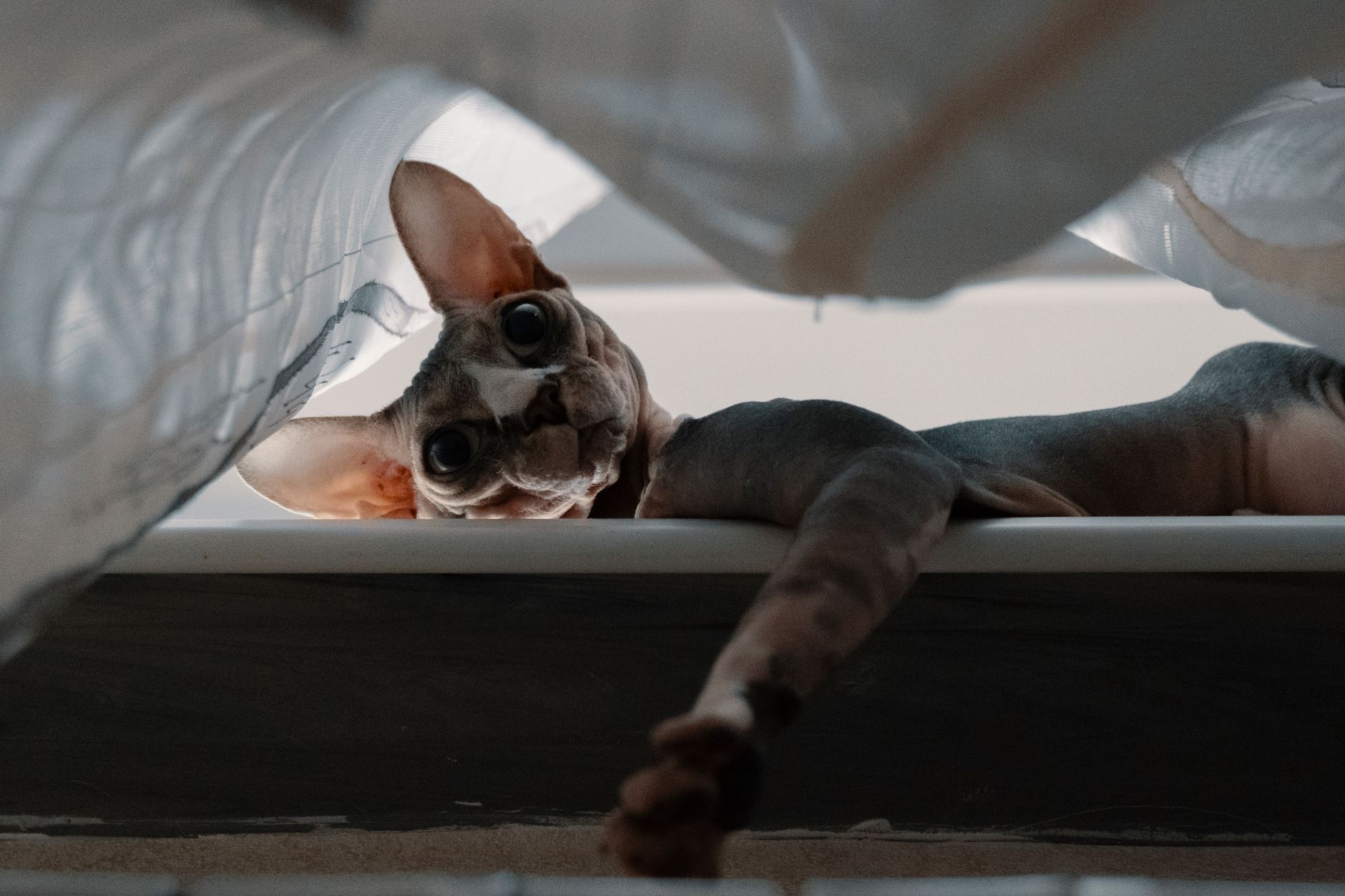
Grooming a Sphynx involves much more than just washing their torso. Their ears and nail beds are hotbeds for grease accumulation and require meticulous, regular care.
Because Sphynxes lack cilia—the tiny protective hairs inside the ear canal—they cannot naturally expel wax. This results in a thick, black, or dark brown ceruminous discharge that can easily breed yeast and bacteria.
Similarly, the claw folds collect a thick, black grease that can lead to painful paronychia (nail bed infections) if left uncleaned. During exams, I frequently find deep-seated infections hiding under the nail sheaths of neglected paws.
- Clean the ears weekly using a vet-recommended, squalene-free ceruminolytic ear cleaner.
- Use a soft cosmetic cotton pad to gently wipe the outer ear canal, never inserting cotton swabs deeply.
- Gently push back the skin on each toe to expose the nail bed and wipe away the black grease with a damp washcloth.
- Wipe eye corners daily with a warm, damp cloth to remove the dark crust that accumulates due to a lack of eyelashes.
Environmental Hazards: Sun, Cold, and Household Surfaces
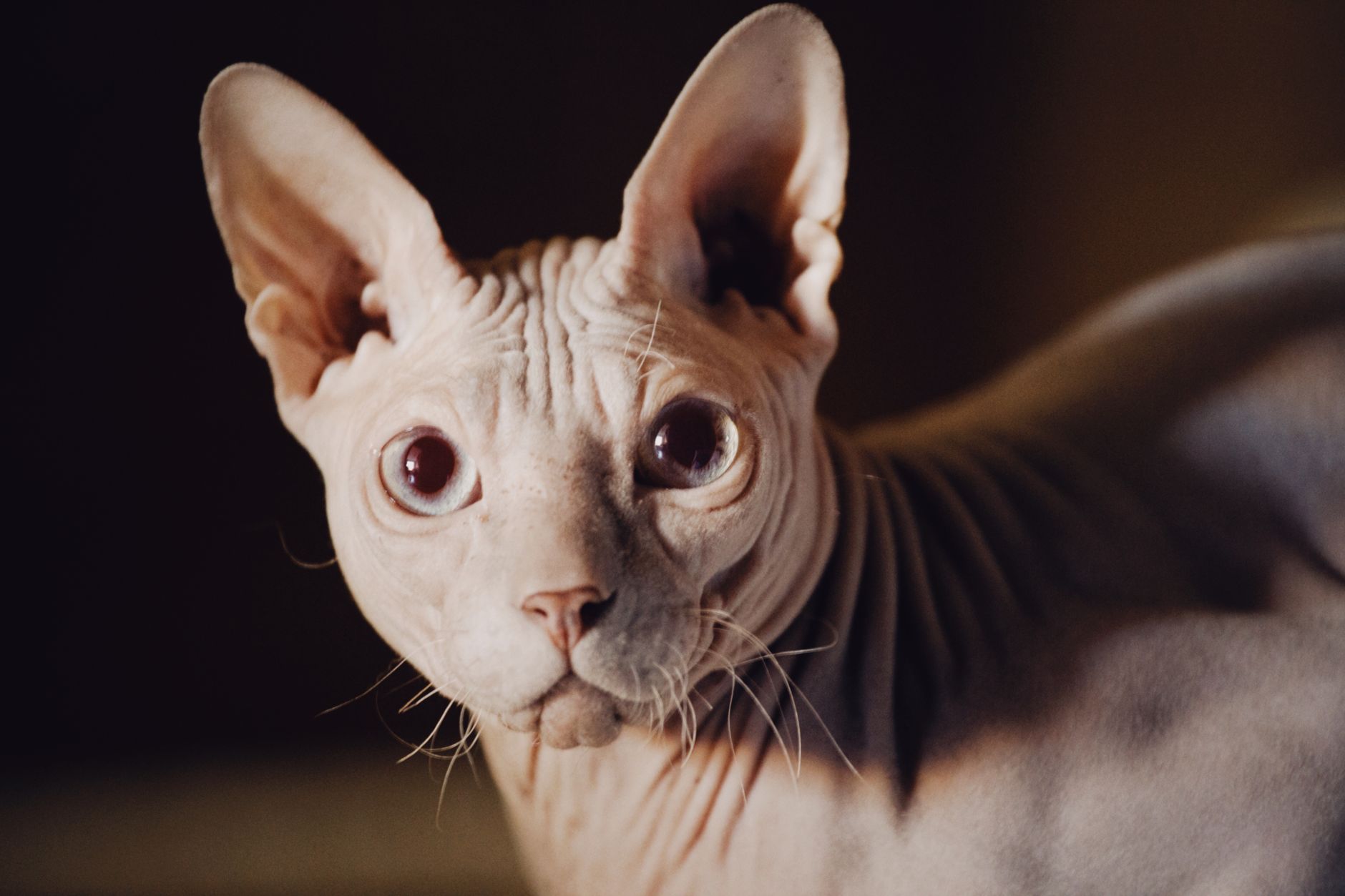
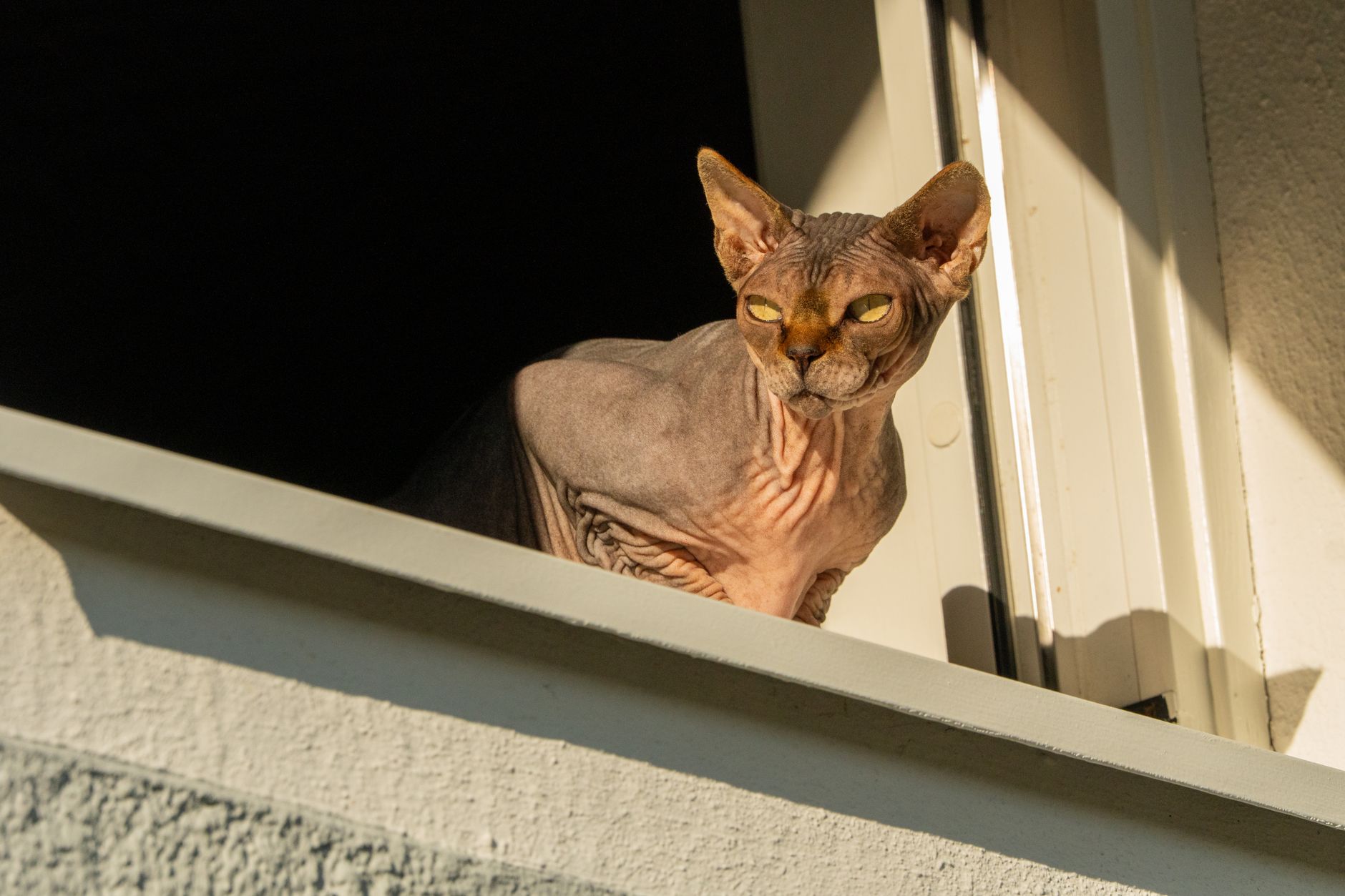
Without a protective coat, the Sphynx is entirely exposed to the elements, making them highly susceptible to environmental extremes. I often have to treat painful sunburns in cats that love to lounge in sunny windows.
UV rays easily penetrate the thin epidermis of these cats, putting them at high risk for solar dermatitis and squamous cell carcinoma. At the same time, they struggle with thermoregulation and can easily become hypothermic in cool drafty rooms.
Creating a safe indoor environment means balancing their love for warmth with strict protective measures. We must think of their skin with the same care we would give a human infant’s skin.
- Apply feline-safe, titanium dioxide-free sunscreen to ears and nose if your cat accesses outdoor enclosures.
- Install UV-blocking film on south-facing windows where your cat likes to sunbathe.
- Provide heated pet beds with chew-proof cords, ensuring they have a built-in safety shutoff to prevent thermal burns.
- Dress your cat in breathable, organic cotton sweaters to absorb skin oils, washing the garments frequently with unscented detergent.
Identifying and Managing Common Skin Infections
Because of their unique anatomy, Sphynx cats are prone to specific dermatological pathologies. In my practice, the most common culprit I diagnose is Malassezia dermatitis, a yeast infection that thrives in warm, moist skin folds.
We also frequently see feline acne, presenting as blackheads (comedones) on the chin and tail, which can easily progress to painful pustules if contaminated by bacteria.
As a clinician, my goal is to identify these issues early before they require aggressive systemic therapy. Recognizing the clinical signs of an active infection can save your cat from immense discomfort.
- Watch for red, inflamed skin folds accompanied by a sweet, musty odor, indicating a yeast infection.
- Identify feline acne by looking for black specks on the chin that do not wash away easily.
- Look out for raised, red, itchy plaques which could indicate urticaria pigmentosa, a mast cell condition common in the breed.
- Seek veterinary care immediately if you notice oozing sores, crusting, or signs of lethargy and discomfort.
Nutrition and Hydration: Healing the Skin from the Inside Out
We cannot discuss skin health without talking about what goes into your cat’s food bowl. The skin is the body’s largest organ, and its barrier function is highly dependent on systemic nutrition.
Sphynx cats have an incredibly high metabolic rate because they must burn calories constantly to maintain their body temperature. This high metabolism means they require a calorie-dense, high-protein diet rich in specific fatty acids.
I always look at a patient’s diet when dealing with chronic dry skin or excessive sebum production. Often, a targeted nutritional adjustment can dramatically improve the quality of their skin barrier.
The Power of Omega Fatty Acids
Adding high-quality EPA and DHA fatty acids from fish oil helps reduce systemic inflammation and strengthens the lipid barrier of the skin. This keeps the skin supple and can actually normalize sebum production over time.
- Look for purified marine lipid supplements designed specifically for felines.
- Ensure the dose is tailored by your vet to avoid digestive upset or diarrhea.
The Critical Role of Hydration
Dehydrated skin is prone to cracking, flaking, and secondary infections. Because cats have a low thirst drive, feeding a moisture-rich wet or raw food diet is crucial for keeping their skin plump and healthy.
- Incorporate wet food or veterinary-approved hydration broths daily.
- Provide clean, circulating water fountains to encourage frequent drinking.
Daily Maintenance: The Routine Between Baths
While weekly baths are the cornerstone of Sphynx care, daily maintenance is what prevents skin issues from taking hold. Think of it as a daily skincare routine, similar to what you might do for your own face.
A quick daily inspection allows you to catch minor issues, like a clogged pore or a minor scratch, before they escalate into deep tissue infections.
I advise my clients to make this daily check a positive bonding experience. Sphynxes are incredibly social, tactile cats, and they usually grow to love the gentle touch of a daily wiping routine.
- Perform a head-to-paw body check every evening to inspect skin folds and nail beds.
- Wipe down high-friction areas like the armpits and groin with a warm, damp microfiber cloth.
- Apply a vet-approved, non-greasy barrier repair lotion to dry patches on the elbows and hocks.
- Promptly wash your cat’s favorite blankets and beds weekly in unscented, hypoallergenic detergent.
Frequently Asked Questions
How often should I bathe my Sphynx cat?
Most Sphynx cats require bathing every 1 to 2 weeks, depending on their individual oil production. Over-bathing can dry out the skin and trigger compensatory overproduction of oils, while under-bathing leads to severe buildup and yeast infections.
Why does my Sphynx cat have black grease on their nails?
Sphynxes produce excessive sebum that accumulates in the claw sheaths. Because they lack fur to absorb this oil, it forms a dark, waxy crust that must be wiped away weekly to prevent painful nail bed infections.
Can I use human baby wipes on my hairless cat?
I strongly advise against using human baby wipes. Human skin has a different pH than feline skin, and many baby wipes contain fragrances or preservatives that can irritate their sensitive dermis. Use vet-approved, fragrance-free pet wipes instead.
Do Sphynx cats get sunburned indoors?
Yes, they absolutely can. UV rays penetrate standard window glass easily. If your cat loves to lounge in sunny windows, install UV-blocking films or apply a cat-safe sunscreen recommended by your veterinarian.
Why does my hairless cat smell like mushrooms or yeast?
A mild yeast or corn-chip odor is common in Sphynxes due to the natural microflora on their oily skin. However, a strong, sour, or musty smell usually indicates an overgrowth of Malassezia yeast, which requires medicated bathing or veterinary treatment.
What should I do if my Sphynx cat gets blackheads?
Mild blackheads on the chin or tail can be managed by washing the area with warm water and a mild, vet-approved antiseptic wash. Never squeeze or pop them, as this can force bacteria deeper into the skin and cause a severe infection.
Sources & Further Reading
Final Thoughts
Caring for a Sphynx cat is a rewarding but deeply involved commitment that requires a clinical mindset. By understanding the unique physiology of their hairless skin, you can prevent the painful dermatitis and infections that frequently bring these beautiful cats into my clinic.
Establish a consistent routine of gentle bathing, meticulous ear and claw care, and environmental protection early in your cat’s life. Always choose vet-approved, pH-appropriate products and keep a close eye out for any signs of redness, irritation, or unusual odor.
With the right care, your Sphynx will enjoy healthy, smooth skin and a comfortable, happy life by your side.