
Finnish Spitz Breed Guide
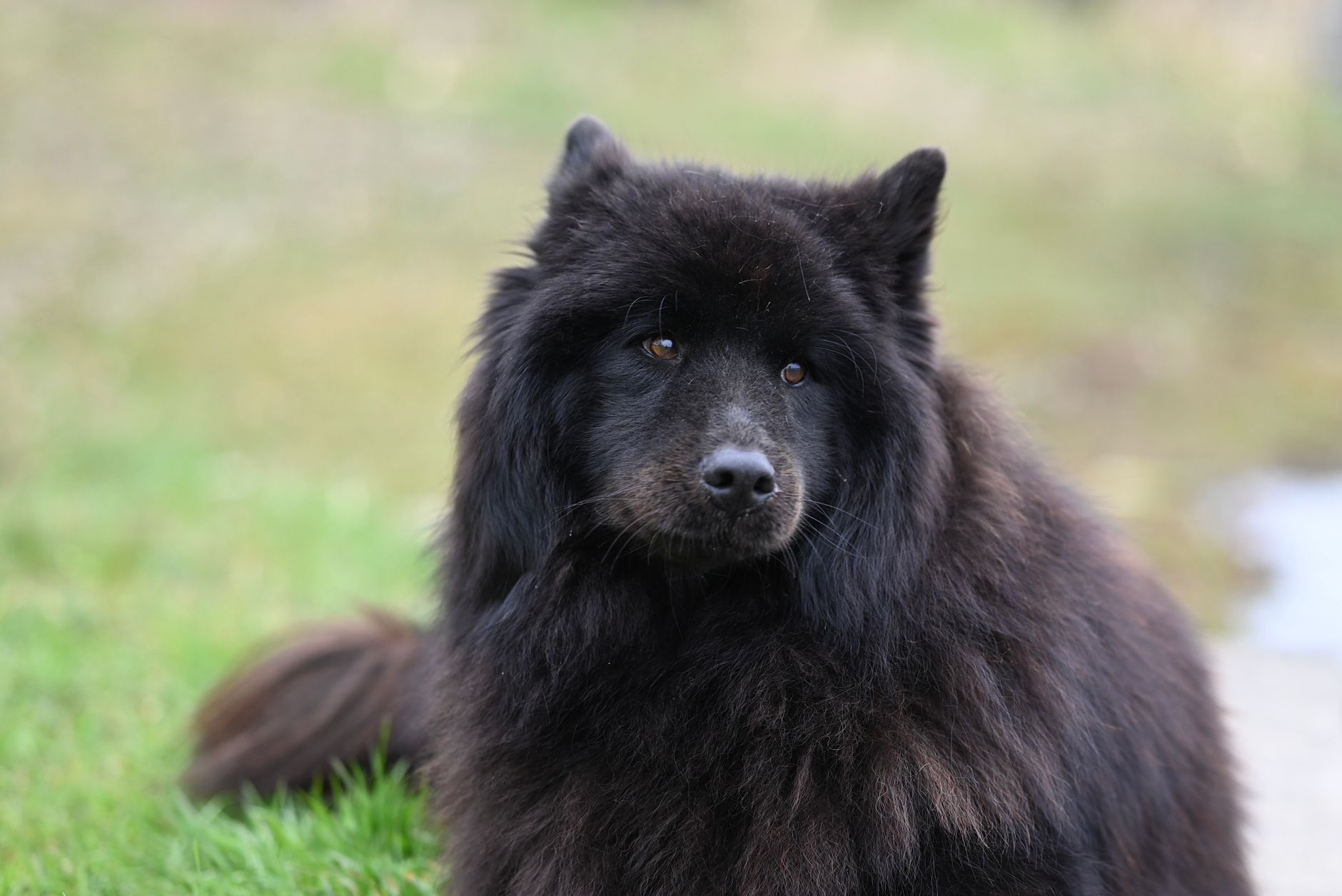
Quick Summary
The Finnish Spitz is a vibrant, fox-like companion famed for its vocal personality and striking golden-red double coat. In my clinical experience, they thrive best with active, patient owners who can channel their historical hunting drive and high intelligence into structured mental and physical outlets.
Quick Facts
- origin countryFinland
- breed groupNon-Sporting Group (AKC)
- sizeMedium
- weight range20 to 33 pounds
- height range15.5 to 20 inches
- lifespan12 to 15 years
- coat typeDense double coat with a soft undercoat and harsh, straight guard hairs
- common colorsRed-gold, golden-red, ranging from honey to dark chestnut
- other namesSuomenpystykorva, Finkie, Finnish Barking Bird Dog
- recognized byAKC, UKC, KC, FCI
Caring for a Finnish Spitz
Living with a Finnish Spitz is like having a vibrant, highly alert mini-fox running your household. In my years treating this breed, I find that day-to-day life is defined by their boundless energy and intense desire to participate in every family activity. They are incredibly clean dogs that often groom themselves like cats, but they do require consistent physical exercise and daily mental enrichment to prevent boredom. As a vocal northern breed, managing their natural barking instinct must be integrated into your routine from day one.
Is a Finnish Spitz a good family pet?
Yes, they make excellent, deeply devoted family pets and are particularly known for their gentle, protective patience with children. However, they are sensitive dogs that do best in a harmonious household without excessive shouting or chaos. I always advise families to supervise interactions to ensure the dog’s boundaries are respected.
Do Finnish Spitzs shed a lot?
They are moderate shedders year-round but will ‘blow’ their dense double coat completely twice a year, typically in spring and autumn. During these seasonal shedding periods, you will find clumps of soft undercoat everywhere, requiring daily brushing to manage. I recommend keeping a high-quality slicker brush and undercoat rake on hand.
Is a Finnish Spitz good for first-time owners?
Generally, I do not recommend them for novice owners due to their independent streak and highly vocal nature. They require a confident, patient handler who understands how to manage Spitz behavior using positive reinforcement. If a first-time owner is highly active and committed to professional training, they can succeed, but it is a steep learning curve.
Temperament & Personality
The Finnish Spitz is a fascinating blend of independence, affection, and alertness. Unlike some aloof northern breeds, Finkies form incredibly strong bonds with their human family and genuinely crave daily interaction. They are naturally vigilant, watching over their territory with an active eye and a ready bark. In my clinic, I observe them to be highly sensitive to their environment and their owner’s emotional states, requiring a gentle training touch rather than harsh discipline.
Is a Finnish Spitz good with other pets?
They usually cohabitate wonderfully with other dogs, especially if raised together. However, due to their strong hunting heritage as bird dogs, they possess a high prey drive. I always caution owners to monitor them closely around small pocket pets, birds, and sometimes cats.
How much attention does a Finnish Spitz need?
They are highly social family members who do not tolerate being left alone in a backyard or isolated for long hours. They require a couple of hours of direct interaction, play, and exercise daily to prevent separation anxiety and destructive vocalization. If you work long hours away from home, this is likely not the breed for you.
Training & Behavior
Training a Finnish Spitz requires a light hand and creative thinking, as they are easily bored by repetitive drills. They are highly intelligent but possess a typical Spitz independence that can sometimes be mistaken for stubbornness. In my veterinary practice, I’ve seen that positive reinforcement and short, gamified training sessions yield the absolute best results.
Training Tips
- Use high-value food rewards and praise to keep training sessions engaging.
- Keep training sessions short, ideally under 10 minutes, to prevent boredom.
- Begin socialization early, exposing them to diverse sights, sounds, and people by 12 weeks.
- Address vocalization early with a ‘quiet’ command, rewarding silence immediately.
Fun Activities
- Agility training
- Scent work or tracking
- Advanced obedience trials
- Hiking and trail running
- Lure coursing
Is a Finnish Spitz easy to train?
They are highly intelligent and learn commands quickly, but they are not naturally eager-to-please like retrievers. They will frequently question commands if they are bored or see no reward. In my experience, a patient owner who uses reward-based methods will find them highly capable, while force will cause them to shut down.
Finnish Spitz Health Issues

The Finnish Spitz is generally a remarkably robust and healthy breed with fewer genetic predispositions than many modern breeds. However, keeping them at an ideal body condition and ensuring routine health screenings is vital for preventing the orthopedic and metabolic issues we occasionally diagnose in practice.
Patellar Luxation
A condition where the kneecap slips out of its normal anatomical groove, common in medium and small breeds. This can cause varying degrees of lameness and can predispose the joint to arthritis.
Hip Dysplasia
An inherited orthopedic condition where the hip joint doesn’t fit together perfectly, leading to gradual joint wear and painful osteoarthritis. I recommend checking that parents have OFA or PennHIP clearances.
Epilepsy
An inherited neurological disorder that causes recurrent seizures, typically manifesting between 1 and 5 years of age. While frightening for owners, it can often be successfully managed with long-term anticonvulsant medications.
Diabetes Mellitus
A metabolic disorder where the body cannot regulate blood glucose levels properly, which I diagnose more frequently in this breed than in other medium-sized dogs. It requires lifelong insulin therapy and careful dietary management.
Pemphigus Foliaceus
An autoimmune skin condition that causes crusts, pustules, and hair loss, particularly around the face, ears, and footpads. It is a known genetic sensitivity in some Finnish Spitz lines and requires immunosuppressive therapy.
How long do Finnish Spitzs typically live?
With proper nutrition, regular exercise, and preventive veterinary care, a Finnish Spitz typically lives between 12 and 15 years. Many individuals in my practice remain remarkably active and youthful well into their double-digit years.
What to Feed a Finnish Spitz
Proper nutrition for a Finnish Spitz should focus on sustaining their high metabolic rate while strictly avoiding obesity, as even a couple of extra pounds can stress their joints. What I see most often in practice is owners overestimating their dog’s caloric needs based on their high energy levels.
Best Diet
A high-quality, biologically appropriate dry kibble formulated for active, medium-sized breeds is ideal. Look for diets where whole proteins like chicken, beef, or salmon are the primary ingredients, and consult your vet about transitioning from puppy to adult food at around 10 to 12 months.
How to Feed
Divide their daily caloric intake into two equal meals to maintain stable blood sugar levels and support digestion. Avoid feeding them immediately before or after intense exercise to minimize the risk of digestive upset.
How Much to Feed
Generally, an active adult Finnish Spitz requires between 1.5 to 2.5 cups of premium kibble daily, depending on their weight and activity level. Always consult your veterinarian to calculate their exact caloric requirements based on their body condition score.
Nutritional Tips
Incorporate omega-3 fatty acid supplements (like wild-caught fish oil) to support their dense double coat and maintain joint health. Keep treats to less than 10% of their total daily caloric intake, as they are masters at begging.
Finnish Spitz Grooming Guide
The Finnish Spitz has a striking, self-cleaning double coat that repels dirt and rarely develops a typical ‘doggy odor.’ Grooming is surprisingly manageable, provided you stay consistent with routine brushing and don’t let dead undercoat build up.
Coat Care
Brush the coat thoroughly 2-3 times a week using a slicker brush and a metal greyhound comb to prevent mats. During the biannual shedding seasons, increase this to daily brushing and consider using an undercoat rake to safely remove the dead hair.
Skin Care
Avoid frequent bathing as it strips the natural, protective oils from their skin and coat; a bath every 8 to 12 weeks is usually sufficient. Always dry their dense undercoat completely after a bath to prevent hot spots or fungal skin infections.
Eye Care
Keep the eyes clear of any minor sleep crusts using a damp, soft cloth; excessive tearing should be checked by a vet for corneal issues.
Ear Care
Inspect the upright ears weekly for redness, debris, or a sweet, yeasty odor, and clean them with a veterinarian-approved ear cleaner if necessary.
Nail & Dental Care
Trim their nails every 3 to 4 weeks using a grinder or clippers, and brush their teeth at least 3 times a week with dog-safe enzymatic toothpaste to prevent periodontal disease.
Considerations for Pet Parents
Pros
- Devoted, highly affectionate family companion
- Beautiful, low-odor, self-cleaning coat
- Excellent and watchful natural watchdog
- Patient and gentle with children
- Generally healthy and long-lived breed
Cons
- High tendency to bark frequently and loudly
- Strong prey drive around small animals
- Requires consistent daily physical and mental exercise
- Intense shedding twice a year during coat blows
Best For
Active individuals or families who spend plenty of time outdoors and are home enough to provide companionship. They are ideal for those who live in semi-rural or suburban homes with large yards and no strict noise ordinances.
Not Recommended For
Apartment dwellers or those with close neighbors who cannot tolerate a highly vocal dog. They are also not suited for sedentary owners, those away from home for long stretches, or homes with free-roaming small pets.
Cost
- purchase price$1,500 to $2,500
- monthly cost$120 to $180
- initial setupBudget $500 to $800 initially for essential supplies, including a crate, high-quality grooming tools, durable toys, and initial veterinary vaccines.
Similar Breeds

Shiba Inu

Keeshond
Finnish Spitz FAQs
Why does the Finnish Spitz bark so much?
In their native Finland, they were bred as ‘bark pointers’ to locate game, especially birds, by barking continuously to alert the hunter and distract the prey. This vocalization is deeply hardwired into their genetic makeup, making them highly prone to barking at passing cars, animals, or changes in their environment.
Can a Finnish Spitz live in an apartment?
While physically small enough to adapt to apartment life, their intense barking instinct makes them very challenging apartment tenants. Unless you are highly dedicated to daily exercise and have successfully trained a reliable ‘quiet’ command, your neighbors will likely complain about the noise.
How much exercise does a Finnish Spitz need daily?
They require at least 60 to 90 minutes of vigorous daily exercise, including brisk walks, runs, or interactive fetch sessions. They also need mental stimulation, such as puzzle toys or training games, to keep their active minds occupied.
Are Finnish Spitz easy to housebreak?
Yes, they are generally very clean dogs and pick up on housebreaking quickly. Standard crate training and a consistent outdoor bathroom routine will typically yield success within a few weeks, especially when paired with positive reinforcement.
Do they tolerate cold weather well?
Absolutely. Thanks to their dense, insulating double coat developed in northern Scandinavia, they thrive in cold, snowy climates. Conversely, they can easily overheat in hot, humid weather and require air conditioning and plenty of shade during summer months.
Are they prone to separation anxiety?
Yes, because they bond so intensely with their human packs, they can suffer from separation anxiety if left alone for extended periods. This anxiety is frequently expressed through destructive chewing and relentless, high-pitched barking.
Is the Finnish Spitz recognized as a rare breed?
While they are the national dog of Finland and quite popular in Scandinavia, they are considered a relatively rare breed in North America and parts of Europe, meaning you may have to wait on a breeder’s list for a puppy.
How do they react to strangers?
They are naturally cautious and aloof with strangers, but they should never be aggressive. They prefer to observe newcomers from a distance before deciding to approach, making thorough early socialization crucial to prevent timid behavior.
Can they go off-leash in un-fenced areas?
I strongly advise against letting a Finnish Spitz off-leash in open areas. Their historic hunting drive and instinct to chase birds, squirrels, and small game mean they are highly likely to bolt after a scent, ignoring your recall commands completely.
Is their coat hypoallergenic?
No, they are not hypoallergenic. They shed moderate amounts of dander and hair year-round, and their heavy seasonal shedding twice a year can trigger allergies in sensitive individuals.
What is the ‘King of the Barkers’ contest?
In Finland, Finnish Spitz dogs compete in annual barking contests to crown the ‘King of the Barkers.’ Dogs are judged on their ability to locate game and bark at rates of up to 160 times per minute, highlighting just how central vocalization is to this breed.
Do they get along with cats?
They can live peacefully with cats if raised together from puppyhood and properly socialized. However, due to their inherent prey drive, they may still chase a cat that runs, so interactions should always be supervised.