
Bolognese Breed Guide
Quick Summary
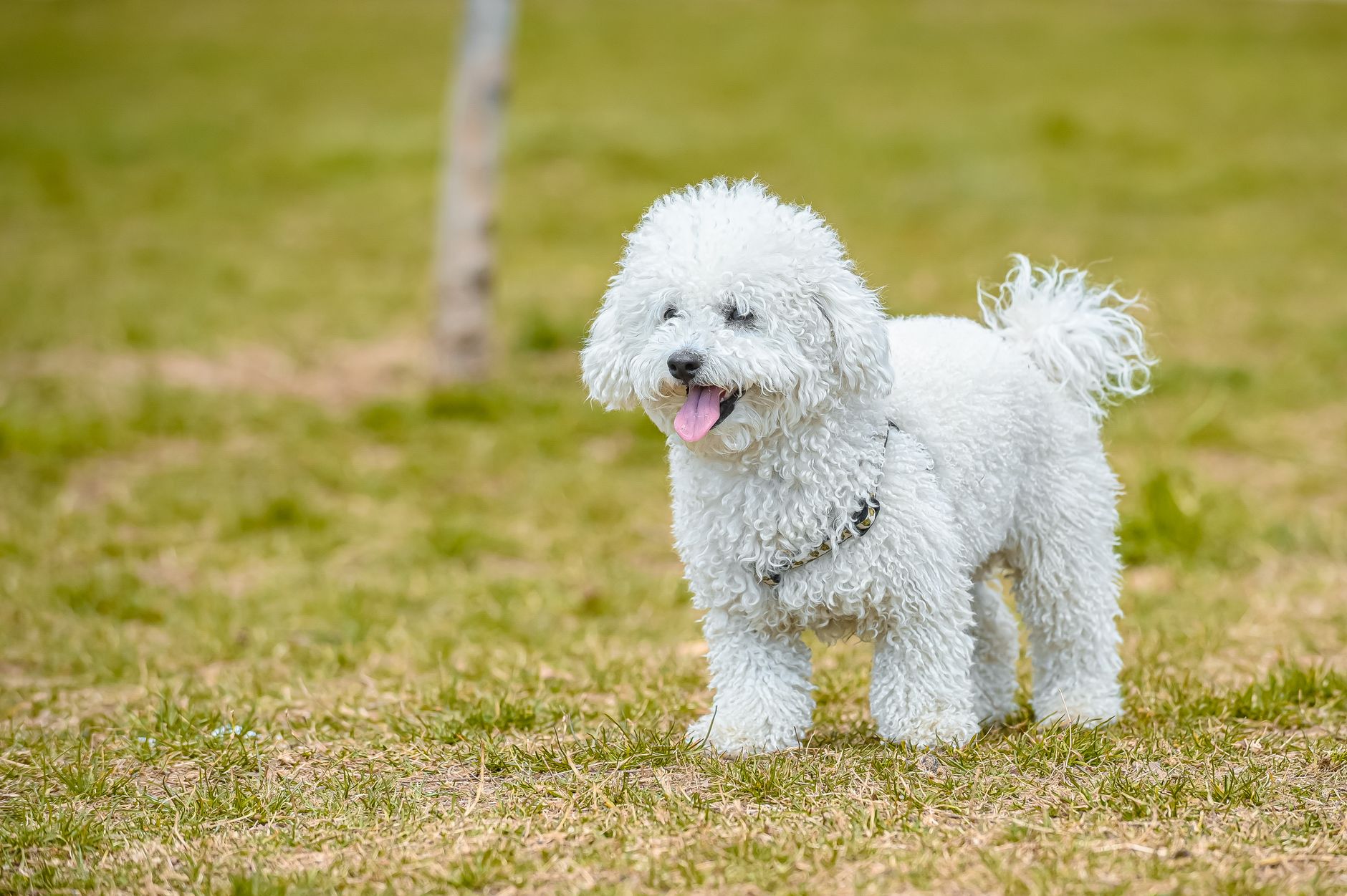
The Bolognese is an extraordinarily devoted, serene companion dog that thrives on human contact, making them ideal for quiet households and apartment living. In my years treating this breed, I have found that their calm demeanor and low-shedding coat make them unmatched companions, provided their owners can meet their intensive grooming needs and prevent separation anxiety.
Quick Facts
- origin countryItaly
- breed groupCompanion Dogs (UKC / AKC Foundation Stock Service)
- sizeToy
- weight range5.5 to 9 pounds (2.5 to 4 kg)
- height range9 to 12 inches (23 to 30 cm) at the shoulder
- lifespan12 to 14 years
- coat typeLong, fluffy, flock-like single coat with open curls and no undercoat
- common colorsPure white, though light ivory shading is occasionally tolerated
- other namesBolo, Botolo, Bolognese Toy Dog, Bichon Bolognese
- recognized byAKC (FSS), UKC, FCI, KC
Caring for a Bolognese
Living with a Bolognese is like sharing your home with a gentle, highly observant shadow. In my clinical experience, these dogs do not do well in households where they are left alone for long stretches, as they are hardwired for human proximity. They require a modest daily walk of 20 to 30 minutes coupled with interactive play to keep their agile minds sharp. Because their coat is single-layered and does not shed traditionally, you must commit to daily combing to prevent severe matting at the skin level.
Is a Bolognese a good family pet?
Yes, but they are best suited for families with older, respectful children. Because of their tiny skeletal frame, young children can accidentally injure them, and the Bolognese prefers a serene environment over a chaotic one.
Do Bologneses shed a lot?
They are virtually non-shedding, as dead hairs get trapped within their curly coat rather than falling onto your furniture. This makes them excellent for allergy sufferers, though it requires meticulous manual combing to remove the dead hair.
Is a Bolognese good for first-time owners?
They are wonderful for first-time owners who are fully prepared for the intensive grooming routine and are home most of the day. Their biddable, eager-to-please nature makes them much easier to manage than more stubborn toy breeds.
Temperament & Personality
Unlike their more boisterous cousin, the Bichon Frise, the Bolognese is notably calm, reserved, and deeply thoughtful. In my exam rooms, I consistently observe them sitting quietly on their owner’s lap, observing their surroundings with intelligent, dark eyes. They are incredibly affectionate with their inner circle but can be somewhat aloof or cautious with strangers until properly introduced.
Is a Bolognese good with other pets?
Typically, yes. In my practice, I see many Bolognese dogs living harmoniously with cats and other small dogs, though they should always be protected from larger, high-prey-drive dogs due to their small size.
How much attention does a Bolognese need?
They require a very high level of emotional attention and proximity. If you work long hours outside the home, this breed is highly prone to developing severe separation anxiety and stress-induced behaviors.
Training & Behavior
Bolognese dogs are highly intelligent and remarkably quick learners, but they possess a highly sensitive temperament. I always caution owners that harsh tones or punitive training methods will cause a Bolognese to shut down completely. They respond beautifully to positive reinforcement, gentle praise, and low-calorie rewards.
Training Tips
- Start socialization early to prevent natural reserve from turning into timidity.
- Use extremely soft, encouraging tones during obedience sessions.
- Implement crate training early to foster a sense of security when left alone.
- Keep training sessions short (5 to 10 minutes) and fun.
- Focus heavily on separation training by leaving them for very brief intervals from puppyhood.
Fun Activities
- Trick training and puzzle solving
- Short, leisurely scent walks
- Agility on a miniature scale
- Therapy dog work in quiet settings
Is a Bolognese easy to train?
They are highly intelligent and biddable, making basic commands very easy to teach. However, like many toy breeds, housebreaking can take consistent effort and a strict, positive routine for the first six months.
Bolognese Health Issues
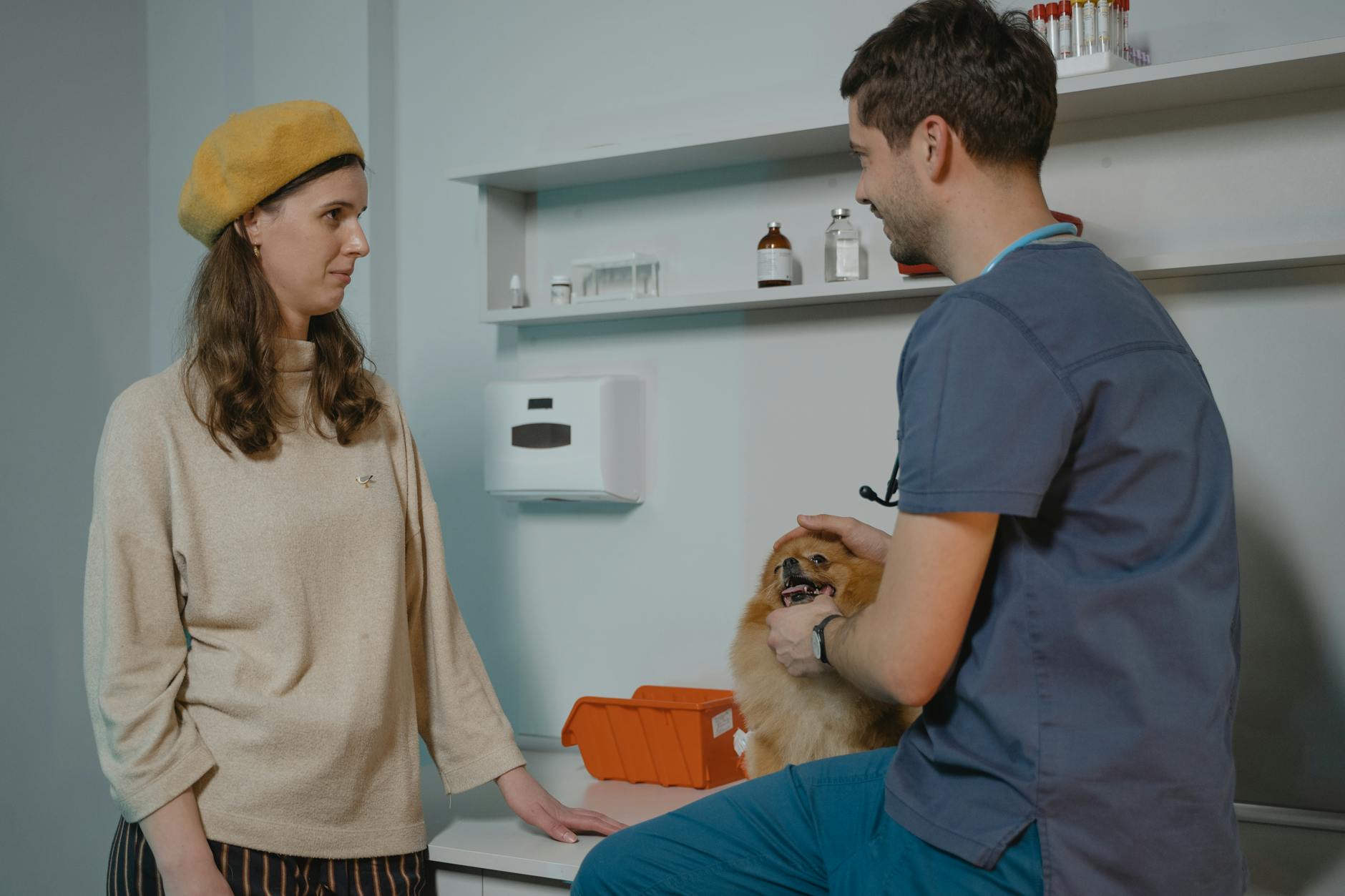
As a vet, I consider the Bolognese to be a remarkably robust and long-lived toy breed with relatively few genetic bottlenecks. However, like all small breeds, they are predisposed to specific orthopedic, dental, and ocular conditions that require proactive veterinary management.
Patellar Luxation
A hereditary condition where the kneecap slips out of its anatomical groove. In my clinical exams, I grade this from I to IV, with advanced cases requiring surgical correction to prevent early-onset osteoarthritis.
Periodontal Disease
Due to their crowded toy mouths, bacteria and plaque build up rapidly. This quickly progresses to alveolar bone loss and systemic issues if not treated.
Distichiasis
An abnormal growth of extra eyelashes from the meibomian glands that curve inward and rub against the sensitive cornea, causing irritation or ulceration.
White Dog Shaker Syndrome
Also known as idiopathic cerebellitis, this condition causes generalized tremors in young, small white dogs. It is highly treatable with an early, tapered course of corticosteroids.
How long do Bologneses typically live?
With excellent dental care, a high-quality diet, and regular veterinary checkups, a Bolognese frequently lives between 12 and 15 years, with many reaching 16 in my clinical experience.
What to Feed a Bolognese
Proper nutrition for a Bolognese focuses on maintaining a lean body mass index to protect their delicate joints. Even a single extra pound on a 7-pound dog can severely strain their stifle and hip joints.
Best Diet
I recommend a high-quality, small-breed-specific dry kibble formulated for their life stage (puppy, adult, or senior). Look for diets high in easily digestible proteins and enriched with omega-3 fatty acids for skin and coat health.
How to Feed
Puppies should be fed 3 to 4 times daily to prevent hypoglycemia. Once they reach 12 months of age, transition them to 2 measured meals per day using a standard measuring cup rather than free-feeding.
How Much to Feed
Typically, an adult Bolognese requires only 1/3 to 1/2 cup of kibble per day, divided into two meals. However, individual caloric needs vary widely based on activity level and age, so always consult your veterinarian to calculate exact caloric targets.
Nutritional Tips
Avoid feeding table scraps, as this breed can easily develop pancreatitis from fatty foods. Keep training treats tiny (no larger than a split pea) and factor them into their daily caloric allowance.
Bolognese Grooming Guide
The Bolognese coat is a labor of love that requires dedication. Unlike double-coated breeds, their hair keeps growing in open, flock-like curls, behaving much like human hair.
Coat Care
You must comb the coat down to the skin every single day using a high-quality metal greyhound comb to prevent mats. I advise professional grooming every 4 to 6 weeks, whether you keep them in a full show coat or a shorter ‘puppy clip’.
Skin Care
Because they require frequent bathing, use only soap-free, hypoallergenic shampoos to preserve their natural skin barrier and prevent dry, itchy dermatoses.
Eye Care
Daily wiping with a damp cloth or specialized eye wipes is necessary to prevent tear staining around their large eyes, which can trap moisture and harbor yeast.
Ear Care
Hair grows deep inside their ear canals; check ears weekly and work with your vet or groomer to pluck excessive hair and clean with a drying agent to prevent otitis externa.
Nail & Dental Care
Clip nails every 3 to 4 weeks, and brush their teeth daily with veterinary-approved enzymatic toothpaste to combat their high risk of early periodontal disease.
Considerations for Pet Parents
Pros
- Incredibly affectionate, loyal, and quietly intuitive companion
- Very low-shedding and low-dander coat, highly suitable for allergy sufferers
- Calmer and less demanding than many other toy and companion breeds
- Perfectly sized for apartment living and easy travel
- Excellent lifespan and generally robust genetic health profile
Cons
- Demands intensive, daily coat brushing and regular professional grooming
- Highly prone to separation anxiety if left alone for more than a few hours
- Can be slow and difficult to housebreak due to small bladder capacity
- Very fragile as puppies, requiring careful handling around larger animals
Best For
Retired individuals, remote workers, or quiet households where someone is home most of the day and can commit to daily, thorough grooming routines.
Not Recommended For
Busy families with toddlers, households where the dog will be left alone for standard 8-to-10-hour workdays, or owners who want a low-maintenance ‘wash-and-wear’ dog.
Cost
- purchase price$1,800 – $3,500 USD from reputable, health-testing preservation breeders.
- monthly cost$120 – $220 USD, largely driven by professional grooming fees, high-quality nutrition, and pet insurance premiums.
- initial setupExpect to spend $800 – $1,200 initially on high-end grooming tools (slicker brushes, metal combs, ear powders), a heavy-duty crate, puppy vaccines, and spay/neuter surgery.
Similar Breeds

Bolognese FAQs
Are Bolognese dogs hypoallergenic?
While no dog is 100% hypoallergenic, the Bolognese is about as close as it gets. Because they are a single-coated, non-shedding breed, they produce very little airborne dander, making them highly tolerable for most allergy sufferers.
Do Bolognese dogs bark a lot?
Generally, no. In my practice, I find Bolognese dogs to be significantly quieter than other toy breeds like Chihuahuas or Yorkies. They may alert-bark when someone is at the door, but they are not prone to nuisance barking.
How do you prevent tear stains on a Bolognese?
Tear staining is common due to their white coat and eye structure. I recommend wiping their eyes daily with a damp cloth, feeding a high-quality diet free of artificial dyes, using stainless steel water bowls, and consulting your vet to rule out blocked tear ducts.
Is the Bolognese different from the Maltese?
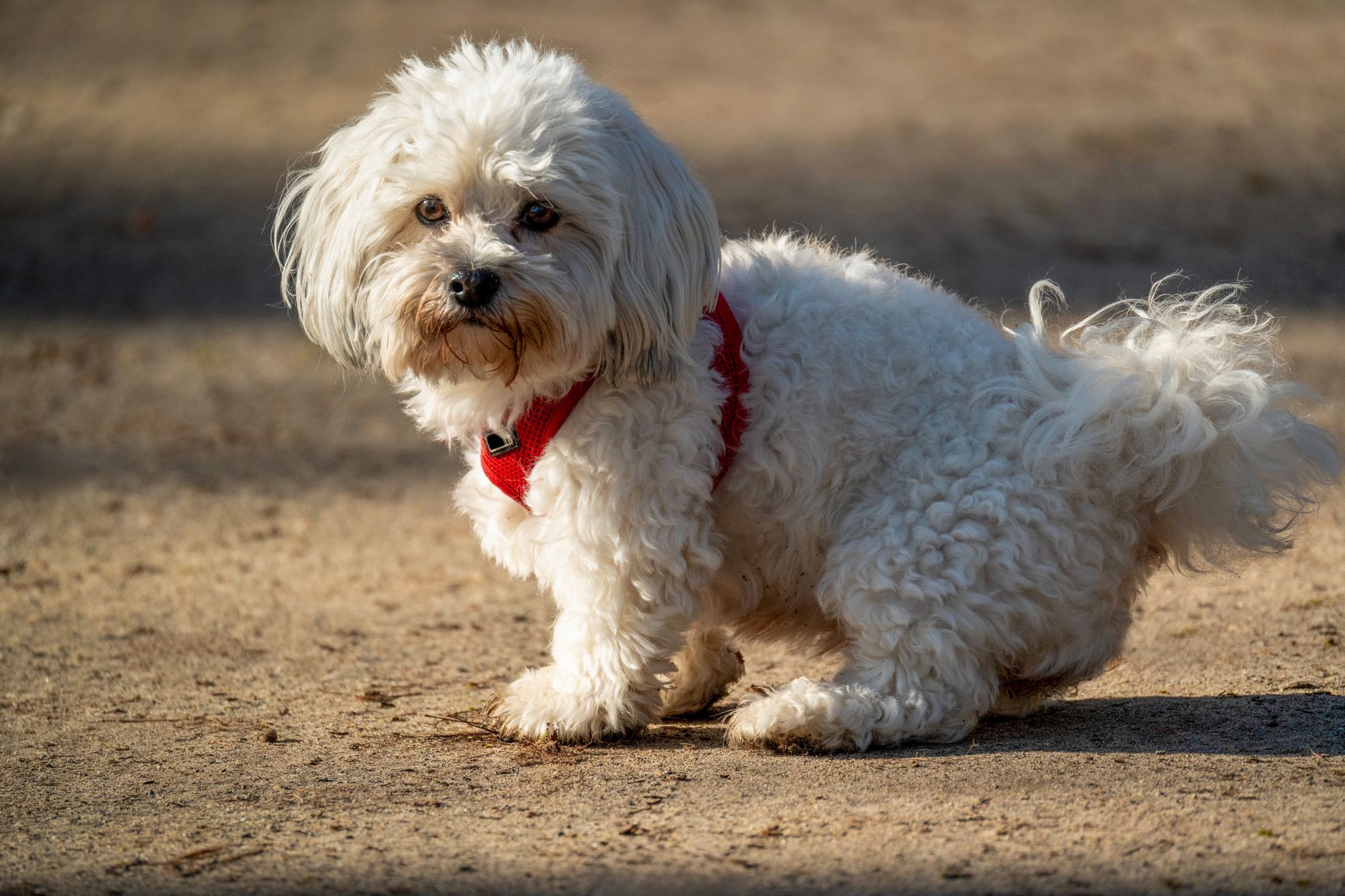
Yes. While both are white companion dogs of the Bichon family, the Bolognese has a sturdier build, a square silhouette, and a distinctive flock-like, curly coat, whereas the Maltese has a long, silky, straight coat.
Can a Bolognese be left alone for 8 hours?
No, I highly advise against this. The Bolognese is a companion dog to its core; leaving them alone for standard workdays regularly can lead to severe distress, continuous barking, and destructive behaviors born of separation anxiety.
Why does my Bolognese shake or tremble?
Shaking can be caused by cold temperatures, excitement, or anxiety. However, because they are a small white breed, chronic or severe shaking could indicate White Dog Shaker Syndrome (idiopathic cerebellitis), which requires immediate veterinary evaluation.
Are they difficult to housebreak?
They can be challenging, a common trait in many toy breeds due to their tiny bladders. Success requires a very strict schedule, crate training, positive reinforcement, and patience, typically taking up to 6 months to master.
Do I need to trim my Bolognese dog’s coat?
Yes, unless you are keeping them in a full, floor-length show coat which requires hours of daily combing. Most companion owners opt for a ‘puppy clip’ or ‘teddy bear cut’ every 4 to 6 weeks to keep the coat manageable.
What is the temperament of a Bolognese compared to a Bichon Frise?
The Bolognese is generally much calmer, more serene, and more reserved around strangers than the highly energetic and outgoing Bichon Frise. They are quieter companions who prefer a calm lap to a boisterous game.
Are Bolognese dogs prone to ear infections?
Yes. Because hair grows inside their ear canals and their ears are floppy, moisture and debris easily get trapped. Weekly inspections and keeping the ears clean and dry are vital to prevent yeast and bacterial infections.
How much exercise does a Bolognese need?
They require surprisingly little exercise. A daily 20-to-30-minute walk combined with a few short indoor play sessions is more than enough to keep them physically fit and mentally satisfied.
Can they live in cold climates?
While their flock-like coat provides some insulation, they are small indoor companion dogs. In temperatures below 40°F (4°C), they should wear a sweater or coat for walks, and they should never be kept outdoors.
Do they suffer from genetic eye diseases?
They can be prone to Progressive Retinal Atrophy (PRA) and cataracts. I always advise buying from breeders who provide clearance certificates from the Canine Eye Registry Foundation (CERF) or Companion Animal Eye Registry (CAER).