
Low-Shedding Dog Breeds
 Dogs That Shed Less” loading=”lazy”>
Quick Summary
Finding the perfect canine companion doesn’t have to mean living with a layer of fur on every surface. In this guide, I share my clinical recommendations for the best low shedding dog breeds to help you find a pup that fits your home. While these dogs lose less hair, they still require dedicated grooming care to keep their coats healthy.
In my years of clinical practice, I have helped hundreds of families select the right pet for their households. Many clients come to my clinic asking for a dog that won’t trigger their allergies or leave piles of fluff on the sofa.
While no dog is entirely allergen-free, choosing low shedding dog breeds can significantly reduce the amount of dander and hair in your environment. Let’s look at the science of canine coats and which breeds might be your perfect match.
Hypoallergenic vs. Low Shedding Dog Breeds: The Clinical Reality
As a veterinarian, I must clear up a common misconception: there is no such thing as a truly hypoallergenic dog. Allergies are triggered by proteins found in a dog’s saliva, urine, and dander, not the hair itself.
Breeds that shed less simply trap these allergens in their coats rather than releasing them into your home environment.
- Dander: Flakes of dead skin that bind to loose hair and drift into your household air.
- Saliva: Proteins on dry saliva can flake off the fur after self-grooming.
- Urine: Trace amounts can stick to the coat and transfer to carpets and furniture.
Understanding Low-Shedding Coat Types
Not all low-shedding coats are the same. In my practice, I classify these breeds into three primary coat categories, each requiring a different approach to veterinary care and home grooming.
Understanding these coat types helps you prepare for the specific physical demands of your dog’s maintenance.
- Hair Coats: Single-layered coats that grow continuously like human hair and rarely shed.
- Curly or Wavy Coats: Dense curls that trap shed hair inside the coat, preventing it from falling onto your floors.
- Wire Coats: Rough, bristly coats that require manual hand-stripping to safely remove dead hairs from the root.
Top Breed Recommendations for Every Lifestyle
When choosing a breed, you must look beyond the coat to the dog’s temperament and energy level. Here are the breeds I most frequently recommend to my clients, ranging from small companion lapdogs to active family protectors.
- Poodles (All Sizes): Highly intelligent, active, and versatile dogs with curly hair that requires professional clipping.
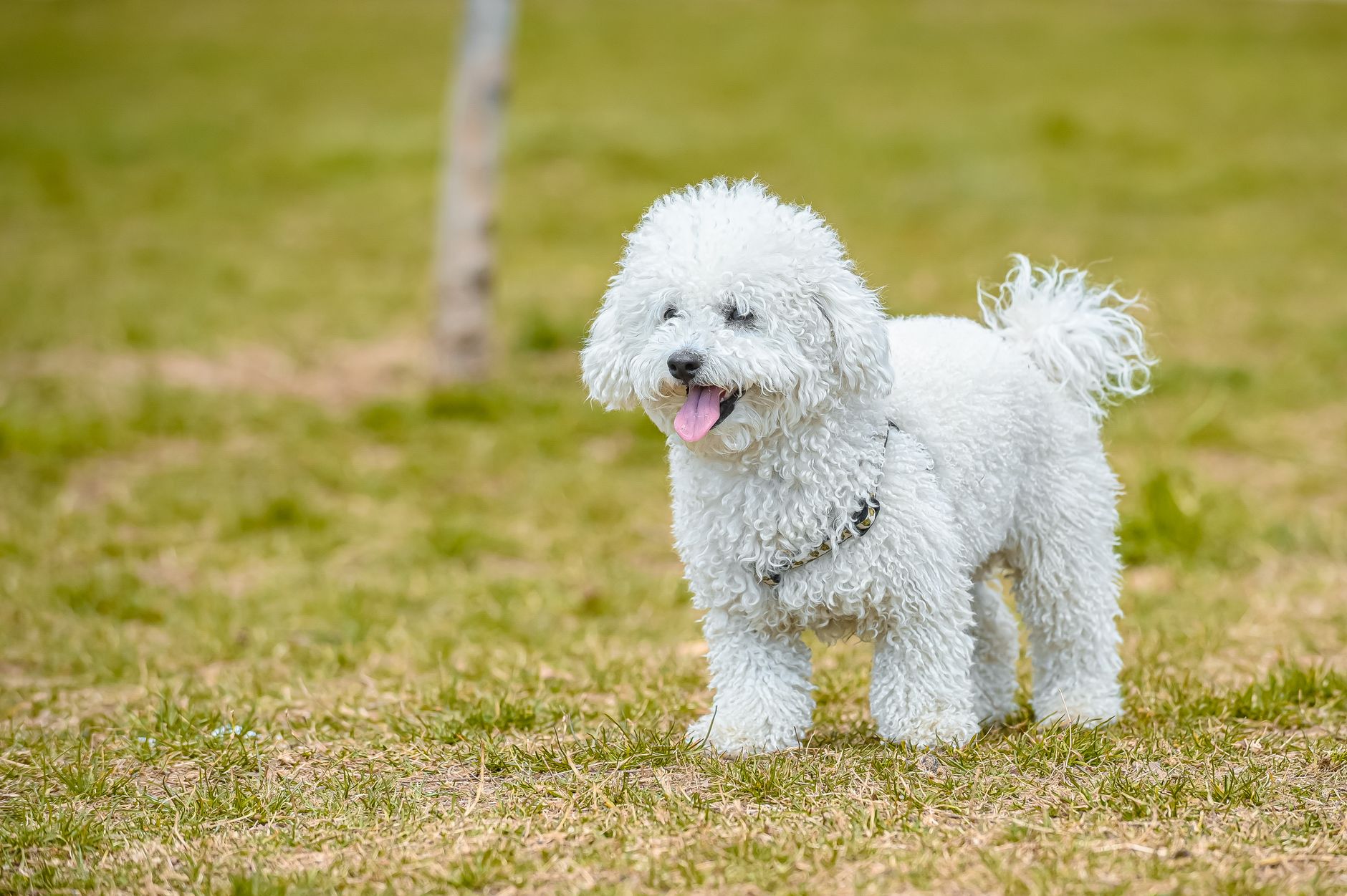
- Bichon Frise: Playful and gentle companion dogs with a soft, powder-puff coat ideal for apartment living.
- Portuguese Water Dog: Energetic, athletic, and loyal companions best suited for active, outdoor-loving families.
- Miniature Schnauzer: Spirited, alert watchdogs with wire coats that need regular brushing and facial trimming.
The High Maintenance of Low-Shedding Dogs
Clients are often surprised to learn that low-shedding dogs actually require more hands-on grooming than heavy shedders. Because their hair keeps growing instead of falling out, it easily becomes tangled, matted, and painful if neglected.
You must commit to a strict grooming schedule to prevent painful skin infections.
- Daily Brushing: Essential for curly and long-haired breeds to prevent painful mats near the skin.
- Professional Grooming: Budget for professional clipping and styling every four to six weeks.
- Ear Care: Many low-shedding breeds grow hair inside their ear canals, which traps moisture and bacteria.
Frequently Asked Questions
Do low-shedding dogs require less work?
No, they actually require more hands-on grooming. While you will spend less time vacuuming your floors, you will spend significantly more time brushing their coats and visiting professional groomers to prevent matting.
Can a low-shedding dog still trigger my asthma or allergies?
Yes, they can. Because allergies are caused by proteins in saliva and dander rather than the fur itself, a low-shedding dog can still cause reactions if you are highly sensitive.
How often should I bathe a low-shedding dog?
I recommend bathing them every three to four weeks with a veterinarian-approved shampoo. Bathing too frequently can strip their skin of natural oils, leading to dryness and irritation.
What happens if I don’t groom a curly-coated dog?
Without regular grooming, loose hairs will twist around healthy hairs, forming tight mats. These mats trap moisture, pinch the skin, and can cause severe, painful bacterial skin infections.
Final Thoughts
Choosing a low-shedding breed is an excellent way to keep your home cleaner and potentially reduce mild allergy symptoms. However, please remember that these dogs trade shedding for intensive grooming requirements.
If you are ready to invest the time and resources into professional coat care, these breeds make incredibly rewarding, loving companions.