
Beauceron Breed Guide

Quick Summary
The Beauceron is an imposing, highly intelligent French herding breed that combines intense loyalty with a serious, protective nature. In my years of clinical practice, I have found that they are magnificent working dogs but demand experienced owners who can provide rigorous physical exercise and structured mental stimulation. They are not a casual pet, but for the right dedicated owner, they are incomparable guardians and active companions.
Quick Facts
- origin countryFrance
- breed groupHerding Group
- sizeLarge
- weight range70 to 110 pounds
- height range24 to 27.5 inches
- lifespan10 to 12 years
- coat typeShort, dense double coat
- common colorsBlack and tan (Bas-Rouge), Harlequin (Gray, Black, and Tan)
- other namesBerger de Beauce, Bas-Rouge
- recognized byAKC, UKC, FCI
Caring for a Beauceron
Living with a Beauceron is like sharing your home with an elite, highly driven athlete. In my clinical experience, these dogs require at least two hours of vigorous exercise daily, coupled with real mental ‘jobs’ to prevent destructive boredom. They are incredibly observant and will naturally patrol their territory, meaning they need clear boundaries from day one. Expect a dog that remains physically close to you, keeping a watchful eye on everything you do.
Is a Beauceron a good family pet?
They can be excellent family pets for active, highly structured households with older children who understand canine boundaries. However, their intense herding instincts can make them prone to ‘heeling’ or nipping at ankles, which is why I advise caution and rigorous training around toddlers.
Do Beaucerons shed a lot?
They are moderate shedders year-round, but they undergo heavy seasonal blowouts twice a year, typically in spring and fall. During these shedding seasons, you will need to brush them daily to manage the dense, woolly undercoat.
Is a Beauceron good for first-time owners?
I absolutely do not recommend this breed for novice dog owners. Their combination of physical strength, high intelligence, and strong-willed guardian instincts can easily overwhelm someone who is not well-versed in canine behavior and leadership.
Temperament & Personality
The Beauceron is a balanced, confident dog that exhibits deep loyalty to its family and a natural, quiet aloofness toward strangers. They are not nervous or aggressive without cause, but they are highly protective and take their roles as guardians seriously. In the clinic, I observe them to be highly observant, constantly processing their environments, and deeply attuned to their owner’s emotions and body language.
Is a Beauceron good with other pets?
They can coexist peacefully with other pets if raised together from puppyhood and thoroughly socialized. However, due to their strong prey drive and herding heritage, they may chase smaller animals, and same-sex dog aggression can occur if not properly managed.
How much attention does a Beauceron need?
They need a high level of daily interaction and do not thrive if left isolated in a backyard. I often tell owners that these dogs want to be your shadow; they require active engagement, joint training sessions, and family inclusion to prevent anxiety-induced behaviors.
Training & Behavior
Training a Beauceron requires a firm, fair, and highly consistent approach. They are exceptionally smart and eager to work, but they will quickly exploit weak leadership or repetitive, boring routines. I emphasize positive reinforcement combined with clear structure, as harsh methods will only damage their trust and bring out defensive instincts.
Training Tips
- Start obedience training on day one to establish structure
- Use positive, reward-based training to build a strong bond
- Keep training sessions short, dynamic, and mentally challenging
- Incorporate intensive socialization with diverse people and dogs before 16 weeks
- Teach a reliable ‘place’ command to manage their protective nature indoors
Fun Activities
- Agility trials
- Competitive herding events
- Search and rescue (SAR)
- Schutzhund / IGP protection sports
- Canicross and skijoring
- Scent work and tracking
Is a Beauceron easy to train?
They are highly intelligent and capable of learning complex tasks rapidly, which makes them easy to train for experienced handlers. However, they possess an independent streak and will challenge boundaries, meaning they require a trainer who is confident and consistent.
Beauceron Health Issues
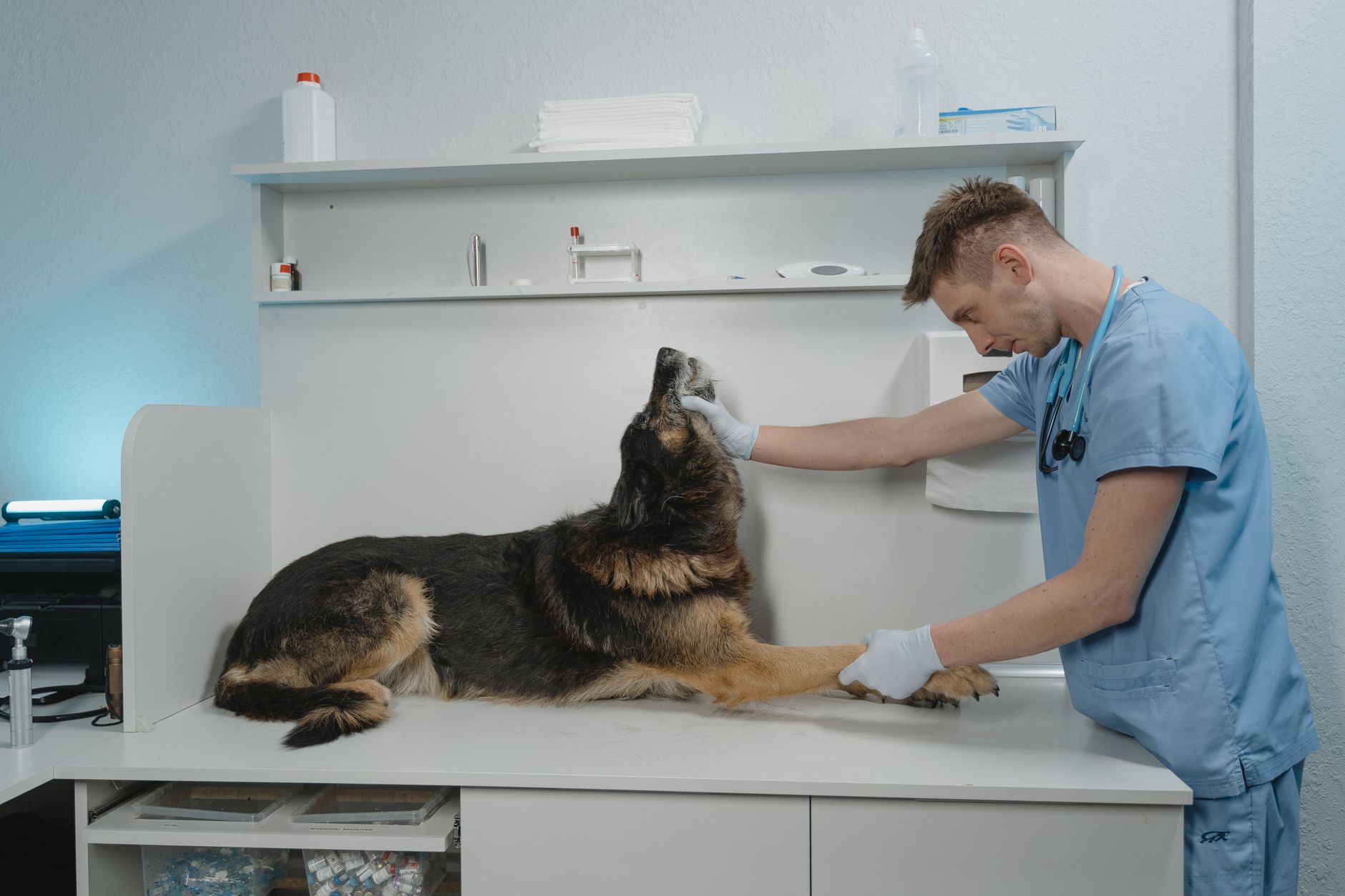
As a vet, I consider the Beauceron to be a remarkably hardy and robust breed, but like all large working dogs, they are genetically predisposed to specific orthopedic and systemic conditions. Maintaining an optimal lean body weight and testing breeding stock are crucial steps for their long-term health.
Hip Dysplasia
An inherited orthopedic condition where the hip joint doesn’t fit together perfectly, eventually leading to painful arthritis. In my clinic, I always recommend screening radiographs (PennHIP or OFA) before breeding or engaging in high-impact sports.
Gastric Dilatation-Volvulus (GDV/Bloat)
A life-threatening medical emergency where the stomach fills with gas and twists on its axis, cutting off blood supply. This deep-chested breed is at high risk, and I often discuss prophylactic gastropexy (stomach-tacking surgery) during their spay or neuter.
Dilated Cardiomyopathy (DCM)
A disease of the heart muscle that causes the heart to enlarge and pump blood inefficiently. Regular veterinary cardiac exams, including echocardiograms, are important for early detection and management.
Osteochondritis Dissecans (OCD)
An inflammatory condition where diseased cartilage separates from the underlying bone, most commonly affecting the shoulder joints of rapidly growing large-breed puppies. I advise keeping growing puppies on a strict large-breed formula diet to regulate growth rates.
Rear Double Dewclaw Injuries
The Beauceron is unique for having double dewclaws on its hind legs; these are breed-standard and must not be surgically removed unless medically necessary. Because they hang loosely, they are highly prone to snagging on brush, tearing, or becoming ingrown.
How long do Beaucerons typically live?
With excellent care, a balanced diet, and regular preventive veterinary medicine, Beaucerons typically live between 10 and 12 years. Keeping them lean throughout their lives is one of the most effective ways to prolong their active years.
What to Feed a Beauceron
Proper nutrition is the cornerstone of lifelong health for a heavy, active herding breed. It is vital to avoid rapid growth in puppies, which can cause severe developmental orthopedic diseases.
Best Diet
I recommend feeding a high-quality, scientifically formulated large-breed dry food. For puppies under 12 to 18 months, ensure they are on a certified ‘Large Breed Puppy’ formula to safely manage calcium-to-phosphorus ratios.
How to Feed
Divide their daily food into two distinct meals rather than one large feeding to reduce the risk of bloat. I strongly advise against exercising them or allowing high-intensity play for at least one hour before and after meals.
How Much to Feed
Portion size depends on their activity level and age, but generally ranges from 3 to 5 cups of high-quality kibble per day. Always consult your veterinarian to adjust portions based on body condition score rather than strictly following bag guidelines.
Nutritional Tips
Adding omega-3 fatty acid supplements (like high-quality fish oil) can support joint health and keep their dense double coats lustrous. Ensure clean, fresh water is always available, but monitor gulped water intake post-exercise.
Beauceron Grooming Guide
The Beauceron has a highly functional, weather-resistant double coat that is relatively low-maintenance but requires consistent attention during shedding seasons. Their unique double dewclaws require special, regular maintenance that should not be overlooked.
Coat Care
Weekly brushing with a slicker brush and a medium-toothed comb is sufficient for most of the year. During seasonal blowouts, daily brushing with an undercoat de-shedding tool is necessary to manage the heavy shedding of the woolly undercoat.
Skin Care
They have highly resilient skin, but frequent bathing can strip their coat of natural protective oils. I suggest bathing them only when they are visibly dirty, approximately every 8 to 12 weeks, using a soap-free canine shampoo.
Eye Care
Inspect their eyes weekly for any redness, cloudiness, or discharge, though they are not prone to many ocular issues.
Ear Care
Clean their ears every 2 to 3 weeks with a veterinarian-approved ear cleaner, especially if they spend time outdoors in brush or water, to prevent yeast and bacterial infections.
Nail & Dental Care
Trim their nails every 2 weeks, paying critical attention to the double dewclaws on the hind legs, which do not touch the ground and will easily curl and grow into the skin. Brush their teeth at least 3 times weekly.
Considerations for Pet Parents
Pros
- Fiercely loyal and protective of their family
- Highly intelligent and versatile working capability
- Rugged, athletic, and highly resilient in outdoor environments
- Low-maintenance grooming needs for most of the year
- Calm, stable, and deeply focused companion when properly exercised
- Excellent watchdog with a natural, imposing presence
Cons
- Extremely high physical and mental exercise demands
- Not suitable for novice owners; requires firm, experienced leadership
- Can display territorial or protective behaviors if unsocialized
- Prone to heavy seasonal shedding that requires intensive brushing
- Herding instinct may lead to chasing or nipping at small children or pets
Best For
Highly active, experienced owners who enjoy outdoor sports, working environments, or competitive dog training. They thrive in homes with spacious yards or acreage where they have clear tasks to perform.
Not Recommended For
Sedentary households, first-time dog owners, or those living in cramped apartment spaces without dedicated outdoor access. They will not do well if left isolated for long hours without human interaction.
Cost
- purchase price$1,500 to $2,500
- monthly cost$150 to $250
- initial setupExpect to spend $1,000 to $2,000 initially on high-quality veterinary care (including spay/neuter and gastropexy), a large crate, training, and durable gear.
Similar Breeds

Beauceron FAQs
Why do Beaucerons have double dewclaws?
The double dewclaws on the rear legs are a historic, genetic breed standard originally used by French herding dogs to navigate rugged, muddy terrain and act as ‘snowshoes.’ As a vet, I emphasize that these six-toed paws require regular trimming because the extra nails do not wear down naturally and can easily become ingrown.
Are Beaucerons aggressive?
They are not inherently aggressive dogs, but they are naturally protective and aloof with strangers. Without early, intensive socialization and confident leadership, their natural guarding instincts can develop into fear-based reactivity or over-protectiveness.
How much exercise does a Beauceron need daily?
They require at least 1.5 to 2 hours of vigorous exercise daily. This shouldn’t just be leash walking; they need high-intensity activities like running, hiking, herding, or agility work combined with mental puzzles to burn off their immense working energy.
Is the Beauceron related to the Doberman?
Yes, historical breed records indicate that the Beauceron was one of the primary breeds used by Louis Dobermann in Germany during the late 19th century to develop the Doberman Pinscher. They share similar black-and-tan markings and a confident, guarding demeanor.
How do they handle hot and cold weather?
Thanks to their dense double coat, they are highly weather-resistant and tolerate cold climates exceptionally well. However, because of their heavy black coats, they can overheat quickly in hot, humid weather, so I advise exercising them during early mornings or late evenings in summer.
When do Beaucerons stop growing?
As a large breed, they grow rapidly but take a long time to mature. They typically reach their full adult height by 12 to 18 months, but they will continue to ‘fill out’ and develop muscle mass until they are 2 to 3 years old.
What is the ‘Bas-Rouge’?
‘Bas-Rouge’ translates to ‘red stockings’ in French, which is the traditional nickname for the breed. It refers to the distinctive, rich red-tan markings on their lower legs and paws.
Can a Beauceron live in an apartment?
I generally advise against keeping a Beauceron in an apartment. Their sheer size, vocal protection alerts, and immense need for physical activity make them far better suited to a suburban or rural home with a securely fenced yard.
Are they prone to separation anxiety?
Because they form incredibly tight, devoted bonds with their owners and are highly shadow-like companions, they can develop separation anxiety if left alone for extended periods without proper crate training and independent stimulation.
How do I prevent bloat (GDV) in my Beauceron?
I recommend feeding smaller meals twice a day using slow-feeders, avoiding exercise for an hour before and after meals, and keeping water intake controlled immediately after heavy play. Discussing a prophylactic gastropexy surgery during spay or neuter with your vet is also highly recommended.
Do they bark a lot?
They are not nuisance barkers, but they are highly vocal when they sense a threat or someone approaching their property. They will emit a deep, commanding bark to alert their family, which can be managed with early ‘quiet’ command training.
What joint supplements should I give my Beauceron?
I frequently recommend starting large breeds on joint supplements containing Glucosamine, Chondroitin, and Green-Lipped Mussel extract around 1 to 2 years of age. Omega-3 fatty acids from high-quality wild-caught fish oil are also highly beneficial for joint inflammation.
How do they behave around children?
They can be fantastic with children in their own family, showing extreme loyalty and protective instincts. However, because of their size and herding background, they can accidentally knock over small children or try to herd them, so supervision is always necessary.
What is the Harlequin color in Beaucerons?
The Harlequin pattern is a recognized breed color consisting of a gray and black patched coat with tan markings (often called merle in other breeds). It is genetically sound but must be bred carefully, as breeding two Harlequins together can result in severe hearing and vision defects.
Sources & Further Reading
- American Kennel Club (AKC)
- Merck Veterinary Manual
- American Veterinary Medical Association (AVMA)
- PetMD