
Chantilly-Tiffany Breed Guide
Quick Summary
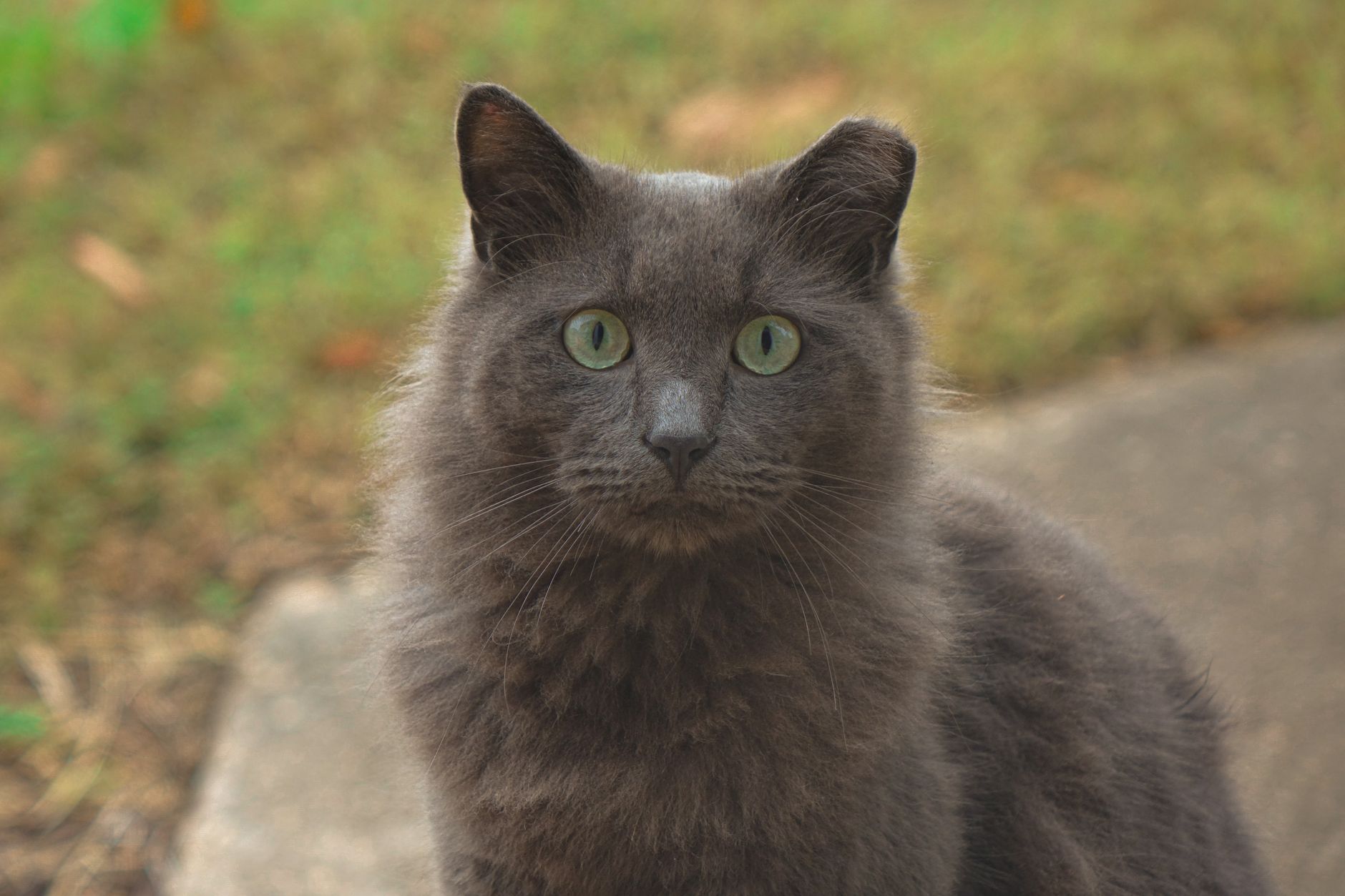
The Chantilly-Tiffany is an exceptionally rare, semi-longhaired feline treasure known for its warm chocolate coat and sweet, chirping voice. In my practice, I find they are deeply devoted companions that thrive best in calm, attentive households where they aren’t left alone for long stretches, as their highly social nature makes them prone to separation distress.
Quick Facts
- origin countryUnited States
- breed groupNot universally recognized (historically Foreign Longhair)
- sizeMedium
- weight range6 to 12 lbs (2.7 to 5.4 kg)
- height range10 to 12 inches (25 to 30 cm)
- lifespan14 to 16 years
- coat typeSemi-longhair, silky, single coat
- common colorsChocolate, blue, cinnamon, lilac, fawn
- other namesTiffany, Foreign Longhair
- recognized byACFA, TCA, UFO
Caring for a Chantilly-Tiffany
Living with a Chantilly-Tiffany is like having a gentle, silky shadow that follows you from room to room, offering soft trills instead of loud meows. Because they have a single coat with no dense undercoat, grooming is surprisingly manageable, but they require consistent mental engagement. In my clinical experience, these cats do not do well in chaotic, high-turnover environments; they crave predictability and deep human connection. You will need to dedicate daily time to interactive play and establish a strict ear-cleaning routine to prevent wax-induced infections.
Is a Chantilly-Tiffany a good family pet?
Yes, they are highly affectionate and form deep bonds with children who respect their space, though they prefer a quieter household overall. They do best with families who have a predictable schedule and plenty of time to engage with them.
Do Chantilly-Tiffanys shed a lot?
They are moderate shedders, but because they lack a fluffy undercoat, their silky fur doesn’t mat or float around the house as intensely as other longhairs. A thorough brushing twice a week is usually sufficient to manage loose hair.
Is a Chantilly-Tiffany good for first-time owners?
They are excellent for first-time owners due to their docile, loving temperament, provided the owner works from home or has plenty of time to dedicate to them. They can become quite depressed and anxious if left alone for standard 10-hour workdays.
Temperament & Personality
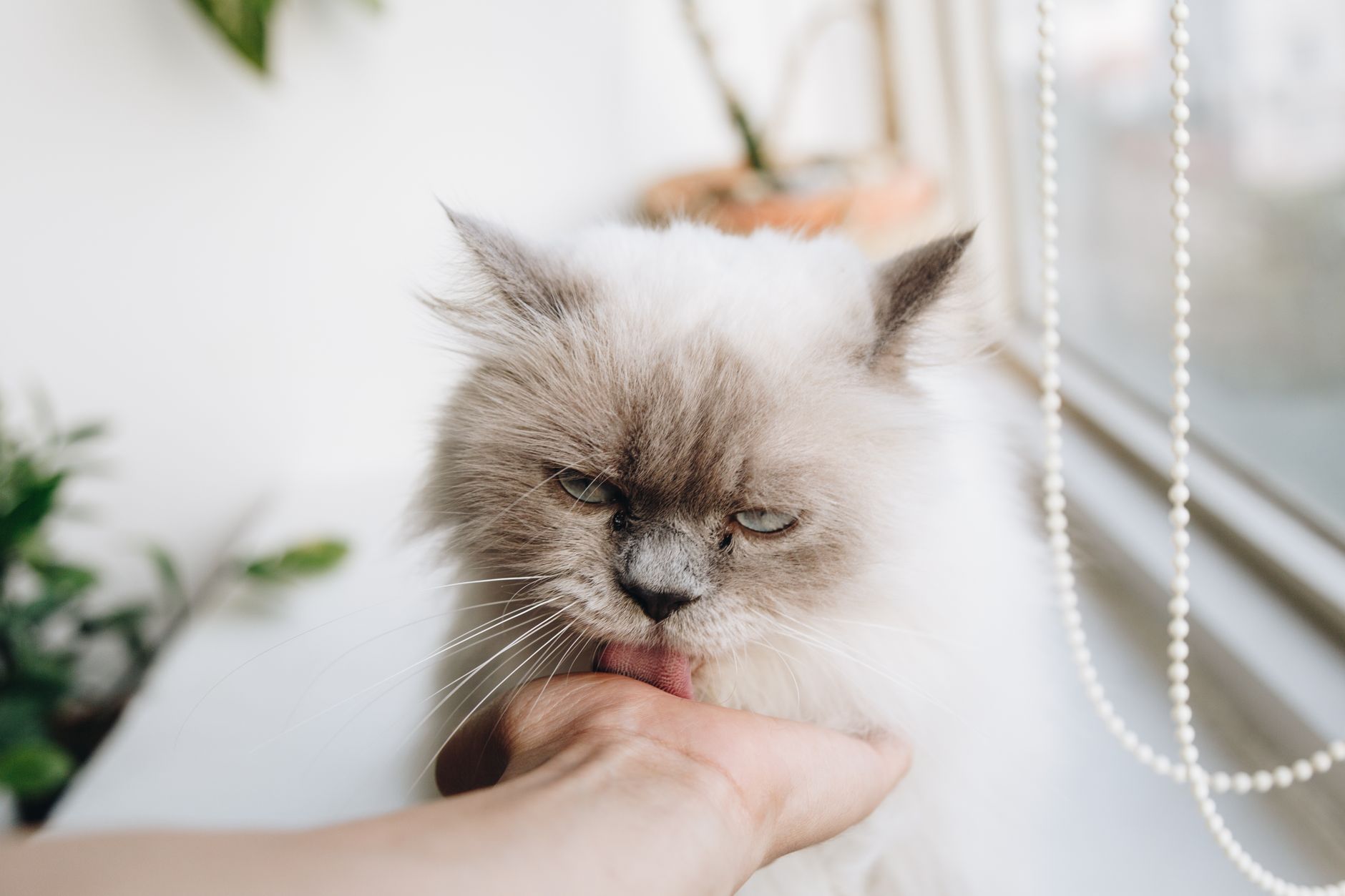
The Chantilly-Tiffany is the ultimate ‘velcro cat’—deeply devoted, calm, and highly communicative through quiet, musical chirps rather than demanding meows. They are notoriously selective, often bonding intensely with one or two primary caregivers while remaining politely reserved around strangers. In the clinic, they are typically model patients, preferring to melt into their owner’s arms rather than show aggression. They possess a moderate energy level, balancing serene lounge sessions with bursts of playful curiosity.
Is a Chantilly-Tiffany good with other pets?
Yes, they generally cohabitate beautifully with other gentle cats and cat-friendly dogs. In my experience, they prefer peaceful companions over highly energetic, rambunctious pets who might overwhelm them.
How much attention does a Chantilly-Tiffany need?
They require a significant amount of daily interaction and do not tolerate isolation well. If you work long hours, I strongly recommend adopting a bonded pair or ensuring they have a friendly companion animal to prevent separation anxiety.
Training & Behavior
Highly intelligent and eager to please, the Chantilly-Tiffany responds exceptionally well to positive reinforcement and gentle training methods. They love interactive puzzles and can easily learn basic commands, fetch, or even leash-walking if started young. I always warn owners that their sensitivity means harsh corrections will completely break their trust, so patience is key.
Training Tips
- Use positive reinforcement with high-value treats like freeze-dried chicken
- Keep training sessions short, under 5 minutes, to match their focus span
- Introduce clicker training early to channel their high intelligence
- Never use loud or physical corrections, as they shut down easily when stressed
- Incorporate food puzzles to stimulate their problem-solving instincts
Fun Activities
- Playing fetch with lightweight crinkle balls
- Navigating gentle agility courses or tunnel runs
- Leash-walking in quiet, secure outdoor areas
- Solving advanced interactive treat puzzle boards
- Chasing feathered wand toys in supervised play sessions
Is a Chantilly-Tiffany easy to train?
Yes, they are highly trainable due to their intelligence and desire for human approval. They pick up on household routines quickly and can easily be trained to use scratching posts or perform simple tricks.
Chantilly-Tiffany Health Issues
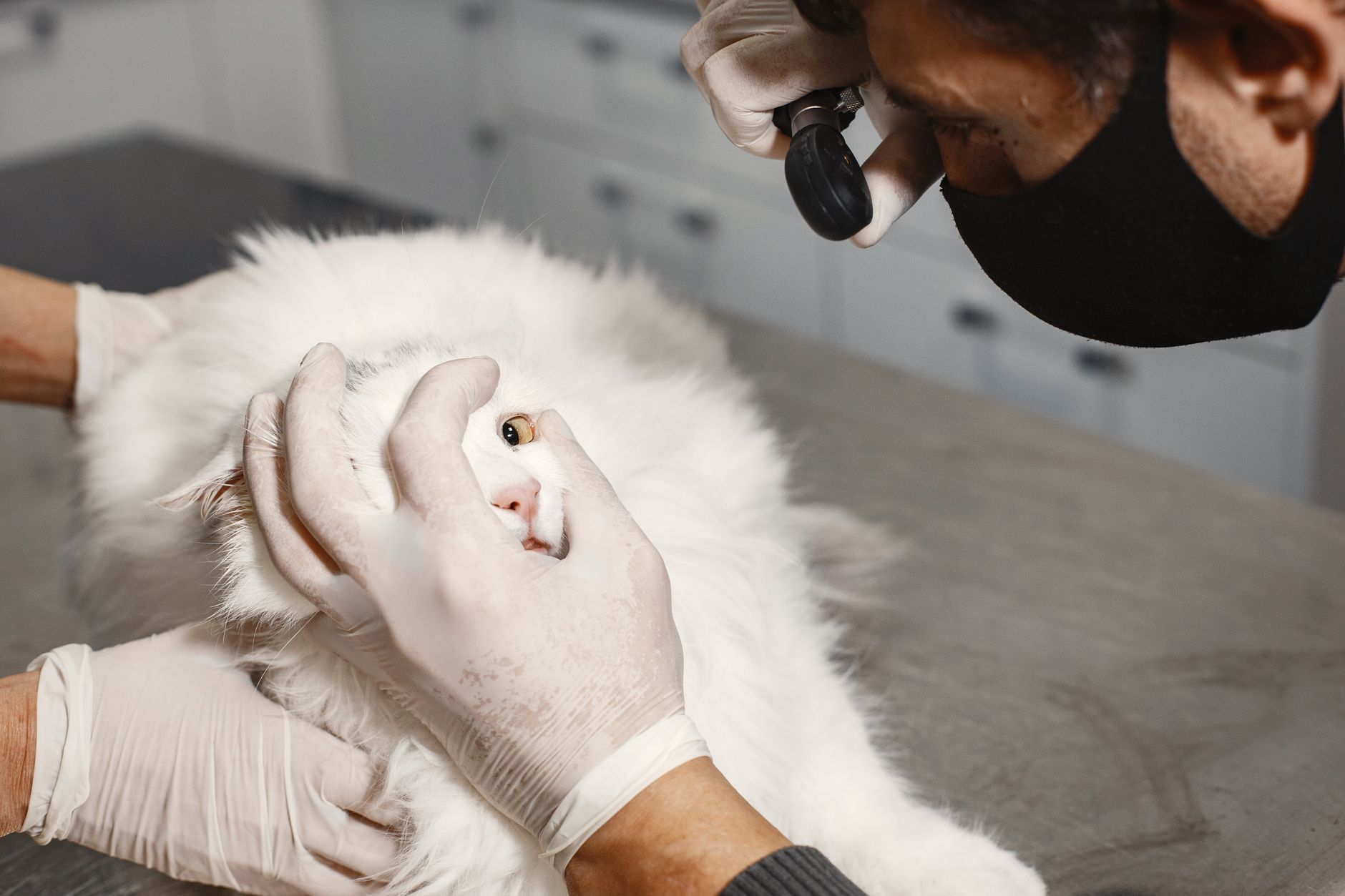
While generally a robust and long-lived breed, the Chantilly-Tiffany’s relative rarity means genetic diversity can be narrow, making them prone to specific hereditary and anatomical predispositions. In my practice, the two most common issues I manage in this breed are chronic ear wax impaction and digestive sensitivities.
Excessive Ear Wax Accumulation
Their ear canals are structurally prone to producing copious amounts of dark, waxy discharge, which easily traps bacteria and yeast if not regularly cleaned. Left untreated, this leads to chronic otitis externa and painful infections.
Dietary Sensitivity and IBD
Many Chantilly-Tiffanys have highly sensitive gastrointestinal tracts that react poorly to low-quality fillers, leading to vomiting, diarrhea, or Inflammatory Bowel Disease (IBD). They require highly digestible, premium protein sources.
Feline Obesity
Because they are relatively calm and love food, they can rapidly put on excess weight as they age, which places severe stress on their joints and increases diabetes risks. Monitoring caloric intake is non-negotiable.
Anxiety-Induced Grooming
Due to their highly sensitive and attachment-prone nature, prolonged isolation or household stress can trigger compulsive over-grooming, leading to bald patches.
How long do Chantilly-Tiffanys typically live?
With proper nutrition, regular veterinary care, and an active lifestyle, they typically enjoy a long lifespan of 14 to 16 years, with some reaching 18.
What to Feed a Chantilly-Tiffany
Feeding a Chantilly-Tiffany requires a mindful approach to prevent both obesity and digestive upset. In my clinic, I consistently find that these cats thrive on grain-free, high-protein wet diets that support their sensitive stomachs and keep their silky coats lustrous.
Best Diet
A premium, meat-first wet food (such as chicken, turkey, or rabbit) with limited ingredients to minimize GI irritation. Avoid heavy grain fillers or soy, which often trigger loose stools in this breed.
How to Feed
Divide their daily caloric intake into 2 to 3 small, scheduled meals rather than free-feeding. Free-feeding dry kibble is the primary driver of obesity and digestive sluggishness in this breed.
How Much to Feed
Generally, an adult cat weighing 10 lbs needs about 200 to 250 calories per day, but you must consult your veterinarian to adjust this based on their exact weight, activity level, and body condition score.
Nutritional Tips
Incorporate a high-quality Omega-3 fatty acid supplement (like wild-caught salmon oil) to support their single, silky coat and maintain skin barrier health, alongside prebiotics for digestive support.
Chantilly-Tiffany Grooming Guide
Despite their luxurious appearance, grooming a Chantilly-Tiffany is surprisingly low-maintenance because they lack a dense, woolly undercoat. However, they do require consistent ear hygiene and dental maintenance to prevent clinical issues down the road.
Coat Care
Brush their silky coat twice a week with a soft slicker brush or steel comb to remove loose hairs and prevent the occasional mat behind the ears or in the armpits.
Skin Care
Their skin is generally healthy, but look out for dry flakes or redness, which usually point to dietary allergies or excessive bathing. Bathing is rarely needed unless they soil themselves.
Eye Care
Wipe any minor corner-of-the-eye crusting weekly with a damp, warm cotton round, using a separate round for each eye to prevent cross-contamination.
Ear Care
This is critical: clean their ears every 1-2 weeks using a vet-recommended, ceruminolytic (wax-dissolving) ear cleaner to prevent heavy wax blockages.
Nail & Dental Care
Clip their claws every 2 to 3 weeks, and brush their teeth daily with veterinary enzymatic toothpaste to combat periodontal disease.
Considerations for Pet Parents
Pros
- Extremely affectionate and deeply loyal companions
- Silky coat is easier to groom than most longhaired breeds
- Quiet, musical voice is pleasant and never demanding
- Highly intelligent and easily trained
- Adaptable to peaceful apartments and multi-pet homes
Cons
- Prone to separation anxiety if left alone too long
- Highly rare breed, making them extremely difficult to source
- Prone to heavy ear wax accumulation requiring frequent cleaning
- Sensitive digestive systems require premium, strict diets
Best For
Individuals or families who work from home, retired couples, or quiet households where the cat can be a constant, integrated companion. They excel with owners who can dedicate time to daily grooming, ear cleaning, and interactive play.
Not Recommended For
Busy professionals who travel frequently or are out of the house 10+ hours a day, or highly chaotic households with very young, rowdy children who might stress this sensitive and quiet breed.
Cost
- purchase price$800 – $1,500 (Note: Finding an authentic breeder is exceptionally difficult due to the breed’s near-extinction status)
- monthly cost$80 – $130
- initial setupExpect to spend $400 – $600 initially on essential supplies, including a high-quality cat tree, scratching posts, grooming combs, a premium ear cleaning solution, and high-protein starter food.
Similar Breeds


Chantilly-Tiffany FAQs
Are Chantilly-Tiffanys extinct?
While not officially declared extinct, the Chantilly-Tiffany is critically rare, with almost no active, registered breeding programs remaining today. Many cats sold under this name are actually domestic longhairs or other breeds with similar physical characteristics.
Why does my Chantilly-Tiffany make chirping sounds?
Chirping and trilling are the primary vocalizations of this breed. They rarely meow loudly, preferring these quiet, musical sounds to communicate their affection, excitement, or requests for food with their owners.
How often should I clean my Chantilly-Tiffany’s ears?
I recommend checking their ears weekly and cleaning them every 10 to 14 days using a veterinarian-approved ear cleaner. Their unique ear anatomy predisposes them to rapid, heavy wax buildup, which can quickly lead to painful yeast infections if neglected.
Do Chantilly-Tiffanys get along with dogs?
Yes, they are generally very peaceful and can thrive alongside dogs. However, because they are a gentle and somewhat sensitive breed, they do best with calm, cat-friendly dogs who will respect their boundaries and not chase them.
What is the difference between a Chantilly and a Tiffany?
They are the exact same breed. Originally named ‘Tiffany’ in the late 1960s, the breed’s name was changed to ‘Chantilly’ (often hyphenated as Chantilly-Tiffany) in the 1980s to avoid confusion with the ‘Tiffanie’ breed registered in the UK, which is a completely different crossbreed.
What is the characteristic color of a Chantilly-Tiffany?
The signature and most famous color of the breed is a rich, warm chocolate brown. However, they also come in other beautiful solid and tabby colors, including blue, cinnamon, lilac, and fawn, all paired with striking yellow-to-amber eyes.
How can I prevent my Chantilly-Tiffany from getting depressed?
Provide plenty of mental stimulation, daily interactive play, and avoid leaving them alone for long periods. If you must be away, leaving hidden treat puzzles, interactive toys, or getting them a companion animal can help mitigate their separation anxiety.
Are they hypoallergenic?
No, they are not hypoallergenic. While they lack a dense undercoat, which means less flying dander, they still produce the Fel d 1 protein in their saliva, skin, and urine, which is the primary trigger for cat allergies.
Do they require professional grooming?
Generally, no. Because they have a single, silky coat, they are relatively easy to groom at home. A thorough twice-weekly brushing, regular ear cleaning, and nail trims are all that’s needed, saving you frequent trips to a professional groomer.
Why does my Chantilly-Tiffany have a sensitive stomach?
The breed is genetically prone to gastrointestinal sensitivities. Low-quality commercial diets with high grain fillers or artificial additives frequently cause them to experience soft stools or vomiting, making a premium, limited-ingredient diet highly advisable.
Do they like to climb and jump?
Yes, they enjoy climbing and surveying their territory from a safe height. Providing a sturdy cat tree or window perches will satisfy this natural instinct and help keep them active, helping to combat their tendency toward obesity.
How do I know if my cat is a real Chantilly-Tiffany?
Without certified pedigree paperwork from a historical breeder, it is highly unlikely a chocolate-colored longhaired cat is a purebred Chantilly-Tiffany due to their extreme rarity. However, many domestic longhairs share their wonderful traits and look strikingly similar!