
American Curl Breed Guide

Quick Summary
The American Curl is a medium-sized, strikingly unique cat famed for its backward-curving ears and delightfully youthful ‘Peter Pan’ personality. Extremely affectionate and highly interactive, they thrive in active households where they can participate in daily family life. I’ve always recommended them to owners who want an attentive, dog-like companion who remains playful well into their senior years.
Quick Facts
- origin countryUnited States
- breed groupChampionship (CFA, TICA)
- sizeMedium
- weight range5 to 10 pounds (females), 7 to 12 pounds (males)
- height range9 to 12 inches
- lifespan12 to 16+ years
- coat typeShort or Semi-Long, flat-lying with minimal undercoat
- common colorsAll colors and patterns, including pointed, tortoiseshell, tabby, and solid
- other namesCurl
- recognized byCFA, TICA, FIFe, ACFA, CCA
Caring for a American Curl
Living with an American Curl is like having a permanent kitten in the house. They are incredibly people-focused, often following you from room to room and gently nudging you for attention. I’ve found that their minimal undercoat makes grooming surprisingly easy, but you must be incredibly gentle with their unique ears, which contain delicate, rigid cartilage. They adapt beautifully to indoor environments as long as they have plenty of mental stimulation and vertical space to explore.
Is a American Curl a good family pet?
Absolutely, they are phenomenal family pets who genuinely adore children and actively seek out their company. I’ve watched them eagerly join in on games that would send other cats hiding under the bed. Their highly social nature means they fit seamlessly into active households.
Do American Curls shed a lot?
No, they shed very little compared to many other breeds. Because they lack a dense undercoat, both the short-haired and long-haired varieties are incredibly low-maintenance. A quick weekly brush is usually all it takes to keep their silky coat in top condition.
Is a American Curl good for first-time owners?
Yes, I highly recommend them for novices because of their forgiving, highly adaptable, and friendly disposition. Unlike some demanding exotic breeds, they are emotionally balanced and eager to please. Just be prepared for their high energy and desire to be involved in everything you do.
Temperament & Personality

The American Curl is widely celebrated for its ‘Peter Pan’ temperament, meaning they retain their playful, inquisitive kitten behavior throughout their entire adult lives. They are not demanding or loud, but they are incredibly observant and love to assist you with household tasks. In my years working with them, I’ve noticed they have a unique way of ‘cooing’ or chirping to communicate rather than meowing loudly. They are socially confident, welcoming strangers and houseguests with a polite, curious sniff.
Is a American Curl good with other pets?
Yes, they are highly gregarious and typically welcome other cats and dog-friendly canines with ease. I often advise owners to introduce them slowly, but their naturally confident and non-aggressive temperament makes multi-pet integrations remarkably smooth.
How much attention does a American Curl need?
While they aren’t pathologically needy, they do crave human interaction and do not do well if left completely alone for long stretches. I always suggest that busy owners get a second pet to keep their Curl company during work hours.
Training & Behavior
Because they are exceptionally bright and highly motivated by human interaction, American Curls are an absolute joy to train. They learn household rules quickly and are notorious for teaching themselves how to open doors and cabinets using their dexterous paws. I’ve successfully trained Curls to fetch toys, walk on a harness, and even perform basic agility commands using positive reinforcement.
Training Tips
- Use positive reinforcement with high-value treats
- Keep sessions short, around 5 minutes, to match their active minds
- Introduce harness training early at 4 to 6 months of age
- Childproof your cabinets, as they will learn to open them
- Utilize clicker training for complex tricks
Fun Activities
- Interactive fetch with crinkle balls
- Navigating cat agility courses
- Learning to walk on a leash and harness outdoors
- Puzzle feeders that challenge their problem-solving skills
- High-perch bird watching from secure window spots
Is a American Curl easy to train?
Yes, they are exceptionally easy to train compared to the average cat. Their desire to interact with humans, combined with their high intelligence, makes them highly responsive to clicker training and treat-based conditioning.
American Curl Health Issues
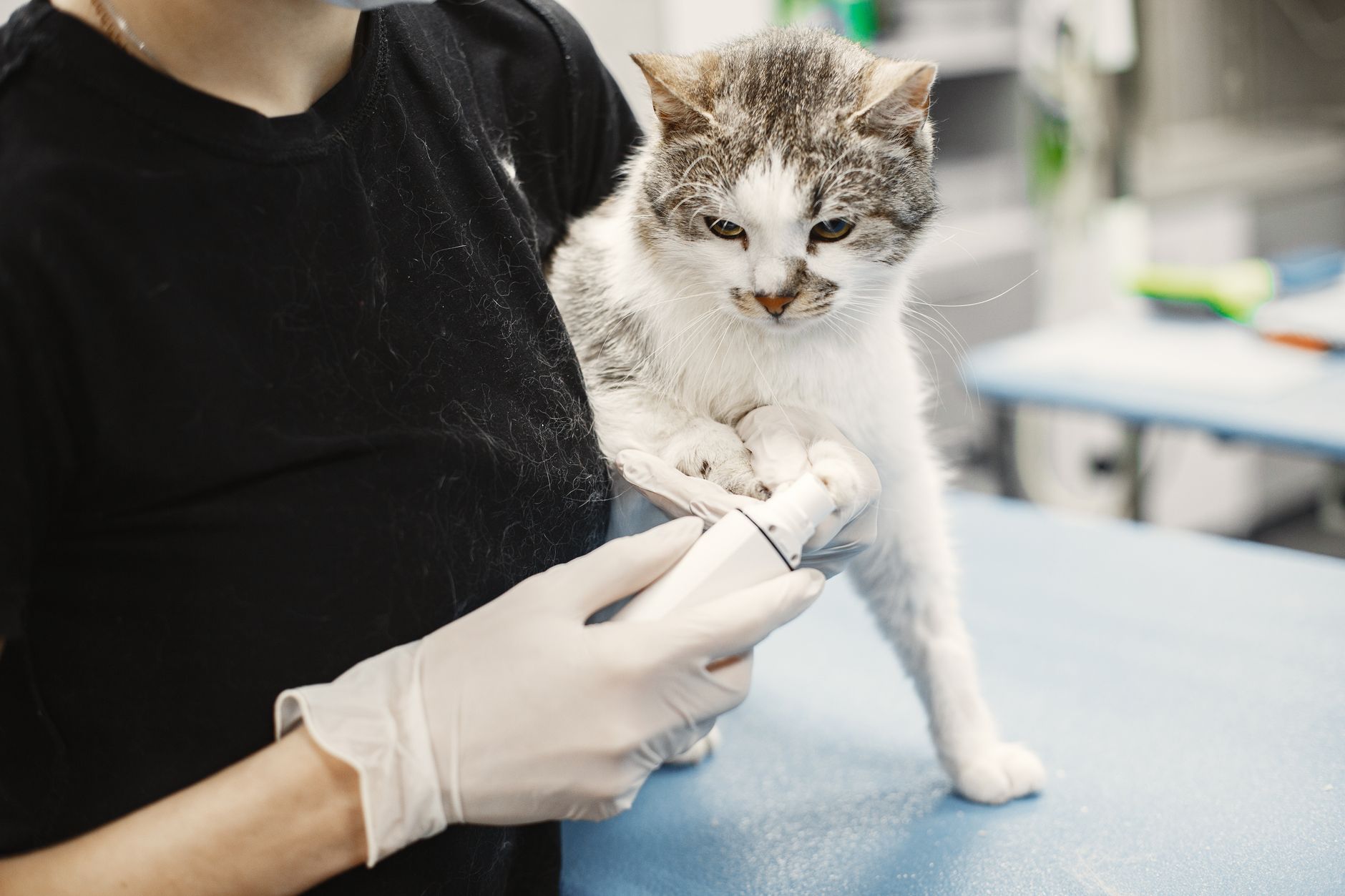
Thanks to a diverse genetic pool established through extensive outcrossing, the American Curl is one of the healthiest and most structurally sound pedigree breeds in existence. They do not carry major breed-specific genetic skeletal issues, but their unique ear structure does require close monitoring. Regular veterinary check-ups and standard preventative care will help ensure they live a long, healthy life.
Narrow Ear Canals
Some Curls can be born with naturally narrow ear canals, which can trap wax, moisture, and debris. This environment creates a breeding ground for yeast and bacterial ear infections if left unmanaged.
Ear Cartilage Damage
The cartilage that gives the ears their signature curl is firm and can easily fracture or become damaged if handled roughly. It is critical that family members, especially children, are taught never to bend or force the ears into unnatural positions.
Progressive Retinal Atrophy (PRA)
Though rare, PRA has been noted in some lines of American Curls. This is an inherited degenerative eye disease that leads to progressive vision loss and eventual blindness.
Hypertrophic Cardiomyopathy (HCM)
As with all domestic cats, Curls can be susceptible to HCM, a condition characterized by the thickening of the heart muscle walls, which can lead to heart failure.
How long do American Curls typically live?
With proper care, a high-quality diet, and regular veterinary checkups, American Curls typically live between 12 and 16 years. Many well-cared-for indoor Curls easily reach their late teens.
What to Feed a American Curl
Maintaining a lean body condition is essential for the American Curl, as excess weight puts unnecessary strain on their joints. I always tell owners to feed a high-protein, low-carbohydrate diet that reflects their carnivorous nature.
Best Diet
A balanced mix of high-quality commercial wet food and dry kibble formulated for active cats is ideal. Look for diets where real meat (such as chicken, turkey, or salmon) is the first ingredient, and avoid heavy fillers.
How to Feed
I recommend feeding adult Curls two measured meals a day rather than free-feeding, which can easily lead to obesity. Kittens require three to four smaller meals daily to support their rapid growth and high energy demands.
How Much to Feed
Generally, an adult Curl needs about 200 to 250 calories per day, but this varies widely by weight, age, and activity level. Always consult your veterinarian to establish a precise caloric plan tailored to your cat’s specific metabolism.
Nutritional Tips
Ensure they always have access to fresh, running water, preferably from a cat fountain, as Curls are fascinated by moving water and it encourages healthy hydration to prevent urinary issues.
American Curl Grooming Guide
Grooming an American Curl is a breeze compared to many other long-haired or heavy-coated breeds. Their silk-like coat lacks a dense undercoat, making it highly resistant to matting and tangling.
Coat Care
A gentle combing once or twice a week with a high-quality steel comb is more than enough to remove loose hairs. For the shorthaired variety, a quick wipe down with a rubber grooming mitt works perfectly.
Skin Care
Their skin is generally healthy, but ensure you feed a diet rich in Omega-3 fatty acids to keep their skin supple and their coat gleaming.
Eye Care
Wipe any corner discharge gently with a soft, damp cloth if needed, using a clean section of the cloth for each eye.
Ear Care
Check their ears weekly for wax buildup. Use a vet-approved ear cleaner and a cotton ball to gently wipe the visible outer ear, taking extreme care not to bend the rigid cartilage.
Nail & Dental Care
Trim their nails every two to three weeks, and brush their teeth at least three times a week with veterinary-approved enzyme toothpaste to prevent periodontal disease.
Considerations for Pet Parents
Pros
- Endlessly playful and kitten-like throughout their entire lives
- Exceptionally affectionate and highly bonded to their human families
- Very low-maintenance grooming requirements due to minimal undercoat
- Highly intelligent and easily trained to do tricks and walk on leash
- Generally robust and healthy with very few genetic diseases
- Fascinating and unique aesthetic with their curled ears
Cons
- Delicate ear cartilage requires extremely gentle handling
- Prone to earwax buildup and requires regular ear inspections
- Can be prone to separation anxiety if left alone for long periods
- Hard to find due to being a relatively rare and sought-after breed
Best For
Active families, multi-pet households, and individuals who want a highly interactive, dog-like cat companion. They are wonderful for those who can dedicate time to daily play and mental stimulation.
Not Recommended For
Homes with very young toddlers who cannot understand how to handle the cat’s delicate ears safely. It is also not ideal for owners who are away from home for 10-12 hours a day without other pets to keep them company.
Cost
- purchase price$1,000 to $2,500
- monthly cost$80 to $150
- initial setupInitial costs include spaying/neutering, microchipping, vaccines, and purchasing essentials like a cat tree, scratchers, and ear-safe grooming supplies, totaling around $500 to $800.
Similar Breeds
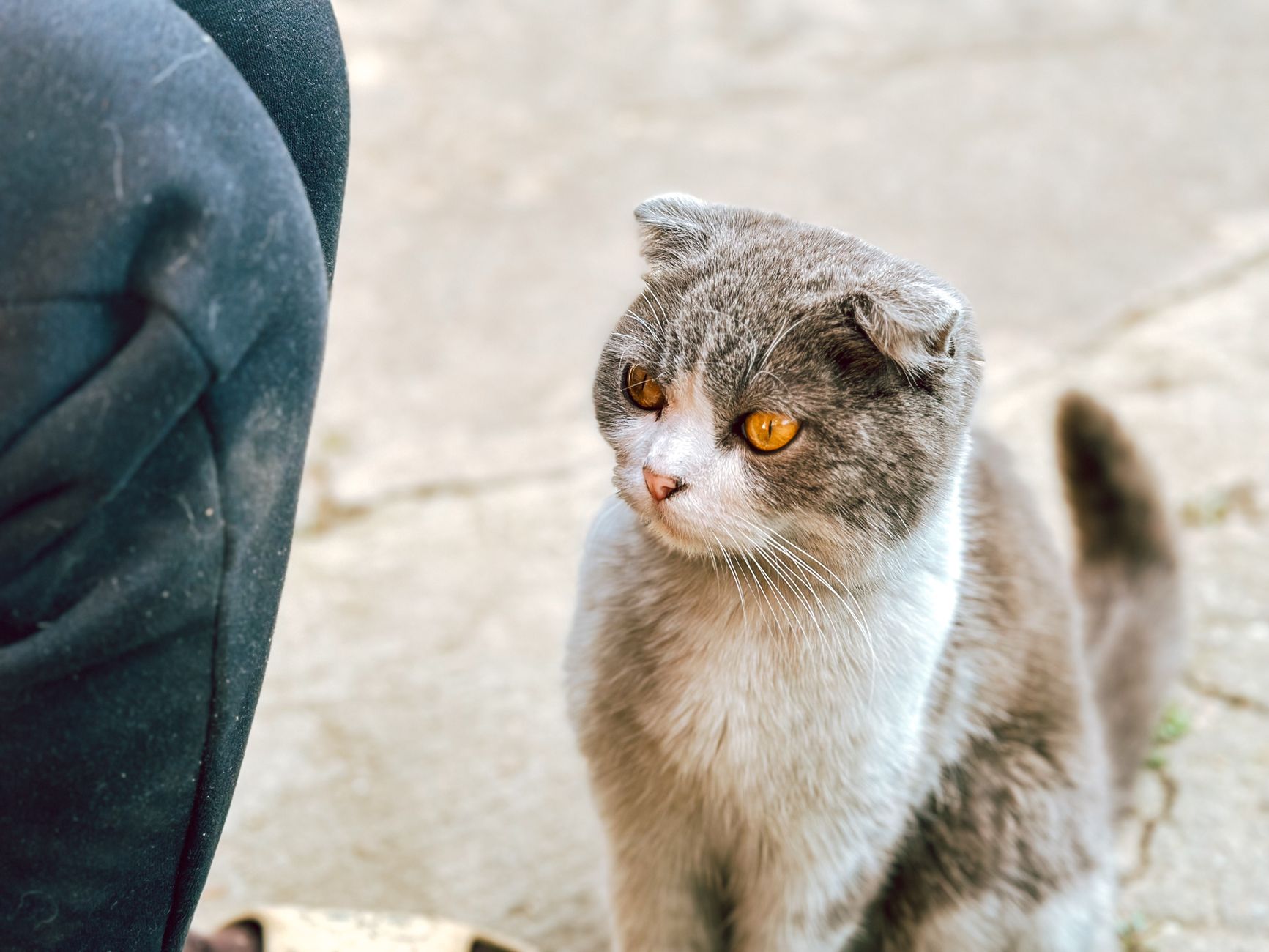
Scottish Fold

American Shorthair
American Curl FAQs
Why are the American Curl’s ears curled backward?
The unique backward curl is the result of a natural genetic mutation discovered in California in 1981. It is caused by an autosomal dominant gene, which means a cat only needs one copy of the gene to express the curled ears.
Are American Curl kittens born with curled ears?
No, all American Curl kittens are born with straight ears. The curl begins to develop and tighten when they are between 2 to 10 days old, and the ears will go through various phases of curling and uncurling before permanently settling into their final shape by around 4 months of age.
Do all American Curls have curled ears?
No, because the curl gene is dominant, some kittens in a litter may not inherit it and will have straight ears. These straight-eared cats still carry the breed’s wonderful temperament and can be used in breeding programs, but they cannot compete in the championship class at cat shows.
How fragile are an American Curl’s ears?
The cartilage in their ears is quite firm, resembling a human ear, and can be easily fractured or damaged if bent forward or handled roughly. I always caution owners to never pull on, fold, or force their ears into unnatural positions, and to teach children to handle them with extreme care.
Do American Curls require special ear cleaning?
Yes, because of the unique shape of their ear canals, they can accumulate wax more quickly than other breeds. I recommend checking their ears weekly and using a vet-approved liquid ear cleaner to gently wipe away debris without digging deep into the canal.
Are American Curls hypoallergenic?
No, they are not hypoallergenic. While they do shed very little due to their lack of a dense undercoat, they still produce the Fel d 1 protein in their saliva, dander, and urine, which is the primary trigger for cat allergies.
Are they very vocal cats?
No, they are generally very quiet cats who do not meow excessively. Instead of loud meows, they tend to communicate with sweet, quiet trills, chirps, and cooing sounds when they want to grab your attention.
Do American Curls like to jump and climb?
Yes, they are highly active and agile cats who love to survey their kingdom from high vantage points. I highly recommend providing them with tall cat trees, window perches, and wall-mounted shelves to satisfy their natural climbing instincts.
Are they prone to obesity?
Like many domestic cats, they can become overweight if they are overfed and under-exercised. Because they are moderately active, keeping them on a strict meal schedule rather than leaving food out all day is the best way to prevent excess weight gain.
Can they live happily in an apartment?
Yes, they adapt wonderfully to apartment living as long as you provide them with plenty of vertical space, interactive toys, and daily playtime. Their quiet nature also makes them excellent neighbors in apartment buildings.
How do they handle being left alone?
They are highly social and can become lonely or stressed if left completely alone for long periods. If you work long hours, I strongly recommend adopting them in pairs or ensuring they have another friendly pet in the home to keep them company.
What is the difference between a Scottish Fold and an American Curl?
The main difference lies in their ears and the genes responsible for them. The Scottish Fold’s ears fold forward and downward due to an incomplete dominant gene that affects all skeletal cartilage, whereas the American Curl’s ears curl backward and upward, affecting only the ear cartilage without any associated painful skeletal deformities.
Is the semi-longhair coat hard to groom?
Surprisingly, no. Even the semi-longhaired American Curl is very easy to groom because their coat has a very fine, silky texture with virtually no undercoat. This unique coat structure means it rarely mats or tangles, needing only a weekly brush.
Can American Curls go outside?
It is safest to keep American Curls strictly indoors to protect them from infectious diseases, traffic, predators, and theft. However, they can enjoy the outdoors safely if trained to walk on a harness or if given access to a secure, enclosed outdoor cat patio (catio).
How do I know if my American Curl’s ears have a ‘show-quality’ curl?
For cat shows, judges look for a curl angle between 90 and 180 degrees, resembling a graceful crescent shape. However, regardless of the degree of curl, all Curls make equally fantastic, loving pets and companions.