
Bengal Longhair Breed Guide

Quick Summary
The Bengal Longhair, also known as the Cashmere Bengal, is a rare and striking semi-longhaired feline that combines the wild, athletic grace of the traditional Bengal with a plush, silky coat. They are highly active, extremely intelligent, and demanding companions best suited for dynamic households that can commit to intensive mental and physical enrichment.
Quick Facts
- origin countryUnited States
- breed groupChampionship (TICA)
- sizeMedium to Large
- weight range8 – 15 lbs (3.6 – 6.8 kg)
- height range8 – 10 inches (20 – 25 cm)
- lifespan12 – 16 years
- coat typeSemi-longhair, dense, silky, and plush (often called ‘Cashmere’)
- common colorsBrown spotted/marbled tabby, Silver, Snow (Seal Lynx, Seal Mink, Seal Sepia), Charcoal
- other namesCashmere Bengal, Long-haired Bengal
- recognized byTICA, FIFe
Caring for a Bengal Longhair
Living with a Bengal Longhair is like sharing your home with a small, silky wildcat on an endless caffeine rush. In my years treating this breed, I have found that they do not simply cohabit with you; they demand to participate in every household activity, from showers to cooking. They require significant mental stimulation, physical outlets, and structural vertical space to prevent destructive behavior. Their unique coat is surprisingly low-maintenance compared to other longhairs, but their social and environmental needs are exceptionally high.
Is a Bengal Longhair a good family pet?
Yes, they make excellent family pets for active households with older, respectful children who can engage them in play. However, their high energy and physical intensity can occasionally overwhelm toddlers or very young children.
Do Bengal Longhairs shed a lot?
Surprisingly, they shed less than most other semi-longhair breeds because they lack a dense, woolly undercoat. Their silky fur resists matting and typically only requires a thorough weekly brushing to manage dead hair.
Is a Bengal Longhair good for first-time owners?
Generally, no, I do not recommend them for novices. Their extreme intelligence, high exercise requirements, and potential for vocal behavioral issues when bored usually require an experienced owner who understands feline enrichment.
Temperament & Personality

The Bengal Longhair is a highly intelligent, inquisitive, and relentlessly energetic breed. Unlike standard lap cats, they are constantly patrolling their territory, opening cabinets, and solving puzzles. They form incredibly strong, dog-like bonds with their chosen humans and will follow them from room to room, vocalizing their opinions in a distinct, raspy meow. If you want a quiet, ornamental cat, this is absolutely not the breed for you.
Is a Bengal Longhair good with other pets?
They generally thrive with other high-energy pets, such as other Bengals or active, cat-friendly dogs, which helps burn off their excess energy. However, due to their exceptionally high wild prey drive, they should never be trusted around small pocket pets, birds, or reptiles.
How much attention does a Bengal Longhair need?
They need a massive amount of daily attention and active engagement. Leaving a Bengal Longhair alone for long hours without stimulation is a recipe for separation anxiety, loud vocalizing, and creative household destruction.
Training & Behavior
Training a Bengal Longhair is highly rewarding because of their keen intelligence, though they will quickly outsmart you if you aren’t consistent. I highly recommend clicker training early in life to channel their cognitive energy productively. Without structured mental exercise, they will invent their own games, such as flushing toilets, opening doors, or knocking items off shelves.
Training Tips
- Use high-value, meat-based treats for clicker training
- Keep training sessions short (2-5 minutes) to match their fast-paced minds
- Teach them to walk on a harness and leash for safe outdoor enrichment
- Establish clear boundaries early to prevent door-darting or counter-surfing
- Incorporate puzzle feeders for all of their daily dry kibble
Fun Activities
- Leash walking in quiet parks
- Feline agility courses
- Interactive water play in shallow tubs
- High-intensity fetch with felt balls
- Target training and basic obedience tricks
Is a Bengal Longhair easy to train?
Yes, they are among the easiest cats to train because they are highly food-motivated and eager to engage. They can quickly learn to sit, fetch items, shake paws, and walk comfortably on a harness.
Bengal Longhair Health Issues
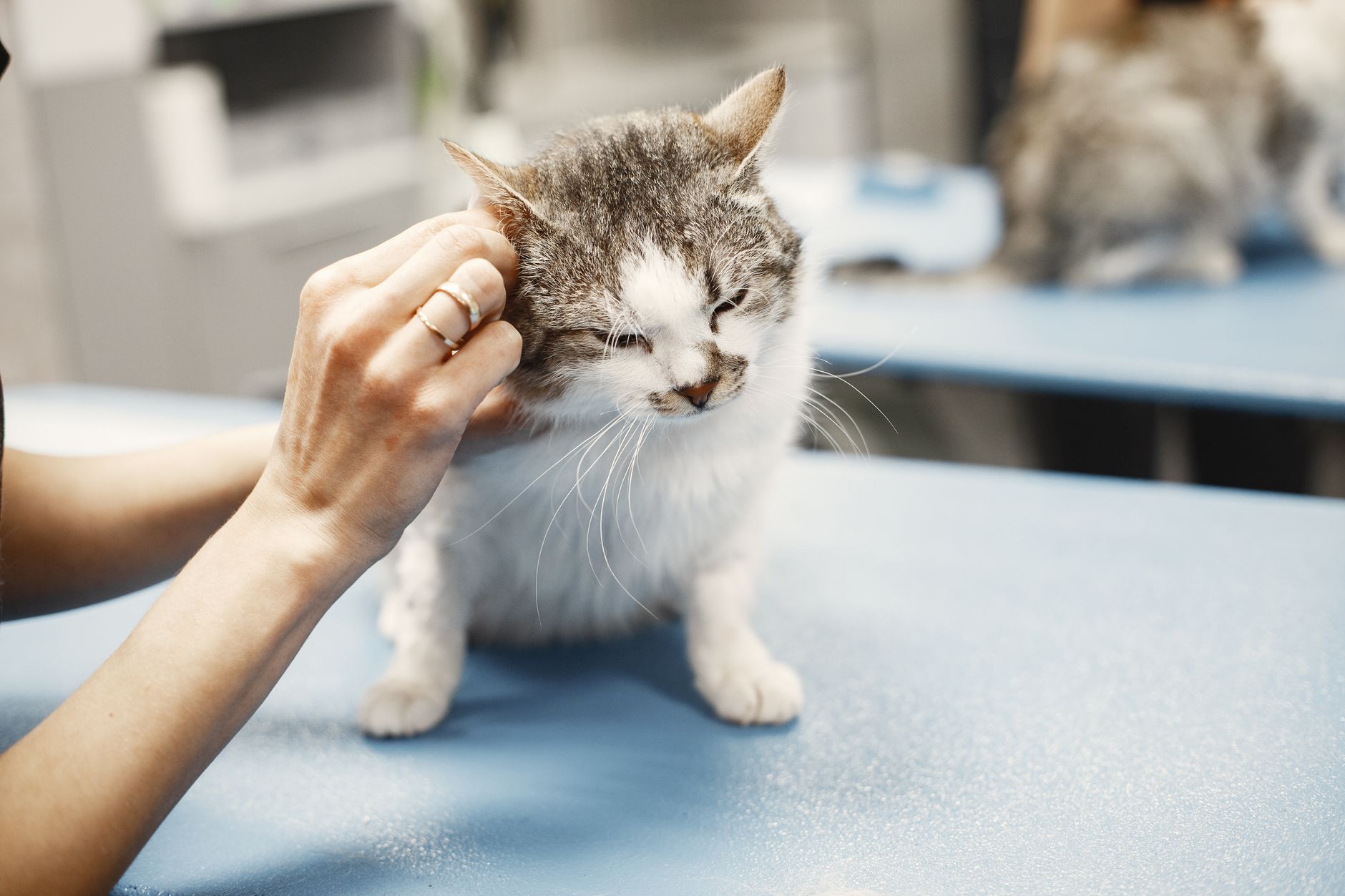
While structurally robust and athletic, Bengal Longhairs are predisposed to several inherited genetic conditions that demand careful screening. In my clinical practice, I emphasize rigorous cardiac monitoring and genetic screening to catch silent conditions before they progress.
Hypertrophic Cardiomyopathy (HCM)
An inherited thickening of the heart muscle, particularly the left ventricle, which can lead to heart failure or sudden death. Diagnosis requires yearly echocardiograms by a board-certified veterinary cardiologist, as genetic tests do not cover all variants.
Progressive Retinal Atrophy (PRA-b)
An autosomal recessive genetic mutation that causes the gradual degeneration of the photoreceptors in the retina, leading to complete blindness. There is no cure, but reputable breeders can screen parents using a simple DNA test.
Pyruvate Kinase Deficiency (PK Def)
An inherited hemolytic anemia caused by the lack of a key enzyme needed for red blood cell metabolism. This leads to the premature destruction of red blood cells, causing chronic or intermittent anemia.
Patellar Luxation
A hereditary condition where the kneecap (patella) slips out of its normal anatomical groove, causing temporary lameness. Grade I to IV cases can occur, with severe cases requiring surgical stabilization to prevent painful osteoarthritis.
Feline Lower Urinary Tract Disease (FLUTD)
Bengals are statistically prone to sterile cystitis (FIC) and bladder stones, often triggered or exacerbated by stress or environmental changes. This can quickly escalate to a life-threatening urethral obstruction in male cats.
How long do Bengal Longhairs typically live?
With excellent veterinary care, high-quality nutrition, and an indoor-only lifestyle, Bengal Longhairs typically live between 12 and 16 years. Regular annual or bi-annual veterinary exams are key to maintaining their longevity.
What to Feed a Bengal Longhair
To fuel their high-octane metabolism and maintain lean muscle mass, Bengal Longhairs require a diet rich in high-quality animal proteins. Cheap fillers and excessive carbohydrates can easily lead to gastrointestinal upset and obesity in less active individuals.
Best Diet
A wet-focused or high-moisture diet rich in real poultry, rabbit, or fish is ideal. I strongly recommend grain-free formulas with named meat sources as the first three ingredients, tailored to their life stage.
How to Feed
Avoid free-feeding dry food, which can lead to overeating and urinary issues. Instead, feed measured meals 2 to 3 times a day, ideally utilizing puzzle toys or lick mats to slow down their eating and provide mental stimulation.
How Much to Feed
Portion sizes should be calculated based on metabolic weight and energy level, usually ranging from 250 to 350 calories per day for an active adult. Always consult your veterinarian to establish a precise caloric goal based on their current body condition score.
Nutritional Tips
Incorporate omega-3 fatty acid supplements (such as wild-caught salmon oil) to support their dense, cashmere-like coat and joint health. Always provide fresh, filtered water, ideally from a circulating pet fountain to encourage drinking.
Bengal Longhair Grooming Guide
Despite the ‘Longhair’ moniker, their coat is actually a semi-longhair ‘Cashmere’ texture that is remarkably fine and single-coated. This unique structure makes it far less prone to severe matting than other longhaired breeds, but it still requires dedicated, routine upkeep.
Coat Care
Brush their coat once or twice a week with a high-quality slicker brush or steel greyhound comb to remove loose undercoat. Increase this to three times a week during seasonal shedding transitions in the spring and fall.
Skin Care
Their skin is generally healthy, but their high-energy nature means they can get dirty during outdoor adventures. Use a mild, cat-safe shampoo for occasional baths if they get visibly soiled or oily.
Eye Care
Gently wipe the inner corners of their eyes with a damp, warm cotton ball if any tear crusting accumulates, using a separate cloth for each eye to prevent cross-contamination.
Ear Care
Check ears weekly for wax buildup or mild redness, which can occur if they play in water. Clean when necessary with a vet-approved, alcohol-free ear cleaner and a cotton round, never a Q-tip.
Nail & Dental Care
Clip nails every 2 to 3 weeks using sharp cat clippers. Introduce daily dental brushing with veterinary enzymatic toothpaste early in kittenhood to combat periodontal disease.
Considerations for Pet Parents
Pros
- Stunningly beautiful, wild look with a luxuriously soft coat
- Highly intelligent and incredibly fun to train
- Deeply loyal and dog-like companion
- Generally low-shedding and low-matting coat for a longhaired breed
- Very playful and active, keeping the household entertained
- Typically gets along well with energetic dogs and other cats
Cons
- Extremely high demand for attention and mental stimulation
- Can become destructive or highly vocal when bored
- Strong wild prey drive makes them unsafe around small pets
- Prone to expensive genetic health issues like HCM
- High initial purchase cost and ongoing premium diet needs
Best For
The ideal owner is an active, experienced cat lover, family, or couple who has plenty of time to dedicate to play, training, and environmental enrichment. They must appreciate a cat that acts more like an intelligent, water-loving dog than a quiet lap feline.
Not Recommended For
This breed is not recommended for busy professionals who are away from home for long periods, novice cat owners, or anyone looking for a quiet, low-maintenance, sedentary lap cat.
Cost
- purchase price$1,500 – $3,500 USD
- monthly cost$120 – $200 USD
- initial setupExpect to spend $500 – $1,000 initially on high-quality vertical trees, sturdy cat wheels, puzzle toys, microchip-activated feeders, and harness gear.
Similar Breeds

Bengal Longhair FAQs
Are Bengal Longhairs hypoallergenic?
No cat is truly hypoallergenic. While some allergy sufferers report fewer symptoms around Bengal Longhairs due to their low-shedding single coat, they still produce the Fel d 1 protein in their saliva and skin dander, which triggers allergies.
Do Bengal Longhairs like water?
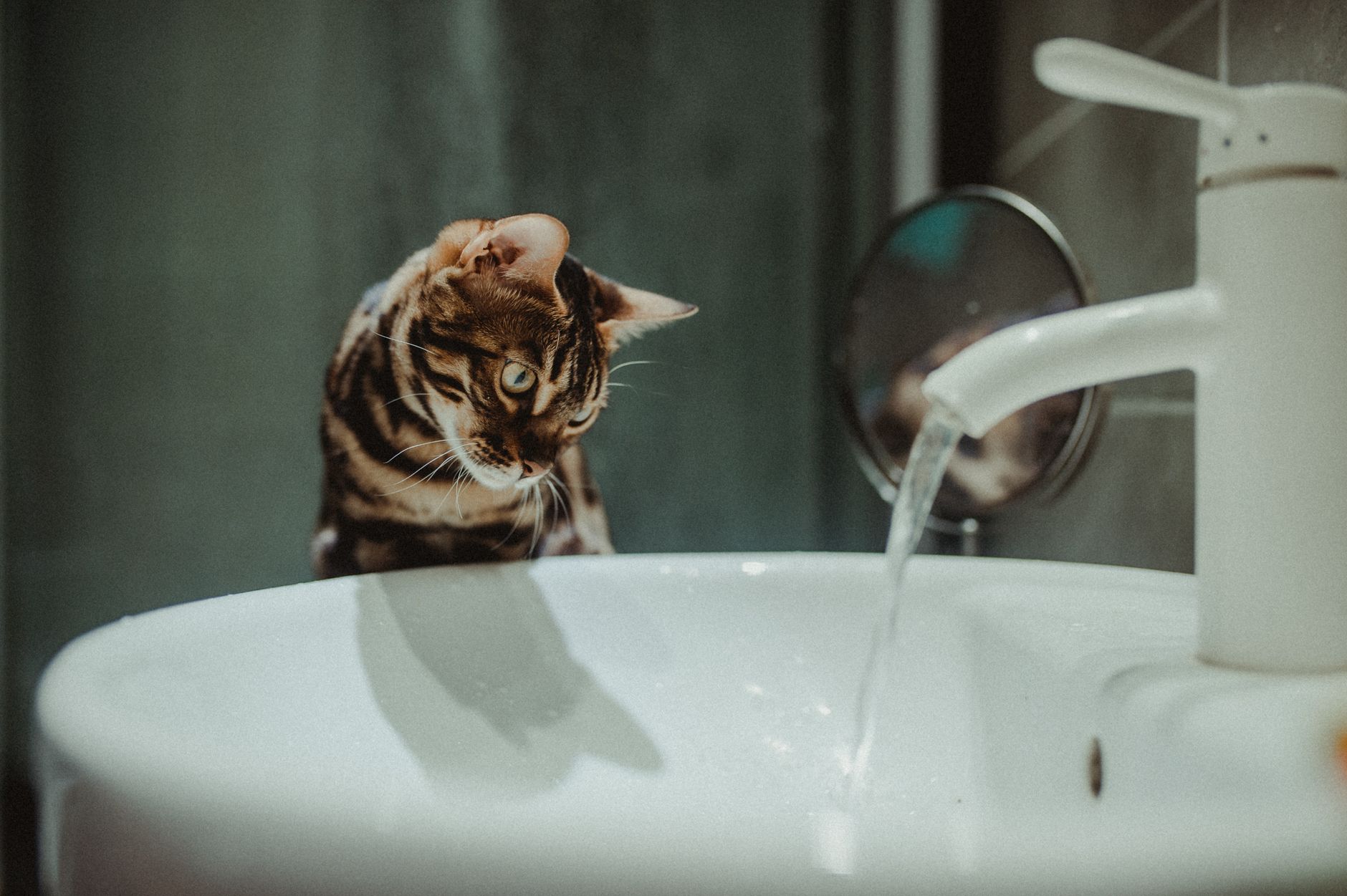
Yes, true to their Bengal ancestry, they are fascinated by water. It is highly common for them to play in their water bowls, join you in the shower, or splash around in a shallow bathtub.
What is the ‘Cashmere’ gene in Bengals?
The Cashmere coat is caused by a recessive longhair gene (mutations in the FGF5 gene) inherited from early outcrosses. When two Bengal carriers mate, they can produce long-haired kittens with a uniquely soft, plush coat.
Are Bengal Longhairs louder than normal cats?
Yes, they are highly vocal cats with a wide range of chirps, trills, and raspy meows. They will loudly let you know when they are hungry, bored, or simply want to chat.
Can a Bengal Longhair be left alone during the work day?
They do not tolerate isolation well. If left alone for standard workdays without a high-energy animal companion or intensive environmental stimulation, they often develop separation anxiety and destructive habits.
Do Bengal Longhairs need a cat wheel?
While not strictly mandatory, a high-quality exercise wheel is highly recommended. It serves as an excellent, safe outlet for them to burn off their explosive energy indoors.
Is it safe to let a Bengal Longhair outside?
They should never be allowed to roam freely outdoors due to their high theft risk, lack of fear, and extreme hunting instinct. However, leash training or a secure outdoor cat enclosure (catio) is highly beneficial.
At what age do Bengal Longhairs reach full size?
They are a slow-maturing breed, often taking up to 1.5 to 2 years to reach their full skeletal size, muscular development, and magnificent adult coat density.
Are Bengal Longhairs aggressive?
They are not inherently aggressive, but their high energy, strong play drive, and frustration when under-stimulated can sometimes be mistaken for aggression. Proper play outlets are critical to prevent rough play biting.
Can Bengal Longhairs jump high?
Yes, they possess incredible athletic power and can easily leap to the top of doors, refrigerators, and high shelves. Vertical territory is an absolute necessity for this breed.
How do you distinguish a Bengal Longhair from a Maine Coon?
While both are large and longhaired, the Bengal Longhair has a distinctly silky, ‘glittered’ cashmere coat without a heavy ruff or ear tufts, and retains the wild, exotic spots or marble patterns of the Bengal.
Are they prone to sensitive stomachs?
Yes, in my clinical experience, Bengals and Bengal Longhairs frequently present with sensitive digestive tracts. They benefit from a highly consistent, premium, protein-rich diet with minimal changes.
Do Bengal Longhairs get along with dogs?
Yes, they often get along spectacularly with energetic, cat-friendly dogs. Their playful, bold nature matches well with dogs that enjoy interactive play and companionship.
How often should I take my Bengal Longhair to the vet?
They should have a comprehensive veterinary exam annually until age seven, and bi-annually thereafter. Because of their predisposition to HCM, annual veterinary cardiac auscultations (and ideally, echocardiograms) are highly recommended.