
Chartreux Breed Guide

Quick Summary
The Chartreux is a quiet, exceptionally sweet-tempered companion known for its robust ‘potato on toothpicks’ build, striking orange eyes, and beautiful blue-gray coat. Often described as a ‘dog-like’ cat, this ancient French breed is ideal for households seeking a calm, affectionate, yet highly independent feline friend who prefers gentle chirps over loud meowing.
Quick Facts
- origin countryFrance
- breed groupNatural Breed
- sizeMedium to Large, heavily muscled
- weight range7 to 16 pounds (Females: 7-10 lbs, Males: 10-16 lbs)
- height range9 to 11 inches
- lifespan12 to 15 years
- coat typeShort, dense, double coat with a slightly woolly texture
- common colorsAll shades of blue-gray (from ash to slate) with copper or gold eyes
- other namesChat des Chartreux
- recognized byCFA, TICA, FIFe, ACFA, GCCF
Caring for a Chartreux
Living with a Chartreux is an exercise in quiet companionship; in my years of raising them, I’ve found they rarely demand attention but are always quietly present. Their thick, water-resistant double coat requires regular combing, especially during seasonal shedding cycles in spring and autumn. They have a slow maturation rate, often taking up to three to four years to reach their full physical size and signature muscular build. Because they are highly intelligent but incredibly quiet—often chirping instead of meowing—you’ll need to watch their body language closely to understand their needs.
Is a Chartreux a good family pet?
Yes, their patient and gentle nature makes them excellent family companions who tolerate children well, provided they are treated with respect. In my experience, they prefer to retreat quietly if a situation becomes too chaotic rather than lash out.
Do Chartreuxs shed a lot?
They are moderate to heavy shedders, particularly during the spring ‘blow out’ when they lose their dense winter undercoat. Weekly combing is essential, which must increase to daily grooming during peak shedding seasons to prevent matting.
Is a Chartreux good for first-time owners?
Absolutely, as they are remarkably adaptable, low-maintenance emotionally, and rarely demand constant stimulation. However, first-time owners must be committed to managing their diet, as their stocky build makes them prone to quiet weight gain.
Temperament & Personality
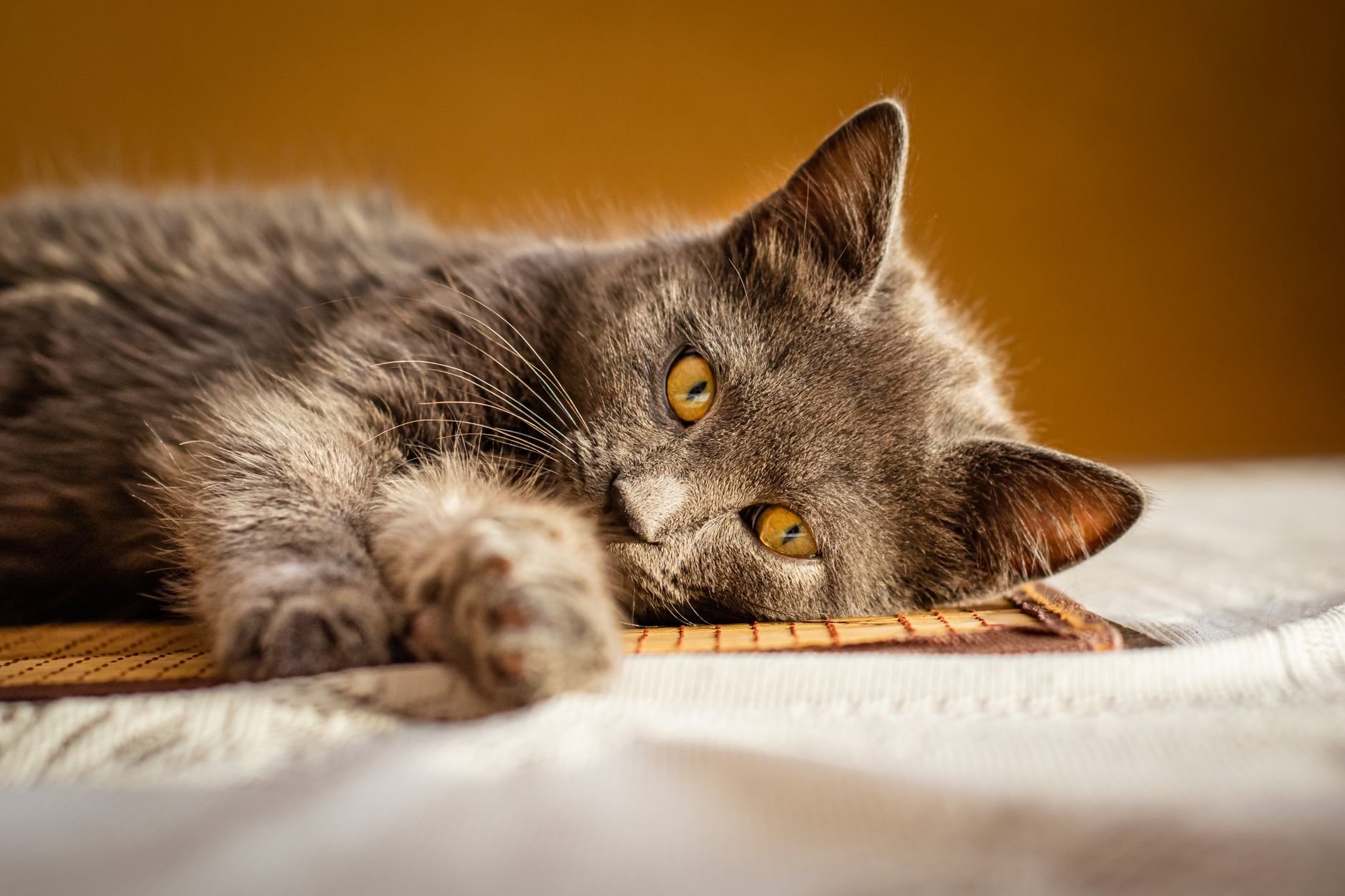
The Chartreux is the strong, silent type of the cat world, famous for a sweet, smiling facial expression that matches their sunny but quiet disposition. They are fiercely loyal to their chosen humans, often following you from room to room without ever being underfoot. I’ve observed that they possess a unique blend of playfulness and serene independence; they are perfectly happy to sleep while you work but will eagerly fetch a toy when you are ready. They rarely use their voices, opting instead for tiny, high-pitched chirps or silent meows when they absolutely must speak.
Is a Chartreux good with other pets?
They generally get along famously with other cats and friendly dogs due to their non-aggressive, easygoing temperament. I always advise a slow, supervised introduction over 2 to 3 weeks to ensure a smooth transition for all animals involved.
How much attention does a Chartreux need?
While they deeply love their humans, they are not clingy or overly demanding. They are highly suited for working owners, as they can easily entertain themselves or nap for 8 hours without developing separation anxiety.
Training & Behavior
Chartreux are exceptionally bright cats that learn household rules quickly, often observing human behavior to figure out how things work (including door handles). Their dog-like affinity for fetching toys means they can be easily trained to play interactive games. In my training sessions, I’ve found they respond best to positive reinforcement like high-value treats and gentle praise rather than any form of correction.
Training Tips
- Use clicker training for mental stimulation.
- Keep training sessions short, around 5 to 10 minutes max.
- Reward with freeze-dried meat treats immediately to reinforce good behaviors.
- Teach them to ‘fetch’ using small, soft toys they can easily carry.
- Never scold; redirect unwanted behaviors with interactive puzzle toys.
Fun Activities
- Interactive fetch with crinkle balls
- Solving advanced treat puzzle boards
- Climbing tall, sturdy cat trees
- Chasing feather wands and laser pointers
- Leash walking in quiet, enclosed yards
Is a Chartreux easy to train?
Yes, they are highly trainable due to their high intelligence and desire to please their owners. Many Chartreux owners, including myself, have successfully taught them to fetch, respond to their names, and even walk comfortably on a harness.
Chartreux Health Issues
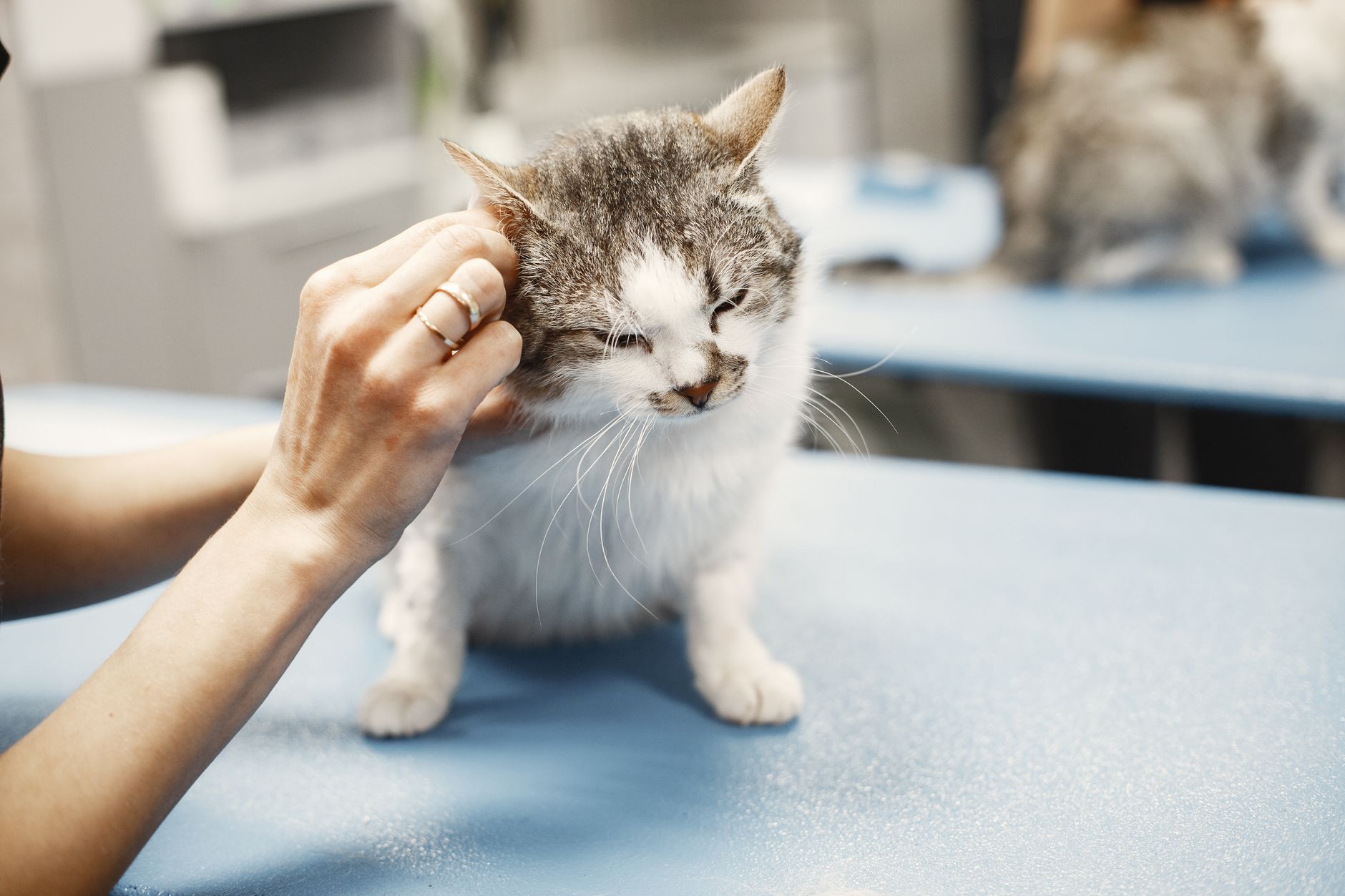
The Chartreux is historically a robust and hardy natural breed with a solid gene pool. However, like all breeds, they have predispositions to a few specific genetic conditions that owners must be aware of to ensure long-term wellness.
Patellar Luxation
A hereditary condition where the kneecap slips out of its natural groove, which can range from mild discomfort to severe lameness. It is crucial to purchase from breeders who screen their breeding stock for this joint issue.
Struvite and Calcium Oxalate Stones
Chartreux have a known predisposition to developing urinary crystals and stones in their bladder. This can cause painful blockages, which are life-threatening medical emergencies, especially in males.
Polycystic Kidney Disease (PKD)
A genetic condition where fluid-filled cysts form in the kidneys, progressively replacing normal kidney tissue and leading to renal failure. Reliable breeders use DNA testing to screen out affected cats.
Obesity
Due to their stocky ‘potato’ body shape and quiet nature, Chartreux can easily hide excess weight, which strains their joints and worsens patellar luxation. Monitoring their daily caloric intake is vital.
How long do Chartreuxs typically live?
With proper nutrition, regular veterinary checkups, and an indoor lifestyle, a Chartreux typically lives between 12 and 15 years. Some exceptionally healthy individuals can reach up to 18 years of age.
What to Feed a Chartreux
Because of their heavy-boned, muscular physique, the Chartreux requires a diet that supports lean muscle mass without adding excess fat. I always advise owners to avoid free-feeding kibble, as this breed will easily overeat out of boredom.
Best Diet
A high-protein, moderate-fat wet food diet is ideal to maintain hydration and protect their sensitive urinary tract from stone formation. Look for formulas listing real meat (like chicken, turkey, or salmon) as the first ingredient, and consult your vet regarding life-stage transitions.
How to Feed
Divide their daily food into 2 or 3 scheduled, portion-controlled meals rather than leaving food out all day. Utilizing interactive puzzle feeders can help slow down fast eaters and provide valuable mental stimulation.
How Much to Feed
Generally, an adult Chartreux requires roughly 200 to 280 calories per day depending on their weight and activity level, but this must be tailored. I always recommend working with your veterinarian to calculate the exact caloric intake for your cat’s specific body condition score.
Nutritional Tips
Incorporate wet food to maximize moisture intake, which is critical for urinary health. Adding a pet water fountain can also encourage them to drink more water, helping to prevent crystallization in the bladder.
Chartreux Grooming Guide
The Chartreux’s unique double coat feels woolly and dense, requiring a specific grooming approach to keep it healthy. Unlike many other breeds, their coat should never be brushed with a standard brush, as this can ruin the natural texture and pull the undercoat.
Coat Care
Use a high-quality metal comb once or twice a week to gently work through the dense undercoat and prevent mats. Avoid bathing them unless absolutely necessary, as their water-resistant coat is incredibly difficult to get fully wet.
Skin Care
Regular combing distributes natural skin oils, keeping their skin healthy and flake-free; monitor for any dry patches during seasonal coat transitions.
Eye Care
They occasionally experience minor tearing; gently wipe the corners of their eyes with a damp, soft cloth as needed to prevent staining.
Ear Care
Check ears weekly for dirt, wax, or signs of infection, cleaning gently with a vet-approved ear cleaner and a cotton ball if necessary.
Nail & Dental Care
Trim their nails every 2 to 3 weeks and brush their teeth daily with cat-safe enzymatic toothpaste to prevent periodontal disease.
Considerations for Pet Parents
Pros
- Extremely quiet; rarely meows loudly
- Affectionate and loyal without being overly demanding
- Highly adaptable to apartment living and busy households
- Excellent with children and other household pets
- Sturdy, robust health with a naturally sweet temperament
Cons
- Prone to urinary tract stones and crystal formation
- Heavy seasonal shedding requires consistent combing
- Rare breed that can be difficult to find and expensive to purchase
- Prone to obesity if diet is not strictly managed
Best For
This breed is best for calm households, working professionals who want an independent but loving pet, and families with respectful children. They thrive in environments where they can enjoy quiet companionship without constant loud chaos.
Not Recommended For
I do not recommend this breed for households wanting an extremely vocal, high-energy, lap-bound ‘velcro’ cat, or those unwilling to commit to strict dietary management and regular combing of a dense double coat.
Cost
- purchase price$1,500 – $2,500
- monthly cost$80 – $120
- initial setupInitial setup, including premium cat trees, carrier, heavy-duty combs, scratching posts, and initial vet visits, typically ranges from $500 to $800.
Similar Breeds

British Shorthair
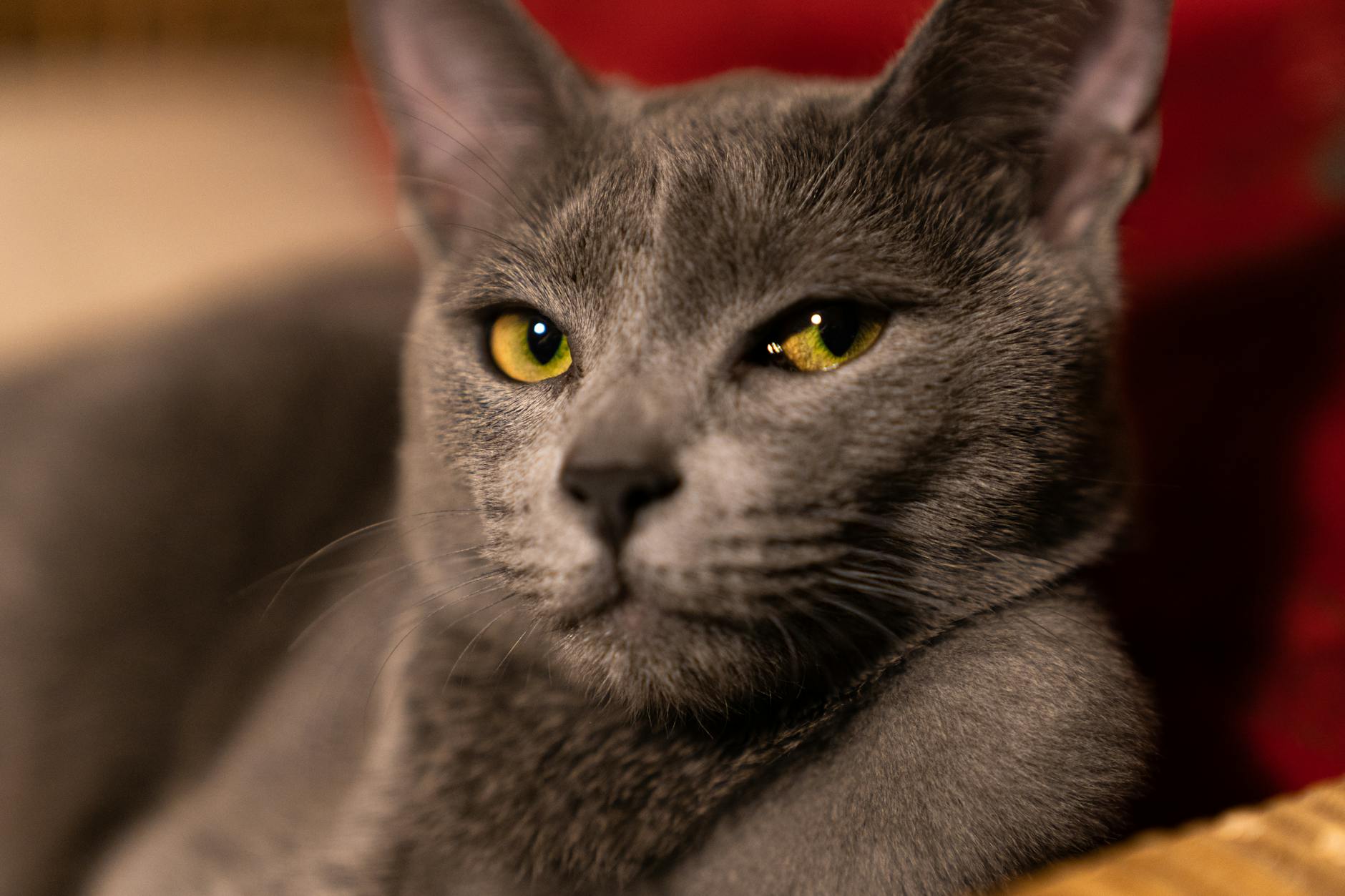
Russian Blue
Chartreux FAQs
What is the difference between a Chartreux and a British Shorthair?
While both are beautiful blue cats, they have distinct physical and ancestral differences. The Chartreux has a tapered muzzle with a sweet, ‘smiling’ expression and slender limbs (often called a ‘potato on toothpicks’), whereas the British Shorthair is rounder all over, with a broader face, thicker legs, and a different coat texture.
Why does my Chartreux chirp instead of meowing?
This is a signature breed trait! Chartreux are famous for being almost entirely silent, choosing to communicate through quiet, high-pitched chirps, trills, or even completely silent meows where they just open their mouths. In my experience, they only vocalize when absolutely necessary.
Are Chartreux cats hypoallergenic?
No, they are not hypoallergenic. They possess a very dense double coat that sheds moderately to heavily, which spreads dander and saliva-coated hair throughout the home. If you suffer from severe cat allergies, this breed is likely to trigger your symptoms.
How can I tell if my cat is a real Chartreux?
A genuine Chartreux will have a pedigree showing its lineage. Visually, they are distinguished by their robust, muscular blue-gray bodies, orange-to-copper eyes, a sweet smiling expression, and a woolly double coat. Many domestic shorthair cats are solid blue but lack the genetic pedigree of a true Chartreux.
Why is the Chartreux coat called ‘woolly’?
Their coat is unique because it features a dense, water-repelling undercoat and a slightly longer topcoat that breaks like sheep’s wool, particularly over the neck and flanks. In my hands-on experience, it feels incredibly plush, thick, and slightly springy compared to the sleek coat of a Russian Blue.
Do Chartreux cats like water?
Many do! Because of their history as natural outdoor cats in France and their water-resistant coats, they are often fascinated by running water. Don’t be surprised if your Chartreux likes to play with dripping faucets or dip their paws into their water bowl.
Are Chartreux cats lap cats?
They are affectionate but on their own terms. Instead of demanding to sit directly on your lap for hours, they prefer to sit right next to you, press against your side, or sleep at the foot of your bed. They are highly devoted companions who show love through close proximity rather than smothering cuddles.
How long does it take for a Chartreux to mature?
They are a very slow-maturing breed, taking up to 3 to 4 years to reach their full adult size, muscular weight, and eye color intensity. During this time, their coat may also transition from a lighter, slightly striped kitten phase to their final solid slate-blue coat.
Can Chartreux cats live strictly indoors?
Yes, they are highly suited for an indoor-only lifestyle, which keeps them safe from traffic, disease, and predators. Because they are quiet and adaptable, they thrive indoors as long as they are provided with vertical climbing spaces and interactive toys.
Do Chartreux cats have high prey drives?
Yes, historically they were prized in France as exceptional ratters and mousers. In my experience, they retain this strong prey drive and will eagerly hunt toy mice, laser dots, and insects. It is best to keep them away from small pocket pets like hamsters.
Why are their eyes so striking?
The breed standard highly prizes brilliant copper, amber, or gold eyes, with no trace of green. This deep orange-gold color provides a stunning contrast against their blue-gray fur, making them one of the most visually distinctive breeds in the feline world.
How do I prevent my Chartreux from getting urinary stones?
The most effective prevention is feeding a high-quality wet food diet to ensure adequate hydration and keeping fresh water available at all times. It is critical to work with your vet to monitor their urine pH and address any signs of urinary discomfort immediately.