
Tonkinese Breed Guide

Quick Summary
The Tonkinese is a brilliant, highly social cross between the Siamese and Burmese, famous for its surprising weight, striking aqua eyes, and incredibly affectionate, ‘velcro’ personality. These cats do not merely tolerate human company; they actively demand to be part of every household activity, making them ideal for busy, loving homes but a poor choice for those who spend long hours away.
Quick Facts
- origin countryCanada / United States
- breed groupShorthair
- sizeMedium, muscular, and surprisingly heavy
- weight range6 to 12 pounds (males: 8-12 lbs, females: 6-8 lbs)
- height range8 to 10 inches
- lifespan12 to 16+ years
- coat typeShort, fine, silky, and close-lying
- common colorsNatural, Champagne, Blue, and Platinum across three patterns: Mink (aqua eyes), Pointed (blue eyes), and Solid (green/yellow-green eyes)
- other namesTonk
- recognized byCFA, TICA, CCA, ACFA
Caring for a Tonkinese
Living with a Tonkinese is like having a tiny, silk-wrapped shadow that constantly comments on your life. In my years of working with them, I’ve found they adapt beautifully to active homes, provided they have consistent mental stimulation and companions. You cannot treat them like aloof, low-maintenance felines; they require interactive play, vertical space to climb, and a dedicated routine. Because of their highly social nature, keeping them as solo pets is rarely successful unless someone is home all day.
Is a Tonkinese a good family pet?
Absolutely, they are exceptional family pets who thrive on the energy of a busy household. Unlike more timid breeds, Tonks generally love children, eagerly participating in games and curling up in any available lap.
Do Tonkineses shed a lot?
No, they are very low-maintenance shedders with a short, single coat. A weekly brushing with a rubber curry brush or a quick wipe with a chamois cloth is usually all it takes to keep their coat gleaming.
Is a Tonkinese good for first-time owners?
Yes, but only if the owner is prepared for an incredibly needy, high-energy companion. If you are expecting an independent, quiet cat that sleeps in a corner all day, a Tonkinese will shock you with its intense social demands.
Temperament & Personality
The Tonkinese combines the best traits of its parent breeds: the intense curiosity and vocal nature of the Siamese, blended with the sweet, laid-back affection of the Burmese. They are incredibly loving, playful, and persistent, often described as ‘half-monkey, half-dog’ due to their acrobatic antics and loyalty. In my experience, they have zero concept of personal space and will happily ride on your shoulders as you go about your chores.
Is a Tonkinese good with other pets?
Yes, they are exceptionally gregarious and typically adore the company of other cats and cat-friendly dogs. In fact, I highly recommend adopting them in pairs or ensuring they have a canine buddy to keep them from getting lonely.
How much attention does a Tonkinese need?
A substantial amount; they are true ‘velcro cats’ who want to be involved in everything you do. If they feel ignored, they will vocalize, open cabinets, or knock items off counters to get your attention.
Training & Behavior
Highly intelligent and eager to interact, Tonkineses are among the easiest cats to train. I’ve found they respond beautifully to positive reinforcement, clicker training, and puzzle toys. However, their smarts can be a double-edged sword; if you don’t redirect their energy into structured training and play, they will invent their own games, which usually involve opening closed doors and drawers.
Training Tips
- Use clicker training with high-value treats like freeze-dried chicken.
- Start leash and harness training early, as they love exploring.
- Never use physical or vocal punishment, as they are emotionally sensitive.
- Rotate puzzle feeders weekly to keep their sharp minds occupied.
Fun Activities
- Playing fetch with crinkle balls or felt mice
- Leash-walking around a quiet, safe backyard
- Agility course training using hoops and tunnels
- Learning commands like ‘sit’, ‘high-five’, and ‘come’
Is a Tonkinese easy to train?
Yes, they are highly trainable and often behave more like dogs than cats when it comes to learning commands. Many Tonks will naturally learn to fetch toys and return them to your feet without any formal training at all.
Tonkinese Health Issues
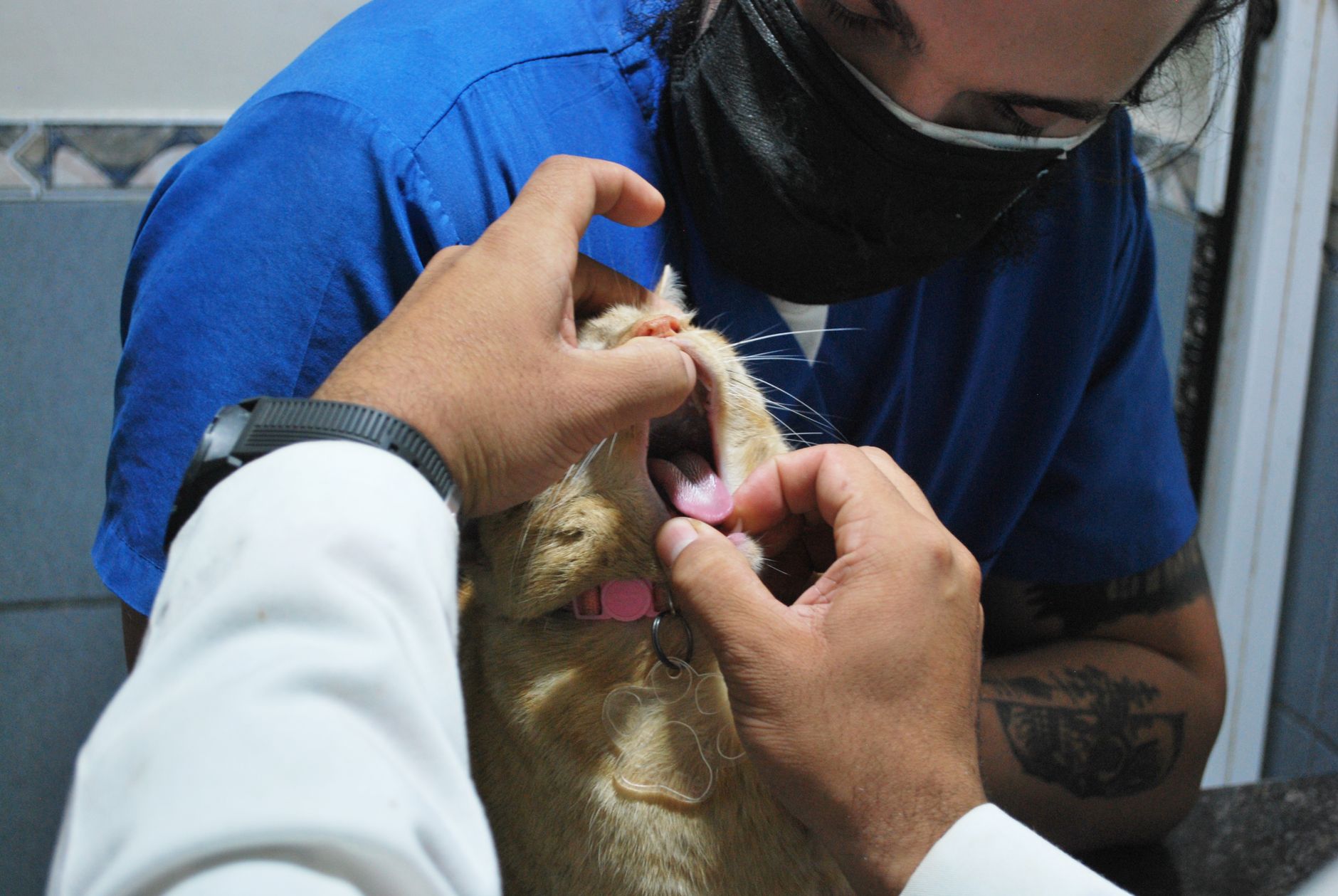
While generally a robust and healthy breed, the Tonkinese is prone to a few inherited conditions from its Siamese and Burmese ancestry. Responsible breeders screen their lines, but prospective owners must remain vigilant about veterinary care, particularly regarding dental health and weight management.
Periodontal Disease (Gingivitis)
Like many Siamese-derived breeds, Tonkineses are highly prone to early-onset dental disease, which can lead to tooth loss and systemic infections if left untreated.
Hypertrophic Cardiomyopathy (HCM)
This is a genetic heart condition where the muscular walls of the heart thicken, making it harder for the organ to pump blood efficiently.
Amyloidosis
An inherited disease where abnormal proteins called amyloids deposit in organs, most commonly the liver or kidneys in Siamese-related breeds, leading to organ failure.
Upper Respiratory Infections (URIs)
Tonkinese kittens can be particularly susceptible to common feline respiratory viruses when stressed or adjusting to a new home.
How long do Tonkineses typically live?
With proper care, high-quality nutrition, and regular vet checkups, Tonkineses are remarkably long-lived, frequently reaching 15 to 18 years of age, and sometimes even living into their early twenties.
What to Feed a Tonkinese
Because they are so active, Tonkineses require high-quality, protein-rich nutrition to maintain their lean, muscular frames. However, because they are built like ‘brass bricks wrapped in silk,’ they can easily become overweight if allowed to free-feed.
Best Diet
A balanced, high-protein diet consisting primarily of wet food is ideal to support their hydration and urinary tract health, supplemented with high-quality dry kibble for dental support.
How to Feed
I highly recommend feeding measured, scheduled meals twice a day rather than leaving food out continuously. Using interactive puzzle feeders is an excellent way to slow down their eating and provide mental stimulation.
How Much to Feed
Portions should be determined by weight, age, and activity level under guidance from your vet. A typical adult Tonkinese requires roughly 200 to 250 calories per day, but this must be adjusted if they show signs of excess weight.
Nutritional Tips
Avoid foods with heavy grain or carbohydrate fillers, and always ensure clean, fresh water is available. Because Tonks are prone to kidney issues later in life, a pet water fountain can encourage them to drink more.
Tonkinese Grooming Guide
Grooming a Tonkinese is exceptionally easy and takes very little time, making them a dream for owners who do not want to manage long, matted fur. Their silky, single coat lacks a dense undercoat, so shedding is minimal.
Coat Care
Brush their coat once a week with an ultra-soft bristle brush or a rubber grooming mitt to remove dead hair. Running a damp chamois cloth over their body can give their fur an incredible, mirror-like gloss.
Skin Care
Generally, their skin is healthy and requires no special intervention. Avoid bathing them unless they have gotten into something sticky, as too many baths can dry out their skin.
Ear Care
Inspect their ears weekly for dirt, redness, or wax buildup. Clean gently with a vet-approved ear cleaner and a cotton ball, never inserting anything directly into the ear canal.
Nail & Dental Care
Trim their nails every two to three weeks. Because they are highly prone to periodontal disease, daily dental brushing with feline-safe toothpaste is absolutely critical for this breed.
Considerations for Pet Parents
Pros
- Incredibly affectionate and loyal ‘velcro’ companion
- Highly intelligent, playful, and easily trained to do tricks
- Very low-maintenance grooming routine
- Fantastic with children, dogs, and other cats
- Generally long-lived and healthy with proper care
- Entertaining, energetic, and communicative personality
Cons
- Can suffer from severe separation anxiety if left alone too long
- Very demanding of attention and can be vocal when ignored
- Highly prone to early-onset dental issues
- Needs significant environmental enrichment to prevent mischief
Best For
Active families, work-from-home professionals, or multi-pet households where someone is almost always around to provide stimulation, play, and affection.
Not Recommended For
People who work long, 12-hour shifts away from home, those who want a quiet, hands-off pet, or anyone unwilling to commit to daily play sessions and dental hygiene routines.
Cost
- purchase price$1,000 – $2,000 USD from a reputable breeder
- monthly cost$80 – $150 USD (including high-quality wet food, litter, and pet insurance)
- initial setupPlan to spend around $300 – $500 initially for high-quality climbing cat trees, puzzle toys, scratching posts, grooming tools, and a water fountain.
Similar Breeds

Siamese

Burmese
Tonkinese FAQs
What is the difference between a Tonkinese and a Siamese?
While the Siamese is highly vocal, angular, and possesses striking pointed patterns with blue eyes, the Tonkinese is a hybrid of the Siamese and Burmese. The Tonkinese is rounder, heavier, has a softer voice, and displays the unique ‘mink’ coat pattern with beautiful aqua-colored eyes.
Are Tonkinese cats hypoallergenic?
No, they are not hypoallergenic. While they have short coats and shed less than many other breeds, they still produce the Fel d 1 protein in their saliva and dander, which is the primary trigger for cat allergies.
Why are they called ‘brass bricks wrapped in silk’?
This is a classic breed description because of their surprisingly dense musculature. When you pick up a Tonkinese, they feel much heavier and solider than their sleek, medium-sized appearance would lead you to believe.
Can Tonkinese cats be left alone during the day?
They do not tolerate long periods of isolation well. If you work long hours, it is highly recommended to get a second Tonkinese or another social pet to keep them company, as loneliness can lead to depression and destructive behaviors.
Do Tonkinese cats change color as they age?
Yes, like their Siamese ancestors, Tonkinese kittens are born quite pale, and their coat color darkens as they mature. Their coat color is temperature-sensitive, meaning the cooler parts of their body (ears, tail, paws) develop deeper pigmentation over time.
Do they get along with dogs?
Yes, they are exceptionally dog-friendly. Because of their confident, outgoing nature, they often view friendly dogs as playmates and will cuddle, groom, and play fetch right alongside them.
What are the three coat patterns of the Tonkinese?
They are Pointed (high contrast, blue eyes), Mink (medium contrast, aqua eyes), and Solid (low contrast, green or gold eyes). The Mink pattern is the signature look most commonly associated with the breed.
Do Tonkinese cats vocalize a lot?
Yes, they are highly conversational, though their voice is softer, sweeter, and less raspy than a traditional Siamese. They will happily ‘talk’ to you about their day and chirp, purr, or meow to get your attention.
Do they enjoy climbing?
Absolutely. Tonkineses are highly athletic and love vertical spaces. Providing tall cat trees, wall shelves, and window perches is essential to keep them happy and out of your high kitchen cabinets.
Are they prone to obesity?
Yes, despite their active nature, their love of food can lead to weight gain if free-fed. Keep them on strict meal times and monitor their body shape closely, adjusting portions in consultation with your vet.
Do Tonkinese cats need baths?
Rarely. Their short, single coat is incredibly efficient at self-cleaning. A simple weekly brushing and wipe-down is all that is needed to maintain their signature silk-like gloss.
Are they prone to separation anxiety?
Yes, they are prone to separation anxiety due to their intense bonding with their human families. If left alone without companionship or mental stimulation, they can develop stress-induced behaviors like over-grooming or vocalizing.
Do they make good lap cats?
They are fantastic lap cats, but only on their terms—usually after they have burned off their energy through play. Once tired, they will actively seek out your warmth, burrowing under blankets or settling directly on your chest.