
Why Does My Cat Knead? The Meaning Behind Making Biscuits

Quick Summary
Cat kneading, or ‘making biscuits,’ is a deeply instinctual behavior rooted in kittenhood nursing, wild nesting habits, and scent marking. In my veterinary practice, I view kneading as a clear sign of emotional security, self-soothing, and a strong physical bond between a cat and its owner.
If you share your home with a cat, you are likely familiar with the rhythmic, hypnotic motion of ‘making biscuits.’ As a veterinarian, I get asked about this fascinating behavior at least once a week during routine wellness exams.
Clients want to know if it is a sign of affection, a lingering baby habit, or something deeper. In my clinical experience, this simple movement is actually a complex, multi-layered form of feline communication.
Let’s dive into the fascinating veterinary science behind why your cat kneads, and what they are trying to tell you.
Key Takeaways
- Kneading is a comforting throwback to kittenhood, mimicking the nursing action used to stimulate milk flow.
- Cats have scent glands in their paw pads and use kneading to claim you and their bedding as safe territory.
- Wild ancestors kneaded tall grass to create soft nests and search for hidden predators before sleeping.
- The behavior releases feel-good hormones like oxytocin and endorphins, lowering feline stress levels.
- Excessive or fabric-chewing kneading can occasionally signal underlying anxiety, pain, or GI issues.
In This Article
- The Evolutionary Roots: Wild Ancestors and Bed-Making
- The Neonatal Connection: Milk Treading and Comfort
- Scent Marking: The Secret Chemistry in Feline Paws
- The Purr-Knead Connection: Endorphins and Self-Soothing
- Mating and Hormones: Kneading in Intact Cats
- When Kneading Hurts: Protecting Your Skin and Furniture
- Excessive or Obsessive Kneading: When to Worry
- The Softest Targets: Why Certain Fabrics Trigger the Biscuit Factory
The Evolutionary Roots: Wild Ancestors and Bed-Making
To truly understand why your domestic tabby kneads your softest blanket, we have to look back thousands of years. Before cats were pampered house pets, their wild ancestors had to survive in harsh outdoor environments.
In my practice, I always remind owners that domestic cats retain nearly all of their wild survival instincts. Kneading was originally a highly practical nesting behavior.
Wild cats would pat down tall, dry grass or dense foliage to create a soft, safe sleeping surface. This not only made the ground comfortable, but it also helped them spot any hidden predators or pests before lying down.
Checking for Hazards
Pressing their paws into the ground allowed wild felines to detect sharp rocks, thorns, or biting insects.
Creating a Nesting Zone
This physical manipulation of the environment helped pregnant queens construct safe, hidden nests for their future litters.

The Neonatal Connection: Milk Treading and Comfort
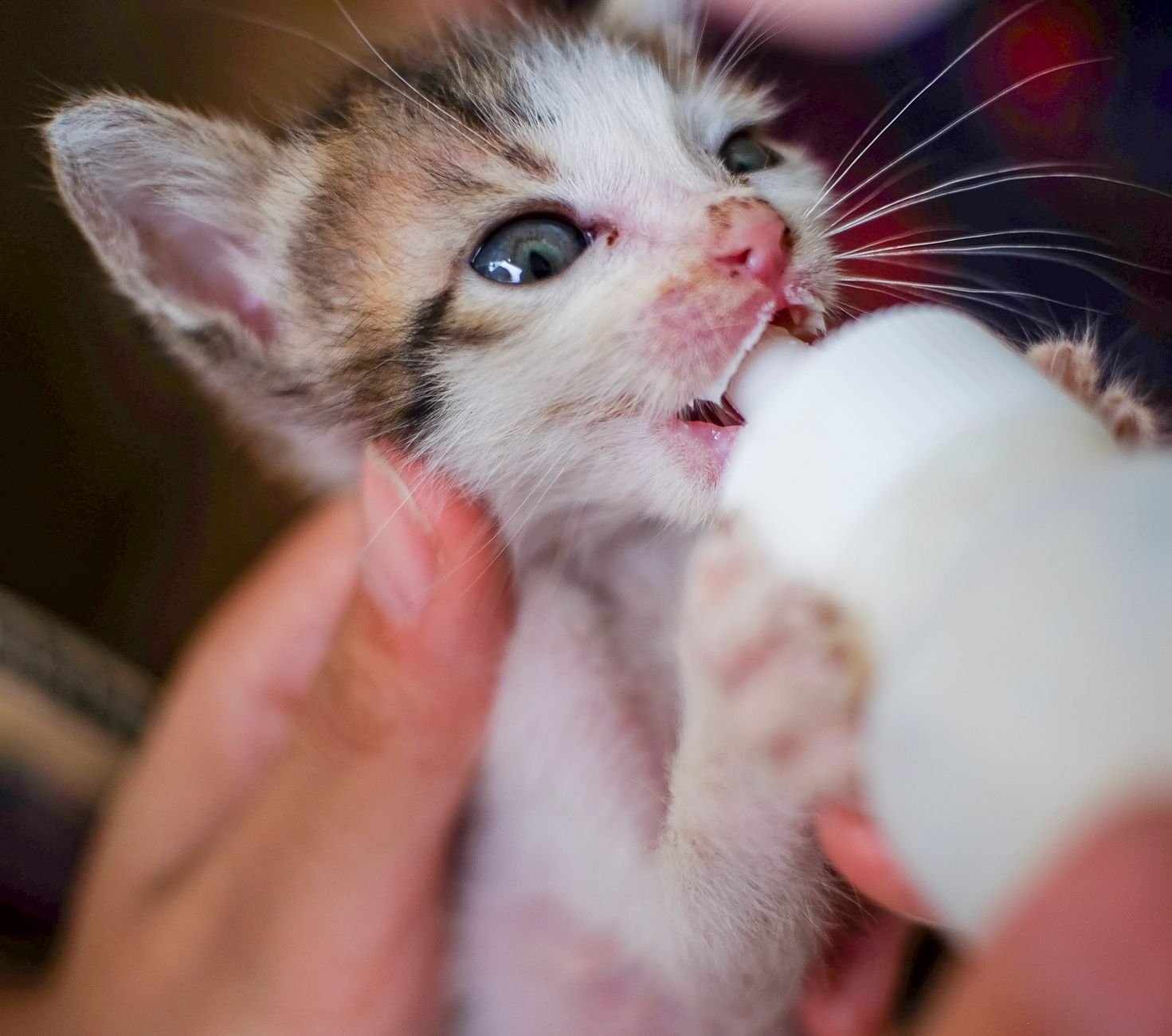
The most common clinical explanation for kneading dates back to the very first days of a cat’s life. Newborn kittens are born blind and deaf, relying entirely on touch and scent to navigate their world.
When nursing, a kitten will instinctively press its paws rhythmically against its mother’s mammary glands. This tactile stimulation is known in veterinary science as ‘milk treading.’
In my years treating feline patients, I have observed that this motion physically stimulates the release of oxytocin in the mother cat. When adult cats knead a soft surface, they are reverting to this safe, nourishing state of early kittenhood.
- The behavior starts within hours of birth as an essential survival mechanism.
- It triggers the milk letdown reflex in the mother feline to ensure nutrition.
- Adult cats mimic this when they feel completely safe, warm, and content in their home.
- It is often accompanied by drooling, which is a physical response to the remembered taste of milk.
Scent Marking: The Secret Chemistry in Feline Paws
Clients are often surprised to learn that kneading is actually an active way for cats to stake their claim on territory. While cats use vocalizations and tail postures to communicate, scent is their primary language.
Cats possess specialized scent glands all over their bodies, including their cheeks, forehead, tail base, and paws. The glands located between their toe pads are called interdigital sebaceous glands.
When your cat kneads your lap, they are not just showing affection. They are actively depositing chemical markers onto your clothes, labeling you as a safe and familiar part of their territory.
Interdigital Glands
These glands secrete a unique mixture of pheromones and lipids that are completely undetectable to human noses.
Territorial Security
By leaving their scent on you and their favorite bedding, cats create a ‘sensory bubble’ that dramatically reduces their baseline anxiety levels.

The Purr-Knead Connection: Endorphins and Self-Soothing
It is rare to see a cat knead without also hearing a deep, rhythmic purr. As a veterinarian, I view this pairing as a clear window into a cat’s neurochemical state.
Kneading and purring trigger a powerful cascade of feel-good hormones in the feline brain. This chemical release helps lower their heart rate and blood pressure, acting as a natural sedative.
What I see most often in practice is that cats use this behavior to self-soothe when they are transitionally stressed, or to elevate their mood when they are happy.
- Endorphin Release: Kneading stimulates the production of natural pain-relieving chemicals.
- Oxytocin Surge: The ‘cuddle hormone’ spikes, strengthening the bond between you and your pet.
- Vagus Nerve Stimulation: The rhythmic motion acts as a physical regulator for the feline nervous system.
- Cortisol Reduction: It helps lower circulating stress hormones, protecting long-term kidney and heart health.

Mating and Hormones: Kneading in Intact Cats
While most kneading is benign and comforting, hormone-driven kneading is a distinct clinical phenomenon. This is especially true for intact, unspayed female cats.
When a female cat enters her heat cycle, or estrus, her behavior will change dramatically. You will likely see her knead her back legs, vocalize loudly, and press her pelvis low to the ground.
In my clinic, I always tell clients that this is a classic pre-mating posture designed to signal receptivity to male cats. If your cat is unspayed and displays this intense, frantic style of kneading, it is time to schedule a spay surgery.

When Kneading Hurts: Protecting Your Skin and Furniture
While we love the emotional connection of our cats making biscuits, their sharp claws can turn a sweet moment into a painful experience. Feline claws are designed to grip, and during kneading, they extend and retract naturally.
I always tell my clients that punishing a cat for kneading is highly counterproductive. Because the behavior is instinctive, punishment will only confuse them and damage your bond.
Instead, there are several highly practical ways to protect your skin and furniture while still allowing your cat to express this natural urge.
- Keep Claws Trimmed: Regular nail trims every 2-3 weeks will blunt the sharp tips of the claws.
- Use a Biscuit Blanket: Keep a thick, dedicated fleece blanket on your lap to act as a protective barrier.
- Nail Caps: Plastic nail caps can be applied to the claws for a temporary, pain-free shield.
- Redirect Gently: If the claws are too sharp, gently lift the cat and place them on a nearby scratching post or pet bed.

Excessive or Obsessive Kneading: When to Worry
Is it possible for a cat to knead too much? In my clinical experience, excessive or frantic kneading can sometimes point to underlying physiological or psychological distress.
If a cat kneads constantly, ignores food, or seems unable to settle down, it may be a sign of high anxiety or even obsessive-compulsive disorder.
I always recommend a thorough veterinary checkup if you notice a sudden, drastic increase in this behavior, especially in older cats.
Feline Hyperesthesia
This syndrome causes extreme skin sensitivity, often leading to frantic kneading, tail swishing, and sudden grooming bursts.
Pica and Wool-Sucking
Some breeds, like Siamese or Birman cats, may suck on and ingest fabrics while kneading, which can lead to life-threatening gastrointestinal blockages.
Osteoarthritis Pain
Older cats may knead excessively on soft surfaces to stretch out stiff joints and relieve chronic arthritis pain.
The Softest Targets: Why Certain Fabrics Trigger the Biscuit Factory
Have you ever noticed that your cat only kneads certain blankets? Felines are incredibly tactile creatures, and texture plays a massive role in triggering their kneading reflex.
In my years treating cats, I have found that plush, high-pile fabrics mimic the warmth and density of a mother cat’s fur. This tactile feedback acts as an immediate psychological trigger.
Knowing which fabrics your cat prefers can help you set up designated comfort zones around your home, keeping them off your delicate silks and linens.
- Sherpa and Fleece: The absolute gold standard for replicating a mother’s soft belly.
- Microfiber: Soft, yielding, and retains warmth quickly from the cat’s body heat.
- Chunky Knit Blankets: Provides excellent physical purchase for their claws to sink into.
- Avoid Loose Loops: Stay away from loose loop carpets or knitwear that can snag and tear their claws.
Related Cat Guides
Frequently Asked Questions
Why does my cat drool when they knead?
Drooling during kneading is a common physical response related to kittenhood. The rhythmic motion triggers a Pavlovian reflex where the cat anticipates the taste of warm mother’s milk, causing their salivary glands to go into overdrive. It is a sign of ultimate relaxation.
Why does my cat purr while making biscuits?
Purring and kneading are neurologically linked behaviors that release endorphins and oxytocin in the feline brain. The purr acts as a physical self-soothing mechanism, while the kneading matches the rhythm, working together to lower the cat’s heart rate and cortisol levels.
Do only happy cats knead?
While the vast majority of kneading is done by happy, content cats, stressed or anxious cats will sometimes knead to self-soothe. If your cat is kneading with tense body language, dilated pupils, or flattened ears, they are likely trying to calm themselves down from a stressor.
Why does my cat knead me but not my partner?
Cats are highly selective about who they trust. If your cat kneads you exclusively, it means they have chosen you as their primary source of safety, warmth, and maternal comfort. They are also using their paw scent glands to mark you as their personal territory.
Can I stop my cat from kneading?
You should never try to stop a cat from kneading altogether, as it is a vital, instinctual feline behavior. However, you can easily manage the behavior by keeping their nails trimmed, using a thick blanket as a barrier, or gently redirecting them to a soft pet bed.
Why do cats knead their beds before sleeping?
This is an evolutionary throwback to their wild ancestors. In the wild, wildcats would knead down tall grasses, weeds, and leaves to create a safe, hidden, and comfortable nest for sleeping, while checking the area for hidden hazards like snakes or sharp rocks.
Sources & Further Reading
Final Thoughts
Ultimately, when your feline companion settles onto your lap and begins the rhythmic motion of making biscuits, it is one of the highest compliments they can pay you. This deep-seated instinct combines their wild ancestry, their earliest kitten memories, and their modern-day love for you into a single, beautiful behavior.
By understanding the physical and emotional drivers behind kneading, we can better appreciate our cats’ complex inner worlds. Keep their claws trimmed, keep a soft fleece blanket nearby, and enjoy these quiet, bonding moments with your pet.
As a veterinarian, I can assure you that a kneading cat is a cat that feels safe, loved, and completely at home.