

Quick Summary
Dog digging is a natural, genetically driven behavior motivated by predatory drive, temperature regulation, anxiety, or boredom. Successfully redirecting this behavior involves identifying the underlying medical or environmental cause and providing a designated, rewarding digging outlet rather than relying on punishment.
As a veterinarian, I see it every single week in my clinic. A frustrated owner comes in with mud-caked fingernails and a dog with dirt packed deep under its claws, asking how to make the destruction stop.
Digging is not a spiteful act designed to ruin your landscaping. It is a deeply instinctual, natural behavior that fulfills specific physical and emotional needs for your canine companion.
To successfully redirect this behavior, we must first understand the clinical why behind the shovel-paws. Once we identify the underlying motivation, we can implement practical, positive solutions that keep both your dog happy and your lawn intact.
Key Takeaways
- Digging is an ancestral canine behavior rooted in survival, comfort, and hunting instincts.
- Dogs frequently dig shallow holes during hot weather to access cooler subterranean soil.
- Boredom and separation anxiety are major behavioral drivers for chronic lawn destruction.
- Setting up a designated, rewarding digging sandbox is the most effective redirection strategy.
- Unsupervised yard digging poses clinical risks, including parasite ingestion and paw injuries.
- Digging along fence lines is often a sign of escape motivation or barrier frustration.
In This Article
- The Evolutionary Blueprint: Why Dogs are Wired to Dig
- The Thermoregulation Trap: Digging for Comfort
- The Boredom and Separation Anxiety Connection
- The Thrill of the Hunt: Underground Prey Drive
- How to Build a Designated Dig Zone (The Vet-Approved Sandbox)
- Clinical Hazards: The Hidden Dangers of Yard Digging
- How to Protect Your Yard and Safety Barriers
- The Role of Diet and Nutritional Deficiencies in Pica-Based Digging
The Evolutionary Blueprint: Why Dogs are Wired to Dig
In my years of practicing veterinary medicine, I have treated hundreds of dogs for injuries sustained while digging. The first thing I always tell my clients is that digging is hardwired into your dog’s DNA.
Their wild ancestors relied on digging for survival, whether to cache food, seek shelter from extreme weather, or hunt burrowing prey. When your dog tears up your prized petunias, they are executing an ancient behavioral script, not seeking revenge.
Modern breeds still carry these genetic programs. Some have had these instincts amplified through centuries of selective breeding.
If we try to completely suppress this drive through punishment, we often end up creating deeper behavioral issues like barrier frustration or generalized anxiety.

The Thermoregulation Trap: Digging for Comfort
What I see most often in practice during the scorching summer months is dogs digging to cool down. If you notice your dog digging a shallow, wide bowl in the shade and immediately lying down in it, they are trying to regulate their body temperature.
Soil beneath the surface is significantly cooler than the ambient air temperature. Northern breeds with thick double coats, like Siberian Huskies, Alaskan Malamutes, and Samoyeds, are particularly notorious for this behavior.
If your dog is left outside for extended periods, this behavior is a clear cry for environmental modification. They are desperately trying to escape the heat because dogs do not sweat like humans to cool off.
I always advise my clients to monitor their pets closely when the temperature rises above 75 degrees. If they are digging dirt beds, they need to be brought indoors or provided with a more efficient cooling option.
- Look for shallow, body-shaped depressions located primarily in shaded areas under trees or decks.
- Northern double-coated breeds require shaded resting spots, elevated cooling beds, or access to air conditioning.
- Always provide multiple sources of fresh, ice-filled water when temperatures exceed 75 degrees Fahrenheit.
- Never rely on a dug-out dirt hole as a safe cooling mechanism; it is a clinical warning sign of impending heat stress.
The Danger of Heatstroke
When a dog is digging to cool down, they are dangerously close to overheating. If you notice heavy panting or brick-red gums, bring them into an air-conditioned room immediately.

The Boredom and Separation Anxiety Connection
When a dog is left alone in a barren yard for hours, they will find a job to do. Too often, that job is excavating your lawn to relieve mental under-stimulation.
Digging releases endorphins that soothe an under-stimulated or anxious nervous system. It acts as a physical outlet for pent-up energy and a self-soothing mechanism for dogs suffering from separation anxiety.
In my clinic, I frequently diagnose this when owners report digging along fence lines or near exit gates. This is escape digging, a classic sign of panic and a desire to reunite with the family.
By looking at the context of when and where the digging occurs, we can determine if your pet is simply bored or genuinely suffering from a clinical anxiety disorder.
- Digging concentrated strictly along fence lines, gates, or garden boundaries.
- Destruction of outdoor furniture, chew marks on deck railings, or persistent vocalizing accompanying the digging.
- Paws showing raw pads, bleeding nails, or dirt packed so tightly it causes secondary pododermatitis.
- A sudden onset of digging behavior only when the owner is absent from the home.
Separation Anxiety vs. Boredom
Bored dogs will dig when you are home or away, often playing with the dirt. Anxious dogs dig frantically near gates and doors only when they realize you are gone.

The Thrill of the Hunt: Underground Prey Drive
If your dog is focusing their digging on specific, localized spots, they are likely hunting. They will often follow a zig-zag pattern across your lawn as they track movement.
Small mammals like moles, voles, gophers, and grubs live right beneath your turf. Dogs have incredibly acute hearing and olfactory senses; they can easily hear these pests tunneling under the soil.
Terriers, Dachshunds, and other hunting breeds were literally bred for centuries to go to ground and flush out these pests. Expecting them not to dig when they hear a mole is like expecting a retriever not to look at a flying duck.
If this is the cause, the digging will not stop until the pest problem is resolved. You are fighting against generations of selective breeding.
- Digging paths that follow linear tracks or specific root systems where pests travel.
- The dog intensely focusing, tilting its head, or sniffing a single spot on the ground for minutes before exploding into action.
- Frequent head-shaking and sneezing as dirt and dust get lodged in their nasal passages during the hunt.
- Breeds like West Highland White Terriers, Jack Russells, and Dachshunds showing the highest incidence of this prey-based digging.
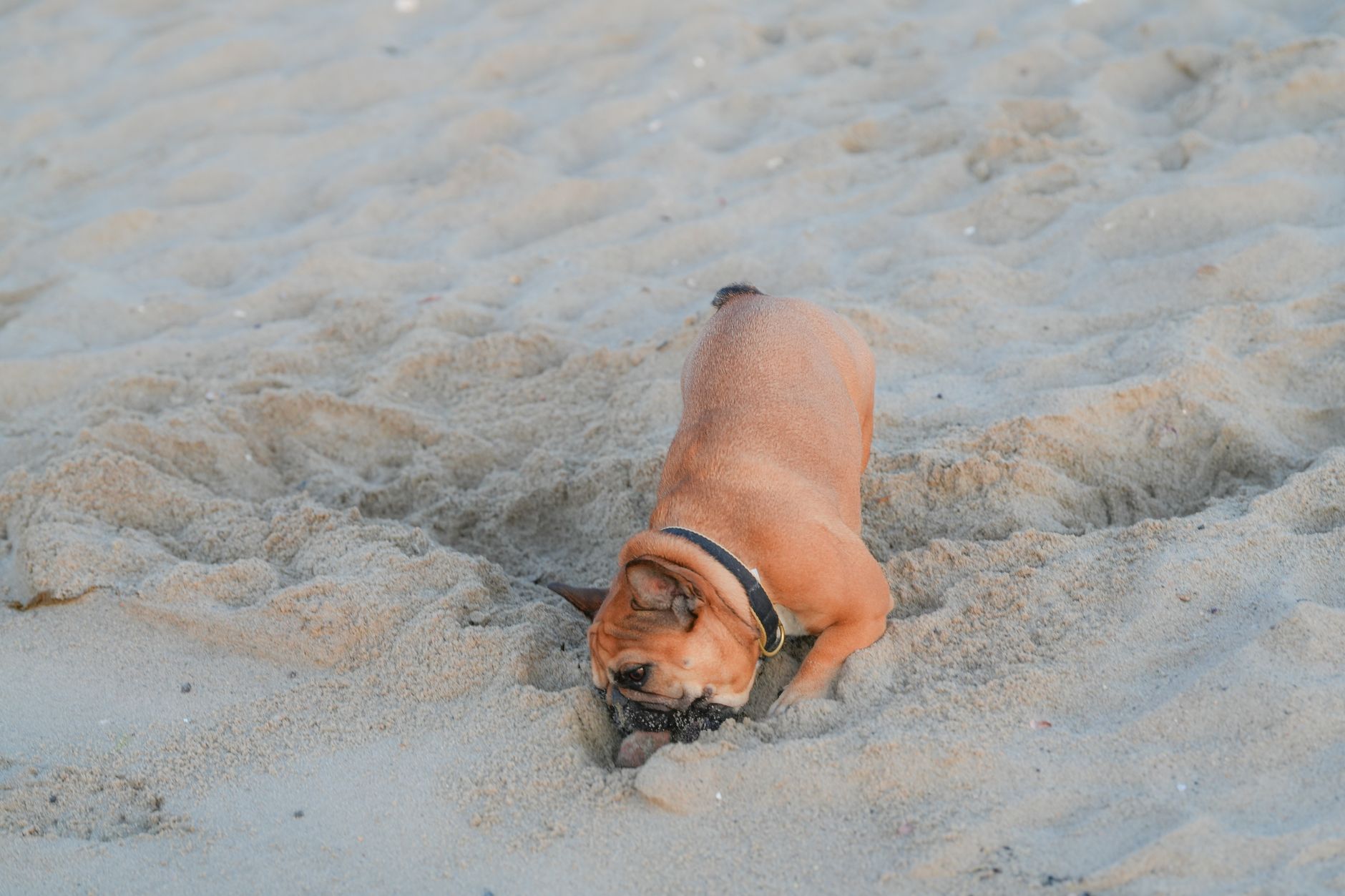
How to Build a Designated Dig Zone (The Vet-Approved Sandbox)
I always tell my clients that redirection is infinitely more successful than prevention. You cannot easily train out thousands of years of genetics, but you can control where that energy goes.
Creating a designated dig zone or a dog-friendly sandbox is the absolute gold standard for managing this behavior. This gives your dog a legal outlet where they are actually rewarded for digging.
To build this, use a child’s plastic sandbox or frame out a 4×4 area with non-treated wood. Fill it with play sand or a mix of loose, organic soil that is easy on their paws and claws.
By making this specific area the most rewarding spot in the yard, you can successfully preserve your landscaping while keeping your dog’s instincts satisfied.
- Step 1: Construct or buy a sturdy sandbox and fill it with safe, clean, washed play sand.
- Step 2: Bury high-value toys, durable chew bones, or puzzle dispensers just below the surface while your dog is watching.
- Step 3: Encourage your dog to find the buried treasure, using enthusiastic praise when they start scratching the sand.
- Step 4: If they try to dig in forbidden areas of the yard, calmly interrupt them and walk them over to their sandbox.
- Step 5: Consistently hide new treats in the dig zone daily to maintain a highly rewarding association.
Choosing the Right Sand
I highly recommend using washed play sand rather than builder’s sand. Play sand is non-toxic, twice-washed to remove dust, and gentler on your dog’s sensitive paw pads.

Clinical Hazards: The Hidden Dangers of Yard Digging
While digging is a natural behavior, it is not entirely harmless. As a veterinarian, I must warn you about the health hazards hidden beneath the surface of your lawn.
Soil is not just dirt; it is a complex ecosystem that can harbor dangerous pathogens, parasites, and sharp physical hazards. I regularly treat dogs in my practice for preventable injuries and illnesses contracted directly from digging.
From toxic lawn chemicals to buried construction debris, a seemingly harmless afternoon of digging can quickly turn into an emergency clinic visit. Hookworms and roundworms can penetrate the skin or be ingested during grooming.
Furthermore, inhaling fungal spores kicked up by deep digging can lead to severe systemic respiratory infections. We must balance their natural instincts with clinical safety.
- Ingestion of intestinal parasites such as hookworms, roundworms, and whipworms, whose eggs live in contaminated soil.
- Exposure to fungal pathogens like Blastomyces or Histoplasma, which can cause severe, life-threatening systemic respiratory infections.
- Accidental ingestion of toxic fertilizers, bone meal, blood meal, or chemical pesticides applied to lawns.
- Physical trauma including torn nails, deep pad lacerations from buried glass or metal, and foreign bodies lodged in the eyes.

How to Protect Your Yard and Safety Barriers
If you have a dog that is digging to escape, safety becomes your primary concern. A dog that gets out of a yard faces the immediate threat of vehicular trauma, getting lost, or encountering aggressive wildlife.
To prevent escape digging along fence lines, you need physical barriers that extend below the soil surface. This is a crucial safety step while you work on the underlying behavioral modification.
I recommend using physical deterrents that do not cause pain but make the act of digging physically impossible or highly unappealing. This protects both the dog and your peace of mind.
Never use physical punishment or shock collars to stop digging. This will only increase the dog’s anxiety and drive to escape the yard.
- Burying chain-link fencing or hardware cloth in an L-shape under the dirt line along the perimeter of your fence.
- Placing large, heavy river rocks along the base of the fence line to physically block access to the soil.
- Installing a physical barrier like commercial metal spikes that drive straight down into the earth under your gates.
- Avoiding the use of painful punishment devices, which only increase the dog’s anxiety and drive to escape.
The Role of Diet and Nutritional Deficiencies in Pica-Based Digging
Sometimes, digging isn’t just about moving soil; it’s about consuming it. If you notice your dog digging and then actively eating the dirt, this is a clinical behavior known as pica.
In my practice, I always investigate nutritional deficiencies or gastrointestinal disorders when a dog presents with soil-eating behavior. They may be seeking minerals like iron or sodium that are lacking in their daily diet.
It can also indicate underlying chronic inflammatory bowel disease or pancreatic insufficiency. If your dog is consuming dirt or clay, a full veterinary workup including a complete blood count and fecal exam is highly recommended.
Do not ignore this behavior, as ingesting large amounts of soil can lead to life-threatening intestinal impactions that require emergency surgery.
- Look for obsessive licking of soil, stones, or clay-like dirt in the yard.
- Rule out nutritional deficiencies by switching to a high-quality, AAFCO-approved complete and balanced diet.
- Monitor for secondary gastrointestinal symptoms like chronic vomiting, loose stools, or lethargy.
- Schedule a veterinary consultation to run a complete blood panel and test for malabsorption issues.
Related Dog Guides
Frequently Asked Questions
How do I stop my dog from digging under the fence?
To stop fence digging, start by installing physical barriers like buried chicken wire or heavy river rocks along the perimeter. Simultaneously, address the underlying cause of the escape behavior, which is usually separation anxiety, boredom, or a desire to seek a mate. Increasing daily exercise and mental enrichment can significantly reduce this drive.
Why does my dog dig at his bed or the couch?
This is a nesting behavior, distinct from outdoor digging. In the wild, canines dig to create a comfortable, safe sleeping depression and to clear away pests or debris. To manage this indoors, provide your dog with plush blankets they can safely bunch up and manipulate themselves, or invest in a durable orthopedic dog bed designed for nesting.
Are certain breeds more likely to dig than others?
Yes, genetics play a massive role in digging behaviors. Terriers and Dachshunds were specifically bred to hunt underground pests, making them highly prone to digging. Northern breeds like Huskies dig for temperature regulation, while working breeds like Border Collies may dig out of pure, unchanneled energy and boredom.
Is it safe for my dog to dig in the mud and dirt?
While natural, digging in soil carries several veterinary risks. Soil can contain parasite eggs (hookworms and roundworms), fungal spores that cause respiratory disease, and sharp debris like glass or metal. Additionally, if you use chemical fertilizers or bone meal on your garden, these can be highly toxic if your dog ingests them while digging.
Does neutering or spaying stop a dog from digging?
It can help if the digging is driven by hormonal impulses to escape and find a mate. Intact male dogs, in particular, will dig under fences to seek out female dogs in heat nearby. While spaying or neutering reduces this roaming instinct, it will not stop digging that is motivated by boredom, hunting, or temperature control.
How long does it take to train a dog to use a designated sandbox?
Most dogs will adapt to a designated sandbox within two to three weeks of consistent, positive training. The key is to make the sandbox significantly more rewarding than the rest of the yard by hiding high-value treats and toys there daily. Consistent, gentle redirection away from forbidden spots to the sandbox is crucial during this period.
Sources & Further Reading
- American Kennel Club (AKC)
- ASPCA
- Merck Veterinary Manual
- American Veterinary Medical Association (AVMA)
Final Thoughts
Managing a dog that digs requires a blend of clinical understanding, environmental management, and patience. Remember that your dog is not trying to make you angry; they are simply acting like a dog.
By identifying the root cause of the behavior—whether it is heat, boredom, pests, or simple instinct—you can implement targeted solutions that work. Building a designated dig zone and increasing mental enrichment are highly effective veterinary-approved strategies.
Take a close look at your dog’s paws today, check for any raw pads or split nails, and start your redirection plan. With consistency and the right outlets, you can enjoy a beautiful yard and a happy, healthy canine companion.