
Asian Self Breed Guide

Quick Summary
The Asian Self is an elegant, highly social feline combining the foreign-type, muscular grace of the Burmese with a solid-colored coat. In my clinic, I find them to be remarkably affectionate, demanding companions who thrive on human interaction and do best in active households where they won’t be left alone for long stretches.
Quick Facts
- origin countryUnited Kingdom
- breed groupAsian Group (GCCF)
- sizeMedium, muscular, elegant
- weight range6 to 13 lbs (2.7 to 5.9 kg)
- height range8 to 10 inches (20 to 25 cm)
- lifespan12 to 15+ years
- coat typeShort, fine, glossy, lying close to the body
- common colorsBlack (Bombay), Blue, Chocolate, Lilac, Cinnamon, Fawn, Red, Cream, Caramel, Apricot
- other namesSelf Asian
- recognized byGCCF, FIFe
Caring for a Asian Self
Living with an Asian Self is a highly interactive experience; these are not passive lap ornaments. In my years treating this breed, I have observed that they require significant daily mental stimulation and will shadow their owners from room to room. Their high metabolisms require structured feeding rather than free-choice grazing to prevent rapid weight gain. Providing ample vertical space and engaging toy rotations is absolutely essential to prevent boredom-driven behavioral issues.
Is a Asian Self a good family pet?
Yes, they make outstanding family pets because they thrive in bustling environments and genuinely enjoy the attention of multiple family members. Their playful, highly tolerant nature means they bond beautifully with respectful children who engage them in interactive play.
Do Asian Selfs shed a lot?
No, they are very low shedders thanks to their short, single coat that lacks a dense undercoat. A weekly run-through with a rubber grooming mitt is usually all that is needed to keep their coats gleaming and free of loose hair.
Is a Asian Self good for first-time owners?
They can be, provided the owner is prepared for an incredibly hands-on, vocal pet. If a novice owner is looking for an independent, quiet cat, this breed’s highly social and needy personality may prove overwhelming.
Temperament & Personality

The Asian Self possesses a brilliantly outgoing, expressive personality heavily influenced by its Burmese ancestry. They are deeply loyal, often forming a primary bond with one owner while remaining exceptionally friendly to guests. They communicate frequently using a soft, persistent voice that is expressive without being as harsh or raspy as a Siamese.
Is a Asian Self good with other pets?
They are exceptionally social and generally thrive in the company of other energetic cats or dog-friendly dogs. In my practice, I always recommend keeping them in pairs or multi-pet homes to help stave off loneliness.
How much attention does a Asian Self need?
A substantial amount; they do not cope well with being left entirely alone for 8 to 10 hours a day. They require active daily engagement, physical play, and plenty of lap time to remain emotionally healthy.
Training & Behavior
I always tell owners that the Asian Self is a prime candidate for training due to their high intelligence and strong desire for social reward. They learn new concepts rapidly and can easily be taught behaviors like fetching or coming when called. Because they are highly inquisitive, they will also figure out how to open cabinets and doors if their environment lacks stimulation.
Training Tips
- Use clicker training with highly palatable treats
- Keep training sessions short, fast-paced, and fun
- Always use positive reinforcement, never force or scolding
- Set up safe cabinet locks early to thwart their clever paws
Fun Activities
- Leash and harness training for outdoor walks
- Playing fetch with small crinkle balls or felt toys
- Navigating indoor cat agility obstacles
- Solving complex level-3 interactive food puzzles
Is a Asian Self easy to train?
Yes, they are highly trainable compared to many other feline breeds. Their social nature and high food motivation mean they respond eagerly to clicker training, targeting, and basic agility tasks.
Asian Self Health Issues
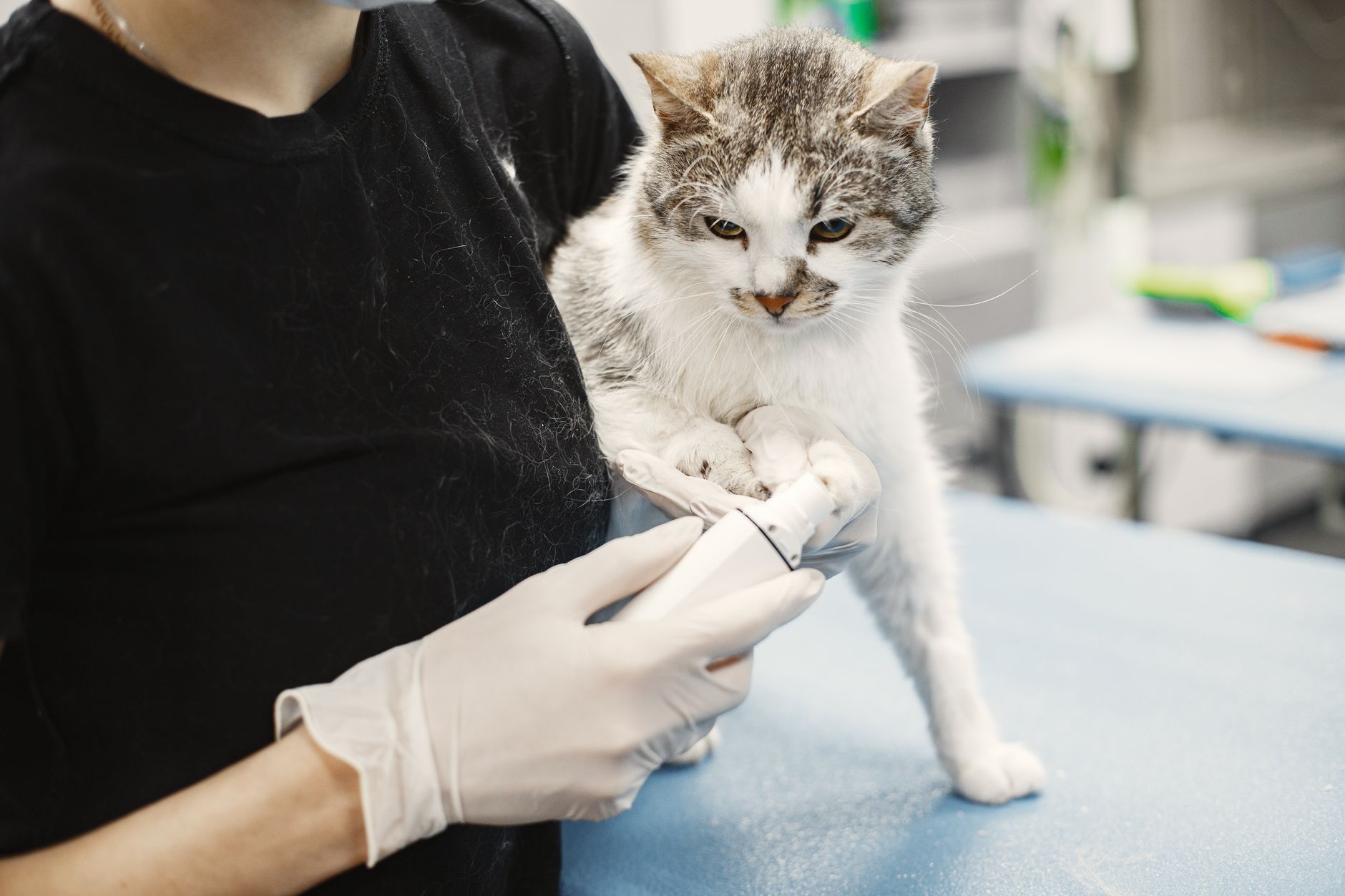
While the Asian Self is a generally robust and muscular breed, they share a genetic pool with the Burmese and are therefore predisposed to several of the same hereditary conditions. Regular screening and proactive veterinary management are key to ensuring their long-term vitality.
Hypokalemia (Familial Episodic Hypokalemic Polymyopathy)
An inherited genetic disorder that causes low systemic potassium levels, leading to severe episodic muscle weakness. Affected cats struggle to support their skeletal system, often manifesting as an inability to lift their head.
Diabetes Mellitus
Due to their genetic links to the Burmese, Asian Selfs have a higher-than-average predisposition to feline diabetes, a metabolic disease affecting insulin regulation. Early dietary intervention and weight management are vital clinical tools to prevent this.
Hypertrophic Cardiomyopathy (HCM)
A structural heart disease where the heart’s left ventricular wall thickens, reducing cardiac efficiency. In my practice, I recommend that breeding cats undergo annual echocardiograms to identify this silent condition early.
Gingivitis and Periodontal Disease
Like many elegant-headed and short-nosed breeds, the Asian Self can be highly prone to early-onset dental disease. Chronic gum inflammation can lead to pain, premature tooth loss, and systemic infections.
How long do Asian Selfs typically live?
With excellent indoor care, a balanced diet, and routine veterinary care, they routinely live between 12 and 15+ years, with some reaching up to 18 years of age. Regular senior blood panels starting at age seven are highly recommended.
What to Feed a Asian Self
To support their high energy and elegant muscular frame, an Asian Self requires a diet rich in high-quality animal proteins. Because of their clinical predisposition to diabetes, dietary carbohydrate levels should be kept strictly low.
Best Diet
A high-quality, meat-first wet or canned food is ideal to maintain lean muscle mass and promote optimal hydration. Avoid diets heavy in cereal grain fillers to protect their insulin sensitivity.
How to Feed
Establish strict, scheduled meals twice or three times daily rather than allowing free-access feeding. Utilizing puzzle toys or slow-feeders is an excellent way to slow down eager eaters and provide mental exercise.
How Much to Feed
Portion sizes should be determined in consultation with your vet based on a Body Condition Score (BCS). Generally, an active 9 lb adult Asian Self requires approximately 200 to 240 calories per day, but individual needs vary.
Nutritional Tips
Incorporate a pet water fountain to encourage regular drinking, as these active cats can sometimes ignore static water bowls. Avoid offering high-carb table scraps, as keeping them lean is their best defense against diabetes.
Asian Self Grooming Guide
Grooming an Asian Self is simple and straightforward, making it an excellent breed choice for those who do not want to manage heavy coat maintenance. Their fine, short coat stays naturally sleek with very little assistance.
Coat Care
Brush the coat once a week with a rubber grooming mitt or soft-bristled brush to remove dead hairs. Polishing their short fur with a damp chamois leather cloth will make their solid coat shine beautifully.
Skin Care
Routine bathing is unnecessary unless they get into something dirty, as they are fastidious self-groomers who keep their skin clean.
Ear Care
Inspect ears weekly for mild wax buildup, redness, or a yeast odor. Clean them gently only when dirty using a vet-recommended feline ear flush and a soft cotton round.
Nail & Dental Care
Trim nails every 2 to 3 weeks to prevent snagging, and brush teeth daily with an enzymatic veterinary toothpaste to aggressively combat periodontal disease.
Considerations for Pet Parents
Pros
- Extremely affectionate and people-oriented
- Highly intelligent and highly trainable
- Very low grooming and shedding requirements
- Gets along excellently with dogs and other cats
- Charming, expressive, and interactive personality
- Strongly devoted and loyal to their families
Cons
- Can be emotionally demanding and prone to separation anxiety
- Can be highly vocal and talkative when seeking attention
- Prone to genetic health issues like Hypokalemia and Diabetes
- High energy levels require dedicated daily play
Best For
The ideal owner is someone who spends a lot of time at home or has a multi-pet household, and wants a highly interactive, dog-like feline companion who will participate in every aspect of daily life.
Not Recommended For
They are not recommended for busy professionals who work long 12-hour shifts outside the home, or for individuals seeking a quiet, independent, hands-off lap cat.
Cost
- purchase price$800 – $1,500
- monthly cost$80 – $150
- initial setupInitial setup expenses, including microchipping, early vaccinations, spay/neuter surgery, and high-quality vertical scratching posts, typically total between $500 and $1,000.
Similar Breeds

Related Cat Guides
Asian Self FAQs
What is the difference between an Asian Self and a Burmese?
The main difference lies in registration and coat color variations. While the Burmese is limited to traditional sepia shades like sable, champagne, blue, and platinum, the Asian Self group allows for solid (self) colors including deep black, chocolate, and lilac, while maintaining the same energetic and affectionate temperament.
Are Asian Self cats hypoallergenic?
No, they are not hypoallergenic. They produce the Fel d 1 protein in their saliva, skin, and dander like all cats, though their low-shedding coats may cause slightly less dander dispersal in the home compared to long-haired breeds.
Why does my Asian Self cry so much?
This breed is naturally highly vocal and communicative. They use their voices to express affection, demand food, ask for playtime, or protest being left alone; however, if the vocalization becomes sudden or frantic, consult your vet to rule out medical issues.
Do they get along with dogs?
Yes, they are famous for their bold, outgoing, and confident personalities, which typically make them excellent companions for cat-friendly dogs. They often enjoy playing chase and sleeping curled up together.
Can I keep my Asian Self as an indoor-only cat?
Yes, I highly recommend keeping them indoors for their safety. Their extremely trusting, curious, and friendly nature makes them vulnerable to traffic, outdoor predators, infectious diseases, and theft.
How do I prevent my Asian Self from getting bored?
Prevent boredom by providing plenty of vertical space, such as tall cat trees and window perches, alongside interactive toys, food puzzles, and structured, daily play sessions with you.
Are they prone to weight gain?
Yes, because of their solid, muscular frame, excess fat can be hard to spot until they are significantly overweight. Routine weight checks and strict portion control are crucial to prevent obesity and secondary diabetes.
Do they suffer from separation anxiety?
Yes, they form incredibly close bonds with their humans and can struggle with distress when left entirely alone. Having another compatible cat or a friendly dog in the home can dramatically reduce their stress levels if you are away.
Is the Bombay cat the same as a Black Asian Self?
In some registration bodies like the GCCF in the UK, the Black Asian Self is functionally equivalent to the Bombay. However, in North America, the Bombay is recognized as a distinct breed bred from American Shorthairs and Burmese, with a slightly different breed standard.
At what age do Asian Self cats mature?
Physically, they reach full skeletal maturity around 12 to 18 months of age, developing their characteristic muscular, elegant build. Mentally, they retain their highly playful, kitten-like energy levels well into their adult and senior years.
How often should I take my Asian Self to the vet?
I recommend annual wellness exams for adult cats up to seven years of age to monitor dental health and complete routine vaccinations. For senior cats over seven, twice-yearly exams with comprehensive blood work are ideal to screen for kidney disease or diabetes.
Do they like to climb?
Absolutely, they are high-energy climbers who love to survey their environment from above. If you do not provide dedicated tall cat trees or wall shelves, they will inevitably climb your curtains, bookshelves, and doors.
Can Asian Self cats be trained to walk on a leash?
Yes, they are excellent candidates for harness and leash training due to their confident and inquisitive nature. Start training indoors at a young age using positive reinforcement, ensuring they are fully comfortable before venturing outside.