
Boxer Breed Guide

Quick Summary
The Boxer is an energetic, fiercely loyal, and medium-to-large breed celebrated for its playful ‘Peter Pan’ personality and natural guardian instincts. Famously patient with children, they are outstanding family protectors that thrive in highly active households willing to invest in consistent training. They require a dedicated owner who can channel their exuberant athletic energy and handle their deep need for human companionship.
Quick Facts
- origin countryGermany
- breed groupWorking Group
- sizeMedium to Large
- weight range65 to 80 pounds (males); 50 to 65 pounds (females)
- height range23 to 25 inches (males); 21.5 to 23.5 inches (females)
- lifespan10 to 12 years
- coat typeShort, shiny, tight-fitting single coat
- common colorsFawn, Brindle (often with white markings known as ‘flashy’)
- other namesDeutscher Boxer
- recognized byAKC, UKC, FCI, KC (UK), ANKC
Caring for a Boxer
Living with a Boxer means embracing a whirlwind of goofy joy, leaning, and enthusiastic greetings. In my experience, they thrive when they are treated as true members of the family, sharing your living space rather than being relegated to the backyard. They need daily physical outlets—ideally a mix of vigorous play and mental puzzles—and a structured environment to keep their exuberant energy in check. Expect plenty of close physical contact, as these are highly affectionate dogs that do not understand the concept of personal space.
Is a Boxer a good family pet?
Absolutely, they are legendary family companions who are famously patient and protective with children. However, their sheer physical exuberance means they can accidentally knock over toddlers, so close supervision is always recommended during play.
Do Boxers shed a lot?
They are moderate, year-round shedders with a short single coat that is incredibly low-maintenance. Regular weekly brushing with a rubber curry brush or grooming mitt is usually all it takes to keep the loose hairs off your furniture.
Is a Boxer good for first-time owners?
I usually advise first-time owners to proceed with caution, as Boxers require highly consistent, firm, and patient training. Their combination of high physical strength and stubbornness can easily overwhelm someone unprepared for a long, bouncy adolescence.
Temperament & Personality

Boxers are often described as the ‘Peter Pan’ of the dog world, remaining playful and puppy-like until they are three or four years old. They possess a unique blend of clownish silliness and serious guardian instincts. They are incredibly devoted to their families, highly affectionate, and have a distinct ‘kid-glove’ gentleness around those they love. While alert and watchful, they should never be needlessly aggressive when properly socialized.
Is a Boxer good with other pets?
They can co-exist beautifully with other household pets if raised together from puppyhood. However, some adult Boxers can exhibit same-sex dog aggression and a high prey drive toward small animals, so structured introductions are key.
How much attention does a Boxer need?
They are highly social ‘velcro’ dogs that crave human companionship and do not do well when left alone for long stretches. I always warn owners that a neglected Boxer will quickly turn to destructive chewing and digging to relieve their anxiety.
Training & Behavior
Training a Boxer requires understanding their sensitivity and their intelligence; they shut down under harsh correction but get bored easily with repetitive drills. I’ve found that using positive reinforcement paired with gamified training keeps their focus sharp. They are natural working dogs who love having a job to do, but they will test boundaries during adolescence. Early, continuous socialization is vital to ensure their protective instinct remains controlled and appropriate.
Training Tips
- Use positive reinforcement with high-value treats and toy rewards
- Keep training sessions short, varied, and fast-paced to prevent boredom
- Socialize extensively during the critical 8 to 16 week window
- Teach a strong ‘place’ cue to manage over-enthusiastic greetings
- Establish consistent house rules from day one to manage boundary-testing
Fun Activities
- Agility courses
- Scent work and tracking
- Flyball
- Dock diving
- Advanced obedience and trick training
- Canicross or structured hiking
Is a Boxer easy to train?
They are highly intelligent and eager to please, but their independent streak and slow maturity require a patient trainer. If you keep training fun and reward-based rather than repetitive, they learn incredibly quickly.
Boxer Health Issues

While robust in appearance, Boxers are unfortunately prone to several serious genetic health conditions. Working with a reputable breeder who performs comprehensive health screenings—specifically for heart issues and hip dysplasia—is crucial for their long-term well-being.
Boxer Cardiomyopathy (ARVC)
Arrhythmogenic Right Ventricular Cardiomyopathy is an inherited heart muscle disease that causes erratic heart rhythms, potentially leading to fainting or sudden cardiac arrest.
Degenerative Myelopathy (DM)
A progressive, incurable disease of the spinal cord that is similar to ALS in humans, leading to gradual paralysis of the hindquarters.
Gastric Dilatation-Volvulus (GDV / Bloat)
A life-threatening emergency where the deep-chested stomach fills with gas and twists on itself, cutting off blood flow to vital organs.
Mast Cell Tumors (MCTs)
Boxers are highly prone to these common skin cancers, which can look like harmless bumps but vary wildly in malignancy.
Hip Dysplasia
A genetic condition where the femur does not fit snugly into the hip joint, leading to painful arthritis over time.
Hypothyroidism
An underactive thyroid gland that slows down the dog’s metabolism, causing systemic skin and weight issues.
How long do Boxers typically live?
Their average lifespan is 10 to 12 years. Regular veterinary checkups, maintaining a lean weight, and early screening for cardiac issues can help maximize their quality of life during these years.
What to Feed a Boxer
Boxers are active, muscular dogs that require a nutrient-dense diet to sustain their high energy levels. Because they are deep-chested and prone to bloat, feeding management is just as important as the food itself.
Best Diet
A high-quality, large-breed adult kibble formulated with premium animal proteins as the first ingredient is ideal. For puppies, a specialized large-breed puppy formula is essential to ensure slow, steady bone and joint development.
How to Feed
Always split their daily food allowance into at least two, or ideally three, smaller meals. I strongly advise using a slow-feeder bowl and keeping them calm and quiet for at least one hour after eating to minimize the risk of bloat.
How Much to Feed
On average, an active adult Boxer needs about 2.5 to 3 cups of high-quality dry food per day, divided into meals. Always consult your veterinarian to adjust portions based on your dog’s age, metabolic rate, and activity level.
Nutritional Tips
Incorporate joint supplements like glucosamine and chondroitin early in life to support their hardworking joints. Additionally, omega-3 fatty acids from fish oil can help support cardiac health and maintain their skin barrier.
Boxer Grooming Guide
Grooming a Boxer is wonderfully low-maintenance, making them one of the easiest breeds to keep clean. Their short, single coat doesn’t trap dirt or odors easily, meaning they rarely smell ‘doggy.’
Coat Care
Brush them once a week with a rubber grooming mitt or curry brush to remove dead hair and distribute natural skin oils. They only require baths every 6 to 8 weeks, unless they have rolled in something messy.
Skin Care
Pay special attention to their facial wrinkles, wiping them clean with a damp cloth and drying them thoroughly to prevent yeast infections.
Eye Care
Keep an eye out for corneal ulcers (‘Boxer ulcers’), wiping away any daily discharge with a soft, damp cloth.
Ear Care
Check their ears weekly for redness, odor, or wax buildup, cleaning them with a vet-approved gentle ear cleanser as needed.
Nail & Dental Care
Trim their nails every 3 to 4 weeks, as long nails can cause joint strain. Brush their teeth daily with dog-safe toothpaste to prevent periodontal disease.
Considerations for Pet Parents
Pros
- Extremely loyal and affectionate family protector
- Incredibly playful, entertaining ‘clownish’ personality
- Very low-maintenance grooming routine
- Excellent with children of all ages
- Highly athletic and a great running partner
- Generally quiet indoors compared to other active breeds
Cons
- High exercise and mental stimulation requirements
- Prone to several severe genetic health issues
- Can be stubborn and slow to mature
- Slobbering, drooling, and flatulence are common
- Highly sensitive to extreme heat and cold due to short muzzle
Best For
Active, engaged owners or families who can dedicate at least 1-2 hours daily to exercise and training, and who want a highly affectionate dog that lives as an indoor family member.
Not Recommended For
Sedentary individuals, those who work long hours away from home, or people unwilling to invest time in structured, consistent training and early socialization.
Cost
- purchase price$1,500 to $3,500 from a reputable, health-testing breeder
- monthly cost$150 to $250 (covering high-quality food, preventative meds, and pet insurance)
- initial setupExpect to spend $1,000 to $1,500 initially on a large crate, high-quality bed, veterinary checkups, vaccinations, and basic gear.
Similar Breeds

Doberman Pinscher
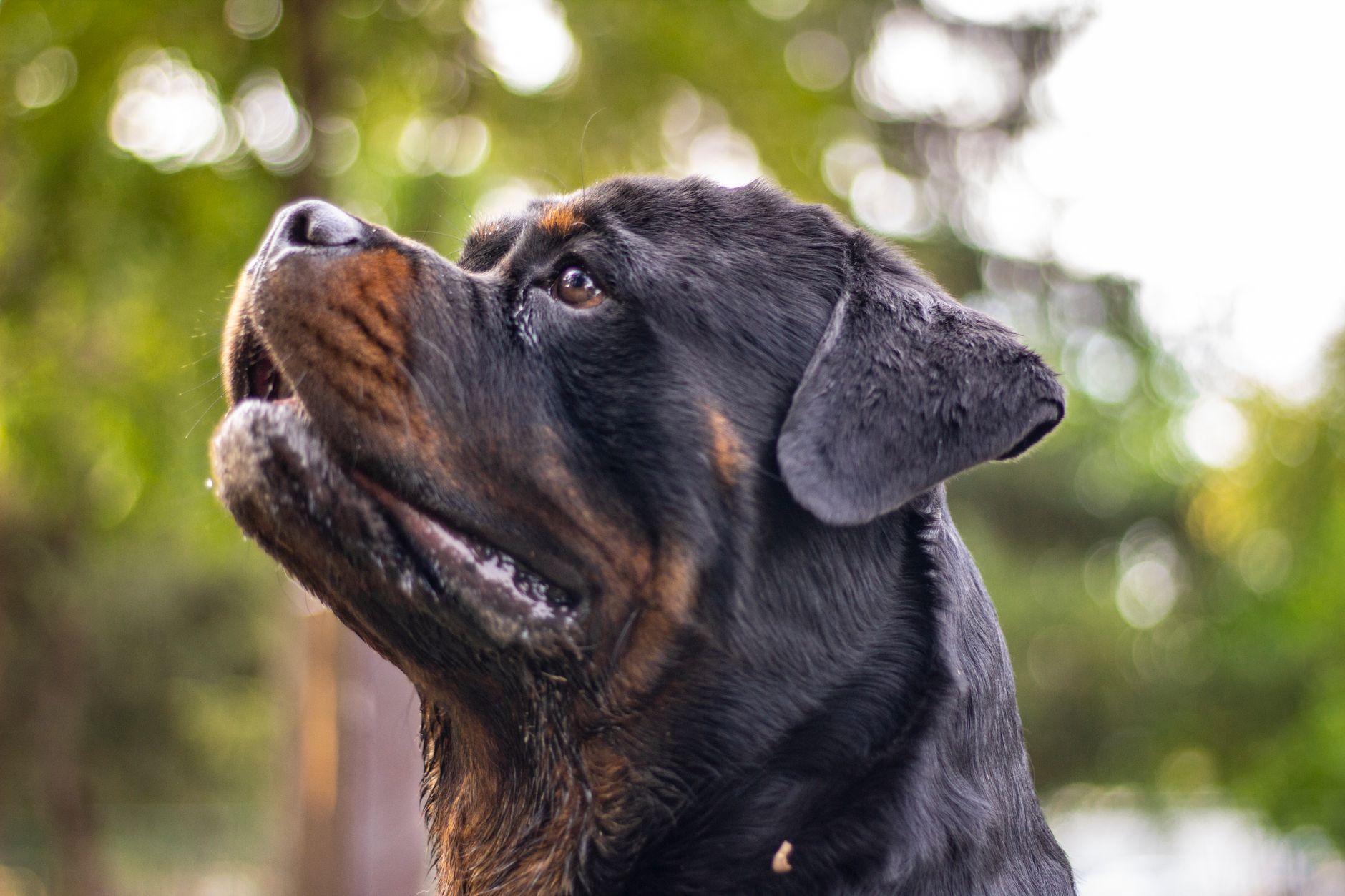
Rottweiler
Boxer FAQs
Why do Boxers ‘wiggle’ so much?
Boxers are famous for their full-body ‘kidney bean’ dance. When happy or excited, they wiggle their entire rear ends in a U-shape because many have naturally docked or short tails, translating their joy into a full-body movement.
Are Boxers prone to drooling?
Yes, due to their brachycephalic jaw structure and loose jowls, many Boxers drool, especially after drinking water, while watching you eat, or when they are hot. Keeping a ‘slobber rag’ handy is a common habit for Boxer owners.
Why do Boxers make snorting or wheezing sounds?
As a brachycephalic (short-nosed) breed, Boxers have compressed airways. They often snort, snore loudly, or experience ‘reverse sneezing,’ which is usually harmless but should be monitored if it becomes severe.
Can Boxers tolerate cold weather?
No, Boxers have a very short single coat and lack a dense undercoat to insulate them. In cold winter months, they should wear a dog sweater or coat for walks and should never be left outside.
Do Boxers handle heat well?
They tolerate heat poorly because their short muzzles make it harder for them to cool down by panting. On hot days, limit outdoor exercise, keep them in air-conditioned spaces, and watch closely for signs of heatstroke.
Why is my Boxer so gassy?
Boxers are notorious for flatulence. This can be caused by swallowing air when they gulp food quickly (aerophagia) or dietary sensitivities. Using a slow-feeder bowl and finding a high-quality, easily digestible grain-free or limited-ingredient diet can help.
Are white Boxers rare or unhealthy?
White Boxers are not albino and make up about 20-25% of all Boxer births. While they are not rare, they do carry a significantly higher risk of congenital deafness (around 18-20% are deaf in one or both ears) and are highly susceptible to sunburn.
At what age do Boxers calm down?
Boxers are slow-maturing dogs that generally retain their hyperactive puppy-like energy until they are about 3 to 4 years old. Structured training, mental enrichment, and regular exercise are key to managing this prolonged adolescence.
Are Boxers aggressive dogs?
Naturally, Boxers are protective but not inherently aggressive. They were bred as guard dogs, so they may be reserved with strangers, but proper socialization prevents this watchful nature from turning into unwarranted aggression.
Can Boxers be left alone for 8 hours?
I strongly discourage leaving a Boxer alone for long workdays. They are highly people-oriented and prone to separation anxiety, which can quickly manifest as destructive chewing, howling, and house-soiling.
Why does my Boxer ‘box’ with its paws?
This is the signature behavior that gave the breed its name! Boxers naturally use their front paws to play, explore, and communicate, often batting at other dogs, toys, or even their owners during play.
Are Boxers good apartment dogs?
They can adapt to apartment living if—and only if—their owners commit to providing several hours of rigorous outdoor exercise daily. Without proper physical outlets, an apartment-dwelling Boxer will become frustrated and destructive.
Do Boxers need a fenced yard?
While a securely fenced yard is highly beneficial for playing fetch and burning off energy, it is not strictly mandatory if you are committed to daily walks and park visits. Boxers should never be left unsupervised in a yard for long periods.
What is the ‘Boxer lean’?
This is a common affectionate behavior where a Boxer will press the side of their body or rear end firmly against your legs while you stand. It is their way of seeking physical contact and showing trust and affection.