

Quick Summary
Selecting a family dog requires matching the breed’s energy level, size, and temperament with your children’s ages and your household’s routine. As a veterinarian, I look beyond mere cuteness to analyze genetic health risks, trainability, and tolerance for unpredictable behaviors. Breeds like Golden Retrievers, Labradors, and Cavaliers consistently excel in family settings when combined with proper socialization and pediatric veterinary care.
In my years of treating family pets, I have seen the incredible bond that can form between a child and a dog. However, I have also seen the heartbreak that occurs when a family chooses a breed that is a poor match for their lifestyle.
Choosing a dog is not just about finding a cute puppy; it is about welcoming a new member whose biological and behavioral needs align with your household.
Let’s walk through the ten most family-friendly dog breeds, analyzed from a clinical and behavioral perspective, to help you make an educated decision.
Key Takeaways
- Temperament is highly heritable; always ask to meet a puppy’s parents to gauge future behavior.
- Large breeds like Labradors are sturdy but require early training to prevent them from accidentally knocking over small children.
- Small breeds like Cavalier King Charles Spaniels are exceptionally gentle but physically delicate and require protection from toddlers.
- Every family dog needs a designated safe zone where children are strictly forbidden from disturbing them.
- Genetic health conditions, from hip dysplasia to cardiac disease, should be screened for before you finalize any adoption.
- Regular veterinary care, including internal parasite control, is crucial to protect your children from zoonotic diseases.
In This Article
- 1. The Golden Retriever: The Classic Family Companion
- 2. The Labrador Retriever: Energetic and Loyal
- 3. The Cavalier King Charles Spaniel: The Gentle Lapdog
- beagle-the-friendly-and-sturdy-explorer”>4. The Beagle: The Friendly and Sturdy Explorer
- boxer-the-playful-and-protective-guardian”>5. The Boxer: The Playful and Protective Guardian
- 6. The Bernese Mountain Dog: The Calm Giant
- poodle-standard-or-miniature-hypoallergenic-intelligence”>7. The Poodle (Standard or Miniature): Hypoallergenic Intelligence
- 8. Clinical Advice on Preventing Dog Bites and Injury
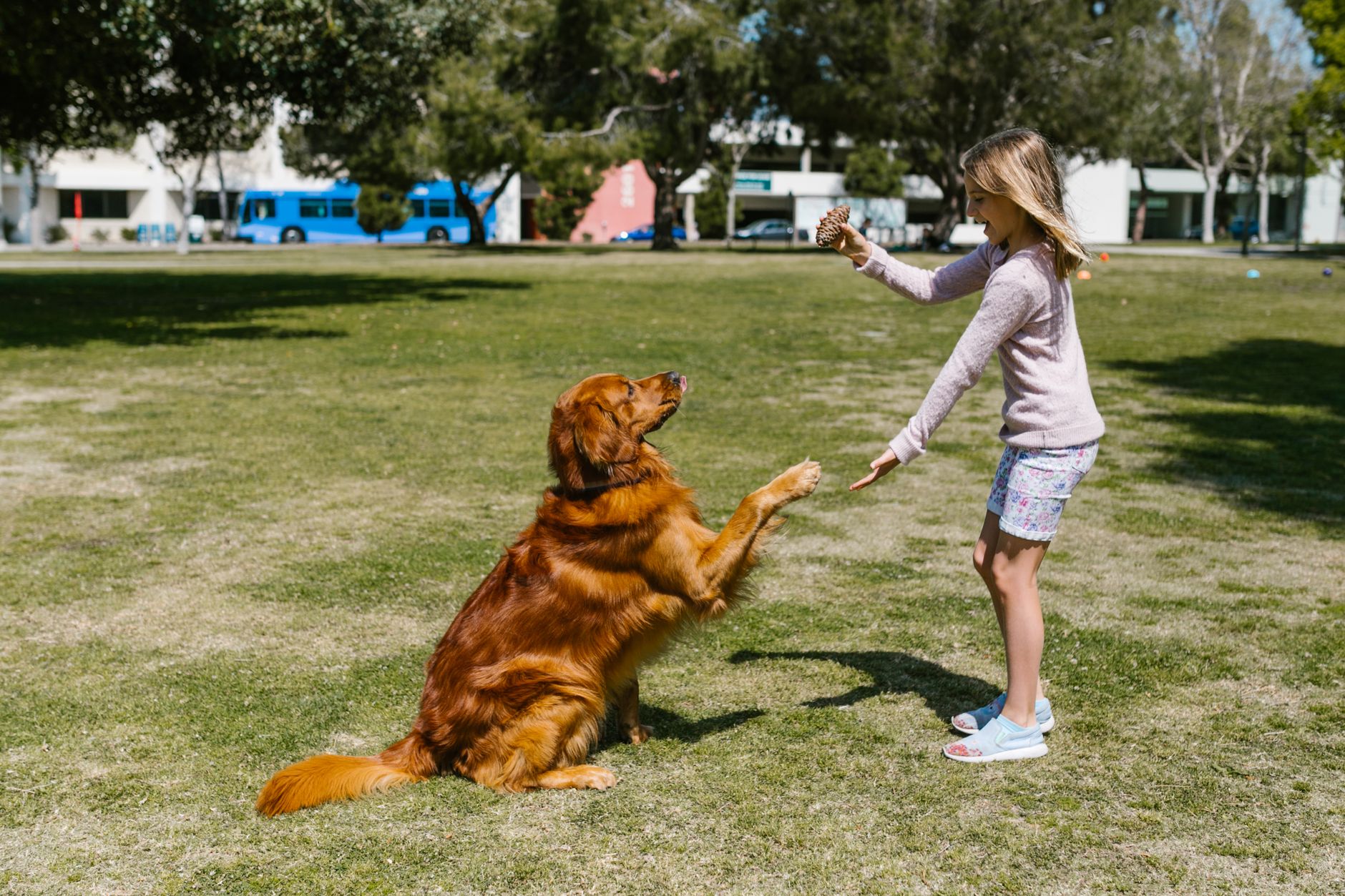
1. The Golden Retriever: The Classic Family Companion
There is a reason the Golden Retriever remains the gold standard for families. In my clinic, these dogs consistently demonstrate an exceptional threshold for patience and a highly forgiving nature.
They are highly intelligent, making them eager to please and relatively easy to train, even for first-time owners.
However, their long double coats require regular maintenance to prevent painful matting, especially behind the ears and in the groin. They are also prone to heavy seasonal shedding, which can be a trigger for children with underlying respiratory allergies.
- Temperate, patient, and highly social with children of all ages
- Prone to hip and elbow dysplasia, requiring genetic screening of parents
- High risk of certain cancers, particularly hemangiosarcoma and lymphoma, in their senior years
- Requires daily physical exercise and mental stimulation to prevent destructive chewing
Orthopedic Concerns to Watch For
During puppy exams, I pay close attention to the hips of growing Goldens. Keep their growth slow and steady with breed-specific puppy food to protect their developing joints.
2. The Labrador Retriever: Energetic and Loyal
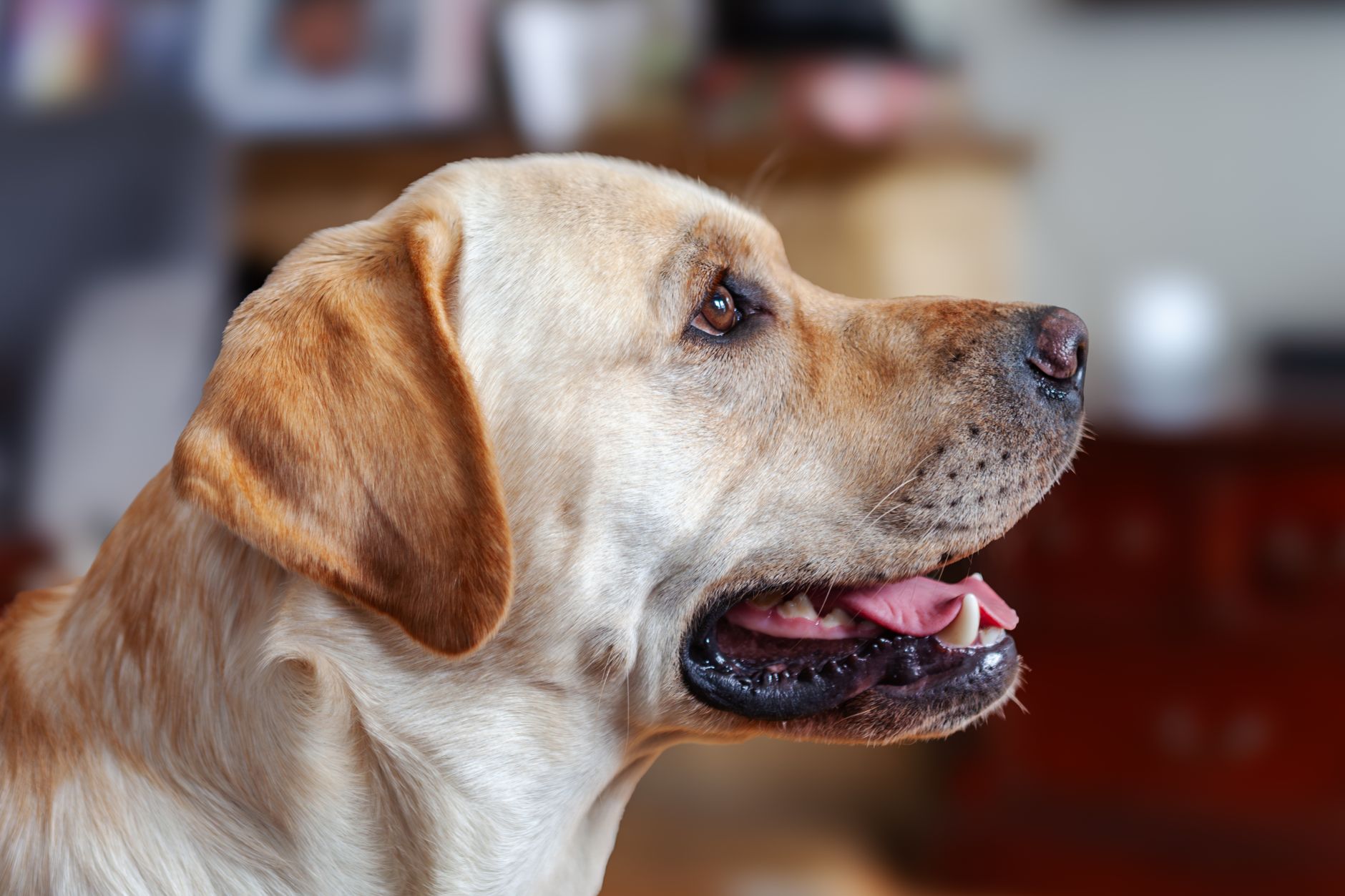
Labrador Retrievers are the most popular breed in America for good reason. Their sturdy, muscular build makes them excellent playmates for active, older children who love to play fetch in the backyard.
From a clinical standpoint, Labs are highly food-motivated, which is fantastic for training but makes them incredibly prone to obesity. A fat Lab is a dog destined for early-onset arthritis and joint pain, which I treat daily in my practice.
- Incredibly loyal, outgoing, and resilient during active play
- Prone to dietary indiscretion, meaning they will eat socks, toys, and rocks
- High incidence of cruciate ligament (ACL) tears if allowed to become overweight
- Requires a minimum of 45 to 60 minutes of vigorous exercise daily
The Danger of Foreign Body Ingestion
I have performed countless surgeries on Labs to remove swallowed toys and baby socks. Keep child play areas strictly swept of small items to prevent life-threatening intestinal blockages.
3. The Cavalier King Charles Spaniel: The Gentle Lapdog
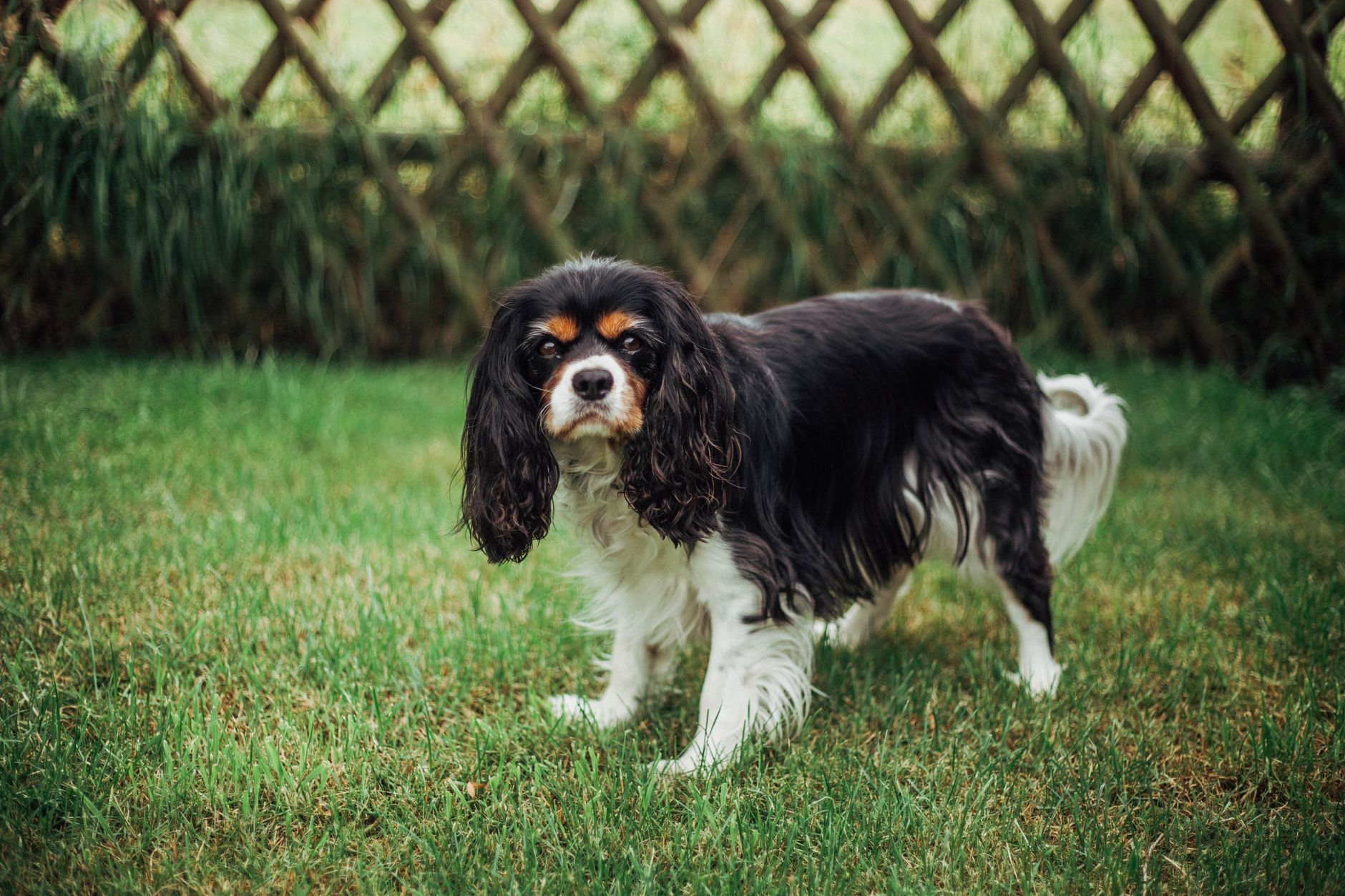
If you have toddlers or live in an apartment, the Cavalier King Charles Spaniel is an outstanding choice. These dogs are natural therapy animals, offering quiet affection and a remarkably gentle disposition.
They do not possess the high-energy drive of retrievers, making them perfect for families who prefer quiet indoor games and structured neighborhood walks. However, their physical delicacy means children must be taught to handle them with extreme care to avoid orthopedic injuries.
- Extremely affectionate, quiet, and highly adaptable to small living spaces
- High risk of Mitral Valve Disease (MVD), a progressive genetic heart condition
- Prone to ear infections due to their heavy, drop ears trapping moisture
- Susceptible to patellar luxation, where the kneecap slips out of its normal groove
Managing Cardiac Health
Almost all Cavaliers will develop a heart murmur at some point in their lives due to MVD. Annual veterinary echocardiograms and early medication can significantly extend their quality of life.
4. The Beagle: The Friendly and Sturdy Explorer
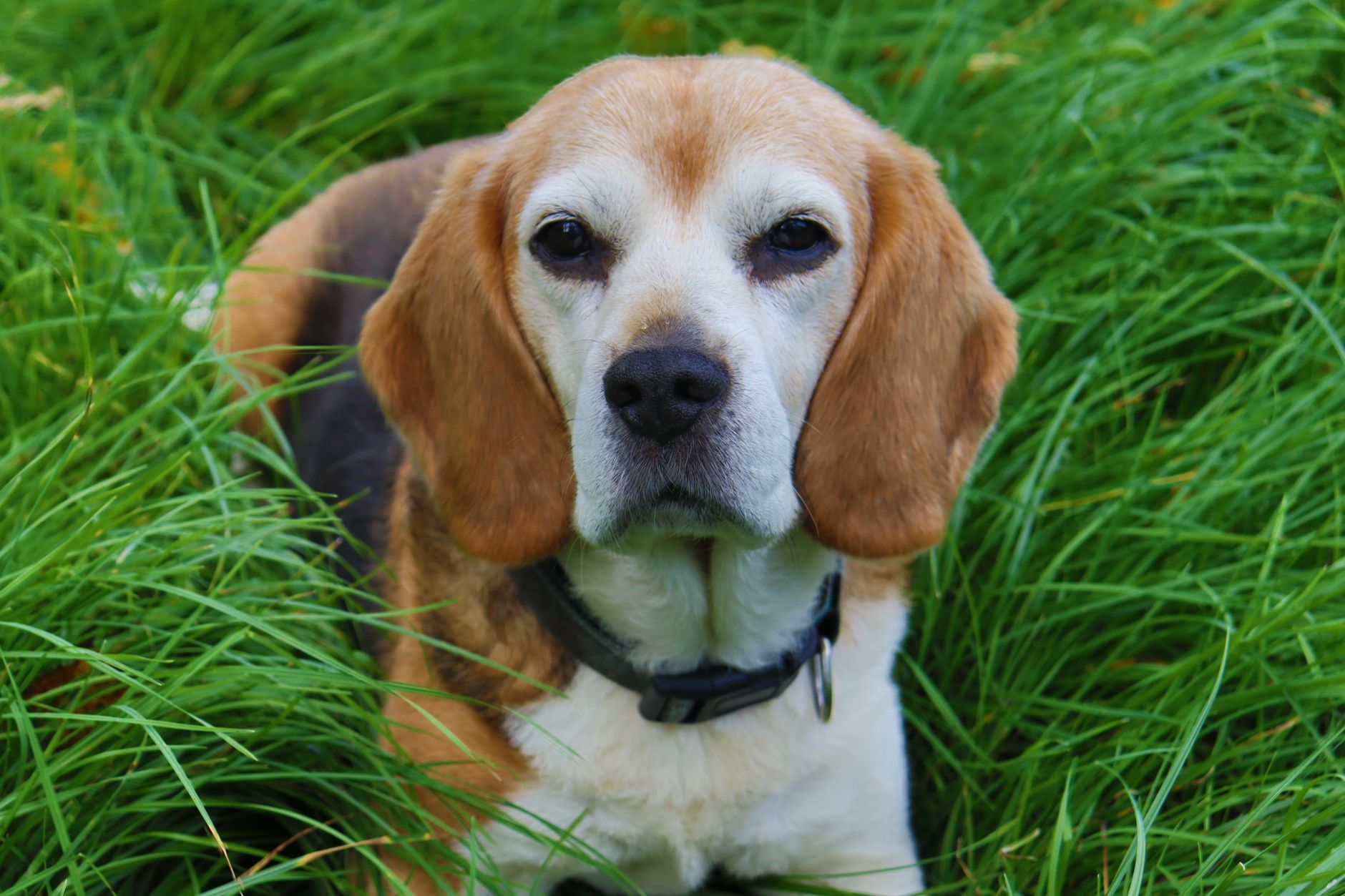
Beagles are happy-go-lucky, compact dogs that thrive on being part of a pack. Their sturdy frames make them less fragile than toy breeds, which is a major plus for households with energetic toddlers.
Because they are scent hounds, their noses rule their brains. In my practice, I often warn owners that a Beagle cannot be trusted off-leash, as they will instantly bolt if they catch an interesting scent.
Scent-Driven Behavior
A Beagle’s instinct to follow a trail is incredibly powerful. Ensure your yard has a secure, escape-proof fence that extends slightly underground to prevent digging.
- Prone to obesity due to an insatiable appetite
- High risk of chronic ear infections (otitis externa)
- Vocal breed that may howl or bay when left alone
5. The Boxer: The Playful and Protective Guardian
Boxers are often described as the ‘clowns’ of the canine world. Their high energy, boundless enthusiasm, and protective instincts make them fantastic matches for older, active children.
They require consistent training from puppyhood to curb their natural instinct to jump up when excited. Because they are a brachycephalic (flat-faced) breed, they do not tolerate heat well and can easily succumb to heatstroke.
- Highly protective, energetic, and fiercely loyal to their family unit
- Prone to brachycephalic airway syndrome, requiring climate-controlled indoor living
- Higher genetic risk for heart conditions like arrhythmogenic right ventricular cardiomyopathy
- Susceptible to mast cell tumors and other forms of cancer as they age

6. The Bernese Mountain Dog: The Calm Giant
For families who love large dogs, the Bernese Mountain Dog is an incredibly gentle, slow-paced companion. They are famously patient with children, often acting as a calm, reassuring presence in busy households.
Their sheer size means they must be trained early before they weigh over 100 pounds. Unfortunately, their majestic beauty comes with a tragic clinical reality: they have one of the shortest lifespans in the canine world.
Understanding Their Lifespan and Health
Bernese Mountain Dogs have an average lifespan of just 6 to 8 years. They are highly predisposed to histiocytic sarcoma, an aggressive cancer, as well as severe joint issues.
- Gentle, patient, and highly tolerant of children’s antics
- Prone to gastric dilatation-volvulus (GDV or bloat), a life-threatening medical emergency
- Requires extensive grooming to manage their thick, heavy double coat

7. The Poodle (Standard or Miniature): Hypoallergenic Intelligence
Poodles are exceptionally smart, ranking near the top of canine intelligence charts. This makes them highly responsive to positive reinforcement training and capable of learning complex family rules quickly.
While no dog is truly 100% hypoallergenic, Poodles shed very little dander, making them the premier choice for allergic households. However, their continuously growing hair requires professional grooming every 4 to 6 weeks.
- Highly intelligent, athletic, and excellent for allergy sufferers
- Standard Poodles are prone to GDV (bloat) and sebaceous adenitis (a skin disease)
- Miniature Poodles are prone to tracheal collapse and dental disease
- Requires frequent, professional coat maintenance to prevent severe matting
The Importance of Dental Care
This is especially true for Miniature and Toy Poodles. Daily teeth brushing and professional veterinary cleanings are essential to prevent systemic infections caused by periodontal disease.
8. Clinical Advice on Preventing Dog Bites and Injury
As a veterinarian, I must emphasize that any dog can bite if pushed too far, regardless of breed. Children must be taught to read canine body language to recognize signs of stress or fear.
I always tell my clients that supervision is not just watching; it is actively intervening before a situation escalates. Never allow children to hug, kiss, or ride on any dog, as these actions trigger a dog’s defense mechanisms.
- Lip licking, yawning, or showing the whites of the eyes (whale eye) are early signs of stress.
- Growling is a warning sign that should never be punished; it is a dog’s way of saying ‘I am uncomfortable.’
- Create a ‘safe zone’ like a crate or specific bed where the dog is completely untouched by kids.
- Always supervise interactions during feeding times, as resource guarding can develop unexpectedly.
Frequently Asked Questions
Which of these breeds is best for a child with severe asthma or allergies?
The Standard or Miniature Poodle is your best choice due to their non-shedding coat which traps dander. However, you should still have your child meet a Poodle before adopting, as saliva and urine can also trigger allergic reactions.
Are shelter mutts safe for households with young children?
Absolutely, but they require careful behavioral screening. I recommend working with a shelter that utilizes foster homes, as fosters can give you real-world insights into how the dog behaves around kids in a home environment.
How do I prevent my large breed puppy from knocking over my toddler?
Enroll the puppy in positive reinforcement training immediately to teach ‘default sit’ behaviors. Additionally, utilize baby gates to keep very young toddlers and energetic puppies separated during high-energy times of the day.
What is the most common health issue families overlook when getting a dog?
Families frequently overlook the cost of preventive care and chronic conditions. Large breeds often require expensive joint supplements and orthopedic care, while small breeds frequently require costly dental cleanings and extractions.
At what age is a child ready to take on the responsibility of a dog?
While children under 10 can help with feeding and brushing, the ultimate responsibility for the dog’s medical care, training, and safety always rests on the parents. Children lack the developmental maturity to manage a dog’s health independently.
Sources & Further Reading
Final Thoughts
Welcoming a dog into your home is a beautiful milestone that can teach children empathy, responsibility, and unconditional love. By selecting a breed whose size, energy level, and genetic health profile match your family’s realistic capabilities, you set everyone up for success.
Remember to prioritize veterinary health screenings and consistent training right from the start. With the right preparation, patient supervision, and veterinary support, your new dog will quickly become your child’s cherished best friend and protector.