

Quick Summary
Water-loving dog breeds possess specific anatomical adaptations, such as webbed feet and water-resistant double coats, that make them natural swimmers. As a veterinarian, I recommend breeds like the Labrador Retriever, Golden Retriever, and Portuguese Water Dog for families seeking an active, water-safe companion. However, physical suitability must always be paired with proper veterinary care, including ear drying to prevent otitis externa and monitoring for water safety.
As an Amazon Associate, we earn from qualifying purchases.
Popular with dog owners: Dog Life Jacket · Slicker Brush · Dog Ear Cleaner
In my years of clinical veterinary practice, I have treated hundreds of dogs whose favorite place on earth is the local lake or backyard pool. Watching a dog confidently leap into the water is a joy, but not all breeds are physically built for swimming.
Choosing a breed with the right physical adaptations—like webbed toes and water-resistant coats—makes all the difference for active, water-loving families.
Let’s dive into the top seven breeds that excel in the water, along with the specific veterinary care and safety tips needed to keep them healthy.
Key Takeaways
- Look for natural anatomical advantages like webbed feet, double coats, and strong hindquarters when choosing a swimming companion.
- Labrador Retrievers and Golden Retrievers are classic water breeds, but they require diligent post-swim ear drying to prevent painful infections.
- Breeds with dense double coats, like Newfoundlands, need thorough drying to avoid hot spots and acute moist dermatitis.
- Standard Poodles and Portuguese Water Dogs offer low-shedding, highly athletic alternatives for water-loving families.
- Always watch for ‘limber tail syndrome’ (cold tail) in active swimming dogs, which is a painful but treatable muscle strain.
- Even strong swimmers should wear a properly fitted canine life jacket in open, moving, or deep waters.
- Routine veterinary checkups should focus on joint health, as active water dogs are prone to cruciate ligament tears and arthritis.
In This Article
- 1. Webbed Toes and Waterproof Coats: The Anatomy of a Swimmer
- 2. The Labrador Retriever: The King of the Water
- 3. The Golden Retriever: The Gentle, Water-Loving Companion
- 4. The Portuguese Water Dog: The Hypoallergenic Fisherman’s Helper
- newfoundland-the-gentle-giant-lifeguard”>5. The Newfoundland: The Gentle Giant Lifeguard
- 6. The Chesapeake Bay Retriever: The Tough, Ice-Water Specialist
- poodle-the-elegant-duck-hunter”>7. The Standard Poodle: The Elegant Duck Hunter
- 8. Dr. Heller’s Veterinary Water Safety Checklist
1. Webbed Toes and Waterproof Coats: The Anatomy of a Swimmer
Before looking at specific breeds, it is helpful to understand what physically makes a dog a great swimmer. In my clinic, I can often tell if a dog loves the water just by examining their paws and coat structure during a routine checkup.
True water breeds have distinct genetic adaptations that allow them to propel themselves efficiently and stay warm in cold water. Without these traits, dogs have to work twice as hard to stay afloat, which leads to rapid exhaustion and increased drowning risks.
When helping families choose a pet, I always advise looking for these specific physical traits to ensure the dog will actually enjoy family lake trips.
- Webbed feet: Extra skin between the toes acts like natural flippers to push water.
- Water-resistant double coats: A harsh outer guard coat protects a dense, insulating undercoat.
- Rudder-like tails: Thick, strong tails help the dog steer smoothly through currents.
- Strong hindquarters: Deep chests and powerful thighs provide the necessary thrust.
Outward Hound Granby Splash Dog Life Jacket
- ✓Bright orange with reflective accents
- ✓Grab handle on top for lifting your dog
- ✓Adjustable buckles for a secure fit
- Extra buoyancy for safe swims and boat trips
- Easy to spot and grab in open water
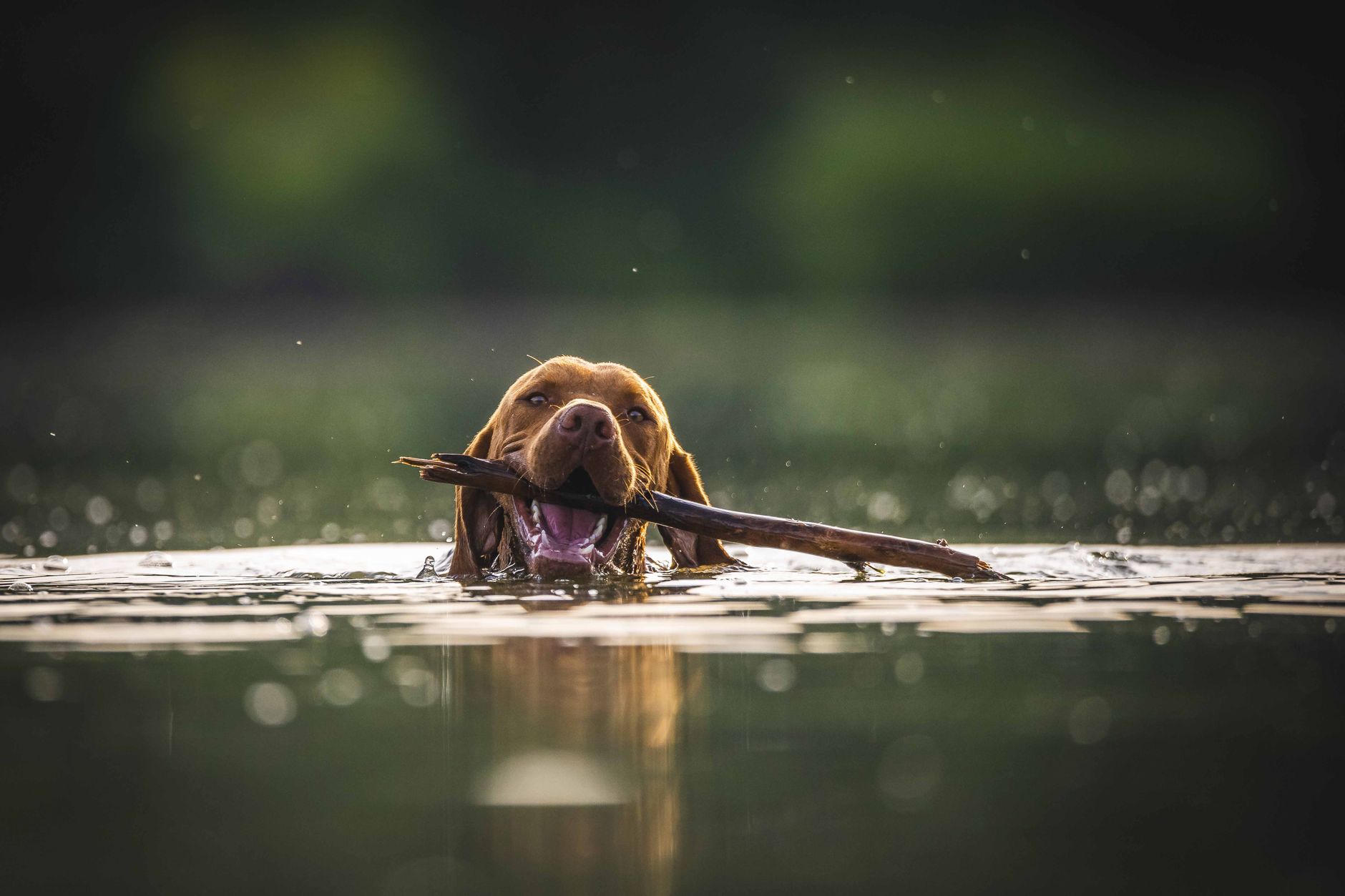
2. The Labrador Retriever: The King of the Water
It is no surprise that the Labrador Retriever tops this list. Originally bred to retrieve waterfowl for hunters, these dogs are practically built out of biological swimming gear.
In my practice, Labs are the most frequent swimmers I treat. They possess a short, dense, water-resistant double coat that repels water, keeping their skin relatively dry even after hours of retrieving toys from the lake.
They also feature a famous ‘otter tail’ that is thick at the base and tapers toward the tip, acting as a highly efficient rudder.
Clinical Note: Otitis Externa Risk
Because of their floppy ears and frequent swimming, Labs are highly prone to otitis externa, or outer ear infections. I always instruct my clients to dry their Lab’s ears thoroughly with a veterinarian-approved drying agent after every swim.
Preventing Limber Tail Syndrome
Labs are also susceptible to acute caudal myopathy, commonly known as ‘limber tail’ or ‘cold tail’. This is a painful swelling of the tail muscles caused by overexertion in cold water, which requires veterinary anti-inflammatory treatment.

3. The Golden Retriever: The Gentle, Water-Loving Companion
Golden Retrievers share a similar waterfowl-retrieving heritage with Labs, making them incredibly strong and enthusiastic swimmers. Their joyful, eager-to-please temperament makes them fantastic fits for families with children who spend summers by the pool.
However, their long, beautiful feathering requires more maintenance than a Lab’s short coat. The fine hair behind their ears and on their legs can mat quickly when wet, trapping bacteria against the skin.
If you choose a Golden, you must commit to a thorough post-swim grooming routine to keep their skin healthy.
- Dry the undercoat completely: Use a high-velocity dog dryer to prevent moisture from trapping close to the skin.
- Check for hot spots: Golden Retrievers are highly prone to acute moist dermatitis, painful skin infections that flare up overnight in damp coats.
- Brush after drying: Always brush out the feathering on the legs and tail once the coat is dry to prevent tight, painful mats.
- Rinse off chlorine or salt: Clean lake water or pool chemicals can irritate their sensitive skin if left to dry naturally.

4. The Portuguese Water Dog: The Hypoallergenic Fisherman’s Helper
For families who love the water but struggle with allergies, the Portuguese Water Dog (PWD) is an outstanding choice. These medium-sized, athletic dogs were historically bred to herd fish into nets, retrieve lost tackle, and carry messages between fishing boats.
Swihauk Self-Cleaning Slicker Brush
- ✓Release button for one-step hair removal
- ✓Rounded bristle tips are gentle on skin
- ✓Stainless steel pins in a compact design
- Fine wire pins lift loose undercoat and work out small tangles before they turn into mats
They possess a single coat of hair rather than fur, which does not shed in the traditional sense. This makes them much more hypoallergenic than retrievers.
Because they have hair rather than fur, they require regular professional grooming to keep their coats from getting heavy and waterlogged.
The Retriever Cut vs. Lion Cut
Historically, PWDs were given a ‘lion cut’ where the hindquarters were shaved to allow greater movement in the water, while the chest hair was left long to keep vital organs warm. Today, many families opt for the more uniform ‘retriever cut’ for easier maintenance.

5. The Newfoundland: The Gentle Giant Lifeguard
If you have a large home and a massive love for water, the Newfoundland is a legendary swimmer. These massive dogs were bred for water rescue in the icy waters of Canada, and they possess an instinctual drive to save struggling swimmers.
Newfoundlands have an incredible lung capacity and webbed feet that are proportionally larger than almost any other breed. They also swim with a unique breaststroke motion rather than a standard dog paddle, giving them immense power against strong ocean currents.
However, their giant size and heavy double coats require significant physical management from their owners.
- Watch for heat exhaustion: Due to their massive size and thick black or brown coats, Newfoundlands can overheat rapidly on hot summer beach days.
- Invest in heavy-duty grooming tools: You will need professional blowers and undercoat rakes to manage their wet fur.
- Monitor joint health: Because they can easily weigh over 120 pounds, swimming is actually excellent low-impact exercise for their joints, but you must prevent them from jumping in and out of high boats.
- Prepare for drool: When a Newfoundland drinks or swims, expect a lot of water and drool to be flung around your home.

6. The Chesapeake Bay Retriever: The Tough, Ice-Water Specialist
The Chesapeake Bay Retriever, or ‘Chessie’, is the ultimate rugged athlete of the dog world. Developed in the cold, rough waters of the Chesapeake Bay, these dogs were bred to retrieve hundreds of ducks a day in freezing temperatures.
They have a highly unique coat that is short, harsh, and distinctly oily. This oil acts as a natural wetsuit, allowing water to bead up and roll off their backs.
Chessies are intensely loyal and protective, making them excellent family guardians, though they tend to be more reserved with strangers than Labs or Goldens.
- Do not over-bathe a Chessie: Stripping their natural coat oils with harsh soaps will ruin their natural water-resistance and cause skin dryness.
- Provide plenty of mental stimulation: These are high-drive working dogs that need a job to do; simple backyard fetch may not satisfy them.
- Socialize early: Due to their protective nature, early training and socialization are vital for families with frequent visitors.
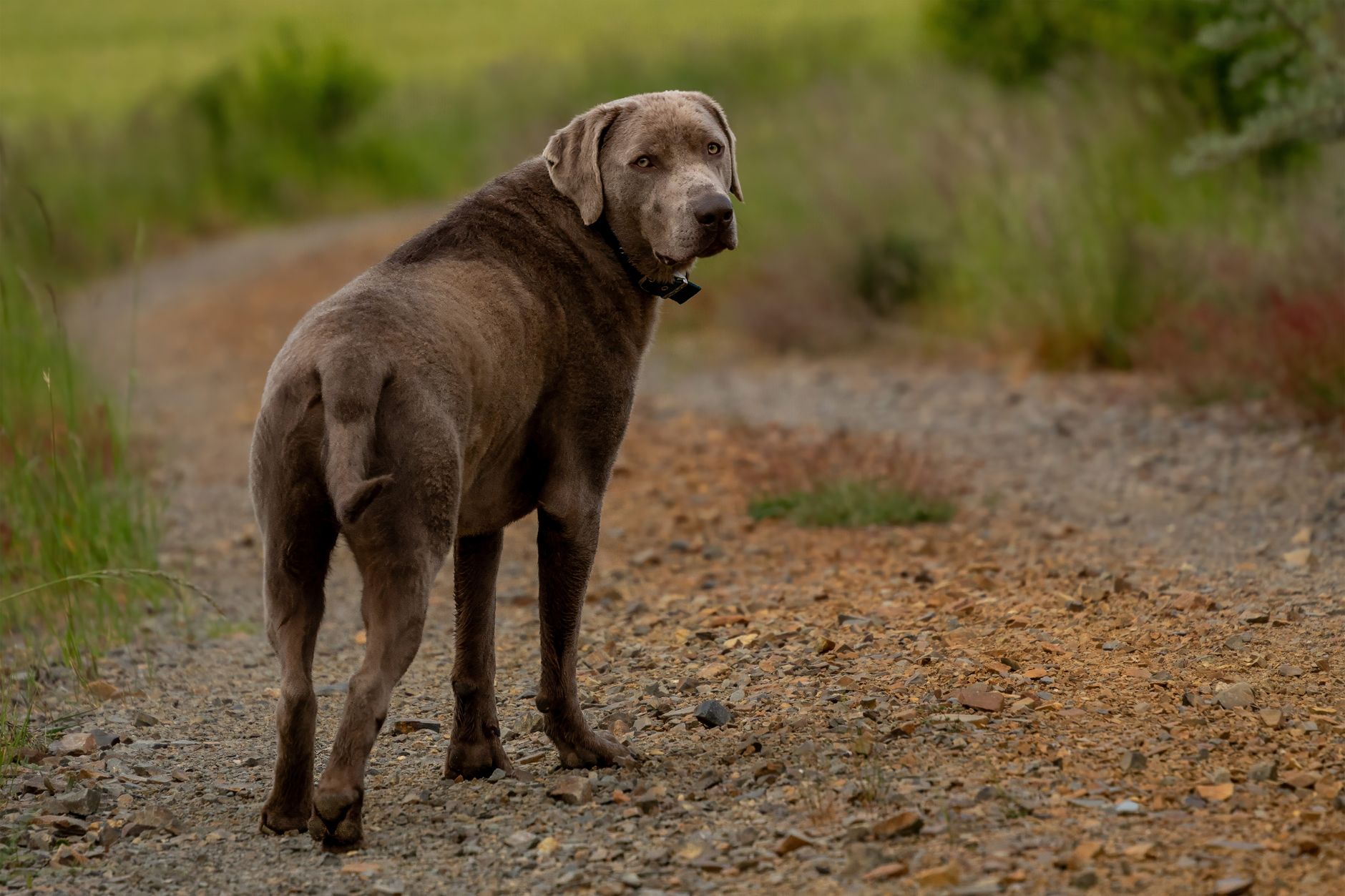
7. The Standard Poodle: The Elegant Duck Hunter
Many people associate the Poodle with luxury pampering, but they are actually highly athletic, historic water retrievers. In fact, the name ‘Poodle’ comes from the German word ‘pudeln’, which means ‘to splash in water’.
Standard Poodles are incredibly intelligent, ranking as one of the smartest dog breeds in the world. This makes them highly trainable for water sports, dock diving, and advanced retrieving games.
Their curly, low-shedding coats are excellent at protecting them from cold water, but they require diligent clipping to prevent waterlogged mats.
- Keep the ear canals plucked: Poodles grow hair deep inside their ear canals, which traps moisture and bacteria easily. Ask your vet about safe ear hair management.
- Maintain a short utility clip: If your Poodle swims weekly, keeping their coat in a short ‘sporting cut’ makes drying and maintenance a breeze.
- Provide varied water toys: Keep their highly active minds engaged with floating puzzles and long-distance water fetches.
8. Dr. Heller’s Veterinary Water Safety Checklist
Regardless of which swimming breed you choose, water safety is not something to take for granted. Even the strongest natural swimmers can get into trouble due to exhaustion, strong currents, or sudden muscle cramps.
In my clinical career, I have treated several near-drowning cases that could have been easily prevented with basic precautions.
Before you take your dog to the beach, lake, or pool this weekend, make sure you have checked off these critical safety steps.
- Invest in a high-quality dog life jacket: Choose one with a sturdy handle on the back so you can easily hoist your dog out of the water.
- Provide fresh drinking water: Prevent your dog from drinking lake, pool, or ocean water, which can lead to giardia infections, salt toxicity, or chemical poisoning.
- Learn canine CPR: Knowing the basics of chest compressions and rescue breathing for dogs can save a life in an emergency.
- Check for blue-green algae: Toxic algae blooms in warm, stagnant water can be fatal to dogs within hours of ingestion; never let your dog swim in pea-soup-colored water.
-
Pet MD Dog Ear Cleaning WipesRegular ear cleaning helps prevent infections, especially in breeds with floppy or hairy ears
-
Rywell Dog Cooling Mat 2.0, 44 x 32 inPressure-activated cooling helps dogs that struggle in the heat stay comfortable on warm days
-
QUMY Dog Boots for Hot PavementBoots protect paws from hot pavement, ice, salt and rough trails
Related Dog Guides
Frequently Asked Questions
Can all dogs naturally swim?
No, not all dogs can swim naturally. Breeds with heavy chests, short legs, and flat faces (brachycephalic breeds like Bulldogs, Pugs, and Boxers) struggle to stay afloat and are at a high risk of drowning without a life jacket.
How do I dry my dog’s ears properly after swimming to prevent infections?
Gently wipe the visible part of the inner ear with a dry cotton ball. Then, apply a veterinarian-recommended ear-drying solution that contains a drying agent like isopropyl alcohol or boric acid, which helps evaporate trapped water deep in the canal.
Is chlorine pool water safe for my dog to swim in?
Occasional swimming in a well-balanced chlorine pool is generally safe, but you should rinse your dog with clean water afterward to prevent skin dryness. Never let your dog drink pool water, as chlorine and other pool chemicals can cause severe gastrointestinal upset.
What is limber tail syndrome and how is it treated?
Limber tail syndrome, or acute caudal myopathy, is a painful muscle strain at the base of the tail caused by overexertion, often from swimming in cold water. It causes the tail to hang limp and painful, and is treated with veterinary-prescribed rest and anti-inflammatory medications.
At what age can a puppy start swimming?
Most puppies can safely begin gentle, supervised swimming introductions around 16 weeks of age, once they have completed their full series of core vaccinations to protect them from waterborne pathogens like Leptospirosis.
Sources & Further Reading
- American Kennel Club (AKC)
- Merck Veterinary Manual
- American Veterinary Medical Association (AVMA)
- PetMD
Final Thoughts
Welcoming a water-loving dog into your family can lead to years of unforgettable summer adventures. Breeds like Labradors, Goldens, and Poodles are genetically primed for aquatic fun, making them excellent companions for active households.
However, as their guardian, it is up to you to manage the unique health risks that come with frequent swimming. By prioritizing ear hygiene, monitoring for skin conditions, and always practicing strict water safety, you will keep your canine companion happy, healthy, and swimming for years to come.
If you have any concerns about your dog’s physical fitness for the water, schedule a checkup with your local veterinarian before making your first big splash.