
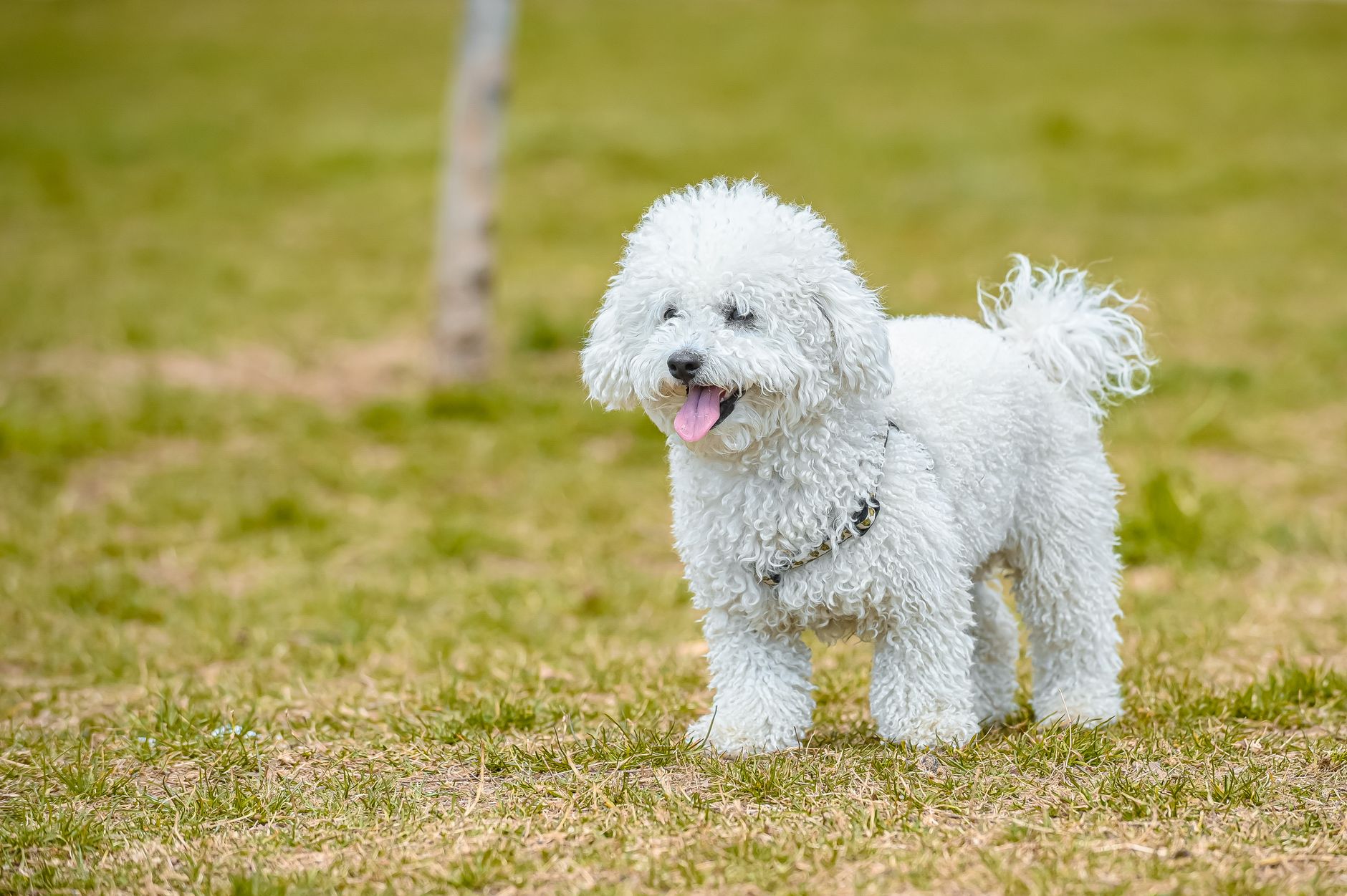
Quick Summary
While no dog is truly one hundred percent hypoallergenic, certain low-shedding breeds produce significantly less airborne dander and salivary proteins, making them excellent choices for allergy sufferers. Breeds like Poodles, Portuguese Water Dogs, and Miniature Schnauzers have unique hair-like coats that trap dander rather than releasing it into your home environment. Managing allergies successfully requires a combination of selecting the right breed, maintaining a strict grooming schedule, and implementing home allergen-reduction strategies.
In my twenty years of clinical veterinary practice, I have comforted countless tearful clients who love dogs but suffer from debilitating allergies. They often ask me if they will ever be able to share their home with a canine companion without constant sneezing and itchy eyes.
My answer is always a resounding yes, but with some crucial medical caveats. Truly hypoallergenic dogs do not exist in nature, but low-shedding breeds are a game-changer for sensitive immune systems.
By understanding how dog allergens work and choosing a breed whose coat characteristics match your lifestyle, you can safely enjoy the incomparable bond of dog ownership.
Key Takeaways
- No dog breed is completely allergen-free; allergens reside in dander, saliva, and urine, not just the fur.
- Low-shedding dogs typically have continuous-growth hair coats rather than shedding fur coats.
- Trapped dander in curly or wiry coats must be regularly brushed and washed out to prevent buildup.
- Bathing your dog every two to four weeks can reduce airborne allergen levels in your home by up to 84 percent.
- Designer ‘doodle’ mixes have highly unpredictable coats and are not guaranteed to be low-shedding.
- Implementing HEPA filters and keeping dogs out of the bedroom are critical companion strategies for allergy sufferers.
In This Article
- The Veterinary Science of Pet Allergies
- poodle-the-benchmark-for-allergy-sufferers”>1. The Poodle: The Benchmark for Allergy Sufferers
- 2. The Portuguese Water Dog: Robust and Athletic
- 3. The Bichon Frise: The Cheerful Powder Puff
- 4. The Miniature Schnauzer: Spunky and Protective
- maltese-elegant-and-silk-coated”>5. The Maltese: Elegant and Silk-Coated
- 6. The Soft Coated Wheaten Terrier: The Warm Irish Companion
- basenji-the-self-grooming-african-wonder”>7. The Basenji: The Self-Grooming African Wonder
- 8. The Afghan Hound: The Glamorous Athlete
The Veterinary Science of Pet Allergies
Many clients walk into my clinic believing that dog hair is the primary cause of their runny nose and watery eyes. This is a common misconception that I work hard to correct in my daily practice.
The actual culprit is a microscopic protein called Can f 1, which is found in a dog’s dander, saliva, and urine.
When a dog sheds its fur, these microscopic proteins hitch a ride on the dead hair and float throughout your living spaces. They settle on your carpets, furniture, and bedding, triggering your immune system’s defensive response.
Low-shedding breeds are highly beneficial because their unique hair coats keep the dander trapped against their skin rather than scattering it into the air. This makes containment and removal much easier through a structured, proactive grooming routine.
- Can f 1 is the primary dog allergen recognized by human immune systems.
- Dander consists of microscopic, dead skin cells that flake off naturally.
- Saliva transfers allergens to the coat when a dog self-grooms.
- Urine contains proteins that can dry and become airborne from grass or training pads.
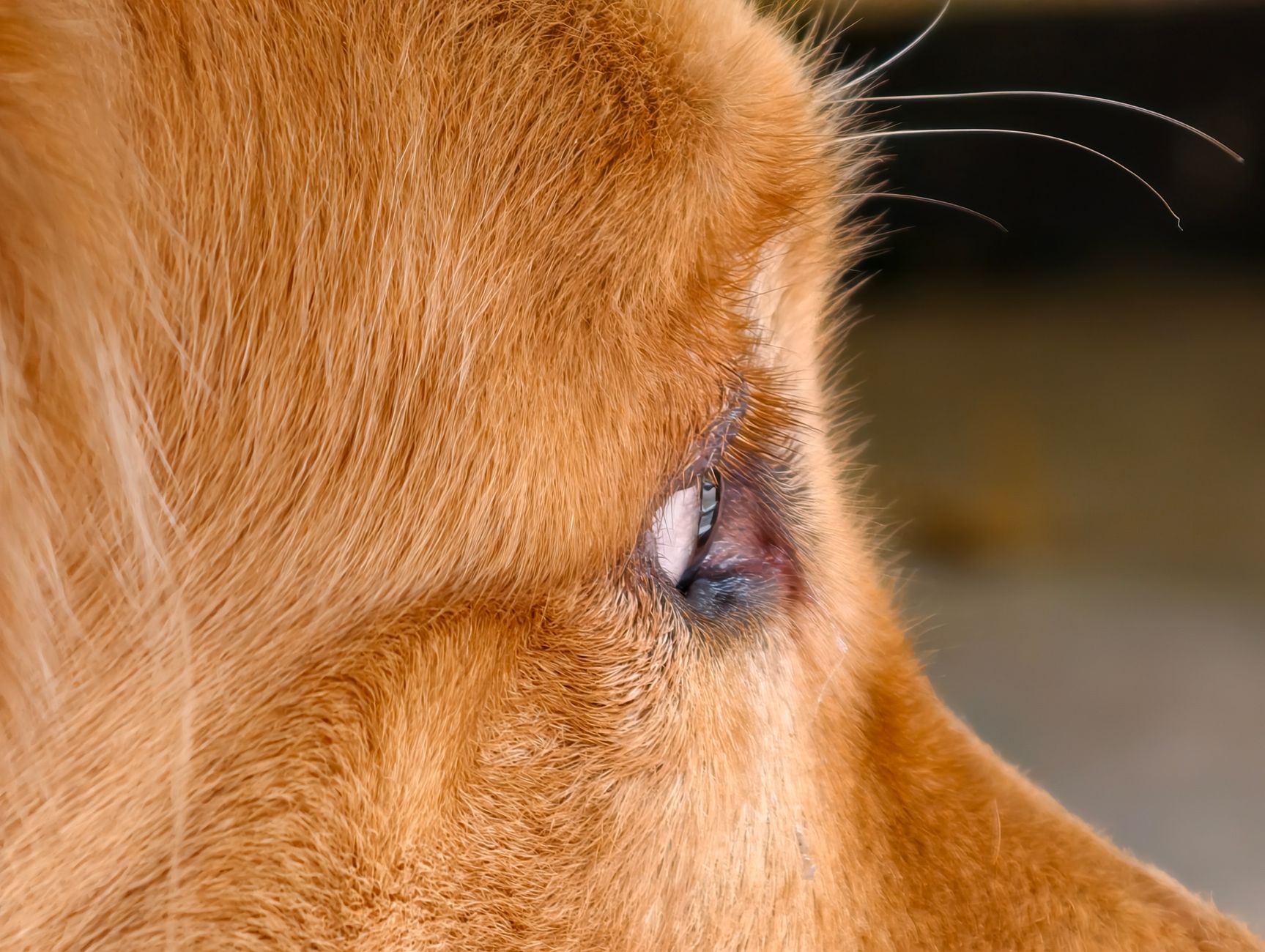
1. The Poodle: The Benchmark for Allergy Sufferers
In my clinical experience, the Poodle remains the gold standard breed for families struggling with environmental allergies. Whether you choose a Standard, Miniature, or Toy, their coat characteristics remain structurally identical.
Poodles possess a single-layer coat of dense, curly hair rather than a double coat of fur. This tight curl pattern is exceptionally efficient at trapping loose hair and dander directly at the skin level.
Because their hair grows continuously like human hair, they do not undergo seasonal shed blowouts. However, this means you must commit to a strict professional grooming schedule to prevent painful skin matting.
- Requires professional clipping every 4 to 6 weeks to maintain coat health.
- Needs daily brushing down to the skin to prevent mats from trapping moisture and bacteria.
- Highly intelligent and active, requiring significant mental and physical stimulation.
The Truth About Doodle Crossbreeds
I must issue a strong clinical warning regarding popular ‘doodle’ designer mixes. In my practice, I frequently treat multi-generation doodles that shed heavily because they inherited the shedding parent’s coat genes.
If your allergies are severe, stick to purebred Poodles or verified low-shedding generations with genetic coat testing.
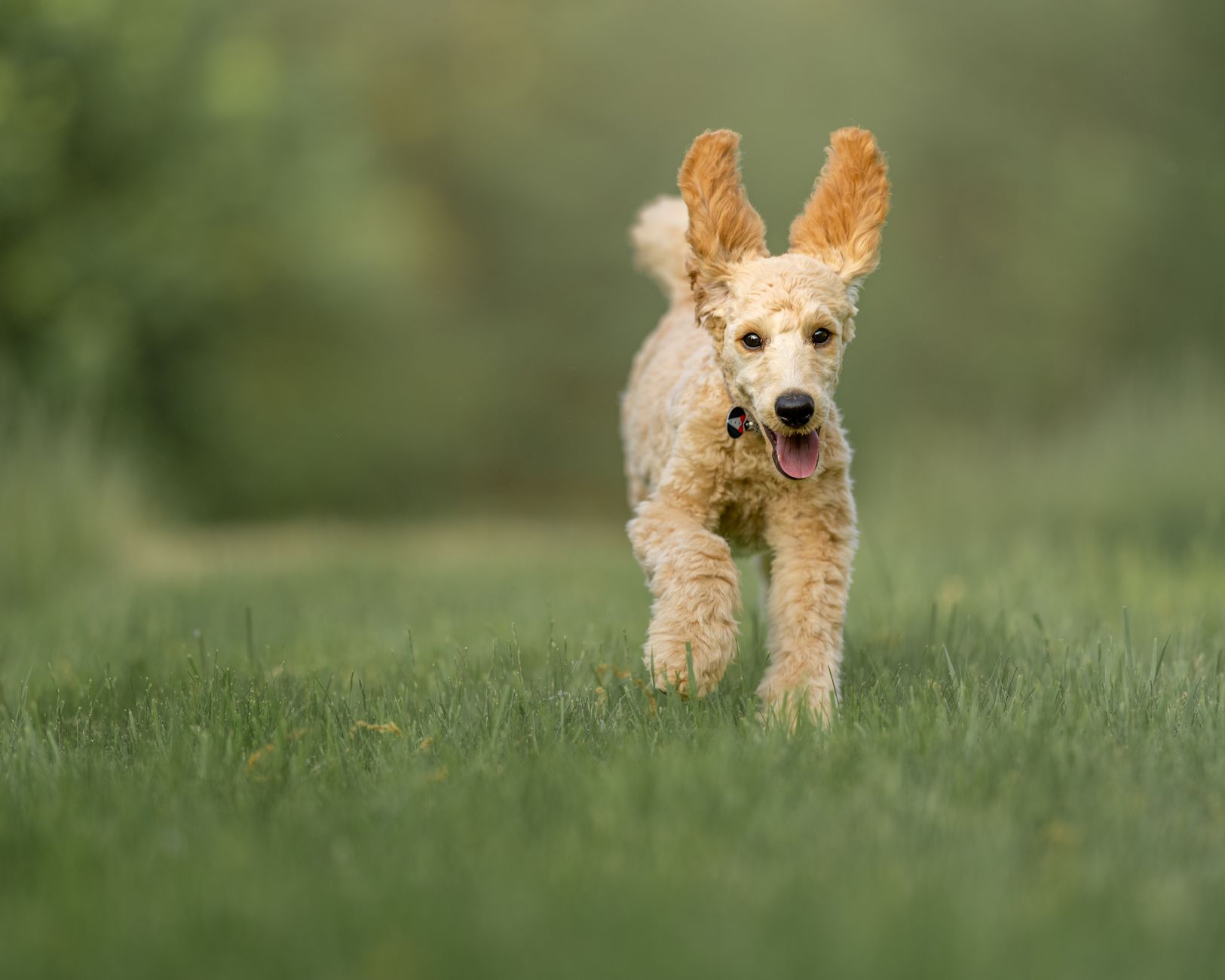
2. The Portuguese Water Dog: Robust and Athletic
The Portuguese Water Dog gained massive popularity when the Obama family brought Bo and Sunny into the White House due to Malia Obama’s severe allergies. These dogs are robust, energetic, and possess a single coat that comes in two varieties: curly or wavy.
They do not have a dense undercoat, which means they shed an incredibly minimal amount of dander. I highly recommend this breed for active outdoor enthusiasts who want a dog that can keep up with hiking, swimming, and running.
Their coats are water-resistant and tend to repel dirt, but they will still trap outdoor pollen. You must wash them regularly to prevent them from bringing environmental allergens inside.
- Ideal for high-energy owners who can provide 60 to 90 minutes of daily exercise.
- Requires regular coat clipping to keep the curly or wavy hair manageable.
- Highly prone to bringing in outdoor grass pollens on their thick coat.

3. The Bichon Frise: The Cheerful Powder Puff
If you are looking for a small, affectionate companion, the Bichon Frise is an outstanding candidate. They have a double coat consisting of a soft, dense undercoat and a coarser outer coat, which creates their signature bouncy look.
Despite having a double coat, they shed very little because the loose hairs are caught within the surrounding dense curls. When you brush them, you will pull out the dead hair that would otherwise end up on your couch.
As a veterinarian, I often see Bichons with sensitive skin and food allergies. Keeping their skin healthy with high-quality diets is crucial, as healthy skin flakes off far less dander.
- Excellent temperament for apartment living and therapy work.
- Requires daily brushing with a slicker brush and a metal comb to prevent matting.
- Prone to atopic dermatitis, which can increase dander production if not medically managed.
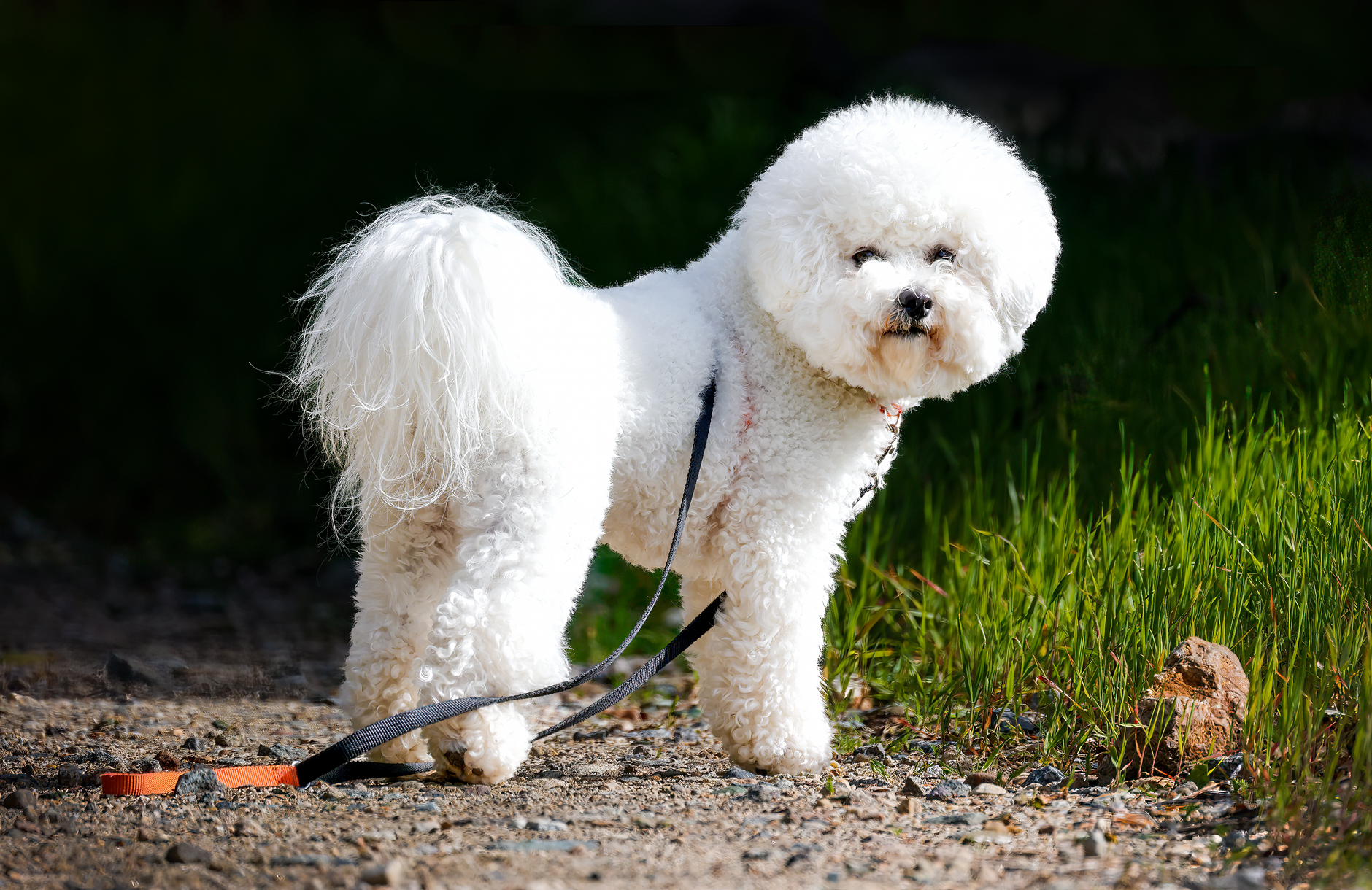
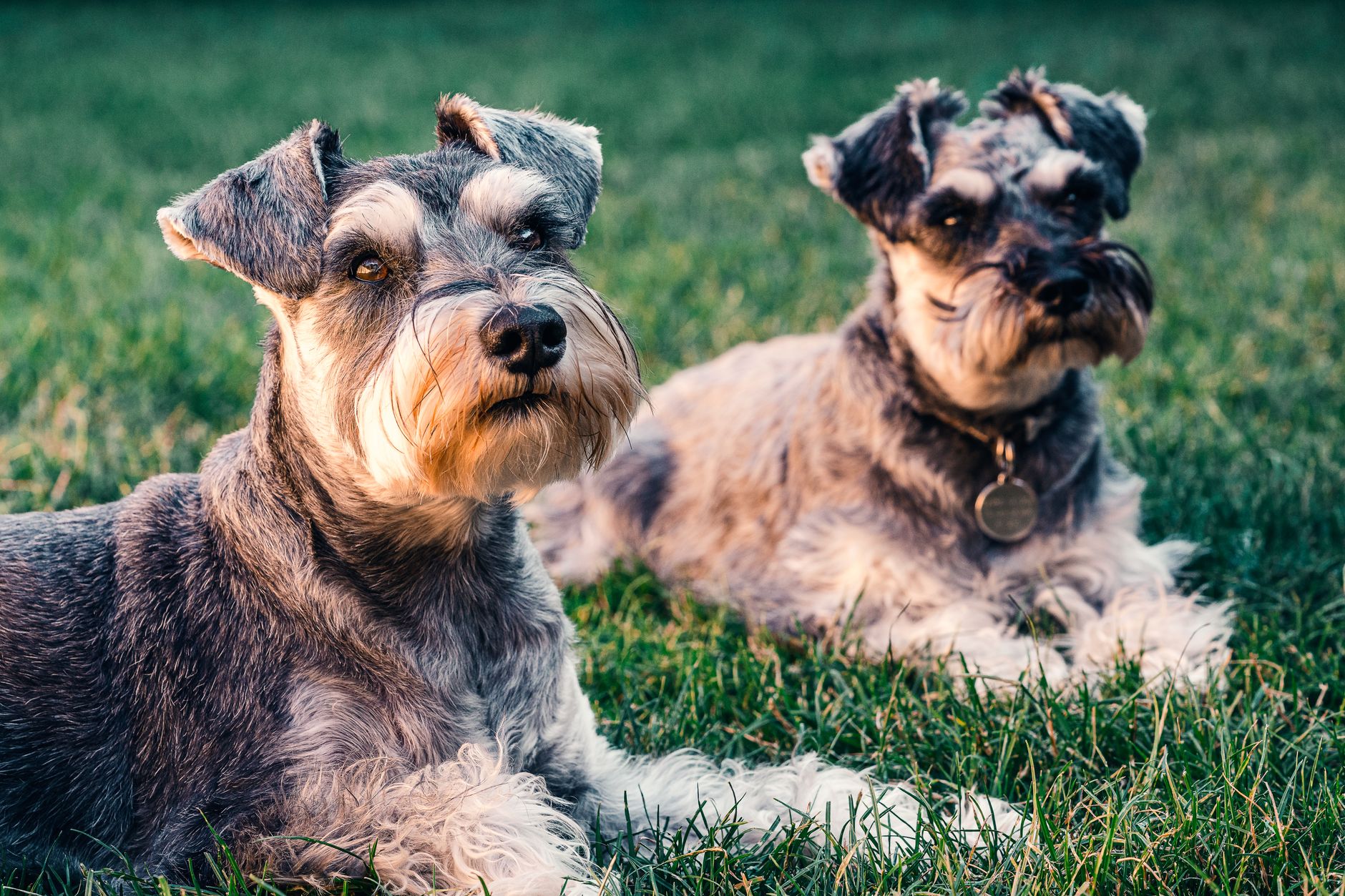
4. The Miniature Schnauzer: Spunky and Protective
Miniature Schnauzers are incredibly popular in my practice because of their distinct personality and handsome, bearded appearance. They possess a double coat with a wiry outer jacket and a soft, protective undercoat.
When kept clipped in the traditional Schnauzer cut, their shedding is virtually unnoticeable to most allergy sufferers. Their hair must be brushed weekly, paying special attention to their long leg furnishings and characteristic beard.
They are highly alert watchdogs who love their families fiercely. However, their wiry coat requires manual ‘hand-stripping’ if you want to maintain the stiff texture and rich color, though most pet owners opt for simple machine clipping.
- Requires beard wiping after meals to prevent yeast infections and salivary allergen buildup.
- Needs clipping every 6 to 8 weeks to maintain their distinct silhouette.
- Prone to hyperlipidemia (high blood fats), requiring a strictly low-fat diet.
5. The Maltese: Elegant and Silk-Coated
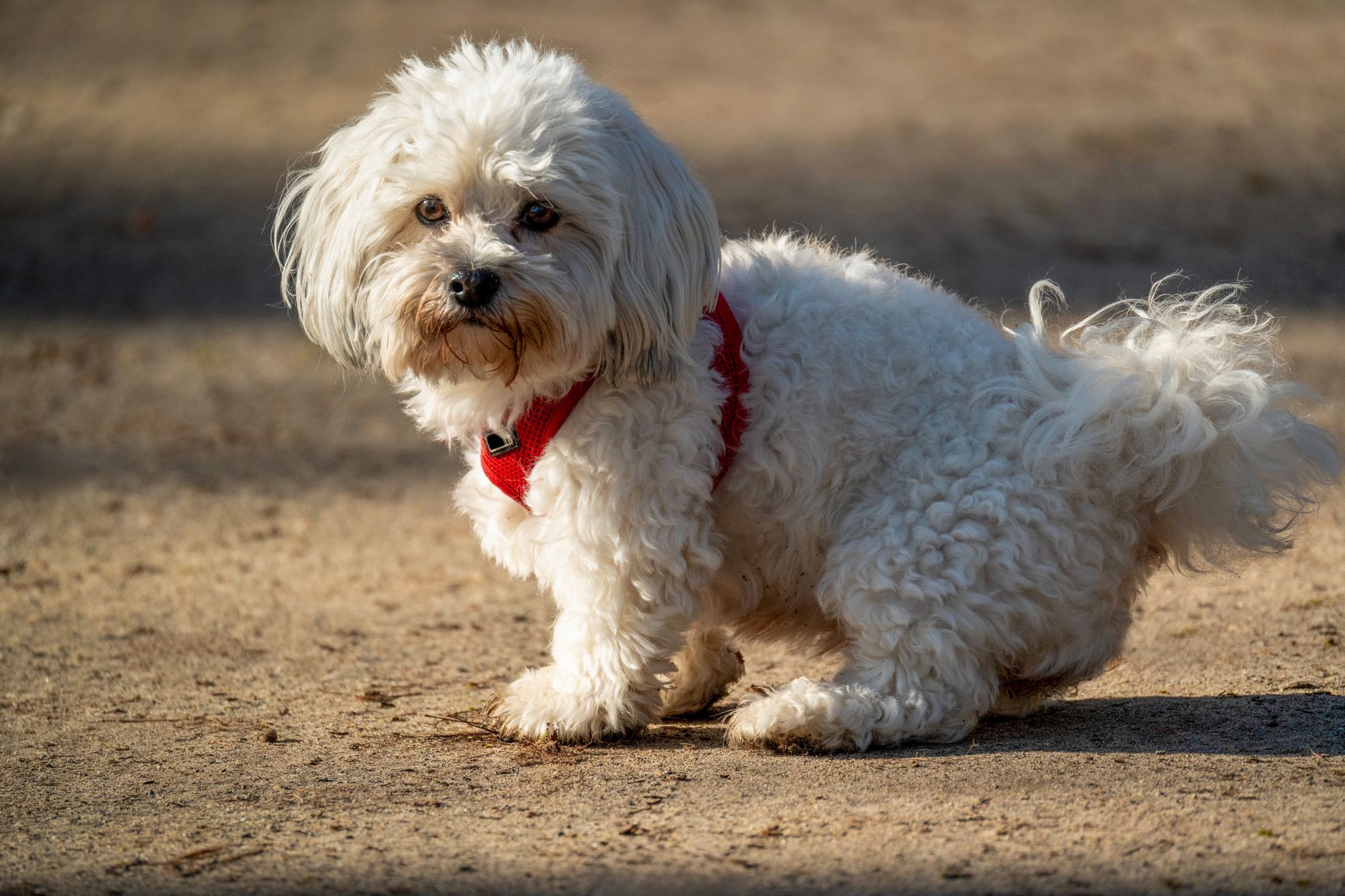
The Maltese is an ancient toy breed known for its stunning, floor-length white coat of pure silk. Because they lack an undercoat altogether, they are exceptionally low-shedding and produce very little dander.
Many of my clients choose to keep their Maltese in a short ‘puppy cut.’ This dramatically reduces the daily grooming time from thirty minutes to just a few quick passes with a brush.
Their small size also means they have a much smaller physical surface area. This mathematically translates to less overall dander production in your home compared to a large-breed dog.
- Perfect for quiet households and seniors looking for a gentle lapdog.
- Requires daily face wiping to prevent tear staining and saliva allergen accumulation.
- Extremely low physical surface area minimizes total daily dander shedding.
6. The Soft Coated Wheaten Terrier: The Warm Irish Companion
For those who prefer a medium-sized dog with a big heart, the Soft Coated Wheaten Terrier is a fabulous choice. They are famous for their single, silky, wheat-colored coat that waves gently as they move.
Wheatens do not have an insulating undercoat, which means they do not shed seasonally. However, their coat is highly absorbent and acts like a mop for outdoor allergens, dirt, and debris.
I always advise my Wheaten owners to establish a post-walk routine. Wiping down their paws and coat with damp wipes before they enter the house will save your sinuses from outdoor pollen.
- Devoted, bouncy family dog known for the famous ‘Wheaten greetin’.’
- Requires thorough brushing 3 to 4 times a week to prevent severe mats.
- Prone to protein-losing enteropathy (PLE), which requires careful veterinary monitoring.
7. The Basenji: The Self-Grooming African Wonder
The Basenji is a fascinating, ancient breed that behaves surprisingly like a cat. They have an extremely short, fine single coat that requires almost no effort to maintain.
Basenjis are meticulous self-groomers and will spend hours licking their coats clean. This behavior keeps their dander output exceptionally low, though it does mean their saliva contains active Can f 1 allergens.
If your allergies are triggered strictly by airborne dander rather than direct skin contact or saliva, the Basenji is a phenomenal match. They also do not possess the typical ‘doggy odor’ that many other breeds carry.
- Known as the ‘barkless dog’ because they produce a unique yodel-like sound.
- Virtually zero brushing required; a simple rubdown with a damp cloth once a week is sufficient.
- Independent and cat-like temperament, requiring creative positive-reinforcement training.
8. The Afghan Hound: The Glamorous Athlete
The Afghan Hound is an unexpected addition to this list for many of my clients. They look like they would be an allergy sufferer’s worst nightmare with their long, flowing, dramatic coats.
In reality, they possess a single coat of fine, silky hair that behaves very much like human hair. They do not have an undercoat and shed incredibly little, but their coat requires an immense amount of dedication to maintain.
I only recommend this breed to owners who view coat care as a therapeutic hobby. Neglecting an Afghan Hound’s coat will quickly lead to massive, painful mats that require veterinary intervention to shave off under sedation.
- Requires hours of weekly bathing, brushing, and blow-drying to prevent severe matting.
- Highly independent, aloof, and possesses a strong prey drive.
- Requires a secure, tall fence as they are sight hounds capable of leaping incredible heights.
Frequently Asked Questions
Is there any truly 100% hypoallergenic dog breed?
No, there is no such thing as a completely hypoallergenic dog. All dogs produce Can f 1 proteins in their dander, saliva, and urine, but low-shedding breeds release significantly fewer airborne allergens into the environment.
How often should I bathe my low-shedding dog to reduce allergens?
In my practice, I recommend bathing low-shedding dogs every two to four weeks with a high-quality, moisturizing dog shampoo. This frequency drastically reduces the build-up of salivary proteins and loose dander on the coat without drying out their skin.
Do female or neutered dogs produce fewer allergens than intact males?
Yes, scientific studies have shown that female dogs and neutered male dogs produce lower levels of Can f 1 allergens compared to intact male dogs. Hormones play a significant role in allergen production, so early spaying and neutering can help.
Are short-haired dogs always better for allergy sufferers?
Surprisingly, no. Short-haired breeds like Pugs or Dalmatians shed constantly, releasing stiff, tiny hairs that easily weave into fabrics and carry dander throughout the house. Long-haired, single-coated breeds that require regular clipping are often much better for allergies.
Can air purifiers help manage my pet allergies?
Absolutely. I highly recommend placing HEPA air purifiers in your main living areas and especially in your bedroom to continuously capture airborne dander. Combining an air purifier with a low-shedding breed is the gold standard for allergy management.
Sources & Further Reading
- American Kennel Club (AKC)
- Merck Veterinary Manual
- American Veterinary Medical Association (AVMA)
- PetMD
Final Thoughts
Living happily with dogs when you suffer from allergies is entirely achievable if you make informed, scientifically backed decisions. By selecting one of these low-shedding breeds, you greatly minimize the volume of airborne dander in your living space.
Remember that proper veterinary care, routine professional grooming, and smart home hygiene are your best tools. Do not hesitate to schedule a consultation with your allergist and your veterinarian before bringing a new pet home.
Together, we can help you find the perfect balance to enjoy a sneeze-free, loving partnership with your new canine companion.