
10 Healthiest Dog Breeds With the Fewest Genetic Problems

Quick Summary
While no dog breed is entirely free from health risks, certain breeds stand out for their exceptional structural soundness, genetic diversity, and lack of extreme physical traits. Breeds like the Australian Cattle Dog, Chihuahua, Greyhound, and Basenji are genetically resilient and frequently live long, active lives. By focusing on ancestral working lines and avoiding extreme structural exaggerations, pet owners can significantly reduce their risk of facing inherited veterinary crises.
As an Amazon Associate, we earn from qualifying purchases.
Popular with dog owners: Slow Feeder Bowl · Orthopedic Dog Bed · Hip & Joint Supplement
In my years running a busy veterinary clinic, I have delivered some of the hardest news imaginable to loving pet owners. Far too often, those heartbreaking conversations involve genetic diseases that could have been predicted based entirely on the dog’s breed.
We have bred certain dogs for extreme looks—flat faces, ultra-short legs, or massive, heavy bodies—that almost guarantee health struggles.
But there is a flip side to this coin. Some dog breeds are marvels of biological engineering, possessing clean genetic lines, proportional bodies, and ancestral working backgrounds that keep them out of my surgery suite.
Today, I want to share the ten healthiest dog breeds I see in my practice. These are the dogs that consistently defy the aging process, carry minimal genetic baggage, and keep their veterinary costs remarkably low.
Key Takeaways
- Structural moderation is the single greatest predictor of a breed’s overall long-term health.
- Working and herding breeds often maintain cleaner genetic profiles due to historical selection for performance over aesthetics.
- Ancient breeds that evolved through natural selection rather than intensive human manipulation have fewer hereditary defects.
- Lifespan is highly correlated with size, but small breeds must still be protected from joint and dental issues.
- Always demand certified OFA (Orthopedic Foundation for Animals) and CHIC clearance numbers regardless of how healthy a breed is reputed to be.
- Maintaining a lean body condition score is the most effective way to protect even the most genetically sound dog.
In This Article
- 1. The Anatomy of Genetic Health: Why Moderation is King
- collie“>2. Herding Dynamos: The Australian Cattle Dog and Border Collie
- poodle“>3. Surprising Small-Breed Champions: The Chihuahua and Toy Poodle
- whippet“>4. Aerobic Masters: The Greyhound and Whippet
- 5. Untouched Legacies: The Basenji and Shiba Inu
- 6. Sturdy Earthdogs: The Cairn Terrier and West Highland White Terrier
- 7. The Ultimate Athletic All-Rounder: The German Shorthaired Pointer
- 8. How to Vet Breeder Genetics: My Step-by-Step Clinical Protocol
1. The Anatomy of Genetic Health: Why Moderation is King
When clients ask me what makes a dog breed healthy, I tell them to look at the animal’s physical silhouette. From a clinical perspective, genetic health is heavily tied to anatomical moderation.
Dogs with normal, wolf-like proportions—a balanced head, moderate snout, straight legs, and a proportional back—face far fewer physical challenges.
Extreme breeding, such as shortening the skull (brachycephaly) or elongating the spine (chondrodysplasia), introduces immediate mechanical and physiological strain. These exaggerations lead to airway blockages, spinal disc ruptures, and chronic joint pain.
The healthiest breeds are those that have escaped these cosmetic trends. They are built for movement, efficient breathing, and natural heat dissipation.
- Mesocephalic head shape: A muzzle of normal length that allows for unobstructed airways and proper dental alignment.
- Proportional limb-to-spine ratio: Minimizes abnormal sheer forces on the intervertebral discs.
- Moderate adult weight: Avoids the extreme cardiovascular and joint strain associated with giant breeds.
- Functional double coat: Provides natural insulation against both hot and cold elements without human intervention.
Feedoo Stainless Steel Slow Feeder Dog Bowl, 2-Cup
- ✓Flower-shaped maze slows eating to aid digestion
- ✓Food-grade stainless steel, dishwasher safe
- ✓Heavy double-wall build with a non-slip base
- Ridges slow down fast eaters, which can reduce gulping, vomiting and bloat risk in deep-chested dogs

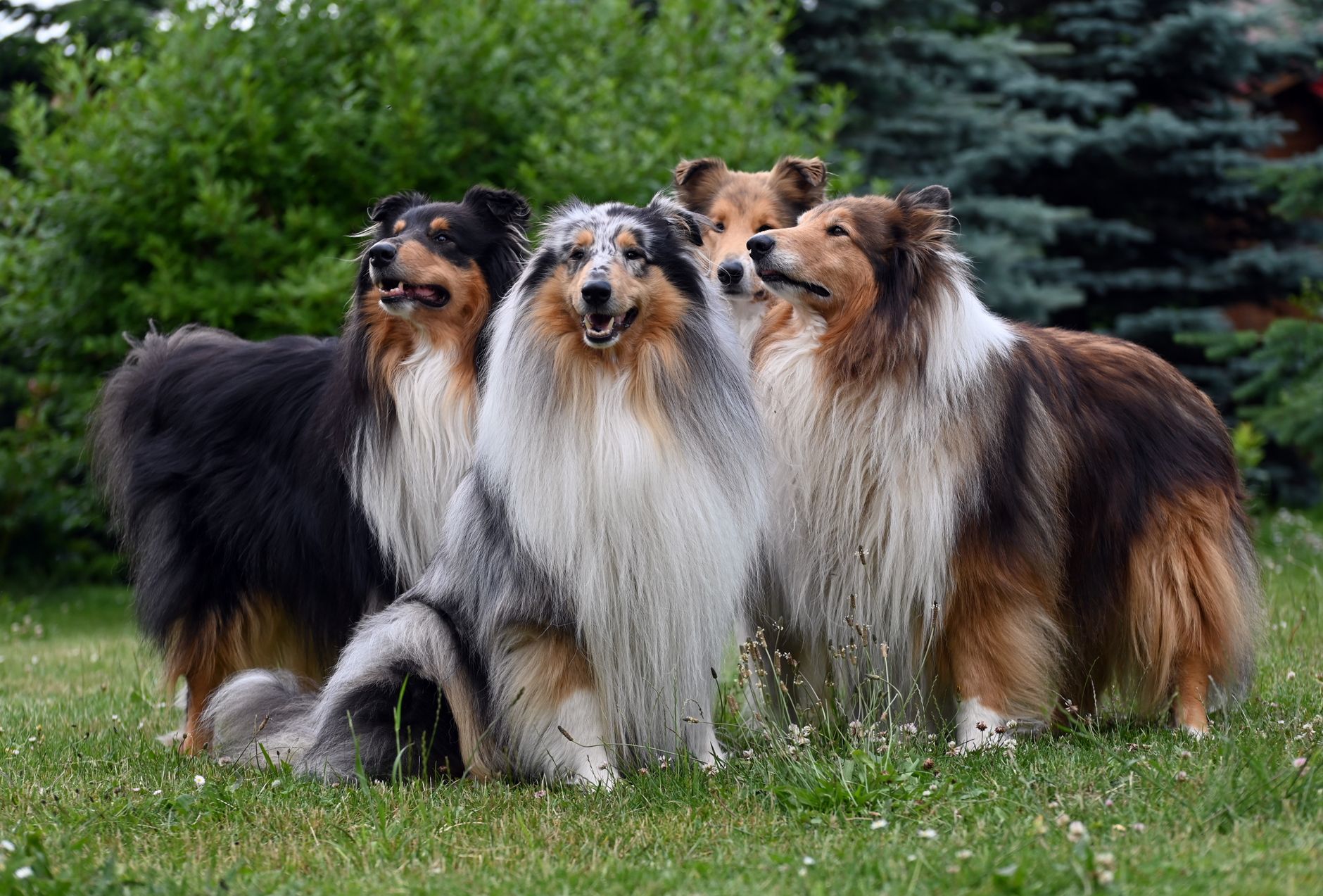
2. Herding Dynamos: The Australian Cattle Dog and Border Collie
If you want a dog that will practically never need orthopedic surgery due to poor breeding, look to the pasture. In my clinic, the Australian Cattle Dog (ACD) and the Border Collie are legendary for their physical resilience.
These breeds were forged in harsh environments where physical failure meant a swift end to their working utility.
The Australian Cattle Dog holds the Guinness World Record for the longest-lived dog, with one individual reaching age 29. These dogs possess incredible bone density and highly efficient cardiovascular systems.
Border Collies are similarly robust, though their intense drive means they are more prone to self-inflicted athletic injuries than genetic breakdowns. Both breeds benefit from generations of breeding focused purely on stamina, intelligence, and physical soundness.
- Exceptional lifespan: Frequently living 12 to 16 years with minimal cognitive decline.
- Low cancer incidence: Significantly lower rates of aggressive cancers compared to Golden Retrievers or Boxers.
- Primary health screenings: Breeders should still test for Progressive Retinal Atrophy (PRA) and Hip Dysplasia.
- Exercise warning: Their high energy levels must be managed to prevent repetitive-use joint injuries.
Clinical Advice for Herding Owners
Because these dogs do not easily show pain, I advise my clients to watch for subtle changes in their gait or willingness to jump. They will work through torn ligaments without whimpering.
3. Surprising Small-Breed Champions: The Chihuahua and Toy Poodle
Many people are shocked when I name the Chihuahua as one of the healthiest breeds. The truth is, when kept at a lean weight, Chihuahuas are absolute genetic powerhouses that routinely live to 18 or even 20 years of age.
Unlike many toy breeds, they are not plagued by the breathing issues of flat-faced dogs. Their physical structure is highly proportional, which spares them from many spinal issues.
Toy Poodles are equally resilient. They have a highly diverse gene pool and are incredibly agile, which protects their joints from premature wear and tear.
Both breeds suffer primarily from preventable issues rather than unavoidable genetic catastrophes.
- Unrivaled longevity: Often reaching their late teens when kept in optimal body condition.
- Minimal spinal disease: Their balanced skeletal structure prevents the disc issues common in Dachshunds.
- Primary clinical vulnerabilities: Patellar luxation (slipping kneecaps) and early-onset periodontal disease.
- Weight management rule: Every extra pound on a six-pound dog is equivalent to thirty pounds on a human.
Combating Small-Breed Dental Issues
In my practice, the biggest threat to a Chihuahua’s health is dental disease, which can shower the heart and kidneys with bacteria. I tell my clients that daily tooth brushing is non-negotiable for these toy breeds.
EHEYCIGA Orthopedic Extra Large Dog Bed, 44 in
- ✓Memory foam and egg-crate foam for joint support
- ✓3-sided bolsters for head and neck
- ✓Waterproof liner; washable cover
- Supportive foam cushions hips and joints, ideal for large, senior or dysplasia-prone dogs
- Use enzymatic dog toothpaste daily.
- Schedule professional veterinary dental cleanings under anesthesia every 1-2 years.
- Avoid ultra-hard plastic toys that can fracture delicate premolars.

4. Aerobic Masters: The Greyhound and Whippet
Sighthounds like the Greyhound and the Whippet are built for extreme athletic efficiency. Their physiology is unique, boasting oversized hearts, highly flexible spines, and an incredibly high concentration of red blood cells.
These dogs do not suffer from the hip dysplasia that plagues other large breeds. Because their joints must withstand massive forces during sprinting, natural selection has weeded out poor bone structures.
In my clinic, treating a Greyhound is a joy because their orthopedic structures are incredibly clean. They rarely develop the painful osteoarthritis that makes other large dogs miserable in their senior years.
- Near-zero hip dysplasia: Their shallow hip sockets are structurally ideal for high-speed locomotion.
- Efficient cardiovascular system: Large, slow-beating hearts that exhibit incredible athletic reserve.
- Key genetic vulnerability: Malignant Hyperthermia and sensitivity to standard veterinary anesthetics.
- Skin precautions: Their thin skin and lack of body fat make them prone to lacerations and temperature extremes.
A Vet’s Warning on Sighthound Anesthesia
Greyhounds process drugs differently due to their low body fat and unique liver enzymes. Always ensure your veterinarian uses a sighthound-safe anesthetic protocol.
5. Untouched Legacies: The Basenji and Shiba Inu
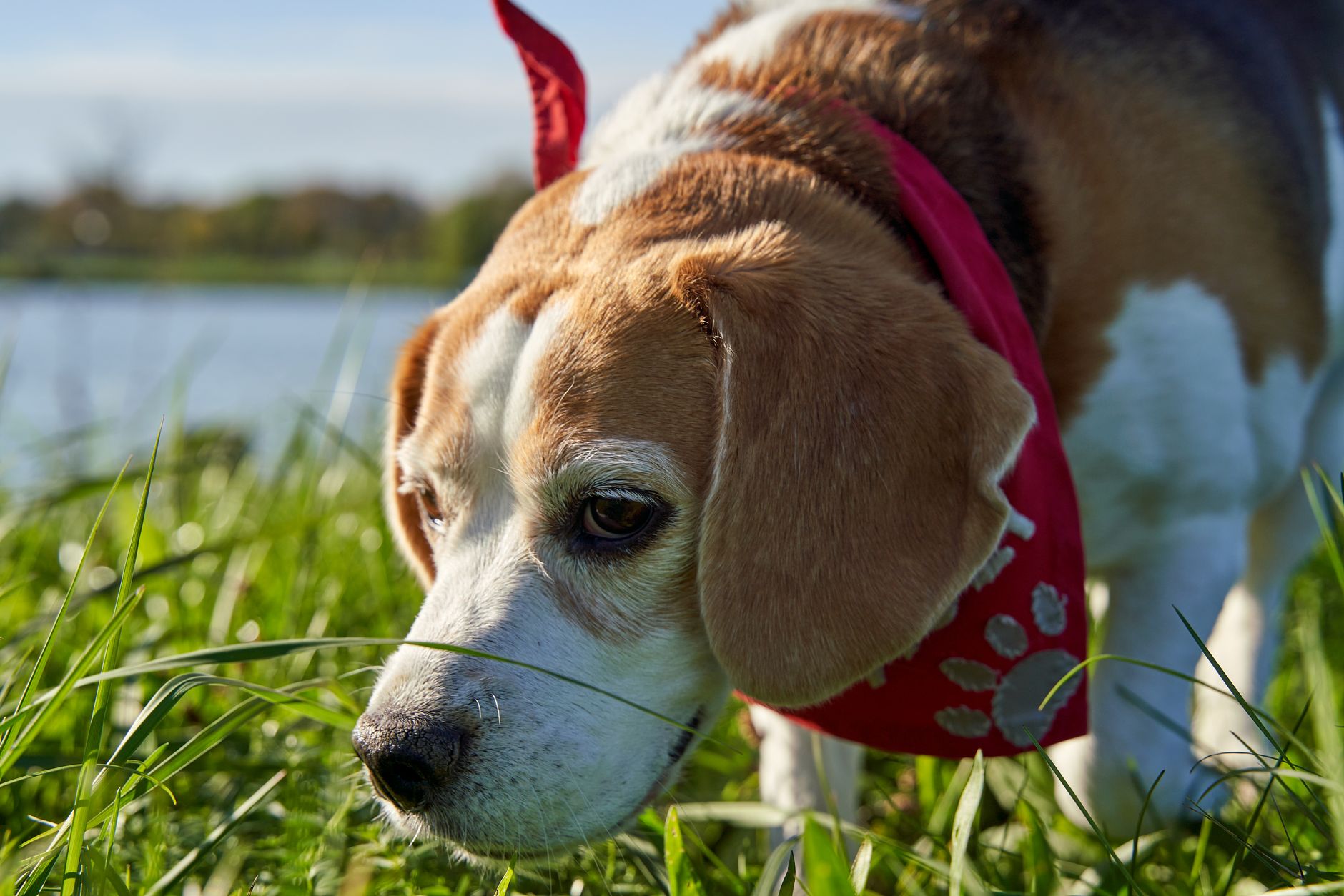
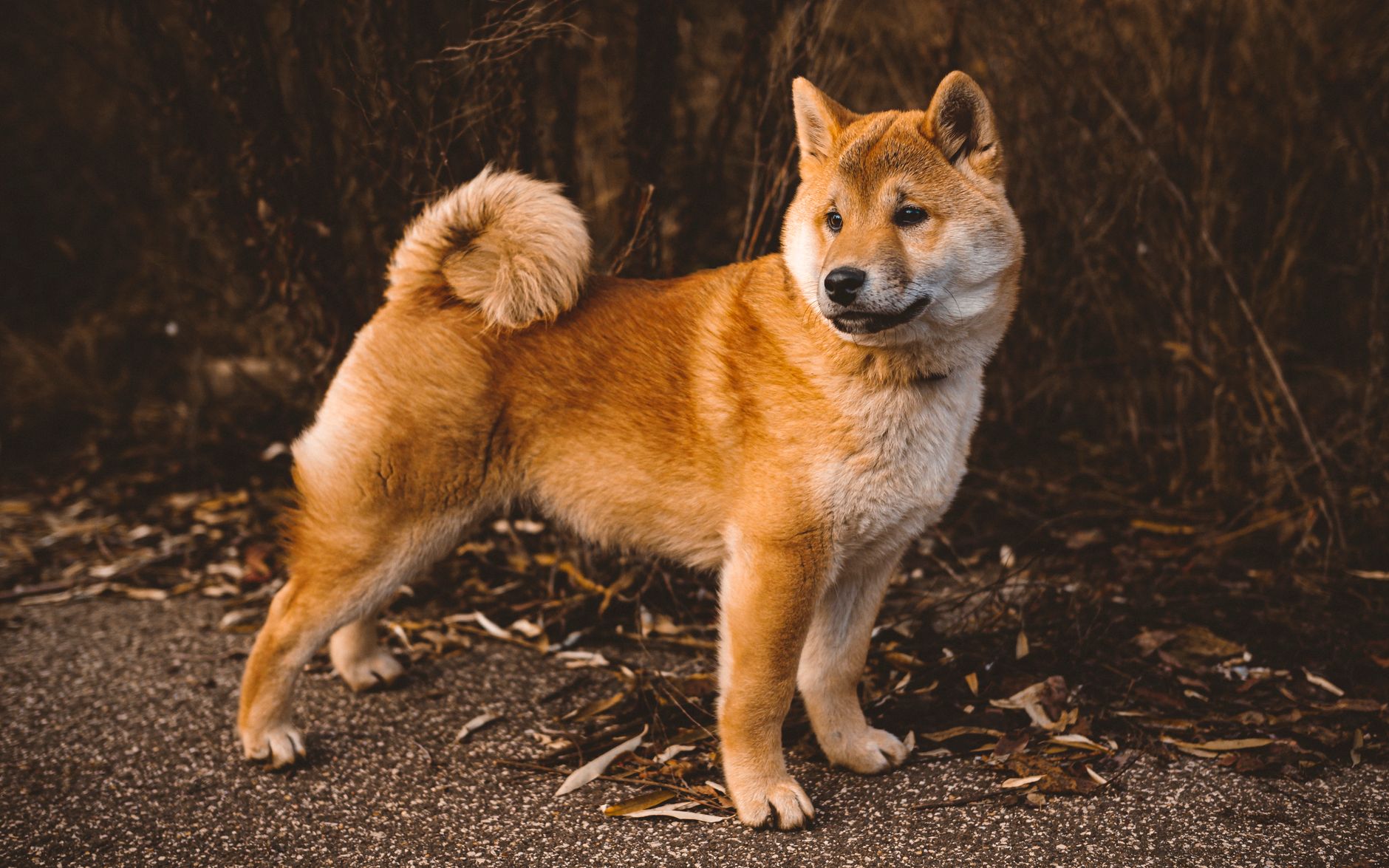
The Basenji and the Shiba Inu are what we veterinarians call primitive or ancient breeds. Their lineages split off from modern breeds hundreds or even thousands of years ago, meaning their gene pools have not been subjected to intensive Victorian-era inbreeding.
Basenjis, originating from Central Africa, evolved through natural selection to survive harsh hunting environments. They have a highly unique physiology, including a barkless vocalization and a single annual breeding cycle.
Shiba Inus, native to Japan, are similarly hardy. They have compact, muscular bodies and a highly alert nature that keeps them out of trouble.
Their genetic diseases are few, and they possess a robust immune system that fights off common canine pathogens with ease.
- Low rate of hereditary cancers: A major advantage over highly engineered modern breeds.
- Excellent structural symmetry: Reduces the incidence of cruciate ligament tears.
- Known genetic conditions to screen for: Fanconi Syndrome in Basenjis and patellar luxation in Shiba Inus.
- Strong natural instincts: Their wild ancestry means they require diligent socialization to prevent resource guarding.
6. Sturdy Earthdogs: The Cairn Terrier and West Highland White Terrier
If you love the terrier personality but want to avoid the structural issues of the short-legged breeds, the Cairn Terrier and Westie are excellent choices. These Scottish working terriers were bred to hunt vermin among rugged rock piles.
They have incredibly dense bones, wide hips, and powerful muscles that protect their joints. They are not prone to the fragile bone structures of toy dogs, nor the joint laxity of giant breeds.
In my years of practice, these terriers rarely present with hereditary lameness. When they do visit my clinic, it is usually for allergies rather than major genetic failures.
- Dense, robust skeletal frames: Resistant to fractures and joint degeneration.
- High pain tolerance: Often cope remarkably well with minor age-related wear and tear.
- Clinical conditions to monitor: Globoid Cell Leukodystrophy (rare) and atopic dermatitis (allergies).
- Dietary sensitivity: They require high-quality, low-fat diets to prevent pancreatitis.

7. The Ultimate Athletic All-Rounder: The German Shorthaired Pointer
For families seeking a larger, highly active companion without the structural worries of a Golden Retriever or German Shepherd, the German Shorthaired Pointer (GSP) is my top recommendation. These dogs are built for sustained endurance in the field.
Their genetic blueprint is incredibly balanced, combining speed, strength, and stamina. Because they have been bred primarily for hunting performance rather than the show ring, breeders have maintained a strict focus on physical soundness.
They have excellent hip joints, clear eyes, and a highly efficient respiratory system. Keep them active, and they will reward you with a decade or more of vibrant health.
- Superior hip genetics: Far lower rates of hip dysplasia than other sporting dogs of similar size.
- Strong cardiac health: Low incidence of congenital heart murmurs and valve diseases.
- Primary health concern: Gastric Dilatation-Volvulus (GDV/Bloat) due to their deep chests.
- Preventative tip: Utilize a slow feeder bowl and avoid strenuous exercise for one hour after meals.
Preventing Bloat in Deep-Chested Breeds
GSPs have deep, narrow chests, which increases the risk of their stomach twisting. I often recommend a preventative gastropexy surgery during their spay or neuter to permanently prevent this life-threatening condition.
8. How to Vet Breeder Genetics: My Step-by-Step Clinical Protocol
Even if you choose a breed known for its robust health, you are still at the mercy of individual genetics if you do not do your homework. I always tell my clients that a ‘vet-checked’ puppy means absolutely nothing when it comes to genetic disease.
A standard puppy checkup only tells me if the heart has a murmur today or if the lungs sound clear. It does not look at the DNA or the structural integrity of the joints, which require specialized screening.
To ensure you are truly getting a healthy puppy with a clean genetic bill of health, you must follow a strict vetting protocol.
- Ask for OFA clearances: Request official reports from the Orthopedic Foundation for Animals for both parents, not just ‘veterinary clearances.’
- Verify CHIC numbers: A Canine Health Information Center (CHIC) number indicates the dog has undergone all breed-specific recommended screenings.
- Examine the pedigree: Look for long-lived ancestors in the three-generation lineage.
- Avoid ‘designer’ color trends: Merles or ‘rare’ colors often bring hidden genetic defects like deafness or blindness.
-
VetIQ Glucosamine Hip & Joint ChewsGlucosamine and chondroitin chews support cartilage and mobility, especially in large, senior and dysplasia-prone dogs
-
Safety 1st Easy Install Walk-Through GateA pet gate keeps a new puppy safe and out of rooms they’re not ready for
-
Hertzko Self-Cleaning Slicker BrushRemoves loose hair, tangles and dirt before they become mats
Related Dog Guides
Frequently Asked Questions
Are mixed-breed dogs always healthier than purebreds?
Not necessarily. While mixed-breed dogs benefit from ‘hybrid vigor’ which reduces the expression of recessive genetic diseases, they can still inherit dominant genetic issues from both parents. If you mix a Poodle with a Golden Retriever, the offspring can easily inherit the hip dysplasia of the Golden and the eye issues of the Poodle.
Which of these healthy breeds is best for apartments?
The Chihuahua and the Whippet are fantastic apartment dogs. Chihuahuas require very little space for exercise, and Whippets, despite their athletic build, are notorious ‘couch potatoes’ who are perfectly content to sleep for twenty hours a day after a brief walk.
What is the single most common genetic issue in large dogs?
Hip and elbow dysplasia are the most prevalent genetic orthopedic conditions in large dogs. This is why it is absolutely critical to choose a breed like the Greyhound or German Shorthaired Pointer, or to verify that a larger dog’s parents have ‘Excellent’ or ‘Good’ OFA hip ratings.
Why do working breeds seem to have fewer genetic health issues?
Working dogs were historically bred for functional utility rather than cosmetic appearance. If a herding dog developed early arthritis or went blind, it could not perform its job, meaning those genes were naturally excluded from the breeding pool.
How does early spaying or neutering affect genetic health?
In large, athletic breeds like the German Shorthaired Pointer, pediatric spaying or neutering (under 6 to 12 months) can disrupt the closure of growth plates. This structural change can increase the risk of cruciate ligament tears and joint issues later in life, regardless of their genetic soundness.
Can genetic testing kits like Embark identify all health problems?
DNA kits are excellent for identifying specific, known genetic mutations like the MDR1 drug sensitivity gene or Progressive Retinal Atrophy. However, they cannot predict multifactorial conditions like hip dysplasia, allergies, or many types of cancer, which rely on a combination of genetics and environment.
Sources & Further Reading
Final Thoughts
Choosing a dog with a clean genetic slate is the single best investment you can make in your future together. By selecting breeds characterized by structural moderation, historical working utility, and genetic diversity, you drastically reduce your risk of facing devastating diagnoses.
Remember, however, that even the most genetically resilient dog requires proactive care, a lean diet, and regular veterinary checkups. Use my clinical screening protocol, partner with an ethical breeder, and enjoy the peace of mind that comes with a structurally sound, healthy companion.
Your dog’s health is a lifelong journey, and starting with a strong genetic foundation is the perfect first step.