
European Shorthair Breed Guide
Quick Summary
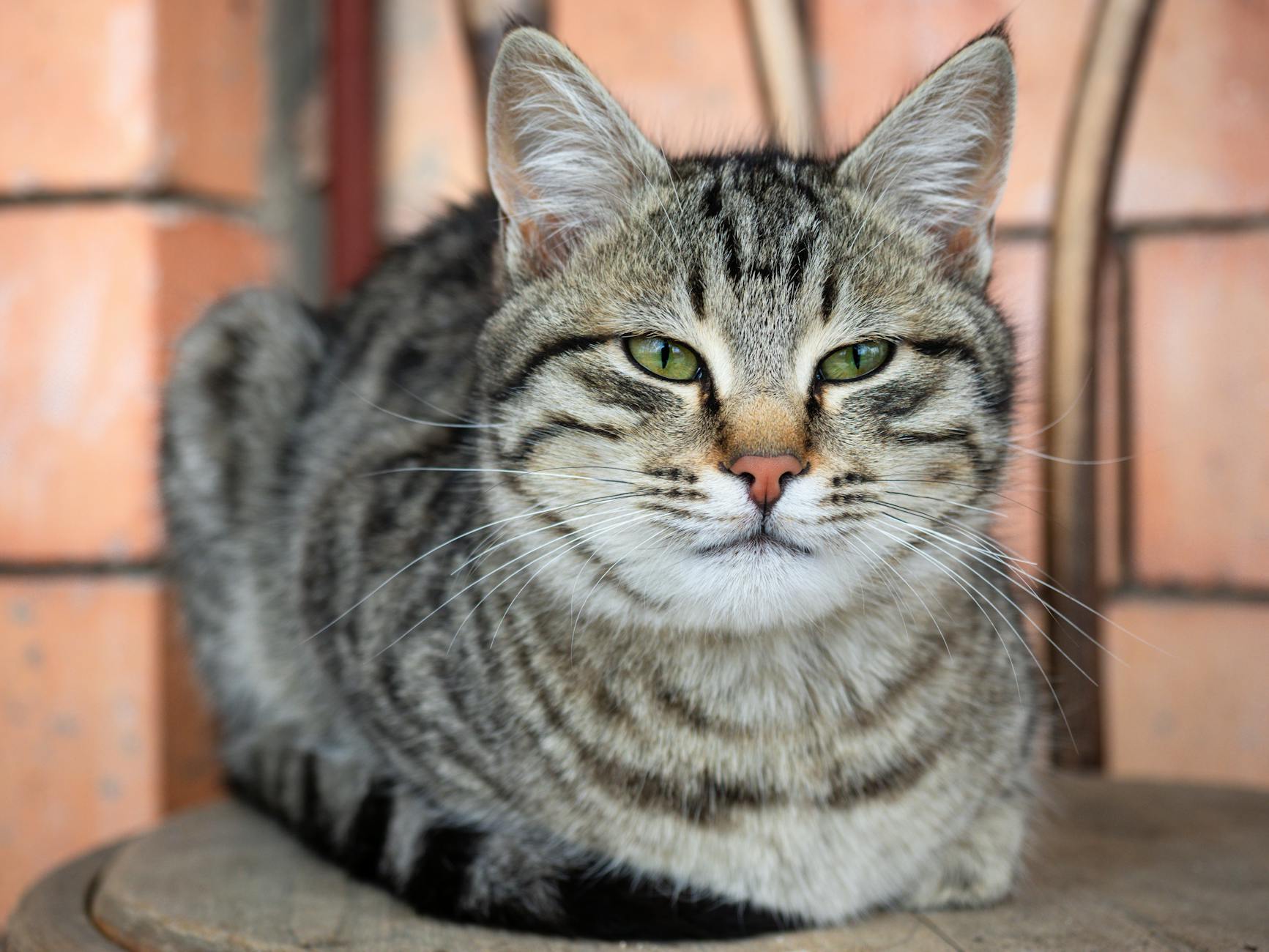
As a vet, I consider the European Shorthair the gold standard of natural, robust feline health and adaptability. They are intelligent, self-sufficient yet deeply affectionate companions, making them the ultimate choice for active families or first-time owners seeking a low-maintenance, resilient pet.
Quick Facts
- origin countrySweden (standardized), continental Europe
- breed groupShorthair (Natural)
- sizeMedium to Large
- weight range8 to 15 lbs (3.6 to 6.8 kg)
- height range11 to 14 inches (28 to 35 cm)
- lifespan15 to 20 years
- coat typeShort, dense, glossy, and close-lying
- common colorsAll natural colors (tabby, solid, bicolors) except pointed, chocolate, or lilac
- other namesEuropé, Celtic Shorthair
- recognized byFIFe, WCF
Caring for a European Shorthair
In my clinical practice, managing a European Shorthair’s day-to-day life is wonderfully straightforward, but it requires mindful environmental enrichment to prevent boredom. These cats inherit strong hunting instincts, meaning they need daily interactive play sessions of at least 15 minutes to mimic the stalk-and-pounce cycle. While they adapt seamlessly to indoor living, providing vertical spaces like cat trees and window perches is non-negotiable for their mental well-being. I always remind owners that their physical robustness shouldn’t translate to neglect; structured routines keep their sharp minds balanced.
Is a European Shorthair a good family pet?
Absolutely, they are exceptionally adaptable and possess an even-tempered nature that tolerates the unpredictable energy of children. In my years treating them, I’ve noted they form strong, unique bonds with each family member rather than shadowing just one person.
Do European Shorthairs shed a lot?
They are moderate shedders who undergo seasonal blowouts in spring and autumn. I tell my clients that a thorough weekly brushing with a rubber curry brush is usually all it takes to keep loose hairs off your furniture.
Is a European Shorthair good for first-time owners?
I highly recommend them to novices because they lack the high-maintenance grooming of Persians or the extreme vocal demands of Siamese. Their resilient health and forgiving, highly adaptable nature make them the perfect ‘starter’ cat.
Temperament & Personality
The temperament of the European Shorthair is defined by balance: they are active but not hyperactive, affectionate but never clingy. What I see most often in practice is their uncanny ability to read a room, knowing exactly when to offer quiet comfort or demand a game of chase. Because they evolved as working barn cats throughout Europe, they retain a keen intelligence and a subtle streak of independence. They are confident, rarely startled by household noise, and carry themselves with an unpretentious dignity.
Is a European Shorthair good with other pets?
Yes, their confident and stable temperament makes socialization quite simple. In my experience, they cohabitate excellently with dog-friendly canines and other cats, provided introductions are paced slowly over 7 to 10 days.
How much attention does a European Shorthair need?
While they cherish human interaction, they do not require constant supervision. They are perfectly content to entertain themselves or nap while you are at work, making them ideal for households with 9-to-5 schedules.
Training & Behavior
Trainability is a hidden superpower of this breed, driven by their historical need to solve problems independently. I’ve successfully guided clients to clicker-train their European Shorthairs to perform basic cues like ‘sit’ and ‘come’ within just a few weeks. They respond exceptionally well to positive reinforcement, but will quickly disengage if training sessions turn repetitive or punitive.
Training Tips
- Use high-value treats like freeze-dried chicken for motivation
- Keep training sessions short, ideally 3 to 5 minutes
- Introduce a clicker early to mark desired behaviors
- Praise immediately to capitalize on their quick association skills
- Avoid physical corrections, which will damage their trust
Fun Activities
- Food puzzle toys to satisfy hunting instincts
- Clicker training simple tricks like high-five
- Leash walking with a secure H-harness
- Feather wand chase games
- Agility obstacle courses made from cardboard boxes
Is a European Shorthair easy to train?
Yes, compared to many other breeds, they are highly receptive to training. Their natural curiosity and food motivation make them excellent candidates for puzzle feeders and basic leash work.
European Shorthair Health Issues
From a veterinary standpoint, the European Shorthair is one of the most genetically sound, robust breeds you can own due to its diverse natural gene pool. However, no cat is completely immune to illness, and proactive preventative care remains vital throughout their long lives.
Hypertrophic Cardiomyopathy (HCM)
The most common heart disease in cats, causing abnormal thickening of the left ventricular muscle. While less genetically prevalent here than in Maine Coons, I still screen all adult European Shorthairs annually via auscultation.
Obesity
Because they are highly efficient metabolically, indoor European Shorthairs can easily pack on excess weight if free-fed. Obesity increases their risk for osteoarthritis and hepatic lipidosis.
Feline Lower Urinary Tract Disease (FLUTD)
A broad term covering sterile cystitis and urinary crystals, often triggered by stress or low water intake. I frequently see this in indoor-only males on exclusive dry-food diets.
Periodontal Disease
Accumulation of plaque and tartar leading to painful gingivitis and tooth resorption. I diagnose some degree of dental disease in over 70% of these cats by age three if preventative care isn’t started early.
How long do European Shorthairs typically live?
With diligent veterinary care and proper nutrition, European Shorthairs routinely live between 15 and 20 years. Their lack of extreme brachycephalic or skeletal mutations contributes heavily to this impressive longevity.
What to Feed a European Shorthair
Feeding a European Shorthair is all about caloric control and hydration. I strongly advocate for a diet that heavily features wet food to protect their kidneys and urinary tract over their long lives.
Best Diet
A high-protein, moderate-fat diet formulated for domestic cats is ideal. Transitioning them from kitten food to adult maintenance formula around 10 to 12 months is key to preventing early-onset obesity.
How to Feed
Avoid free-feeding dry kibble; instead, feed measured meals twice daily. Using a microchip feeder or a puzzle toy can slow down fast eaters and provide mental stimulation.
How Much to Feed
Portion sizes should be calculated based on their target weight and activity level, typically averaging 200 to 250 calories per day for a standard 11-pound cat. Always consult your veterinarian to customize these targets as they age.
Nutritional Tips
Incorporate moisture-rich wet food daily, and consider a pet water fountain. Cats have a low thirst drive, and running water naturally encourages them to drink more, reducing urinary risks.
European Shorthair Grooming Guide
Grooming a European Shorthair is an absolute breeze, making them ideal for owners who don’t want to spend hours detangling fur. Their coat is naturally self-cleaning, but regular hands-on sessions allow you to check for skin abnormalities.
Coat Care
Brush their coat once a week with a soft bristle or rubber curry brush to remove dead hairs. During the spring shed, increase this to twice weekly to minimize hairball formation.
Skin Care
Their skin is generally resilient, but keep an eye out for flea allergy dermatitis during warmer months. Regular monthly veterinary-approved flea preventatives are essential.
Eye Care
Rarely an issue due to their normal skull structure, but wipe away any occasional sleep crusts with a damp cotton ball.
Ear Care
Check ears monthly for wax buildup or redness; clean only if needed using a vet-recommended, alcohol-free ear cleaner.
Nail & Dental Care
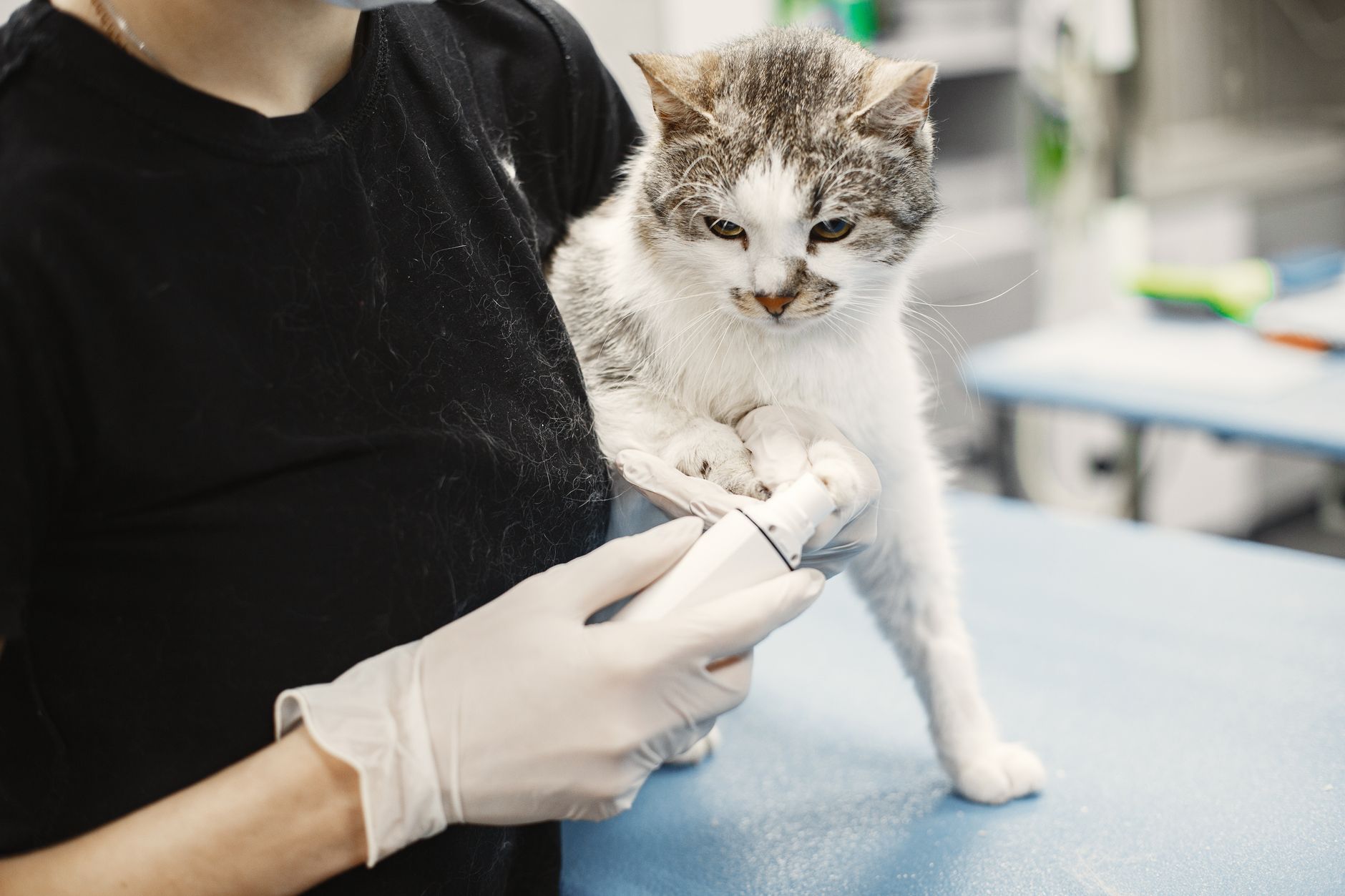
Trim nails every 2 to 3 weeks using feline nail clippers, and brush their teeth daily with enzymatic pet toothpaste to prevent periodontitis.
Considerations for Pet Parents
Pros
- Extremely long-lived and genetically robust
- Low-maintenance coat requiring minimal grooming
- Highly adaptable to various living situations
- Excellent hunting instinct helps control household pests
- Affectionate and companionable without being overly needy
- Generally excellent with children and other household pets
Cons
- Prone to obesity if diet is not strictly managed
- Requires consistent mental enrichment to prevent boredom
- High prey drive makes them unsafe around loose small pets
- Can be rare to find from reputable breeders outside Europe
Best For
They are best suited for active families, working professionals, or seniors who want a loyal, resilient, and low-maintenance feline companion. They thrive in environments where they are integrated into daily household activities.
Not Recommended For
I do not recommend them for owners who keep loose pocket pets like hamsters or birds, as their strong predatory drive is hard to suppress. They are also less suited for owners who expect a completely sedentary lap cat that requires zero interactive play.
Cost
- purchase price$800 to $1,500 USD
- monthly cost$60 to $100 USD
- initial setupInitial setup costs, including microchipping, spaying/neutering, vaccinations, and quality litter boxes, typically range from $300 to $600.
Similar Breeds

European Shorthair FAQs
What is the difference between a European Shorthair and a Domestic Shorthair?
A Domestic Shorthair is a mixed-breed cat of unknown lineage, whereas the European Shorthair is a standardized, pedigreed breed developed in Scandinavia. The European Shorthair has strict breed standards regarding head shape, body proportions, and coat quality to maintain its historic working-class look.
Do European Shorthairs like water?
While not typically swimming enthusiasts like the Turkish Van, many European Shorthairs are fascinated by dripping faucets and running water. Providing a pet fountain can offer hours of entertainment while ensuring they stay properly hydrated.
Are European Shorthairs hypoallergenic?
No, they are not hypoallergenic. They produce standard levels of the Fel d 1 protein in their saliva and skin dander, meaning they can still trigger reactions in allergy sufferers.
How big do European Shorthairs get?
They are a medium to large breed. Adult males typically weigh between 10 and 15 pounds, while females are slightly smaller, usually weighing between 8 and 12 pounds. They reach their full physical maturity around 2 years of age.
Can European Shorthairs live entirely indoors?
Yes, and from a veterinary standpoint, I strongly recommend keeping them indoors to protect them from infectious diseases, traffic, and predators. However, you must provide ample indoor enrichment, such as scratching posts, climbing trees, and food puzzles, to satisfy their active minds.
Are European Shorthairs vocal?
No, they are generally quiet cats who use their voices sparingly. When they do vocalize, it is typically a soft, polite chirp or purr to signal hunger or affection, rather than the persistent, loud meowing seen in Oriental breeds.
How often should I take my European Shorthair to the vet?
I recommend annual wellness exams for adult cats under age seven, which should include a thorough dental check and weight assessment. For senior cats over seven, bi-annual visits with routine blood work and blood pressure monitoring are crucial for early disease detection.
Do they have a high prey drive?
Yes, they have an exceptionally strong hunting instinct inherited from their ancestors who worked as farm mousers. I advise owners to keep small rodents, birds, or reptiles securely housed and completely out of reach of this breed.
How do they handle hot and cold weather?
Because of their dense, protective coat, they handle moderate temperature changes well. However, like all domestic cats, they should be kept in a climate-controlled indoor environment during extreme summer heat or freezing winter temperatures to prevent heatstroke or hypothermia.
Can they be left alone during the day?
Yes, they are highly independent and cope well with being left alone for a standard 8-to-10-hour workday. Just ensure you leave out safe toys, puzzle feeders, and access to fresh water to keep them occupied.
Are they prone to any genetic diseases?
They are one of the healthiest pedigreed cats in existence because they were bred directly from resilient European domestic cats. While they have no unique breed-specific genetic defects, they can still contract common feline issues like hypertrophic cardiomyopathy (HCM).
What kind of toys do they prefer?
They prefer toys that stimulate their hunting drive, such as feather wands, laser pointers, and motorized toy mice. I always suggest rotating their toys weekly to keep them novel and mentally challenging.
At what age should a European Shorthair be spayed or neutered?
I recommend spaying or neutering your European Shorthair between 5 and 6 months of age, before they reach sexual maturity. This timing helps prevent territorial spraying in males and reduces the risk of mammary tumors in females.