
Hovawart Breed Guide

Quick Summary
The Hovawart is a magnificent German working breed that blends the protective instincts of a guardian with the intelligence and versatility of a utility dog. In my clinical experience, they are remarkably healthy for a large breed, but they require dedicated socialization and experienced handling to channel their strong protective drive. They thrive best in active households where they are treated as true partners in daily activities.
As an Amazon Associate, we earn from qualifying purchases.
Popular with Hovawart owners: Slicker Brush · Orthopedic Dog Bed · Hip & Joint Supplement
Quick Facts
- origin countryGermany
- breed groupWorking
- sizeLarge
- weight range65 to 90 pounds (30 to 41 kg)
- height range23 to 29 inches (58 to 74 cm)
- lifespan10 to 14 years
- coat typeLong, dense, weather-resistant single coat with minimal undercoat
- common colorsBlack and gold, all black, and blond
- other namesHovie
- recognized byAKC (FSS), UKC, FCI
Caring for a Hovawart
Living with a Hovawart is an active commitment; these are not couch potatoes. In my practice, I find they need at least 60 to 90 minutes of vigorous daily exercise alongside mental puzzles to prevent boredom-induced behaviors. They have a strong working drive and natural guardian instincts, meaning your daily routine must include active environmental management. Because they develop slowly, reaching full physical and mental maturity only around three years of age, you must pace their physical activities carefully in their early years.
Is a Hovawart a good family pet?
Yes, for active families with dog-handling experience. In my clinic, I see them form incredibly tight, protective bonds with their immediate household, showing great tenderness to ‘their’ children. However, their size and natural protective instincts mean they require strict supervision around visiting playmates and stranger integration.
Do Hovawarts shed a lot?
They shed moderately year-round and experience heavy seasonal blowouts twice a year. Because they lack a dense, woolly undercoat, their long hair doesn’t mat as easily as other long-haired breeds, but you will still need regular vacuuming. Daily brushing during shedding seasons is essential to manage the fallout in your home.
Is a Hovawart good for first-time owners?
No, I strongly advise against a Hovawart for novices. Their formidable combination of physical strength, strong territorial guarding instincts, and independent thinking requires a handler who understands canine body language and can establish clear, consistent boundaries. Without experienced leadership, they can easily become overly protective or difficult to manage.
Temperament & Personality
The Hovawart’s temperament is defined by its name, which translates to ‘yard watchman’ in Middle High German. They possess an innate, unshakeable protective instinct that operates with surprising discernment, but they are not inherently aggressive without cause. In my clinic, a well-socialized Hovie is self-assured, calm, and observant, watching veterinary procedures with a quiet intelligence rather than panic. They are incredibly loyal to their family, showing a playful, goofy side that they rarely reveal to strangers.
Pecute Skin-Friendly Self-Cleaning Slicker Brush
- ✓Instant hair-ejection button
- ✓Made for heavy shedders and sensitive skin
- ✓Works on cats and dogs
- Fine wire pins lift loose undercoat and work out small tangles before they turn into mats
Is a Hovawart good with other pets?
They can coexist beautifully with other pets if raised with them from puppyhood, but their history as farm guardians means they may view strange small animals as prey. In households with multiple dogs, they do best with dogs of the opposite sex due to potential same-sex assertiveness. Early socialization is key to ensuring they tolerate other animals peacefully.
How much attention does a Hovawart need?
A great deal; they are incredibly family-oriented and do not tolerate being isolated in a backyard. In my clinical observations, Hovawarts excluded from family life often develop severe separation anxiety or destructive guarding behaviors. They need to be active participants in your daily routine to stay mentally balanced.
Training & Behavior
Training a Hovawart requires understanding their high intelligence and slight streak of independence. They do not respond well to harsh, repetitive, or drill-style training methods, which will cause them to shut down or ignore you. I advise using positive reinforcement paired with clear, confident leadership; they must respect you to work with you. Because of their slow mental maturation, training is a multi-year project that requires patience.
Training Tips
- Use positive reinforcement instead of harsh corrections
- Keep training sessions varied and mentally stimulating
- Focus heavily on early socialization in the first 16 weeks
- Establish clear, consistent household boundaries early on
- Teach a strong ‘quiet’ or ‘settle’ command to manage guarding barks
Fun Activities
- Tracking and scent work
- Agility training
- Search and Rescue (SAR)
- Draft work and carting
- Canicross or hiking
Is a Hovawart easy to train?
They are highly intelligent and eager to work, but they are not ‘easy’ in the way a Golden Retriever is. Their independent thinking means they will question commands if they don’t see a point or don’t respect your leadership. They require a confident handler who can make training engaging and intellectually stimulating.
Hovawart Health Issues
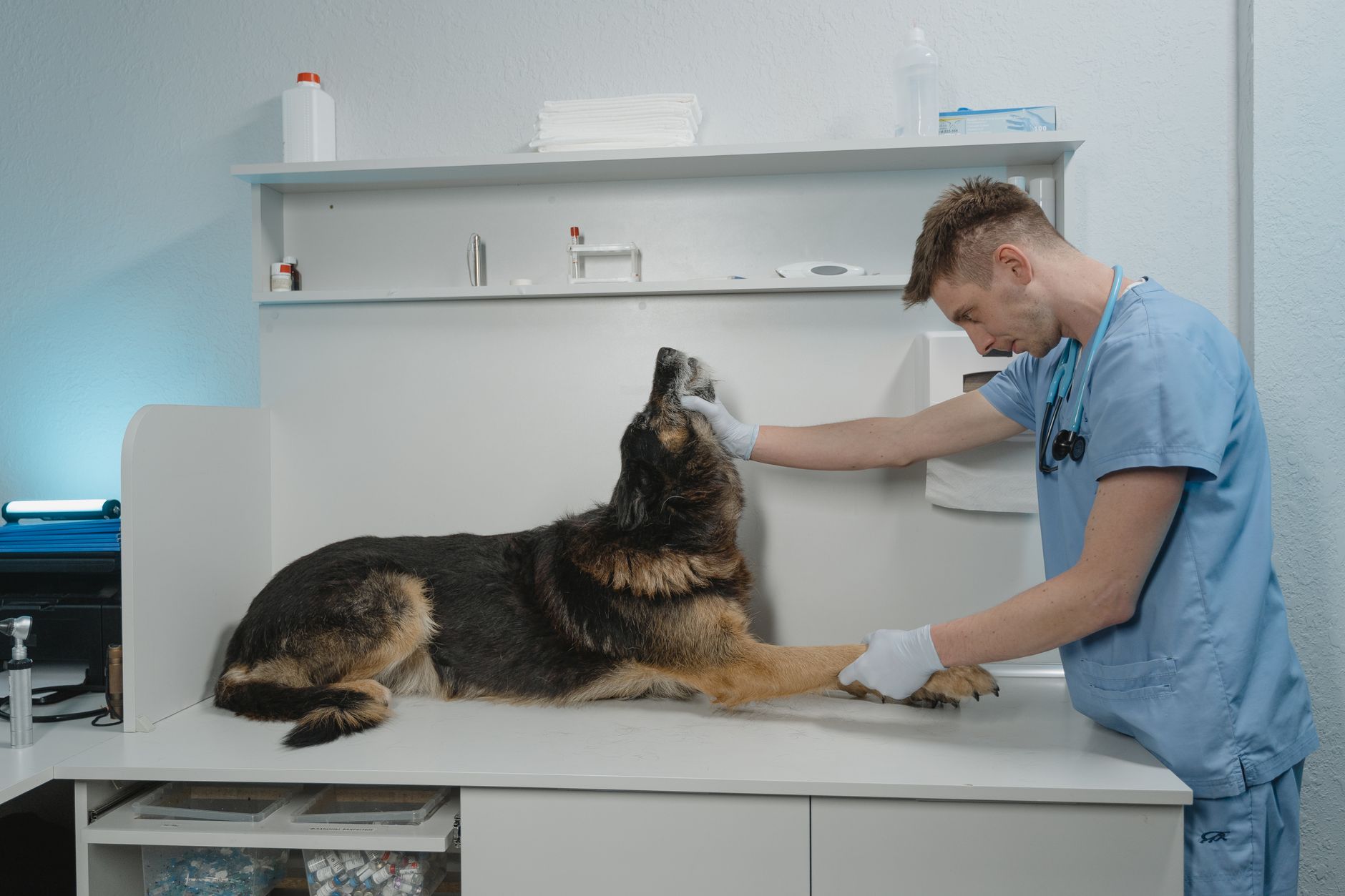
Clinically speaking, the Hovawart is one of the most robust and genetically sound large breeds I treat, thanks to incredibly strict breeding regulations in Europe. However, like all large-breed dogs, they are still susceptible to specific orthopedic, endocrine, and oncological conditions. Keeping them at a lean, healthy weight is the single best preventative measure an owner can take.
Hip Dysplasia (HD)
An inherited orthopedic condition where the hip joint doesn’t fit properly, leading to progressive arthritis. While strict screening has reduced its incidence in Hovawarts, it still occurs.
Hypothyroidism
An underactive thyroid gland that slows the dog’s metabolism. I diagnose this via a standard blood panel, and it is easily managed with daily oral hormone replacement therapy.
CWAWZ Orthopedic Cooling Gel Memory Foam Dog Bed, XL
- ✓3-inch orthopedic foam with cooling gel layer
- ✓Waterproof TPU lining; washable cover
- ✓CertiPUR-US foam, non-slip bottom
- Supportive foam cushions hips and joints, ideal for large, senior or dysplasia-prone dogs
Gastric Dilatation-Volvulus (GDV/Bloat)
A life-threatening emergency where the stomach fills with gas and twists on its axis, cutting off blood supply. This requires immediate emergency surgery.
Degenerative Myelopathy (DM)
A progressive, non-painful spinal cord disease that leads to hind limb weakness and eventual paralysis, similar to ALS in humans. DNA testing can identify carriers before breeding.
Osteosarcoma
An aggressive bone cancer that unfortunately affects some large working breeds, typically developing in the limbs. Early diagnosis is critical for treatment options like amputation or chemotherapy.
How long do Hovawarts typically live?
A Hovawart’s average lifespan is 10 to 14 years. This is impressively long for a dog of their size, which I attribute to the breed’s historically rigorous health-screening standards. Routine veterinary checkups, maintaining a lean body condition, and preventative joint care can help maximize their senior years.
What to Feed a Hovawart
Proper nutrition is critical for a Hovawart, especially during their rapid puppy growth phase. I always emphasize to my clients that overfeeding a large-breed puppy to make them grow ‘bigger’ only damages their developing joints.
Best Diet
A high-quality, large-breed-specific diet is essential. Look for diets formulated for large breeds to ensure the calcium-to-phosphorus ratio is perfectly balanced to support slow, steady skeletal development.
How to Feed
To reduce the risk of GDV (bloat), split their daily food allowance into two or three smaller meals rather than one large feeding. I highly recommend using a slow feeder and strictly avoiding strenuous exercise for at least 60 minutes before and after meals.
How Much to Feed
Portion sizes typically range from 3 to 4.5 cups of high-quality dry food per day, but this varies wildly depending on age, metabolism, and activity level. Always consult your veterinarian to calculate exact caloric needs using a Body Condition Score (BCS) assessment.
Nutritional Tips
Incorporate joint-supporting supplements like omega-3 fatty acids (EPA/DHA), glucosamine, and chondroitin once they reach maturity. Avoid grain-free diets unless medically indicated by your vet, due to the potential links to nutritional dilated cardiomyopathy.
Hovawart Grooming Guide
For a long-haired breed, the Hovawart is surprisingly low-maintenance. Their single coat lacks a dense undercoat, which means it resists matting and sheds dirt naturally once dry.
Coat Care
Brush the coat thoroughly two to three times a week using a slicker brush and a metal comb, paying close attention to the longer feathering on the ears, chest, and back of the legs. Expect to transition to daily brushing during their spring and autumn coat blowouts.
Skin Care
Bathe them only when necessary (usually every 6 to 8 weeks) using a gentle, oatmeal-based dog shampoo to avoid stripping the natural protective oils from their skin.
Eye Care
Check eyes weekly for discharge or redness; they are not prone to major eye issues, but active outdoor dogs can pick up plant debris.
Ear Care
Because their ears fold down, they can trap moisture and debris. I recommend checking them weekly and cleaning them with a vet-approved, drying ear cleanser after swims or baths.
Nail & Dental Care
Trim nails every 3 to 4 weeks to prevent splayed paws and joint strain, and brush their teeth daily with canine-specific enzymatic toothpaste to prevent periodontal disease.
Considerations for Pet Parents
Pros
- Extremely loyal and devoted to their family
- Exceptional, natural watchdog and guardian capabilities
- Highly versatile for working sports and rescue operations
- Significantly healthier and longer-lived than many large breeds
- Low-maintenance coat that sheds dirt easily
- Playful, affectionate demeanor with loved ones
Cons
- Strong protective instinct requires intense early socialization
- Can be aloof or suspicious toward strangers if unmanaged
- Not suitable for first-time or passive dog owners
- Slow to mature mentally, remaining puppy-like for up to 3 years
- High exercise and mental stimulation requirements
Best For
Experienced dog owners who lead an active, outdoorsy lifestyle and want a true working partner. They excel with handlers who can commit to lifelong socialization and daily mental stimulation.
Not Recommended For
Sedentary households, apartment dwellers without yards, or novice owners who may struggle with a powerful, protective guardian breed. They do poorly in environments where they are isolated or left alone for long periods.
Cost
- purchase price$1,500 to $2,500 USD
- monthly cost$150 to $250 USD
- initial setupExpect to spend $800 to $1,500 initially on high-quality veterinary care, vaccinations, microchipping, a heavy-duty crate, large-breed supplies, and professional puppy socialization classes.
-
Nutramax Cosequin Joint Supplement for DogsGlucosamine and chondroitin chews support cartilage and mobility, especially in large, senior and dysplasia-prone dogs
-
Outward Hound Nina Ottosson Tower of Treats PuzzleFood puzzles turn mealtime into a brain game, burning mental energy in clever, easily bored pets
-
Zuke’s Mini Naturals Training Treats, Peanut Butter & OatsSmall, soft treats are quick to eat, so you can reward the right moment and keep training sessions moving
Similar Breeds
Related Dog Guides
Hovawart FAQs
Are Hovawarts aggressive?
No, they are not inherently aggressive, but they possess powerful, innate guardian instincts. Without early, extensive socialization, their protective drive can manifest as unwanted territorial aggression. Proper training teaches them to distinguish between real threats and normal strangers.
Do Hovawarts bark a lot?
They are moderate alert barkers. True to their heritage as ‘yard watchmen,’ they will certainly bark to notify you of anyone approaching your property, but they typically stop once they see you have acknowledged the situation.
Are they good in apartments?
I strongly advise against keeping a Hovawart in an apartment. Their physical size, high energy level, and natural instinct to patrol their territory require a spacious home, ideally with a securely fenced yard.
Do Hovawarts like to swim?
Yes, most Hovawarts absolutely love the water and are excellent swimmers. Their weather-resistant single coat helps insulate them, but always ensure you dry their drop-ears thoroughly after swimming to prevent yeast infections.
How do they handle hot and cold weather?
They excel in cold weather due to their protective, dense coats. However, they can struggle in extreme heat; in summer, restrict vigorous exercise to the early mornings or late evenings and ensure they always have access to shade and air conditioning.
Are Hovawarts prone to separation anxiety?
Yes, they form incredibly close, codependent bonds with their human family. If left isolated in a backyard or home for more than 4 to 5 hours regularly, they are highly prone to developing severe separation distress or destructive chewing habits.
At what age is a Hovawart fully grown?
Physically, they reach their skeletal height around 18 months, but they continue to fill out and gain muscle mass until about 3 years of age. Mentally, they are slow-maturing and maintain a goofy, puppy-like exuberance until they hit the 3-year mark.
Are there different colors of Hovawarts?
Yes, there are three recognized colors: black and gold (most common, featuring gold markings on a black base), solid black, and blond. The blond variation is often mistaken for a Golden Retriever by the untrained eye.
How do they compare to a Golden Retriever?
While a blond Hovawart resembles a Golden Retriever, their temperaments are polar opposites. Golden Retrievers are highly social and eager to befriend everyone, whereas Hovawarts are reserved, discerning guardians who are indifferent or suspicious toward strangers.
Can they be used as service dogs?
Yes, their high intelligence, stable nerves, and physical stamina make them excellent candidates for therapy work, search and rescue (SAR), and tracking. However, their protective instincts must be highly managed by experienced handlers.
Do they have a strong prey drive?
They have a moderate prey drive. While they can live peacefully with household cats if socialized correctly from puppyhood, they will naturally chase strange cats, squirrels, or rabbits that enter their yard.
What health tests should a Hovawart breeder perform?
Reputable breeders must provide certified clearances for hip dysplasia (via OFA or PennHIP), thyroid function panels, and DNA testing for Degenerative Myelopathy (DM). Always ask to see these official health certificates before purchasing a puppy.
How do I socialize a Hovawart puppy?
Socialization should involve positive, controlled exposure to various people, sounds, environments, and other animals before 16 weeks of age, avoiding overwhelming experiences that could create fear.
Are they prone to ear infections?
Because they have drop ears that trap moisture, they are moderately prone to ear infections if their ears are not kept clean and dry, especially after swimming.