
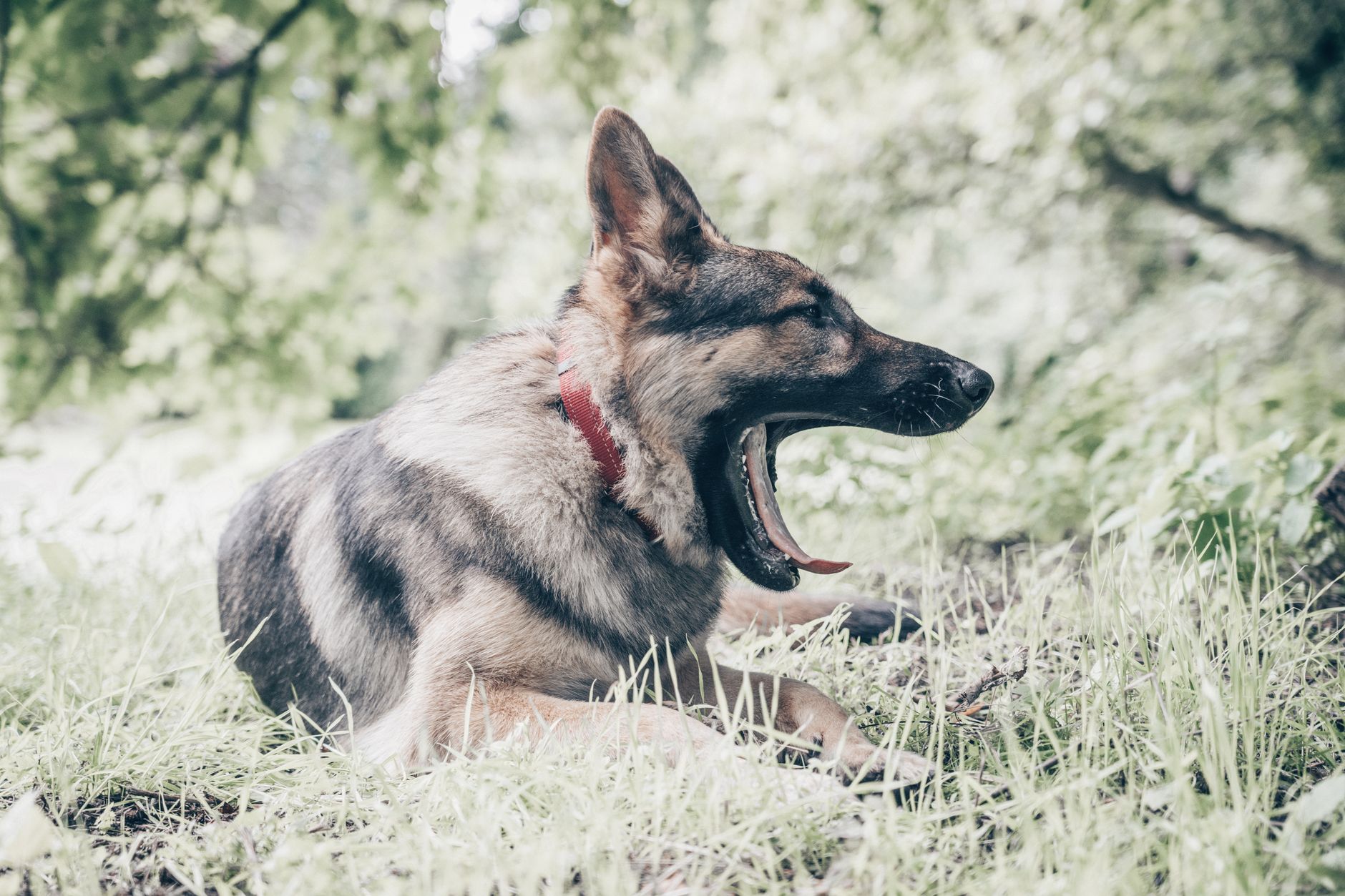
 German Shepherd vs Belgian Malinois: Key Differences Explained” loading=”lazy”>
Quick Summary
While both breeds are elite working dogs, German Shepherds are generally larger, heavier-boned, and more suited to structured guard work and family life, whereas Belgian Malinois are lighter, faster, and possess an intense, high-octane drive that requires expert handling. From a veterinary standpoint, German Shepherds are more prone to structural orthopedic issues like hip dysplasia, whereas Malinois are highly resilient physically but present more frequently with impact injuries and stress-induced behaviors.
Every week in my clinic, I meet pet owners who have fallen in love with the striking look and unmatched intelligence of herding breeds. Often, they are torn between the classic German Shepherd and the increasingly popular Belgian Malinois.
While they might look similar to the untrained eye, these two breeds are vastly different in their temperaments, medical predispositions, and daily management needs.
Choosing the wrong one for your lifestyle can lead to severe behavioral issues and heartbreak. Let’s break down the clinical and practical realities of both breeds so you can make an informed choice.
Key Takeaways
- German Shepherds are heavier and thicker-set, whereas Belgian Malinois are lighter, leaner, and built for speed.
- Belgian Malinois possess an extraordinarily high work drive and intensity that is often too demanding for casual pet owners.
- German Shepherds are prone to severe orthopedic conditions, specifically hip dysplasia and degenerative myelopathy.
- Malinois are generally healthier but suffer from high-impact trauma injuries due to their fearless, airborne style of movement.
- Both breeds require intensive early socialization to prevent fear-aggression and over-guarding behaviors.
- Grooming needs differ significantly, with the German Shepherd shedding year-round compared to the Malinois’ shorter, sleeker coat.
In This Article
- Historical Origins: Bred for Different Demands
- Physical Stature and Conformation
- The Temperament Divide: Steady Watchdog vs. High-Octane Athlete
- Common Clinical Health Issues: A Veterinarian’s Overview
- Exercise, Training, and Mental Stimulation Needs
- Grooming and Shedding Realities
- Suitability for Families, Children, and Multi-Pet Homes
Historical Origins: Bred for Different Demands
To truly understand these dogs, we have to look at what they were originally engineered to do. As a veterinarian, I see history expressed in a dog’s daily physiology and behavioral baseline.
German Shepherds were developed in Germany by Max von Stephanitz in the late 19th century as versatile herding and utility dogs. The goal was to create a strong, intelligent, and highly obedient protector that could work closely with a human handler.
Belgian Malinois, originating from the Malines region of Belgium, were bred purely for intense working ability, sheep herding, and guard work. Their breeders prioritized athletic endurance and speed over aesthetics, resulting in a dog with an incredibly high, uninterrupted motor.
Physical Stature and Conformation
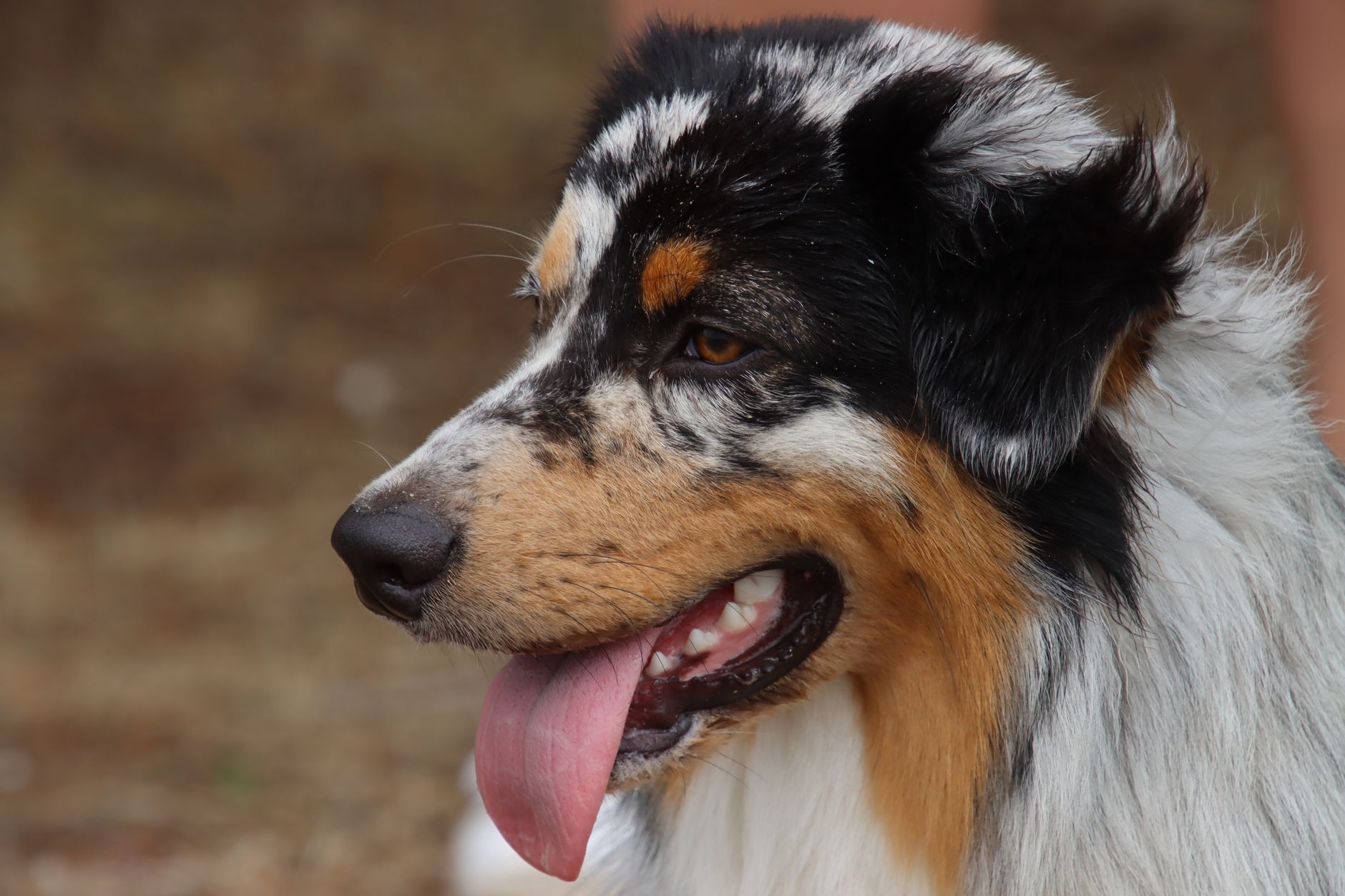
In my examination room, the physical differences between these two breeds are starkly apparent. The German Shepherd is a much heavier, more substantial animal with a longer body.
In contrast, the Belgian Malinois is lighter, more square in its silhouette, and carries far less bone mass. This structural difference dictates how they move, how they age, and the types of physical stress they can endure.
- German Shepherd Weight: Typically ranges from 65 to 90 pounds for males, with a heavier, broader chest.
- Belgian Malinois Weight: Ranges from 40 to 80 pounds, presenting a much leaner, aerodynamic profile.
- Topline Silhouette: German Shepherds often show a sloping backline, whereas Malinois have a flat, level topline.
- Coat Texture: German Shepherds have a dense, medium-length double coat, while Malinois have a short, hard, weather-resistant coat.
The Temperament Divide: Steady Watchdog vs. High-Octane Athlete
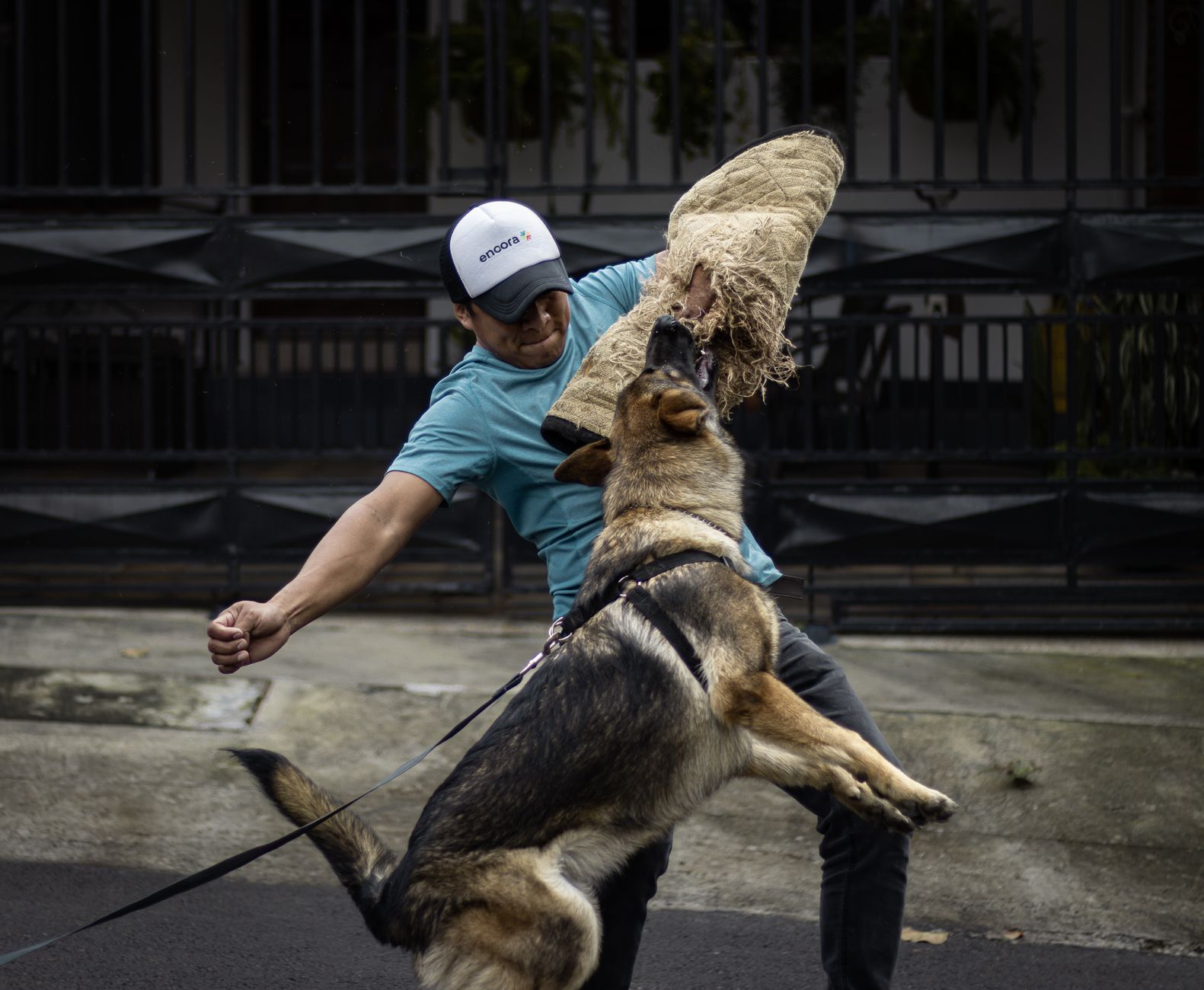
What I see most often in practice is owners underestimating the mental intensity of these dogs, particularly the Malinois. German Shepherds tend to have an ‘on/off’ switch, meaning they can work hard and then relax on the living room floor.
Belgian Malinois, however, are often described by behaviorists as having a constant, baseline hum of high arousal. They are hyper-reactive to stimuli, which makes them incredible military dogs but highly challenging house pets.
- Arousal Threshold: Malinois reach peak excitement and reactivity much faster than German Shepherds.
- The ‘Maligator’ Trait: Malinois use their mouths constantly to explore, play, and express frustration, requiring intense bite inhibition training.
- Protective Instincts: German Shepherds tend to be aloof with strangers and naturally guard territory, while Malinois guard via high-speed interception.
- Sentry Behavior: GSDs will often watch and wait, whereas a Malinois is likely to physically react to a novel trigger immediately.
Common Clinical Health Issues: A Veterinarian’s Overview
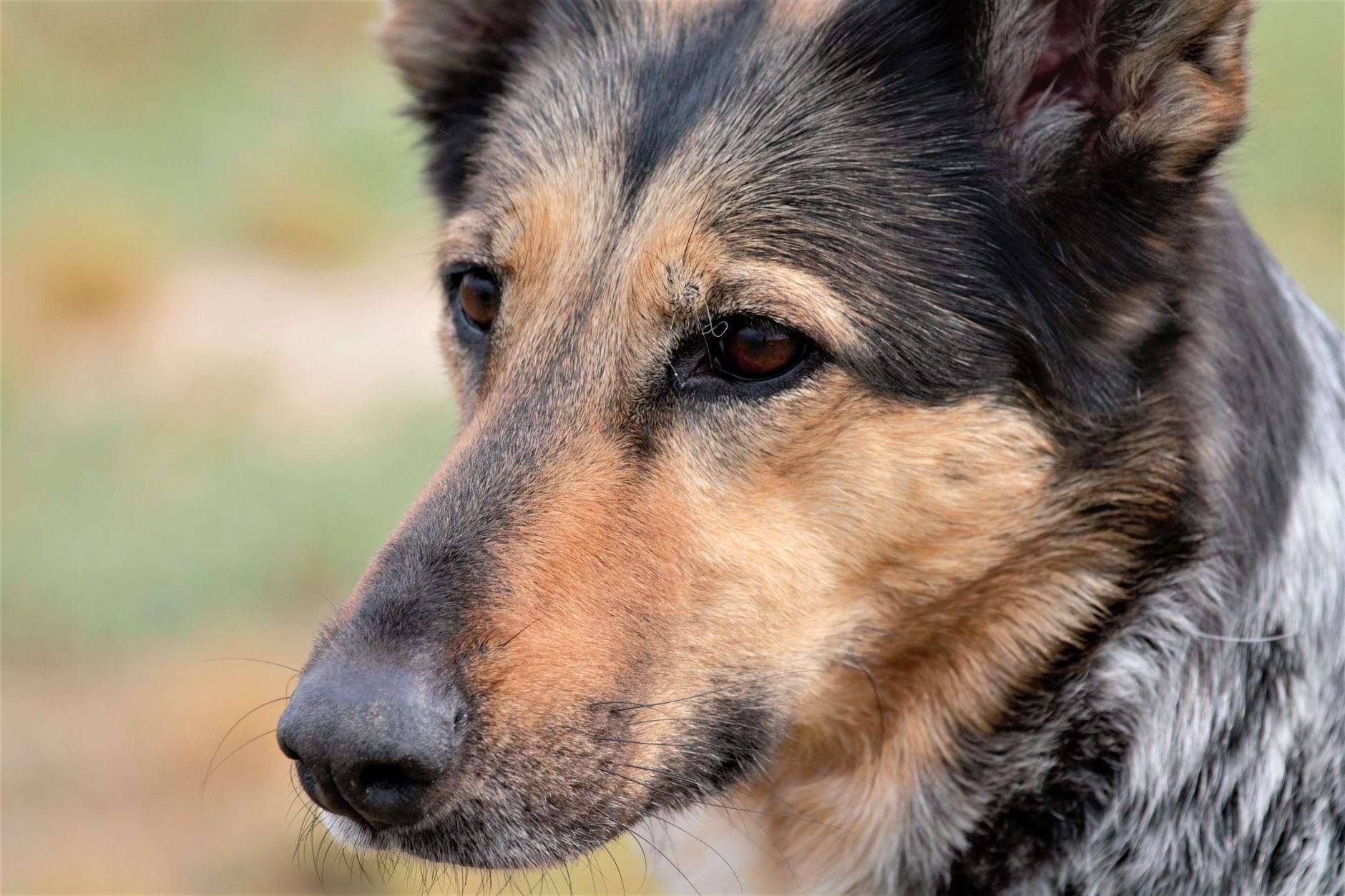
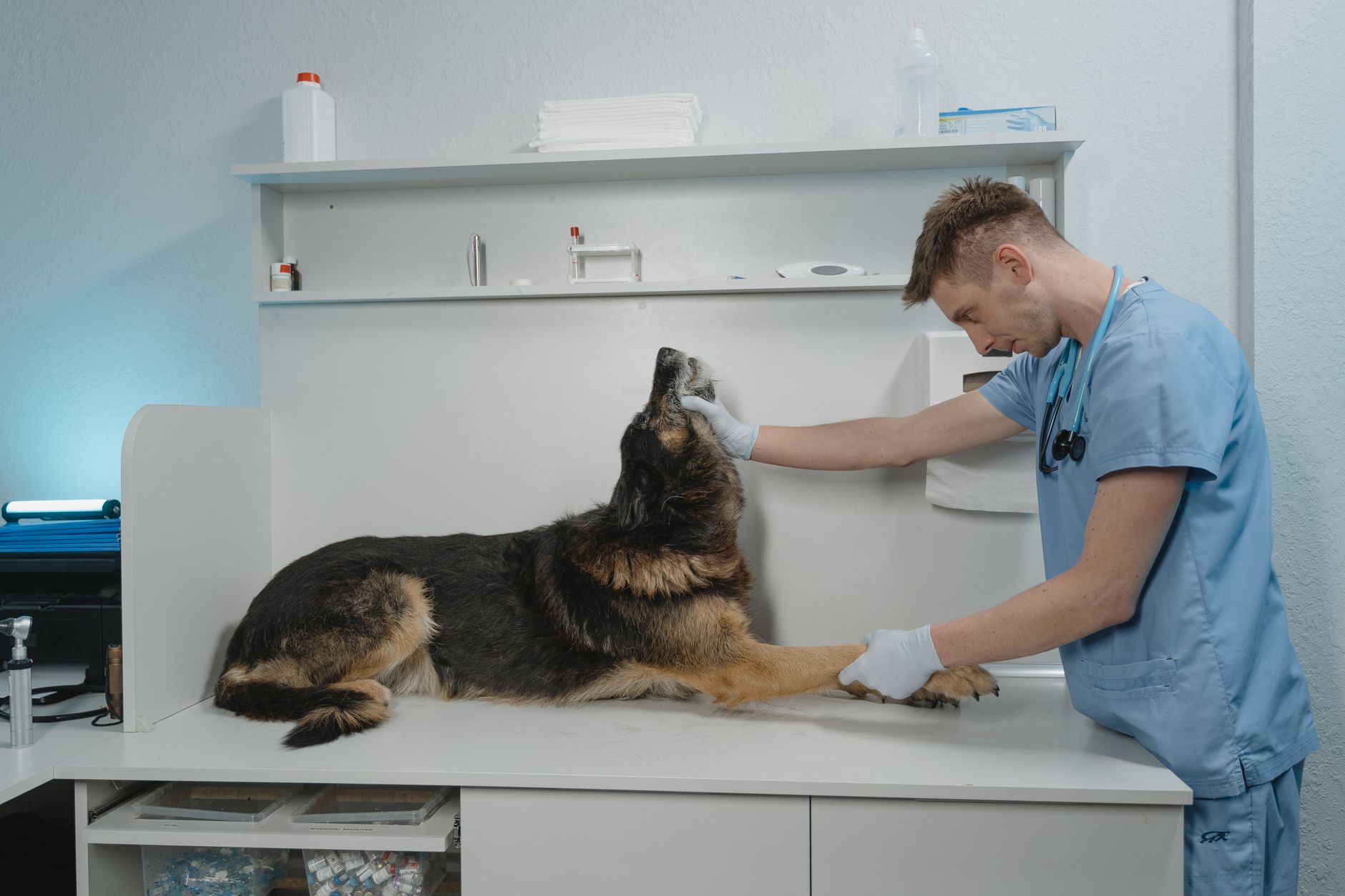
From a clinical perspective, these two breeds face very different medical horizons. If you choose a German Shepherd, orthopedic health must be your primary focus from puppyhood.
If you choose a Malinois, your primary veterinary concerns will likely center around emergency trauma medicine and stress-related gastrointestinal issues. Malinois are physically resilient but their reckless speed often leads to torn ligaments and fractured teeth.
- Hip and Elbow Dysplasia: Highly prevalent in German Shepherds; requires PennHIP or OFA screening before breeding.
- Degenerative Myelopathy (DM): A progressive spinal cord disease that acts like ALS in older German Shepherds.
- Gastric Dilatation-Volvulus (GDV/Bloat): A life-threatening emergency common to the deep-chested German Shepherd.
- Behavioral Self-Mutilation: Bored Malinois are prone to spinning, tail-chasing, and licking their limbs raw out of sheer anxiety.
The Importance of Genetic Screening
I always tell my clients to ask breeders for certified health clearances. For GSDs, look specifically for DNA tests clearing the parents of the SOD1 gene mutation associated with DM.
Exercise, Training, and Mental Stimulation Needs
Neither of these breeds will tolerate a life of simple backyard confinement. However, the degree of mental stimulation they require differs significantly.
A German Shepherd needs a solid hour of daily exercise and a clear, structured routine. A Belgian Malinois needs a ‘job’ that engages their brain for several hours a day, or they will redirect that energy into destroying your home.
Structured Workouts for the Malinois
I recommend high-intensity canine sports like Agility, Dock Diving, or Schutzhund (IGP) to safely channel their drive.
Mental Enrichment for the German Shepherd
Scent work and complex puzzle toys work wonders to tire out a GSD’s brain without overworking their joints.

Grooming and Shedding Realities
Client visits often involve discussions about allergies and vacuum cleaners. The German Shepherd is affectionately known in the vet world as the ‘German Shedder’ for a very good reason.
They drop heavy amounts of undercoat twice a year, but they also shed moderate amounts of hair every single day. The Malinois is much easier to manage daily, though they still possess a double coat that blows seasonally.
- GSD Grooming: Requires brushing at least 3-4 times a week with an undercoat rake to prevent matting.
- Malinois Grooming: A quick weekly brush with a rubber curry glove is usually sufficient to manage dead hair.
- Skin Conditions: German Shepherds are highly prone to atopic dermatitis and hot spots, which require frequent medicated baths.

Suitability for Families, Children, and Multi-Pet Homes
In my years treating these breeds, I have seen both integrate beautifully into families, but it requires deliberate, skilled management.
German Shepherds are generally more tolerant of family chaos once they view the children as part of their pack. Belgian Malinois possess an intense prey drive that can be triggered by running children, cats, or smaller household pets.
- Prey Drive: Malinois have a highly sensitive motion-trigger response, making them risky around cats and small dogs.
- Herding Nipping: Both breeds will naturally try to herd fast-moving kids by nipping at their heels; this must be trained out early.
- Socialization Window: Both breeds require exposure to at least 100 different people, dogs, and environments before 16 weeks of age.
Frequently Asked Questions
Which breed makes a better first-time pet?
Generally, the German Shepherd is far more forgiving for a first-time dog owner, though still challenging. The Belgian Malinois is absolutely not recommended for novices due to its extreme drive, speed, and potential for reactive behavior if mismanaged.
Are Belgian Malinois healthier than German Shepherds?
Yes, from a genetic and structural standpoint, Malinois tend to have fewer hereditary diseases and better hip conformation. However, they are highly prone to physical trauma, broken teeth, and injuries sustained from jumping and working at extreme speeds.
How much exercise does a Belgian Malinois need daily?
A Malinois requires at least two hours of vigorous physical exercise combined with mental stimulation every single day. Simply walking them on a leash is rarely enough; they need off-leash running, training drills, or canine sports to truly tire out.
Do German Shepherds protect their owners naturally?
Yes, German Shepherds have a natural guarding instinct and are highly protective of their family unit. However, without proper training and socialization, this instinct can easily cross over into dangerous, unprovoked aggression.
Can either of these breeds live comfortably in an apartment?
While a German Shepherd can adapt to apartment life if given sufficient daily outdoor exercise, it is incredibly difficult to keep a Belgian Malinois in an apartment. Their high arousal levels and need for constant movement make small, confined spaces highly stressful for them.
Sources & Further Reading
Final Thoughts
Choosing between a German Shepherd and a Belgian Malinois is not just a choice of appearance; it is a choice of lifestyle and capability. If you want a loyal, protective family companion who can enjoy active weekends but also relax on the couch, the German Shepherd is likely your match.
If you are an experienced handler looking for an elite, high-energy athlete to dominate canine sports or working trials, the Belgian Malinois will exceed your wildest expectations. Whichever path you choose, make sure to work closely with a reputable breeder who prioritizes genetic health, and establish a relationship with a veterinarian early on to keep your working dog structurally sound for life.