
Australian Cattle Dog Breed Guide
Quick Summary
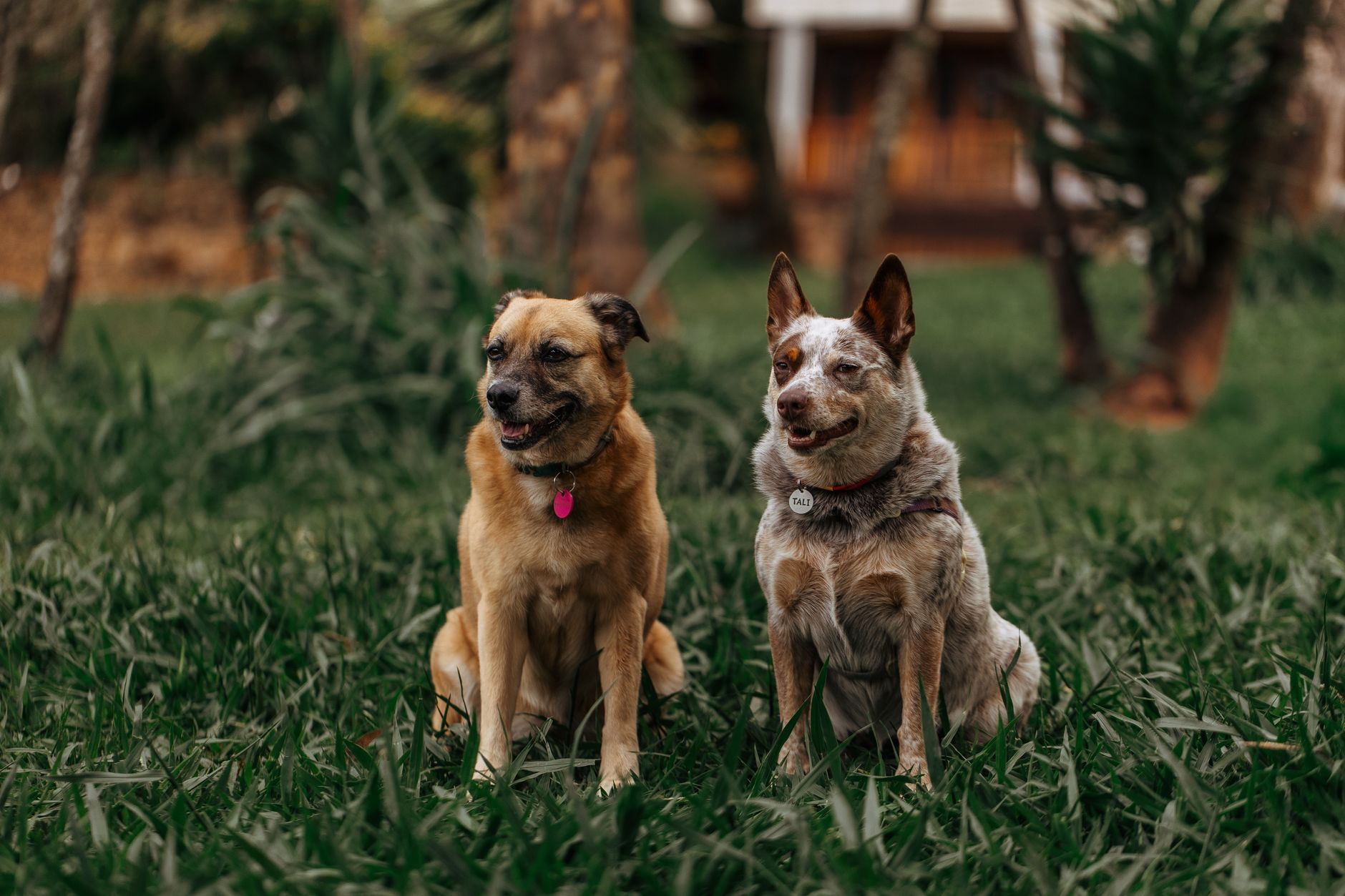
The Australian Cattle Dog is an exceptionally high-energy, whip-smart working breed that demands physical and mental employment. Ideal for active owners, ranchers, or canine sports enthusiasts, these dogs are intensely loyal but will channel their unmatched stamina into destructive behaviors if left understimulated.
Quick Facts
- origin countryAustralia
- breed groupHerding Group
- sizeMedium
- weight range35 to 50 lbs (16 to 23 kg)
- height range17 to 20 inches (43 to 51 cm)
- lifespan12 to 16 years
- coat typeDouble-coated, short, dense
- common colorsBlue, blue mottled, blue speckled, red speckled
- other namesBlue Heeler, Red Heeler, Queensland Heeler, ACD
- recognized byAKC, ANKC, UKC, FCI
Caring for a Australian Cattle Dog
Living with an Australian Cattle Dog is a lifestyle commitment, not just pet ownership. In my clinic, I tell people that without 1.5 to 2 hours of vigorous, structured daily exercise and cognitive challenges, they will invent their own ‘jobs’—usually involving herding your kids or dismantling your drywall. They are shadow dogs, velcroed to your side, observing your every move with an intense, analytical gaze. They require rigorous socialization from puppyhood to manage their natural suspicion of strangers.
Is an Australian Cattle Dog a good family pet?
They can be excellent for highly active families with older children who understand canine boundaries. However, their strong herding instinct drives them to ‘heel’ (nip at ankles) running children or pets, which I frequently have to address with frustrated owners. Close supervision and active training are mandatory.
Do Australian Cattle Dogs shed a lot?
Yes, they are double-coated and shed moderately year-round, with a massive ‘blow-out’ of their undercoat once or twice a year. During these seasonal shedding periods, you’ll need to brush them daily to manage the tumbleweeds of hair in your home.
Is an Australian Cattle Dog good for first-time owners?
In my clinical opinion, absolutely not. I regularly see first-time owners overwhelmed by this breed’s relentless drive, high intelligence, and stubborn streak. They easily outsmart and dominate handlers who do not establish clear, consistent boundaries.
Temperament & Personality
The ACD is a fiercely loyal, ultra-alert guardian disguised as a medium-sized dog. They are incredibly brave and possess a high work drive, developed to drive wild cattle over vast Australian distances. They do not tolerate boredom well and can be highly suspicious of strangers if not extensively socialized. They form an unbreakable, near-telepathic bond with their primary handler.
Is an Australian Cattle Dog good with other pets?
They can co-exist with other household pets if raised with them from a young age, but their high prey drive and herding instincts make them prone to chasing cats and small animals. They also have a tendency toward dog-selectivity or dog-aggression, particularly with same-sex dogs.
How much attention does an Australian Cattle Dog need?
They require near-constant mental and physical engagement. They do not do well left alone in a backyard for hours; they need to be a part of your daily routine and will follow you from room to room, demanding interaction and tasks.
Training & Behavior
Training an ACD requires a firm, positive, and exceptionally consistent handler. These dogs are highly intelligent problem-solvers, but they possess an independent streak and will quickly exploit any inconsistency in your rules. They learn commands rapidly but need to understand the ‘why’ behind what you’re asking.
Training Tips
- Use positive reinforcement; harsh methods backfire with this tough breed.
- Establish firm boundaries and rules from day one.
- Incorporate mental puzzles and obedience into every training session.
- Socialize intensely with diverse people, dogs, and environments before 16 weeks.
- Redirect natural nipping and herding behaviors onto appropriate toys immediately.
Fun Activities
- Agility trials
- Herding trials (Herding Instinct Tests)
- Frisbee and disc dog sports
- Advanced obedience training
- Canicross or trail running
- Nosework and tracking games
Is an Australian Cattle Dog easy to train?
Yes and no; they are highly capable of learning complex tasks instantly, but they are not eager-to-please pleasers like Golden Retrievers. They are independent thinkers who will challenge your authority if they sense weakness or inconsistency in your leadership.
Australian Cattle Dog Health Issues
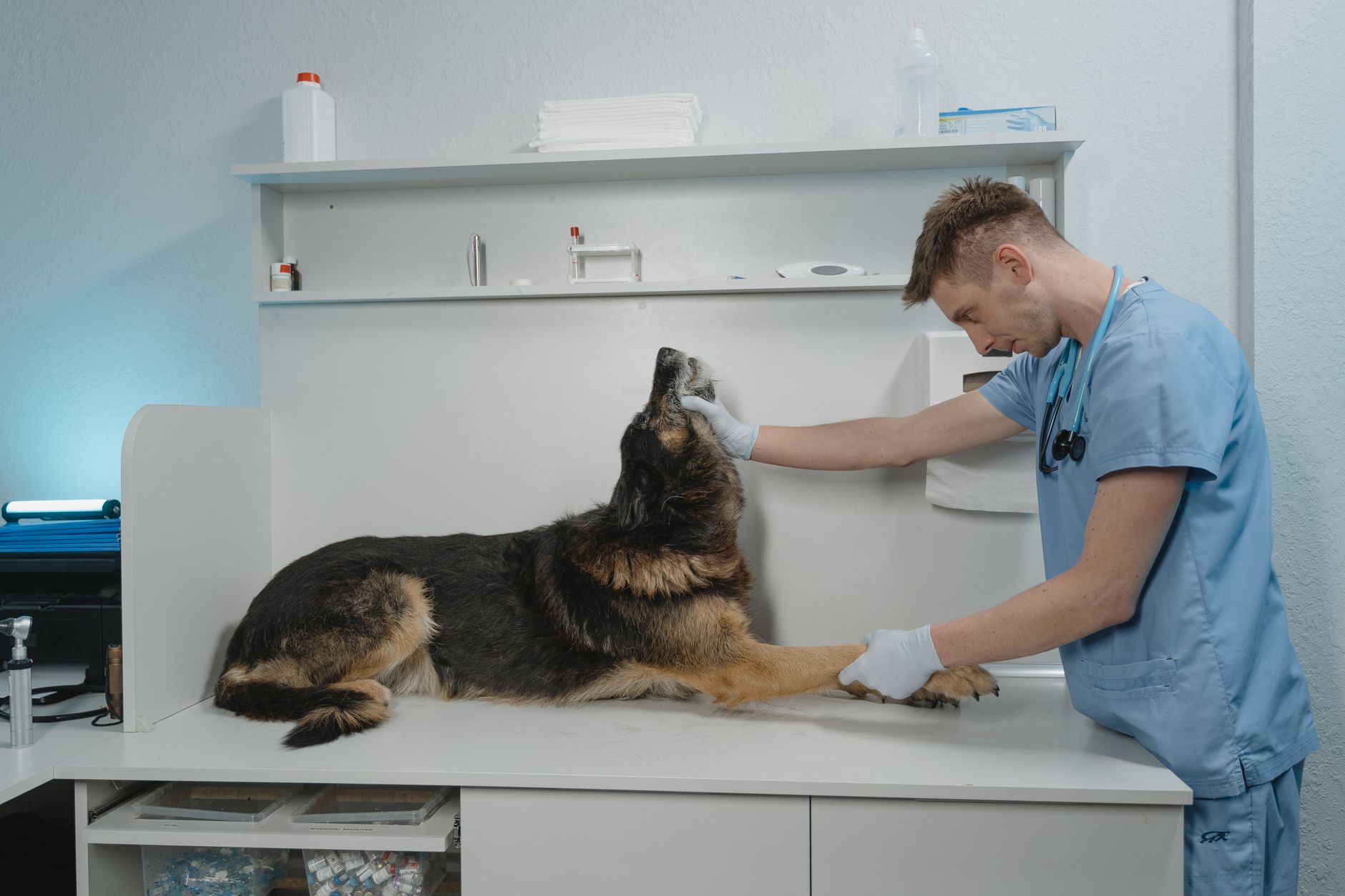
The Australian Cattle Dog is historically a very robust, hardy breed with few congenital issues compared to other purebreds. However, as selective breeding has expanded, I routinely screen for a few specific genetic conditions in my clinic.
Progressive Retinal Atrophy (PRA)
An inherited genetic disease causing the slow, bilateral degeneration of the retina, eventually leading to complete blindness. It usually manifests later in life, and there is currently no cure, though genetic screening can identify carriers.
Hip Dysplasia
A hereditary malformation of the hip joint where the femur does not fit snugly into the pelvic socket, leading to painful osteoarthritis. In my practice, keeping an ACD at a lean body condition is the single best way to manage this condition.
Congenital Hereditary Deafness
An inherited defect linked to the piebald gene (white coat markings), causing deafness in one or both ears, which is present from birth. Responsible breeders perform BAER (Brainstem Auditory Evoked Response) testing on puppies at 5-6 weeks.
Elbow Dysplasia
A developmental abnormality of the elbow joint causing incongruity, cartilage damage, and secondary arthritis. It is often exacerbated by rapid puppy growth or high-impact activities at a young age.
Primary Lens Luxation (PLL)
An inherited painful condition where the fibers holding the eye’s lens disintegrate, causing the lens to fall out of its normal position, which can lead to glaucoma and blindness. This is a medical emergency.
How long do Australian Cattle Dogs typically live?
As a remarkably resilient breed, ACDs routinely live 12 to 16 years. In fact, an Australian Cattle Dog named Bluey famously held the record for the oldest dog ever, living to be 29 years old.
What to Feed a Australian Cattle Dog
Because of their sheer athletic output, ACDs require a nutrient-dense diet packed with high-quality proteins and fats. However, if they are under-exercised, they are highly prone to obesity, which puts undue stress on their hard-working joints.
Best Diet
I recommend a high-protein, performance-grade kibble tailored to active herding breeds, transitioning from puppy to adult formula around 12 to 14 months. Avoid high-carb ‘filler’ diets that provide short bursts of energy rather than sustained athletic fuel.
How to Feed
Divide their daily allowance into two structured meals per day to prevent digestive upset. Avoid free-feeding, as these highly food-motivated dogs will easily overeat.
How Much to Feed
Active adult ACDs typically require 900 to 1,400 calories daily, translating to roughly 2 to 3 cups of high-quality kibble daily. Always consult your vet to adjust portions based on exact weight, age, and actual daily energy expenditure.
Nutritional Tips
Incorporate joint-support supplements containing glucosamine, chondroitin, and Omega-3 fatty acids (like green-lipped mussel or wild fish oil) starting around age 2. This proactive step helps protect their hard-working joints from early wear and tear.
Australian Cattle Dog Grooming Guide
The ACD’s weather-resistant double coat is remarkably low-maintenance, designed to naturally repel dirt and water. They do not require frequent bathing unless they have rolled in something particularly foul on the farm.
Coat Care
Brush them once a week with a slicker brush or undercoat rake to remove loose hair. During their seasonal ‘blowouts,’ you will need to brush them daily, ideally outdoors, to keep up with the shed.
Skin Care
They generally have hardy skin, but check their coat weekly for ticks or burrs picked up during outdoor adventures. Use a mild, soap-free oatmeal shampoo only when bathing is absolutely necessary.
Eye Care
Wipe away minor tear crusting with a damp, warm cloth, and monitor for any cloudiness or redness, which could indicate hereditary eye issues.
Ear Care
Check their erect ears weekly for dirt, wax buildup, or redness, and clean them with a vet-approved ear flush if they look dirty. Keep them dry after swimming.
Nail & Dental Care
Keep nails trimmed short—if you hear them clicking on the floor, they are too long; grind them every 2-3 weeks. Brush teeth 3-4 times a week to prevent periodontal disease.
Considerations for Pet Parents
Pros
- Incredibly loyal, forms an intense lifelong bond
- Highly intelligent and highly trainable for complex tasks
- Remarkable physical stamina and athletic capability
- Robust health and long lifespan for a medium breed
- Excellent watchdog with strong protective instincts
- Low-maintenance coat that naturally repels dirt
Cons
- Prone to nipping heels due to intense herding instincts
- Can become destructive and neurotic if under-stimulated
- Naturally suspicious of strangers and prone to reactivity
- Not suitable for apartment living or sedentary lifestyles
- Needs intensive, lifelong socialization
Best For
Highly active individuals, runners, hikers, or farmers who have the time to dedicate to extensive daily physical exercise and mental training. They thrive when they are given a distinct daily job or are actively competing in dog sports.
Not Recommended For
Sedentary owners, first-time dog owners, families with very young children, or those who work long hours away from home and cannot provide the necessary mental and physical outlets.
Cost
- purchase price$800 to $2,500
- monthly cost$100 to $200
- initial setupExpect an initial setup cost of $1,500 to $2,500, which includes high-quality crates, puzzles, puppy vaccinations, spay/neuter surgery, and essential gear.
Similar Breeds


Australian Cattle Dog FAQs
Why does my Australian Cattle Dog nip at people’s heels?
This is a deeply ingrained genetic behavior. ACDs were bred to herd unruly cattle by nipping at their heels (‘heeling’). If they don’t have livestock to herd, they will attempt to herd running children, guests, or other pets, which must be redirected immediately through consistent training.
Can Australian Cattle Dogs live in apartments?
While technically possible if the owner is exceptionally dedicated to spending 2-3 hours outdoors daily, I generally advise against it. Without a yard or a farm to patrol, their high-energy, territorial nature often translates into excessive barking, anxiety, and destructive behavior indoors.
Are Australian Cattle Dogs aggressive?
They are not inherently aggressive, but they are naturally protective, highly territorial, and suspicious of strangers. Without intensive socialization from puppyhood, their guarding instincts can manifest as reactivity or fear-based aggression toward unfamiliar people and dogs.
At what age do Australian Cattle Dogs calm down?
Do not expect an ACD to ‘calm down’ until they are around 3 to 5 years of age, and even then, their stamina remains incredibly high. Consistent training and mental enrichment are the keys to achieving a calm state, rather than simply waiting for them to age.
Are Australian Cattle Dogs vocal barkers?
They are generally selective barkers. They do not typically bark endlessly for no reason, but they will bark sharply to alert you to strangers, unusual noises, or out of pure frustration when bored or under-stimulated.
How do I mentally stimulate my Australian Cattle Dog?
Use interactive puzzle toys, raw-stuffed KONGs, scent-work games, and structured obedience drills. Giving them jobs like carrying a dog backpack on walks or cleaning up their toys also works wonders to tire out their highly active minds.
Why is my Australian Cattle Dog so clingy?
Often referred to as ‘velcro dogs,’ ACDs form an incredibly strong bond with their primary owner. They thrive on companionship and want to be involved in everything you do, which can sometimes manifest as separation anxiety if they aren’t trained to be independent.
Are Australian Cattle Dogs born white?
Yes, Australian Cattle Dog puppies are actually born with white coats, a genetic trait inherited from their Dalmatian ancestry. Their distinct blue or red speckled patterns emerge gradually over the first few weeks of life.
What is the difference between a Blue Heeler and a Red Heeler?
The only difference is their coat color genetics. ‘Blue Heeler’ refers to dogs with blue, blue-mottled, or blue-speckled coats, while ‘Red Heeler’ refers to those with red-speckled coats. They are the exact same breed with identical temperaments and physical needs.
Do Australian Cattle Dogs swim?
Many ACDs absolutely love the water and are excellent swimmers, while others can be hesitant. Introducing them to water in a positive, gradual manner during puppyhood is key if you want them to be comfortable swimming.
How cold-hardy are Australian Cattle Dogs?
Thanks to their dense double coat, ACDs are highly resilient in cold weather and can easily handle freezing temperatures. However, they should never be left outside permanently in extreme cold, and caution should be taken to protect their paws from ice.
What kind of toys are best for an Australian Cattle Dog?
Because of their powerful jaws and high intelligence, standard plush toys will be destroyed in minutes. I recommend ultra-durable rubber toys (like the KONG Extreme line), hard nylon chew bones, and interactive herding balls designed to resist puncture.
Sources & Further Reading
- American Kennel Club (AKC)
- Merck Veterinary Manual
- American Veterinary Medical Association (AVMA)
- PetMD