
Pyrenean Shepherd Breed Guide

Quick Summary
A whirlwind of herding intelligence and athletic intensity, the Pyrenean Shepherd is a fiercely devoted working dog that thrives under active, experienced guidance. In my clinical practice, I find these high-energy companions excel when given a dedicated job, making them ideal for competitive canine sports enthusiasts but potentially overwhelming for sedentary households.
As an Amazon Associate, we earn from qualifying purchases.
Popular with Pyrenean Shepherd owners: Slicker Brush · Orthopedic Dog Bed · Hip & Joint Supplement
Quick Facts
- origin countryFrance
- breed groupHerding Group
- sizeMedium
- weight range15 to 30 pounds (7 to 14 kg)
- height range15 to 21 inches (38 to 53 cm)
- lifespan12 to 17 years
- coat typeRough-faced (long, harsh, demi-long) or Smooth-faced (short, fine muzzle and legs)
- common colorsFawn, grey, blue merle, brindle, black, often with black overlay
- other namesBerger des Pyrénées, Pyr Shep
- recognized byAKC, UKC, FCI
Caring for a Pyrenean Shepherd
Living with a Pyrenean Shepherd is a lesson in perpetual motion; they require constant mental engagement and high-intensity physical outlets. In my years treating this breed, I have observed that they do not tolerate being left alone in a backyard; they want to be your shadow and participate in every task. Their herding instinct is highly pronounced, meaning they will attempt to manage the movement of children, other pets, and even vehicles. Maintaining their health involves early socialization to manage their natural wariness, alongside structured physical activities like agility or flyball.
Is a Pyrenean Shepherd a good family pet?
Yes, but with caveats; they are intensely devoted to their immediate family but can be overly protective and aloof with strangers. Their strong herding drive means they may nip at heels, so I advise supervising them closely around small children.
Do Pyrenean Shepherds shed a lot?
They shed moderately, but their coat requires consistent maintenance to prevent matting, especially the rough-faced variety which can naturally cord. Regular line brushing down to the skin at least twice a week is essential to prevent painful mats from forming.
Is a Pyrenean Shepherd good for first-time owners?
In my professional opinion, absolutely not. Their extreme intelligence, high energy, and natural sensitivity require a highly experienced handler who understands herding behavior and positive reinforcement training.
Temperament & Personality
The Pyrenean Shepherd possesses an intense, mischievous, and highly alert temperament. They are incredibly sensitive to their owner’s moods and environment, reacting swiftly to subtle changes. This hyper-awareness makes them fantastic watchdogs, though it can cross into hyper-vigilance or anxiety if not properly managed. In my clinic, I often note their profound devotion; they form an unbreakable bond with one primary caretaker.
Depets Self-Cleaning Slicker Brush
- ✓Removes loose hair, mats and tangles
- ✓Bead-tipped pins massage without scratching
- ✓One-click button releases the hair
- Fine wire pins lift loose undercoat and work out small tangles before they turn into mats
Is a Pyrenean Shepherd good with other pets?
They can coexist peacefully with other household pets if raised with them from puppyhood. However, their high herding drive may cause them to relentlessly chase cats or smaller animals, which requires careful management and training.
How much attention does a Pyrenean Shepherd need?
They demand a significant amount of daily interaction and mental stimulation. They are not ‘couch potato’ dogs and will quickly develop compulsive behaviors or destructive habits if left under-stimulated.
Training & Behavior
Training a Pyr Shep is a delightful challenge because of their astonishing cognitive speed, but they do not tolerate harsh correction. In my clinical experience, these dogs shut down quickly under heavy-handed methods, requiring a positive, reward-based approach instead. They learn commands in just a few repetitions, but they will also learn how to manipulate situations to their advantage if you aren’t consistent.
Training Tips
- Start socialization before 12 weeks of age to combat natural wariness.
- Utilize clicker training and high-value treats to keep their fast minds engaged.
- Keep training sessions short, varied, and intellectually challenging.
- Practice ‘calmness training’ to help them settle their high-strung nervous systems.
Fun Activities
- Agility competitions (where they excel globally)
- Herding trials and instinct tests
- Flyball and disc dog sports
- Advanced trick training and scent work
Is a Pyrenean Shepherd easy to train?
They are highly trainable due to their extreme intelligence and eagerness to work, but they are not ‘easy’ for novices. They require a handler who can stay one step ahead of their quick minds and direct their energy constructively.
Pyrenean Shepherd Health Issues
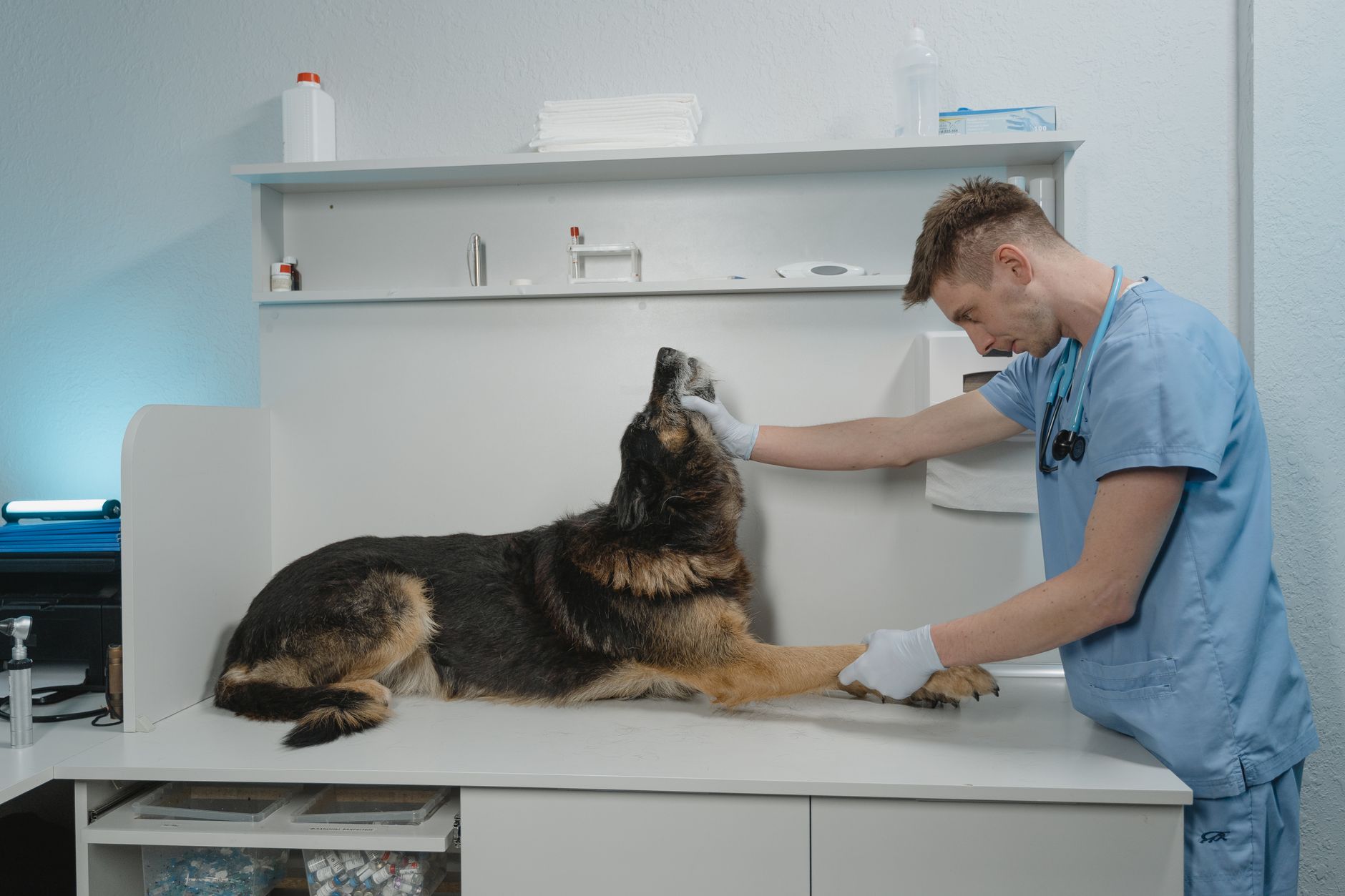
Overall, the Pyrenean Shepherd is a remarkably hardy and robust breed with few genetic diseases compared to other purebreds. However, their active lifestyle and genetic pool mean we must screen for specific orthopedic, ocular, and cardiac conditions.
Patellar Luxation
This is a condition where the kneecap slips out of its normal anatomical groove. In my practice, I frequently screen active Pyr Sheps for varying grades of luxation, which can lead to early osteoarthritis.
Hip Dysplasia
An inherited malformation of the hip joint that can cause painful arthritis. Even in smaller herding dogs, I highly recommend PennHIP or OFA evaluations before breeding or engaging in high-impact agility.
Bedsure Orthopedic Dog Bed, Egg-Crate Foam
- ✓Egg-crate orthopedic foam spreads body weight
- ✓Removable, machine-washable cover
- ✓Supports dogs up to 65 lbs
- Cushions hips and joints in large, senior or dysplasia-prone dogs
- Easy to keep clean
Progressive Retinal Atrophy (PRA)
A group of degenerative eye diseases that cause the gradual deterioration of the retina, eventually leading to complete blindness. DNA testing is available and should be verified through the Orthopedic Foundation for Animals (OFA).
Patent Ductus Arteriosus (PDA)
A congenital heart defect where a shunt that bypasses the lungs before birth fails to close. In my clinical exams, I screen puppies for the classic ‘continuous machinery murmur’ indicative of this condition.
Epilepsy
An inherited neurological disorder causing recurrent seizures without an active underlying cause. Diagnosis is typically made through a process of elimination, and long-term anticonvulsant therapy may be required.
How long do Pyrenean Shepherds typically live?
They are an exceptionally long-lived breed, frequently reaching 12 to 17 years of age. Keeping them lean, physically fit, and mentally active plays a vital role in maximizing their senior years.
What to Feed a Pyrenean Shepherd
Pyrenean Shepherds are high-performance athletes with rapid metabolisms, meaning they require calorie-dense nutrition that supports muscle recovery and joint health. I always tell owners to feed according to their dog’s actual activity level rather than the general guidelines on the bag.
Best Diet
A high-quality, grain-inclusive or grain-free diet with high protein from animal sources is ideal. Active puppies and adults benefit from diets rich in omega-3 fatty acids to protect their joints and skin.
How to Feed
I recommend splitting their daily intake into two measured meals to maintain stable blood sugar and energy levels throughout the day. Avoid heavy exercise for at least 60 minutes after eating to support optimal digestion.
How Much to Feed
Generally, an active adult Pyr Shep requires between 1 to 1.5 cups of high-quality kibble per day, though this varies significantly based on weight and activity. Your veterinarian should calculate their daily caloric requirement (RER) based on their specific lifestyle.
Nutritional Tips
Incorporate joint supplements containing glucosamine, chondroitin, and green-lipped mussel early in life, particularly if they participate in canine sports. Always keep fresh water accessible, as their high-intensity play leads to rapid dehydration.
Pyrenean Shepherd Grooming Guide
Grooming requirements depend largely on whether you have a rough-faced or smooth-faced Pyrenean Shepherd. Both coat types are fairly weatherproof but require diligent, regular upkeep to prevent dermatological issues.
Coat Care
Rough-faced coats require thorough line brushing down to the skin at least twice weekly to prevent severe matting, especially behind the ears and in the flanks. If you opt for a corded coat, specialized hands-on training is required to split the cords properly.
Skin Care
Due to their dense undercoat, fully dry your dog after baths or swimming to prevent hot spots or moist dermatitis from developing. Inspect their skin regularly for external parasites like ticks.
Eye Care
Regularly trim the hair around their eyes in rough-faced individuals to prevent mechanical irritation or conjunctivitis from stray hairs.
Ear Care
Their drop ears can trap moisture and debris, so check them weekly and clean them with a veterinarian-approved, drying ear cleanser to prevent otitis externa.
Nail & Dental Care
Trim nails every 2-3 weeks to prevent splaying of the paws, and brush their teeth daily using enzymatic canine toothpaste to combat periodontal disease.
Considerations for Pet Parents
Pros
- Exceptionally intelligent and highly trainable
- Fiercely loyal and devoted to their owners
- Outstanding competitors in canine agility and sports
- Robust and remarkably long-lived breed
- Excellent watchdogs with keen environmental awareness
Cons
- Requires intense daily mental and physical stimulation
- Can be overly wary or aloof with strangers
- High tendency to vocalize and bark alertly
- Strong herding drive can result in nipping at heels
Best For
An active, experienced owner or sport enthusiast who wants a highly responsive, high-energy partner and has the time to dedicate to daily mental and physical training.
Not Recommended For
Sedentary families, first-time dog owners, or apartment dwellers who cannot provide a structured outlet for intense herding instincts and high energy levels.
Cost
- purchase price$1,500 – $2,500
- monthly cost$100 – $200
- initial setupInitial setup can cost between $1,000 and $2,000, including crates, high-quality gear, early socialization classes, and preliminary veterinary care (vaccines, spay/neuter, joint evaluations).
-
PetNC Natural Care Hip & Joint Soft ChewsGlucosamine and chondroitin chews support cartilage and mobility, especially in large, senior and dysplasia-prone dogs
-
Stewart Freeze-Dried Beef Liver Dog TreatsSmall, soft treats are quick to eat, so you can reward the right moment and keep training sessions moving
-
Outward Hound Nina Ottosson Tower of Treats PuzzleFood puzzles turn mealtime into a brain game, burning mental energy in clever, easily bored pets
Similar Breeds


Related Dog Guides
Pyrenean Shepherd FAQs
What is the difference between a rough-faced and smooth-faced Pyrenean Shepherd?
The rough-faced (poil long) has long, harsh hair that can cord, and hair on the face that sweeps back. The smooth-faced (face rase) has short hair on the muzzle and face, with a slightly shorter body coat and a more square silhouette.
Are Pyrenean Shepherds good with children?
They can be, but they are best suited for older, dog-savvy children. Their high herding instinct often prompts them to nip at running heels, which can frighten young children, so supervision is always required.
Do Pyrenean Shepherds bark a lot?
Yes, they are highly vocal. As natural watchdogs, they will bark to alert you to any change in their environment; early training to teach a ‘quiet’ command is essential to manage this behavior.
How much exercise does a Pyrenean Shepherd need?
They require at least 1.5 to 2 hours of vigorous exercise daily. This should include structured activities that challenge their minds, such as agility, herding, or complex retrieving games, rather than just leashed walks.
Are they prone to separation anxiety?
Yes, because they bond so intensely to their human handlers, they can develop separation anxiety if left alone for long periods. I advise implementing crate training and independence exercises early in puppyhood.
Can Pyrenean Shepherds live in apartments?
It is highly challenging. While they are medium-sized, their extreme energy, mental stimulation needs, and tendency to bark alertly make them poorly suited for dense apartment complexes unless the owner is exceptionally dedicated to outdoor training.
Do they have a high prey drive?
They have a high herding drive rather than a pure predatory drive, but they will still chase moving objects, including cats, squirrels, and bicycles. This instinct must be carefully managed through reliable recall training.
Are Pyrenean Shepherds aggressive?
They are not inherently aggressive, but they are naturally suspicious and reserved around strangers. Without thorough, early socialization, this natural wariness can manifest as fear-based reactivity or protective aggression.
Is their coat hypoallergenic?
No, they are not hypoallergenic. They shed moderately and produce dander, which can trigger allergies. Regular grooming and vacuuming can help manage dander levels in the home.
How do they handle cold and hot weather?
They are highly resilient and handle cold weather exceptionally well thanks to their dense double coat. However, in hot weather, they can overheat quickly during high-intensity exercise, requiring plenty of shade, fresh water, and indoor cooling.
What sports are best for Pyrenean Shepherds?
They excel in almost all canine sports, particularly agility, flyball, disc dog, obedience, and tracking. Their light frame, speed, and sharp intelligence make them frequent champions in high-level agility trials.
Do Pyrenean Shepherds cord naturally?
Yes, the rough-faced variety can naturally develop cords, especially around the hindquarters and shoulders where the fine undercoat mixes with the coarser outer coat. This process must be carefully monitored and split by hand to prevent matting against the skin.
At what age are Pyrenean Shepherds fully grown?
They usually reach their full height by 10 to 12 months of age, but they will continue to fill out and mature muscularly and mentally until they are about 2 years old.