
Turkish Van Breed Guide
Quick Summary
The Turkish Van is a large, highly athletic, and water-loving breed famous for its striking ‘Van’ coat pattern and dog-like devotion. Far from a sleepy lap cat, this energetic and brilliant feline thrives in active households where they can leap to high perches and participate in every family activity.
Quick Facts
- origin countryTurkey (Lake Van region)
- breed groupNatural Breed
- sizeLarge, heavily muscled, and broad-chested
- weight range7 to 14 pounds (females), 10 to 20 pounds (males)
- height range9 to 11 inches
- lifespan12 to 17 years
- coat typeSemi-long, single coat with a cashmere-like, water-resistant texture
- common colorsWhite with colored markings restricted to the head and tail (red, cream, black, blue, or tortoiseshell)
- other namesTurkish Swimming Cat, Van Kedi
- recognized byCFA, TICA, FIFe, GCCF, ACFA
Caring for a Turkish Van
In my years of working with Turkish Vans, I’ve learned that living with one is more like sharing your home with an athletic, inquisitive toddler than a typical sleepy feline. You will find them exploring the tops of your highest doors, splashing in your sink, or greeting you at the door with a chirp. They are hands-on companions who want to participate in every household chore, requiring a dedicated owner who can provide consistent mental and physical stimulation.
Is a Turkish Van a good family pet?
Yes, they make fantastic family pets for active households with older, respectful children. In my experience, they love interactive games of fetch and tag, but their strong-willed nature means they do not tolerate clumsy handling or being held against their will.
Do Turkish Vans shed a lot?
They shed seasonally, losing their heavy, plush winter coat in the spring to reveal a sleek, short summer coat. Because they lack a dense undercoat, their shedding is manageable with regular weekly brushing, though you should expect a surge of loose white hair twice a year.
Is a Turkish Van good for first-time owners?
Generally, no. I always tell prospective owners that their high energy, demand for attention, and physical strength can easily overwhelm a novice; they thrive best with someone who understands active breed behaviors.
Temperament & Personality
The Turkish Van has one of the most vibrant, commanding personalities in the feline world. They are bold, intensely loyal, and naturally curious, often choosing one or two favorite humans to follow like a shadow. While they are highly affectionate on their own terms, they prefer sitting next to you rather than on your lap, and their legendary fascination with water means no glass or running tap is safe from a curious paw.
Is a Turkish Van good with other pets?
Yes, they usually get along incredibly well with cat-friendly dogs and other active cats, often taking on the self-appointed role of household leader. However, their high prey drive means they should never be trusted around small pets like hamsters, birds, or fish.
How much attention does a Turkish Van need?
They require a significant amount of daily interaction and will vocalize or knock items off counters if they feel ignored. They do not do well in households where they are left completely alone for long, quiet stretches without stimulation.
Training & Behavior
Because they are exceptionally smart and naturally inquisitive, Turkish Vans are highly trainable but require a patient hand. I’ve found that they respond best to positive reinforcement and clicker training, which keeps their active minds engaged. If you do not provide them with structured training and puzzle games, they will gladly invent their own—often involving opening cabinets or turning on water faucets.
Training Tips
- Use high-value treats like freeze-dried chicken to reward desired behaviors.
- Keep training sessions short, around 3 to 5 minutes, to match their fast-paced focus.
- Introduce a clicker early to teach tricks like ‘fetch’, ‘sit’, and ‘high-five’.
- Redirect their intense jumping instinct to tall, sturdy cat trees rather than your kitchen counters.
- Start harness and leash training indoors to prepare them for supervised outdoor adventures.
Fun Activities
- Playing fetch with crinkle balls or hair ties
- Supervised splashing in a shallow bathtub or pet pool
- Solving level-2 and level-3 interactive puzzle feeders
- Agility course training using target sticks
- Harness-walking in a secure, quiet backyard
Is a Turkish Van easy to train?
Yes, they are highly intelligent and learn commands rapidly, but they possess a classic stubborn streak. The key is to make training feel like a collaborative game rather than a chore; if they see no reward in the task, they will simply walk away.
Turkish Van Health Issues
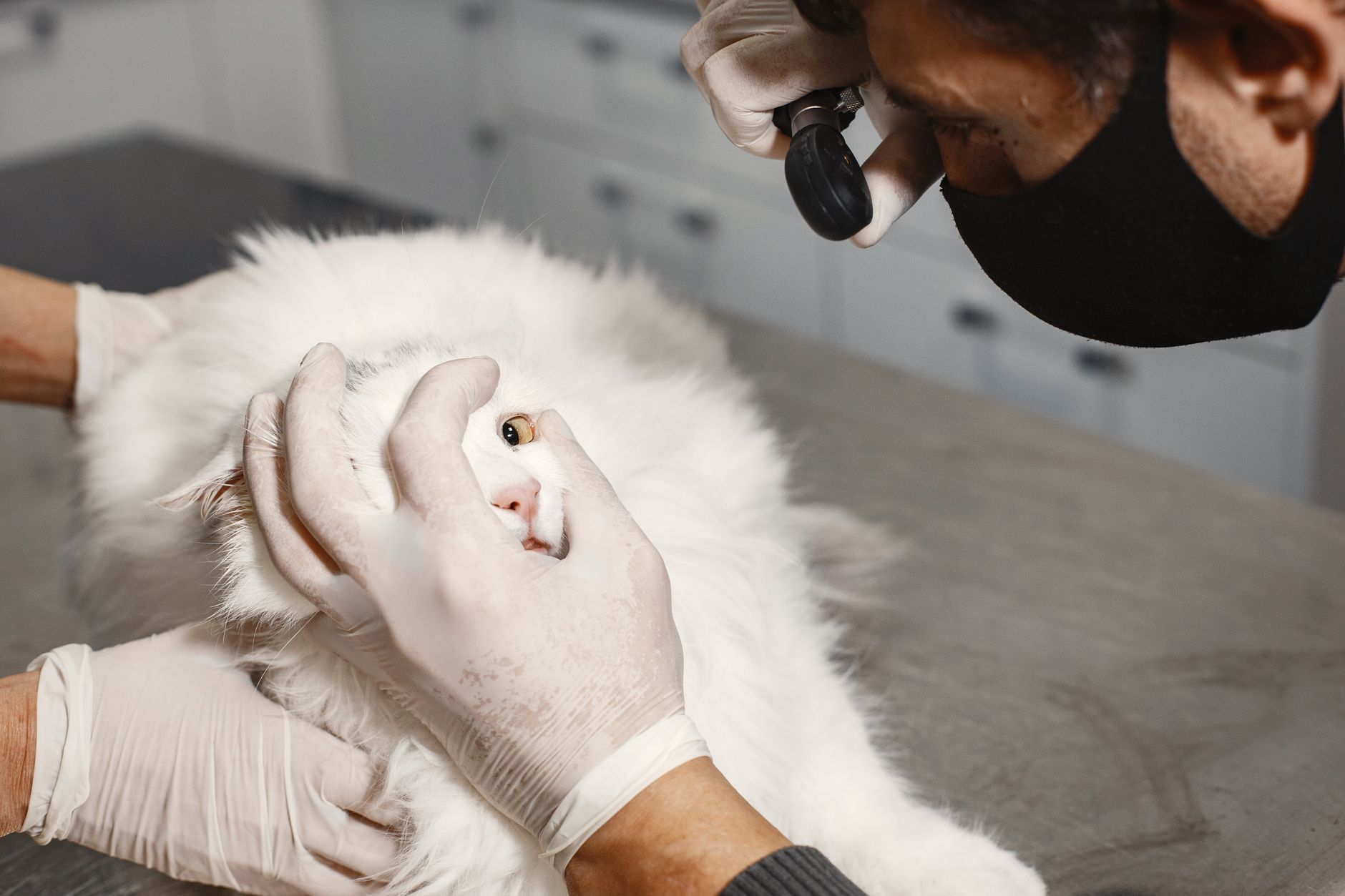
As a natural breed that developed over centuries, the Turkish Van is exceptionally robust, healthy, and free from many of the genetic issues that plague highly engineered breeds. However, responsible breeders still screen for a few conditions to preserve the health of their lines.
Hypertrophic Cardiomyopathy (HCM)
A common feline heart condition characterized by the thickening of the heart muscle, which can lead to heart failure or blood clots.
Obesity
Due to their large frame and slow maturation rate (taking up to 5 years to fully develop), owners often overfeed them, putting strain on their joints.
Dental Disease
Accumulation of plaque and tartar that leads to gingivitis, painful gums, and eventual tooth loss if oral hygiene is neglected.
Patellar Luxation
A physical condition where the kneecap slips out of its normal anatomical groove, occasionally seen in heavy, highly active jumping breeds.
How long do Turkish Vans typically live?
With proper indoor care, routine veterinary checkups, and a high-quality diet, a Turkish Van typically enjoys a lifespan of 12 to 17 years, with many living even longer due to their strong genetic foundation.
What to Feed a Turkish Van
Turkish Vans are large, heavily muscled cats that require a premium, protein-forward diet to support their active lifestyles. Because they take 3 to 5 years to reach full physical maturity, their nutritional needs must be monitored carefully across their different life stages.
Best Diet
I highly recommend a diet rich in high-quality wet food to support hydration and maintain lean muscle mass. Look for formulas listing whole meats (like chicken, turkey, or salmon) as the primary ingredients, avoiding excessive carbohydrate fillers.
How to Feed
Feed measured meals twice daily rather than free-feeding dry kibble, which easily leads to unwanted weight gain. Always provide fresh, clean water—preferably in a heavy ceramic bowl or a recirculating pet fountain, which they will love playing with.
How Much to Feed
An active adult male typically requires 250 to 350 calories per day, while females need 200 to 280 calories. Because individual metabolism and activity levels vary, you should work closely with your veterinarian to establish a precise daily portion based on their body condition score.
Nutritional Tips
Supplementing their diet with omega-3 fatty acids, such as wild salmon oil, helps support their unique, water-resistant single coat and promotes healthy skin. During their long growth phase, ensure they receive age-appropriate kitten and transitional food under veterinary guidance.
Turkish Van Grooming Guide
Despite their plush, semi-longhaired appearance, the Turkish Van is surprisingly low-maintenance when it comes to grooming. This is entirely due to their lack of a dense, woolly undercoat, which makes their silky fur highly resistant to matting and tangles.
Coat Care
Comb their coat once or twice a week using a high-quality steel comb or a slicker brush to remove loose hairs. During the heavy spring shedding season, increase this to daily combing to prevent hairballs and keep your furniture clean.
Skin Care
Because their unique cashmere-like coat is naturally water-repellent, bathing them can be a challenge. Baths are rarely needed, but if necessary, use a cat-specific shampoo and be prepared to spend extra time fully saturating their water-resistant fur.
Eye Care
Wipe the corners of their eyes with a damp, soft cloth to remove any minor discharge, using a separate section of the cloth for each eye to prevent any potential spread of irritation.
Ear Care
Check their ears weekly for signs of wax buildup or redness; if dirty, gently wipe the outer ear canal with a cotton ball moistened with a veterinarian-approved ear cleaner.
Nail & Dental Care
Clip their nails every 2 to 3 weeks, and brush their teeth at least three times a week with veterinary-approved enzyme toothpaste to prevent periodontal disease.
Considerations for Pet Parents
Pros
- Extremely affectionate, loyal, and devoted to family
- Highly intelligent and highly trainable (can learn tricks easily)
- Minimal grooming required compared to other longhaired breeds
- An incredibly entertaining, playful, and energetic companion
- Naturally healthy and robust breed with few genetic defects
- Gets along excellently with cat-friendly dogs and other pets
Cons
- Can be demanding, highly vocal, and attention-seeking
- Fascinated by water, which can lead to messy bathroom spills
- Prone to jumping high and knocking down delicate ornaments
- Sheds heavily during seasonal coat changes
- Not suited for small spaces without significant vertical climbing room
Best For
Active, engaged households that want a dog-like, highly interactive feline companion. They are perfect for owners who can provide plenty of toys, vertical climbing space, and daily playtime.
Not Recommended For
Sedentary owners, those away from home for long stretches, or anyone looking for a quiet, low-energy lap cat who will stay off the kitchen counters.
Cost
- purchase price$1,000 to $2,500
- monthly cost$80 to $150
- initial setupExpect to spend $400 to $800 initially on high-quality, tall cat trees, sturdy heavy-bottomed water bowls or fountains, interactive toys, a large carrier, and initial veterinary vaccinations.
Similar Breeds

Turkish Angora

Siberian
Turkish Van FAQs
Do Turkish Vans actually like to swim?
Yes, many Turkish Vans genuinely enjoy water. This is due to their unique, water-resistant single coat, which dries very quickly, allowing them to paddle in shallow pools, bathtubs, or sinks without getting chilled. However, you should never force a cat into water, and any swimming should always be closely supervised.
Are Turkish Vans hypoallergenic?
No, Turkish Vans are not hypoallergenic. They produce the Fel d 1 protein in their saliva and skin oil like all other cats, and because they shed seasonally, they can trigger reactions in sensitive allergy sufferers.
Why does my Turkish Van follow me everywhere?
Turkish Vans are incredibly companionable, dog-like cats who form deep, intense bonds with their human families. They simply want to be involved in whatever you are doing, whether you are cooking dinner, cleaning, or taking a shower.
Are Turkish Vans born completely white?
No, they are born with their distinctive colored markings already present on their head and tail. While their body should be predominantly chalk-white (at least 80%), the colored patches are present from birth and may deepen in hue as they mature.
What is the difference between a Turkish Van and a Turkish Angora?
While both originate from Turkey, the Turkish Van is a much larger, heavier-boned, and muscular cat with a water-resistant coat and color restricted mainly to the head and tail. The Turkish Angora is smaller, fine-boned, delicate, and comes in many solid colors and patterns.
Do Turkish Vans have blue eyes?
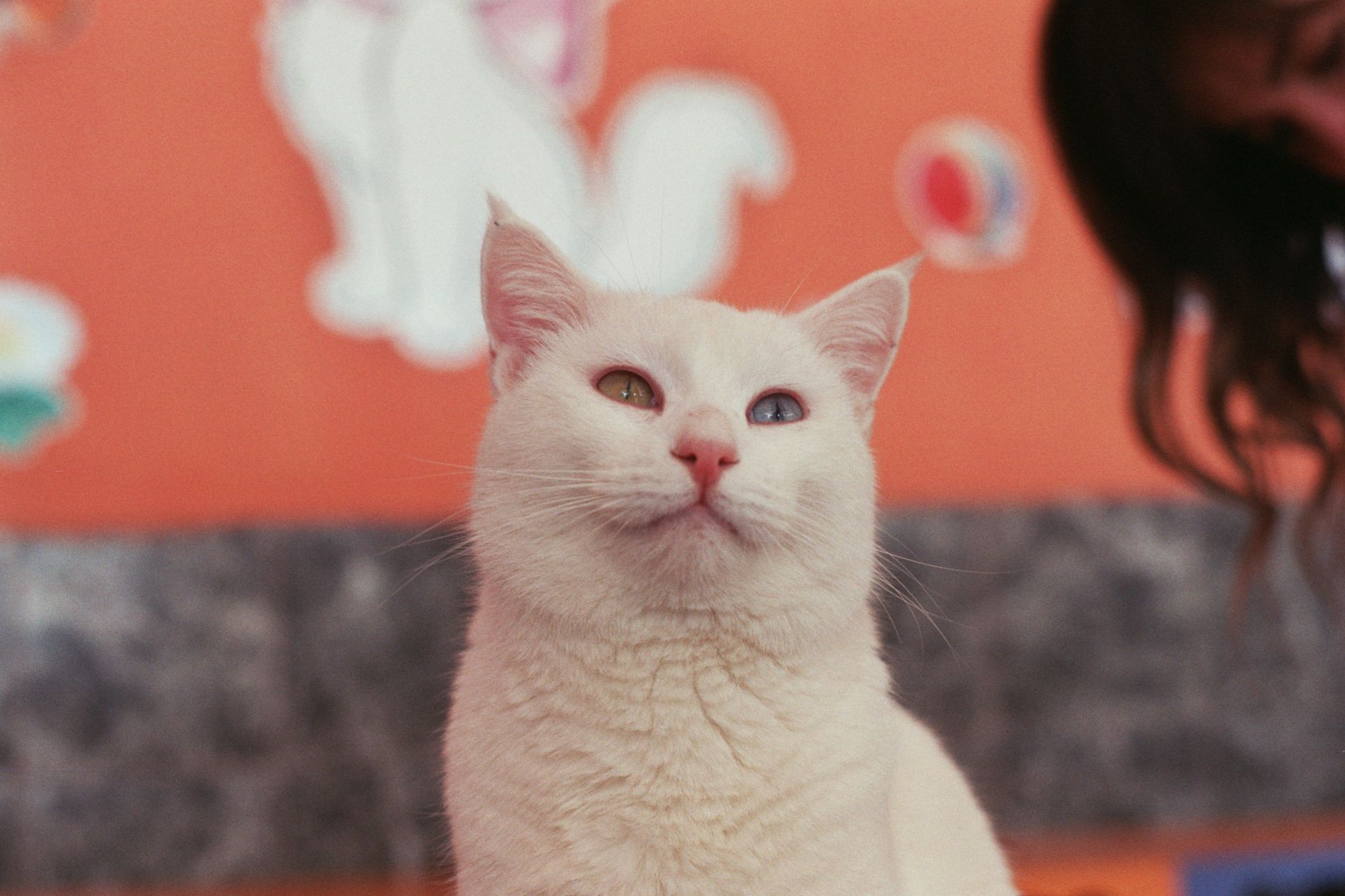
Yes, Turkish Vans can have striking blue eyes, amber eyes, or odd eyes—meaning one eye is blue and the other is amber. Odd-eyed Turkish Vans are highly prized in their native Turkey and among breed enthusiasts.
Are Turkish Vans prone to deafness?
Like many white-coated cats, those with blue eyes can carry the gene for congenital deafness. However, because the Turkish Van is not a solid white cat (possessing colored head and tail markings), the incidence of deafness is much lower than in solid white breeds.
How long does it take for a Turkish Van to reach full size?
They are a very slow-maturing breed, taking anywhere from 3 to 5 years to reach their full skeletal size, muscular weight, and thick adult coat. It is important to feed them a balanced diet throughout this long developmental period.
Why does my Turkish Van knock things off tables?
They are highly intelligent, easily bored, and fascinated by cause-and-effect. Knocking objects off counters is their way of investigating gravity, creating their own amusement, or trying to get you to interact with them.
Can a Turkish Van live happily in an apartment?
Yes, but only if you provide a highly enriched environment. You must install tall cat trees, window perches, and wall-mounted shelves to satisfy their intense need for vertical territory, and commit to daily active playtime.
Do Turkish Vans need a special water bowl?
Because they love to splash, dip their paws, and even drop toys into their water, I always recommend using a heavy, tip-proof ceramic or stainless steel bowl, or a sturdy, heavy-duty pet fountain.
Is the Turkish Van a vocal breed?
They are moderately vocal, often greeting their owners with soft chirps, trills, and conversational meows. While they aren’t as loud or persistent as a Siamese, they will certainly speak up when they want food, playtime, or attention.