
Keeshond Breed Guide

Quick Summary
The Keeshond is an exceptionally affectionate, medium-sized spitz breed renowned for its dramatic ‘spectacles’ eye markings and intense loyalty. In my years treating this breed, I have found them to be the ultimate ‘shadow dogs’ that thrive on human integration, making them ideal for dedicated families who can commit to regular grooming.
Quick Facts
- origin countryNetherlands
- breed groupNon-Sporting Group (AKC)
- sizeMedium
- weight range35 to 45 pounds
- height range17 to 18 inches
- lifespan12 to 15 years
- coat typeDense double coat with a stand-off harsh outer layer and thick, downy undercoat
- common colorsSable mixture of gray, black, and cream with dark ‘spectacles’ around the eyes
- other namesDutch Barge Dog, Smiling Dutchman
- recognized byAKC, UKC, KC (UK), FCI
Caring for a Keeshond
Living with a Keeshond is a highly interactive experience because they truly desire to be involved in every household activity. In my practice, I find they are sensitive companions who match the energy of their home, being perfectly content with a brisk walk followed by hours of lounging nearby. Their luxurious coat requires systematic brushing down to the skin, but their physical exercise demands are remarkably moderate. Keeping them cool in the summer and providing ample mental stimulation are key to their daily well-being.
Is a Keeshond a good family pet?
Yes, they are outstanding family pets. In my clinical experience, they show remarkable patience with children and lack the sharp or snappy tendencies sometimes seen in other spitz-type breeds.
Do Keeshonds shed a lot?
They shed moderately year-round and blow their undercoat twice a year in massive amounts. During these seasonal shedding periods, daily line-brushing is absolutely necessary to control the tumbleweeds of fur.
Is a Keeshond good for first-time owners?
I frequently recommend them to first-time owners who are fully prepared for the coat care. Their eager-to-please nature and high intelligence make them far more forgiving and easier to train than more independent spitz breeds.
Temperament & Personality
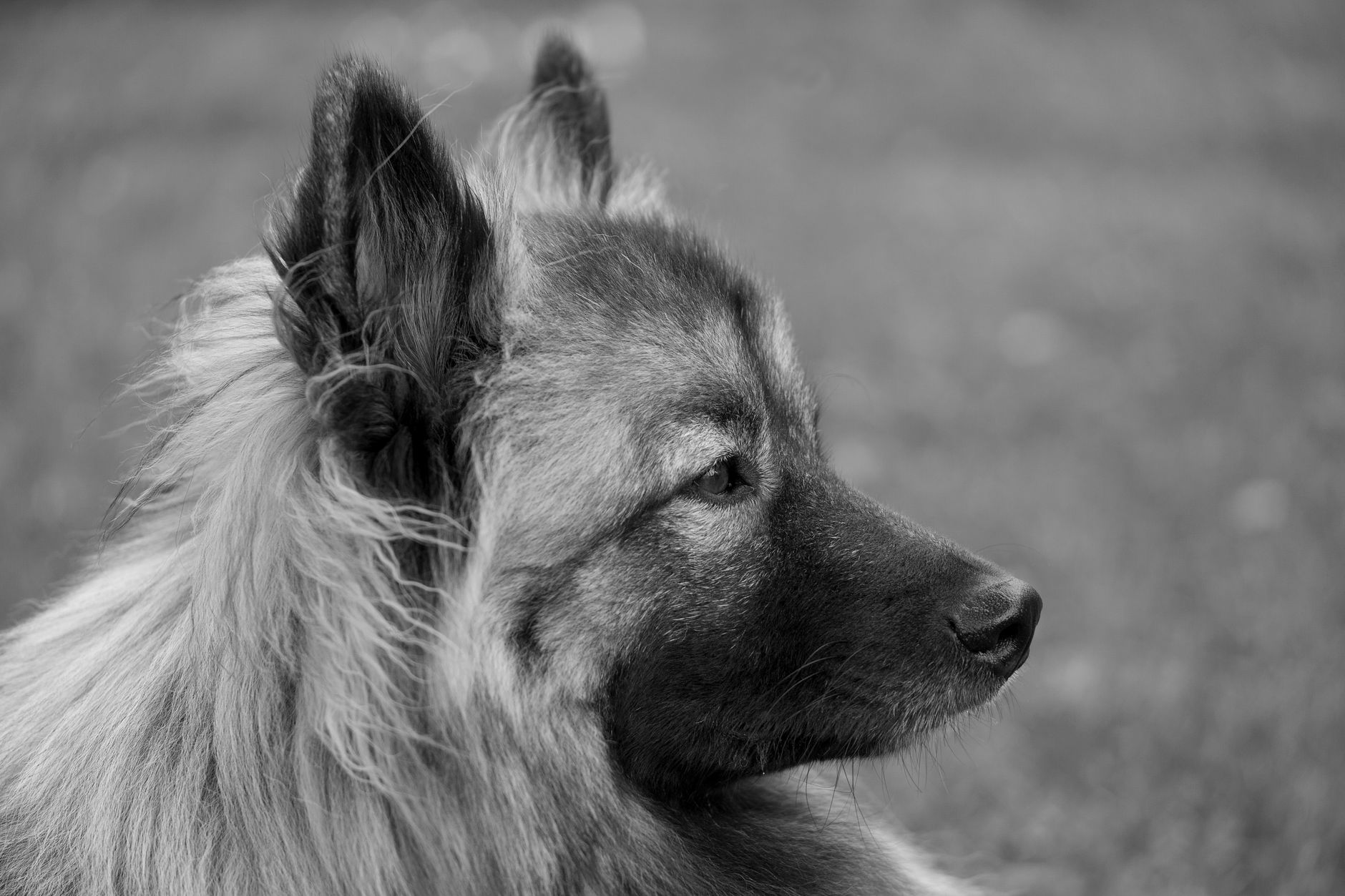
The Keeshond’s hallmark is its cheerful, extroverted, and deeply affectionate personality. Often called the ‘Smiling Dutchman,’ they frequently curl their lips in a friendly grin that showcases their joy rather than aggression. Unlike guard dogs, they are natural watchdogs who will sound an alarm bark but immediately welcome guests with a wagging tail once they enter the home.
Is a Keeshond good with other pets?
In my patient population, Keeshonds generally cohabitate beautifully with other dogs and even cats. They have an exceptionally low prey drive, though proper puppy socialization remains important.
How much attention does a Keeshond need?
They are classic ‘velcro dogs’ who require high-quality social interaction. If left isolated in a backyard or empty house for long periods, they will quickly develop severe separation anxiety and vocal habits.
Training & Behavior
Keeshonds are highly intelligent and quick learners, but their sensitive nature means they respond poorly to heavy-handed or punitive training methods. I always advise owners to use rewards-based training with high-value treats and playful praise. They can be a bit clever, sometimes inventing their own games if they find repetitive obedience drills boring.
Training Tips
- Keep training sessions short, fast-paced, and fun
- Address alert-barking early with a reliable ‘quiet’ command
- Focus on gentle, positive reinforcement methods
- Incorporate puzzle toys to satisfy their active minds
- Prioritize early socialization to diverse sights and sounds
Fun Activities
- Agility trials
- Therapy dog work
- Rally obedience
- Trick training
- Scent work
Is a Keeshond easy to train?
Yes, they are highly trainable and love to learn. However, because they are smart enough to recognize inconsistencies, owners must establish clear, gentle boundaries from day one.
Keeshond Health Issues

Keeshonds are generally a robust and healthy breed, but they are genetically predisposed to several endocrine and orthopedic conditions. In my practice, proactive genetic testing and vigilant weight management are the keys to ensuring they live long, pain-free lives.
Primary Hyperparathyroidism (PHPT)
A hereditary disease where the parathyroid glands overproduce hormone, causing dangerously high blood calcium levels. This can lead to kidney stones, renal failure, and bladder stones. Fortunately, a reliable DNA test exists, and reputable breeders have nearly eliminated it from their lines.
Patellar Luxation
An orthopedic condition where the kneecap slips out of its normal anatomical groove. This can cause varying degrees of discomfort, limping, and progressive arthritis over time, sometimes requiring surgical correction.
Hip Dysplasia
An inherited malformation of the hip joint that prevents it from fitting together smoothly, leading to joint wear, inflammation, and chronic arthritis. Keeping your Keeshond lean is crucial to minimize the stress on these joints.
Hypothyroidism
An endocrine disorder where the thyroid gland is underactive, slowing down the dog’s metabolism. It is highly treatable with daily, lifelong oral hormone supplements.
Alopecia X (Black Skin Disease)
A cosmetic skin disorder characterized by progressive, non-inflammatory hair loss and darkening of the skin, typically starting on the tail and thighs. While not painful, it requires specialized dermatological care to protect the bare skin.
How long do Keeshonds typically live?
With proper preventative veterinary care, a high-quality diet, and regular exercise, Keeshonds typically enjoy a lifespan of 12 to 15 years.
What to Feed a Keeshond
Because of their incredibly thick double coats, it can be very easy for a Keeshond to gain weight unnoticed. In my clinic, I teach owners how to evaluate body condition by feeling through the coat rather than just looking at their pet.
Best Diet
A premium, nutritionally balanced commercial kibble designed for medium-sized breeds is ideal. Look for formulas rich in omega-3 and omega-6 fatty acids to support their dense, heavy coats and skin health.
How to Feed
I recommend dividing their daily allowance into two structured, measured meals. Avoid free-feeding, as Keeshonds are highly food-motivated and will overeat if given the opportunity.
How Much to Feed
Typically, an adult Keeshond requires 1.5 to 2 cups of dry food per day, split into two portions. This can vary dramatically based on age, metabolism, and activity level; always check with your vet for precise calorie targets.
Nutritional Tips
Keep treats to under 10% of their total daily caloric intake. If your Keeshond is prone to dry, itchy skin, adding a high-quality wild-caught fish oil supplement can make a significant clinical difference.
Keeshond Grooming Guide
The magnificent coat of the Keeshond is their crowning glory, but it requires a dedicated, lifelong commitment to maintain. It is a clinical mistake to shave a Keeshond, as their double coat actually insulates them from heat and protects their pale skin from sunburn.
Coat Care
Commit to deep line-brushing at least twice a week using a pin brush and an undercoat rake, ensuring you work all the way down to the skin to prevent painful matting. During their heavy twice-yearly shedding periods, daily brushing is essential.
Skin Care
Because their dense coat traps moisture, they are highly prone to hot spots. Ensure they are dried thoroughly down to the skin with a high-velocity dryer on a cool setting after swimming or a bath.
Eye Care
Wipe away minor crusts or discharge around their characteristic ‘spectacles’ using a damp cloth, and seek veterinary care if you notice persistent tearing, squinting, or redness.
Ear Care
Inspect their upright ears weekly for wax buildup, redness, or a yeasty odor, and clean them with a veterinarian-approved ear cleaner as needed.
Nail & Dental Care
Trim their nails every 3 to 4 weeks to prevent splayed paws and orthopedic strain. Brush their teeth daily with enzymatic dog-safe toothpaste to stave off periodontal disease.
Considerations for Pet Parents
Pros
- Highly affectionate, loyal, and friendly disposition
- Exceptional family companions that bond closely with children
- Eager to please and highly responsive to positive training
- Low prey drive, making them excellent with other pets
- Alert watchdogs that will quickly notify you of visitors
Cons
- Extremely high grooming demands and heavy seasonal shedding
- Prone to separation anxiety if left alone for long periods
- Can develop persistent barking habits if not trained early
- Sensitive to high temperatures and prone to heat stress
Best For
Active families, work-from-home professionals, or retirees who want a highly integrated companion dog and view regular grooming sessions as an enjoyable bonding activity.
Not Recommended For
Individuals who spend long hours away from home, households without air conditioning in hot climates, or owners who cannot commit to rigorous weekly coat maintenance.
Cost
- purchase price$1,500 to $3,000 from a reputable, health-testing breeder
- monthly cost$150 to $250 for premium food, routine preventative veterinary care, and grooming supplies
- initial setupPlan to spend $800 to $1,200 on initial setup gear, including a high-velocity dog dryer, high-quality line-brushes, crates, and initial puppy vaccinations.
Similar Breeds
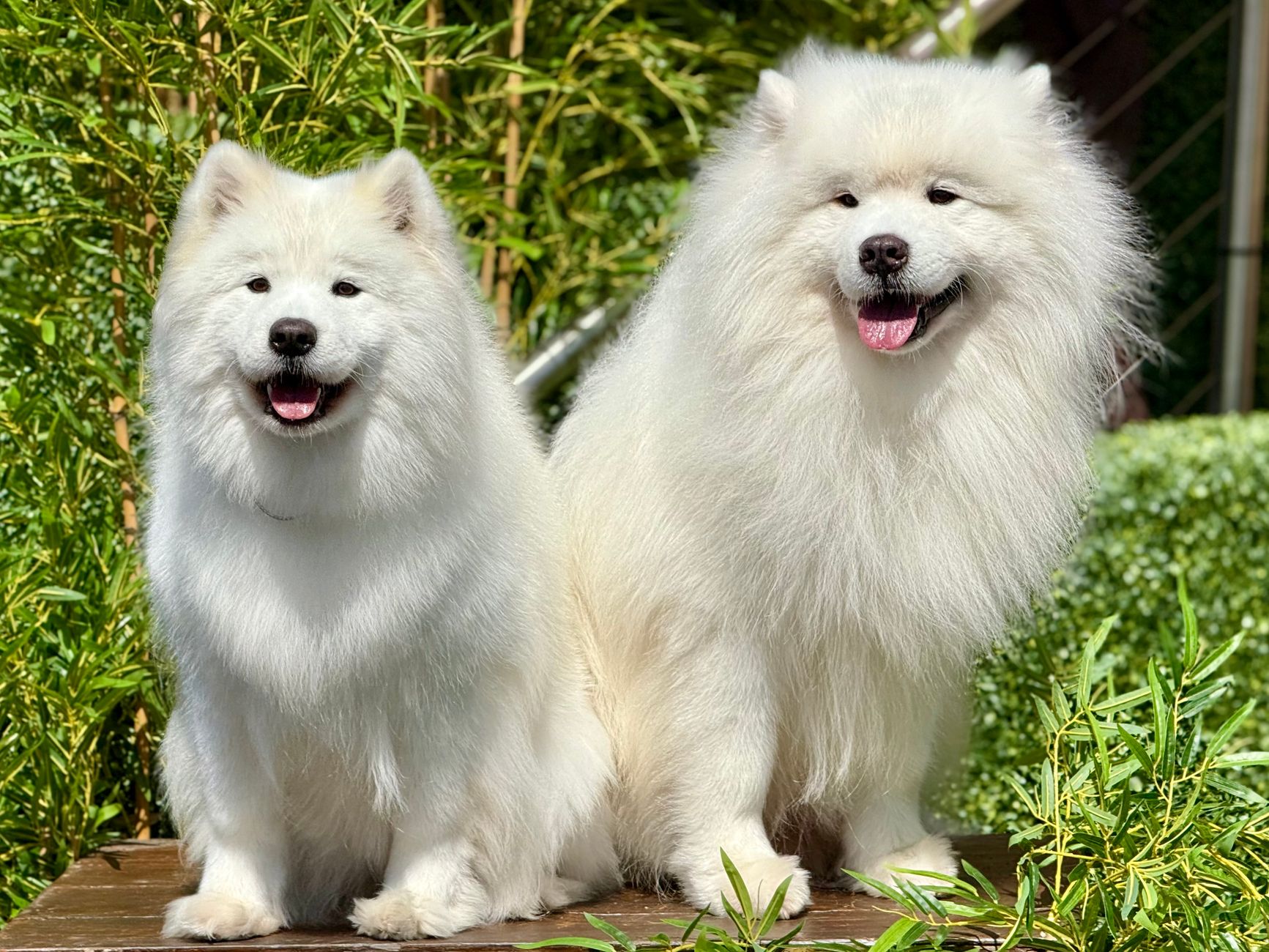
Samoyed

Eurasier
Keeshond FAQs
Do Keeshonds have a strong ‘doggy’ odor?
Surprisingly, no. Despite their thick coats, Keeshonds are incredibly clean dogs and rarely develop the strong ‘doggy’ odor typical of many other breeds, provided they are kept clean and dry.
Can Keeshonds live in warm climates?
Yes, but they require strict safety precautions. I always advise my clients in warmer climates to keep their homes well-air-conditioned, walk their dogs during the coolest parts of the day, and never shave their protective insulating double coat.
Why do they call them the ‘Smiling Dutchman’?
This nickname comes from their unique habit of retracting their lips in a cheerful, submissive grin when they are happy, excited, or greeting their owners. It is a warm gesture of affection, not a growl.
How much exercise does a Keeshond need?
They need a moderate amount of daily activity—typically about 45 to 60 minutes of exercise. This can be met with two brisk daily walks, a game of fetch in the yard, and some interactive puzzle play.
Are Keeshonds prone to barking?
Yes, because they were originally bred as alarm watchdogs on Dutch canal boats, alerting their family to noises is instinctive. Early, consistent training with a ‘quiet’ command is highly recommended to manage this behavior.
Should I shave my Keeshond in the summer to keep them cool?
No, you should never shave them. Their double coat acts as natural insulation against both cold and heat, and shaving can ruin the coat texture permanently while exposing their pale skin to painful sunburns and insect bites.
Are Keeshonds hypoallergenic?
No, they are not. They shed moderately year-round and produce dander, meaning they are not suitable for individuals with moderate to severe dog allergies.
Are Keeshonds good with cats?
In my experience, yes. Keeshonds have a low prey drive compared to other Nordic breeds and generally accept cats as part of their family pack, especially when introduced at a young age.
Can a Keeshond live in an apartment?
Yes, they can adapt perfectly to apartment living as long as they receive adequate daily exercise and mental stimulation, and their instinctive alert-barking is kept under control.
What are the ‘spectacles’ on a Keeshond?
The ‘spectacles’ refer to the distinct dark lines running from the outer corner of each eye toward the ear, paired with light markings and shaded eyebrows, which give them the appearance of wearing glasses.
At what age is a Keeshond fully grown?
Keeshonds typically reach their full skeletal height by 12 months of age, but they will continue to broaden, gain muscle, and develop their full, mature adult double coat until they are about 2 years old.
Do Keeshonds like to swim?
Some enjoy water, but you must be extremely cautious. Their dense coat absorbs massive amounts of water, making them incredibly heavy and prone to rapid exhaustion. I always recommend a dog life jacket for safety.