
Poodle Breed Guide

Quick Summary
The Poodle is a brilliant, versatile companion that blends high-level athleticism with low-shedding practicality across three distinct sizes. Perfect for active owners who can match their sharp intellect and commit to intensive grooming, they excel in everything from obedience to agility. I’ve found that they are happiest when treated as active family members rather than delicate ornaments.
Quick Facts
- origin countryGermany (refined in France)
- breed groupNon-Sporting (Standard & Miniature), Toy Group (Toy)
- sizeToy, Miniature, and Standard
- weight rangeToy: 4-6 lbs; Miniature: 10-15 lbs; Standard: 40-70 lbs
- height rangeToy: under 10 in; Miniature: 10-15 in; Standard: over 15 in (typically 20-24 in)
- lifespan10-18 years (Toys and Miniatures generally live longer than Standards)
- coat typeDense, curly, single-layered coat
- common colorsBlack, White, Apricot, Silver, Cream, Gray, Blue, Red, Brown, Cafe au Lait, and Parti-color
- other namesPudelhund, Caniche
- recognized byAKC, UKC, KC, FCI, ANKC
Caring for a Poodle
Living with a Poodle means welcoming an incredibly observant, active partner into your home. Whether you choose a compact Toy or a statuesque Standard, they require daily mental exercise alongside physical activity to prevent boredom-induced behaviors. In my experience, managing their coat is a primary time commitment, requiring professional attention or serious owner dedication every four to six weeks. They thrive on human companionship and will not do well if left isolated in a backyard.
Is a Poodle a good family pet?
Yes, Poodles make phenomenal family pets because of their highly social nature and adaptable energy levels. Standard Poodles are robust and patient with children, while Toys and Miniatures do best with older children who understand how to handle small dogs gently. In my years working with them, they consistently bond deeply with every member of the household.
Do Poodles shed a lot?
Poodles do not shed in the traditional sense; they have a single-layer coat where loose hairs get caught in the surrounding curls instead of falling onto your furniture. This makes them excellent for allergy sufferers, but it also means those trapped hairs must be brushed out daily to prevent severe matting. If you don’t brush them, those unshed hairs turn into painful pelts very quickly.
Is a Poodle good for first-time owners?
They can be excellent for first-time owners who are committed to structured training and high-maintenance grooming. Their extreme intelligence makes them easy to train, but they can easily outsmart an owner who isn’t consistent. I always warn novices that a bored Poodle will invent its own entertainment, which often involves destructive chewing or nuisance barking.
Temperament & Personality
Poodles are exceptionally alert, sensitive, and emotionally intuitive dogs who mirror the energy of their households. Far from the aloof snobs of popular media, they are goofy, playful clowns that love to entertain their human companions. Standard Poodles tend to be a bit more sensible and grounded, whereas Toys and Miniatures can carry a more intense, lively spark. Across all sizes, they possess an innate pride and drive to work that makes them highly responsive to their owners.
Is a Poodle good with other pets?
Generally, yes; Poodles are highly social and adapt well to living with other dogs and cats. Standards retain some historical hunting drive, so they may chase outdoor wildlife, but they are peaceful domestic partners. Early socialization is key to ensuring Toys and Miniatures do not become defensive or fearful around larger dogs.
How much attention does a Poodle need?
They need a high level of daily interaction and are often described as ‘velcro’ dogs. I have found that Poodles do not tolerate being treated as yard ornaments; they want to be in the same room as you, watching you cook, work, and relax. Without consistent human contact, they can quickly develop severe separation anxiety.
Training & Behavior
Poodles consistently rank as one of the most trainable breeds in the world due to their rapid cognitive processing. They learn new cues in just a few repetitions, but this also means they pick up bad habits just as quickly. Positive reinforcement techniques work best, as they are sensitive souls who shut down under harsh correction. I always emphasize that mental stimulation is just as exhausting for them as a long walk, so puzzle toys and training games are essential.
Training Tips
- Use positive, reward-based training to protect their sensitive nature.
- Keep training sessions short, dynamic, and varied to prevent boredom.
- Incorporate puzzle toys to channel their problem-solving skills constructively.
- Focus early on ‘quiet’ commands to manage alert-barking habits.
Fun Activities
- Agility trials
- Dock diving (especially Standards)
- AKC Scent Work
- Advanced Trick Dog titles
- Canine Freestyle (dog dancing)
Is a Poodle easy to train?
Absolutely, they are remarkably easy to train and excel at understanding complex commands and routines. However, because they are so smart, they will test boundaries and exploit inconsistencies in your house rules. You must remain a gentle, consistent leader, or they will learn how to train you instead.
Poodle Health Issues
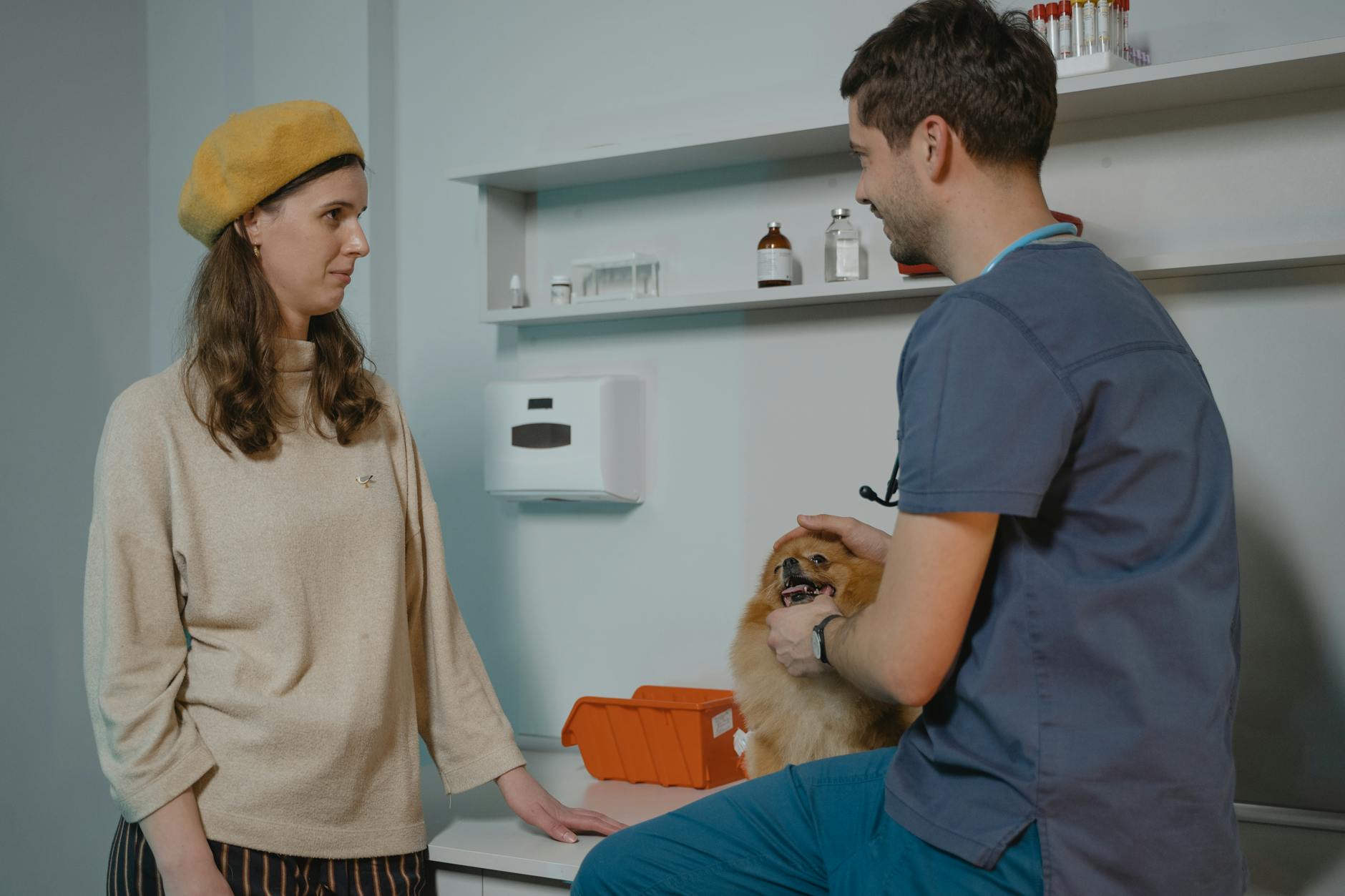
While Poodles are generally robust and long-lived, the breed is genetically predisposed to several inherited conditions that vary by size. Working with a breeder who performs comprehensive health clearances—such as OFA hip evaluations, annual CAER eye exams, and DNA panels—is absolutely vital to mitigating these risks.
Gastric Dilatation-Volvulus (Bloat)
A life-threatening condition primarily affecting Standard Poodles, where the stomach fills with gas and twists on its axis, cutting off blood supply.
Sebaceous Adenitis (SA)
An inflammatory hereditary skin disease common in Standard Poodles that attacks and destroys the skin’s oil glands, leading to hair loss and infections.
Addison’s Disease (Hypoadrenocorticism)
An endocrine disorder characterized by the underproduction of essential hormones (cortisol and aldosterone) by the adrenal glands.
Progressive Retinal Atrophy (PRA)
A family of degenerative eye diseases that causes the gradual deterioration of the retina, eventually leading to complete blindness.
Patellar Luxation
A condition common in Toy and Miniature Poodles where the kneecap slips out of its anatomical groove during movement.
How long do Poodles typically live?
Standard Poodles generally live between 11 to 15 years. Miniature and Toy Poodles enjoy longer lifespans, often reaching 14 to 18 years when provided with excellent veterinary care, a high-quality diet, and regular dental cleanings.
What to Feed a Poodle
Poodles require a high-quality, nutrient-dense diet tailored specifically to their life stage, activity level, and size. Because Standards are prone to bloat and Toy varieties are prone to hypoglycemia as puppies, feeding practices must be precise and carefully managed.
Best Diet
An optimal diet consists of high-quality commercial dry kibble formulated for their specific size category (toy vs. large breed). Standards benefit from large-breed formulas with added glucosamine for joint health, while Toys need small, calorie-dense kibble to fuel their fast metabolisms.
How to Feed
I highly recommend feeding Standards two to three smaller meals a day in elevated bowls to reduce the risk of bloat, avoiding vigorous exercise for one hour before and after eating. Toys and Miniatures should be fed on a strict routine of two to three meals daily to maintain stable blood sugar levels.
How Much to Feed
Standard Poodles generally require 1.5 to 3 cups of food daily, whereas Toys may only need 1/4 to 1/2 cup. Because individual metabolic rates vary wildly, you should consult your veterinarian to establish exact portions based on your dog’s body condition score.
Nutritional Tips
Incorporating omega-3 fatty acids (like wild salmon oil) into their diet can significantly improve coat shine and skin health, which is especially beneficial for SA-prone Standards. Avoid table scraps, as Poodles have notoriously sensitive pancreases and can easily develop pancreatitis from fatty foods.
Poodle Grooming Guide
Poodle grooming is a serious, lifelong commitment that requires professional skill or a major investment in specialized tools. Neglecting their coat is not just an aesthetic issue; it can lead to severe matting, skin infections, and physical pain for the dog.
Coat Care
Brushing must be done daily down to the skin using a high-quality slicker brush and metal greyhound comb to prevent mats. Unless you clip them short into a ‘utility cut’ every 4-6 weeks, their curls will require professional scissoring to remain manageable.
Skin Care
Regular bathing with a gentle, soap-free oatmeal shampoo is necessary to remove built-up dander and oils caught in their curls. Always ensure the coat is thoroughly blow-dried and brushed out, as letting a curly coat air-dry encourages tight matting.
Eye Care
Tear staining is common in Toy and Miniature Poodles; wipe the under-eye area daily with a damp cloth or specialized veterinary eye wipes to prevent staining and yeast buildup.
Ear Care
Poodles grow hair deep inside their ear canals, which traps moisture and wax. You must check their ears weekly, clean them with a vet-approved drying solution, and have your groomer pluck or trim the ear hair to prevent painful otitis externa.
Nail & Dental Care
Trim nails every 3-4 weeks to prevent splaying of the feet, and brush their teeth at least three times a week, as the smaller Toy and Miniature varieties are incredibly prone to early-onset periodontal disease.
Considerations for Pet Parents
Pros
- Extremely intelligent and exceptionally easy to train.
- Minimal shedding makes them great for clean homes and allergy sufferers.
- Available in three distinct sizes to fit any living space.
- Highly adaptable, playful, and affectionate family companions.
- Lacks the typical ‘doggy odor’ found in double-coated breeds.
- Excellent natural watchdogs without being overly aggressive.
Cons
- Extremely high-maintenance and expensive grooming requirements.
- Prone to separation anxiety if left alone for long periods.
- Can easily outsmart passive owners and develop manipulative behaviors.
- Sensory sensitive; can become anxious in chaotic, loud environments.
Best For
Active families, individuals who work from home, or allergy-prone owners who can dedicate time to daily mental enrichment and possess the financial means to support lifetime professional grooming.
Not Recommended For
People who are away from home for 8+ hours a day, those looking for a low-maintenance ‘backyard’ dog, or households with chaotic, highly stressful environments that can overwhelm this sensitive breed.
Cost
- purchase price$1,500 – $3,500 (highly dependent on pedigree, size, and genetic health testing of parents)
- monthly cost$150 – $250 (heavily driven by mandatory professional grooming fees of $80-$150 per session)
- initial setupExpect to spend $1,000 to $1,500 initially on high-quality grooming tools (if DIY), crates, premium food, puppy vaccinations, and professional training classes.
Similar Breeds

Portuguese Water Dog

Standard Schnauzer
Poodle FAQs
What is the difference between Toy, Miniature, and Standard Poodles?
The primary difference is size, categorized by height at the shoulder. Standards are over 15 inches tall and are robust athletes; Miniatures stand between 10 and 15 inches and make excellent agile family pets; Toys are under 10 inches, designed primarily as compact companions. While their temperaments are broadly similar, Toys and Miniatures can sometimes be more active and alert, while Standards tend to be calmer and more grounded.
Why do Poodles have that specific ‘show’ haircut?
The classic Poodle clips (like the Continental) originated from their history as water retrievers. Hunters shaved the legs, neck, and rear to help the dogs swim efficiently, but left long patches of hair over the chest and joints to protect vital organs and joints from the freezing water. Today, this functional design has been stylized into the elaborate patterns seen in modern show rings.
Are Poodles hyperactive?
They are highly energetic but should not be hyperactive if their physical and mental needs are met. Standards require about an hour of vigorous exercise daily, while Toys and Miniatures can easily burn off energy with indoor play and shorter walks. If a Poodle appears hyperactive, in my experience, it is almost always a sign of mental boredom rather than a lack of physical running.
Do Poodles bark a lot?
They can be prone to alert-barking because they are highly observant of their environments. They will vocalize to let you know someone is at the door or if they spot something unusual in the yard. With early training and boundary setting, you can easily teach them a ‘quiet’ command to prevent this alert behavior from turning into nuisance barking.
Are Poodles hypoallergenic?
While no dog is 100% hypoallergenic, Poodles are about as close as you can get. Because they have hair instead of fur and do not shed dander into the environment the way double-coated dogs do, they are highly tolerated by most allergy sufferers. However, salivary and urine allergies can still occur, so sensitive individuals should spend time around the breed before committing.
Can Poodles be left alone for long periods?
No, Poodles generally do not tolerate being left alone for eight or more hours a day. They are deeply people-oriented and are prone to developing separation anxiety, which can manifest as destructive chewing, pacing, and howling. If you have a busy work schedule outside the home, you will need to arrange for a dog walker or doggy daycare.
Do Poodles like water?
Yes, absolutely; Poodles were originally bred as cold-water duck retrievers, and most retain an instinctual love for swimming. Their dense, curly coats provide excellent buoyancy and insulation in water. However, you should always introduce puppies to water gradually and use a dog life jacket for safety on deeper water bodies.
Why is my Poodle’s coat color changing?
Many Poodles carry a dominant ‘dilution’ or ‘clearing’ gene that causes their coat color to change as they mature. For example, a puppy born black may ‘clear’ to a beautiful silver or blue by age two, and apricot puppies often fade to a soft cream. This is a normal genetic process and not a sign of poor health.
Are male or female Poodles better?
This is a matter of personal preference, but many experienced owners note that intact males can be slightly more affectionate and eager to please, whereas females can be highly independent and business-like. Once neutered or spayed, these subtle differences largely disappear, leaving you with a highly trainable, devoted companion regardless of sex.
What is a ‘Moyen’ or ‘Klein’ Poodle?
Moyen (French for ‘medium’) and Klein (German for ‘small’) are terms used to describe a fourth size category recognized in Europe, which falls directly between the Miniature and Standard sizes (usually 15 to 20 inches tall). While they are not officially recognized as a separate variety by the AKC, they are becoming increasingly popular in the United States as ‘medium’ Poodles.
How often should I groom my Poodle?
You should expect to take your Poodle to a professional groomer every four to six weeks. If you keep their coat clipped very short, you might stretch this to eight weeks, but daily home brushing remains mandatory to prevent painful matting between grooming visits.
Do Poodles smell?
Poodles do not carry the typical oily, double-coated ‘doggy’ odor. If your Poodle has a strong smell, it is typically a sign of an underlying medical issue, such as an ear infection, dental disease, or skin yeast infection hidden beneath their dense curls. Regular hygiene checks are critical for this reason.
Are Poodles prone to ear infections?
Yes, their floppy ears and the hair that grows inside their ear canals create a warm, dark, moist environment that is a perfect breeding ground for yeast and bacteria. To prevent chronic ear infections, you must dry their ears thoroughly after swimming or bathing and clean them weekly with a vet-recommended drying astringent.