
Brazilian Shorthair Breed Guide

Quick Summary
The Brazilian Shorthair is an exceptionally athletic, highly social, and naturally robust cat that thrives on interactive play and deep human companionship. Developed from Brazil’s resilient street cats, this breed is best suited for active households where they can receive ample mental stimulation and vertical space to climb.
Quick Facts
- origin countryBrazil
- breed groupShorthair
- sizeMedium to Large
- weight range10 to 22 lbs (4.5 to 10 kg)
- height range12 to 15 inches (30 to 38 cm)
- lifespan14 to 20 years
- coat typeSingle, very short, sleek, close-lying
- common colorsAll colors and patterns, including solid black, white, red, blue, and various tabby or tortoiseshell patterns
- other namesPelo Curto Brasileiro
- recognized byWCF (World Cat Federation)
Caring for a Brazilian Shorthair
Living with a Brazilian Shorthair feels like sharing your home with a sleek, miniature panther of boundless energy. Because they evolved from street cats, their prey drive is incredibly high, requiring dedicated play sessions of at least 30 to 45 minutes daily. They do not have an undercoat, which makes grooming a breeze but means they prefer warmer environments and hate drafts. I always tell owners to invest in high-quality vertical trees, as these cats are natural climbers who love to survey their domain from the highest point in the room.
Is a Brazilian Shorthair a good family pet?
Yes, they thrive in bustling environments and adore being the center of attention. Their playful nature makes them excellent companions for respectful children who will engage in interactive toy games. However, because they are highly active, toddlers should be supervised during high-energy play sessions.
Do Brazilian Shorthairs shed a lot?
No, they shed very minimally compared to other shorthaired breeds because they lack a dense undercoat. Weekly brushing with a rubber curry brush is usually more than enough to capture loose hairs and keep their coat looking glossy. You will rarely find their sleek coats leaving a heavy trail on your furniture.
Is a Brazilian Shorthair good for first-time owners?
They can be a wonderful fit if you are prepared for an active, highly engaging pet. If you are looking for a passive lap cat that sleeps 20 hours a day, their high intelligence and demand for play might overwhelm you. However, their easy grooming and robust health make them physically straightforward to care for.
Temperament & Personality
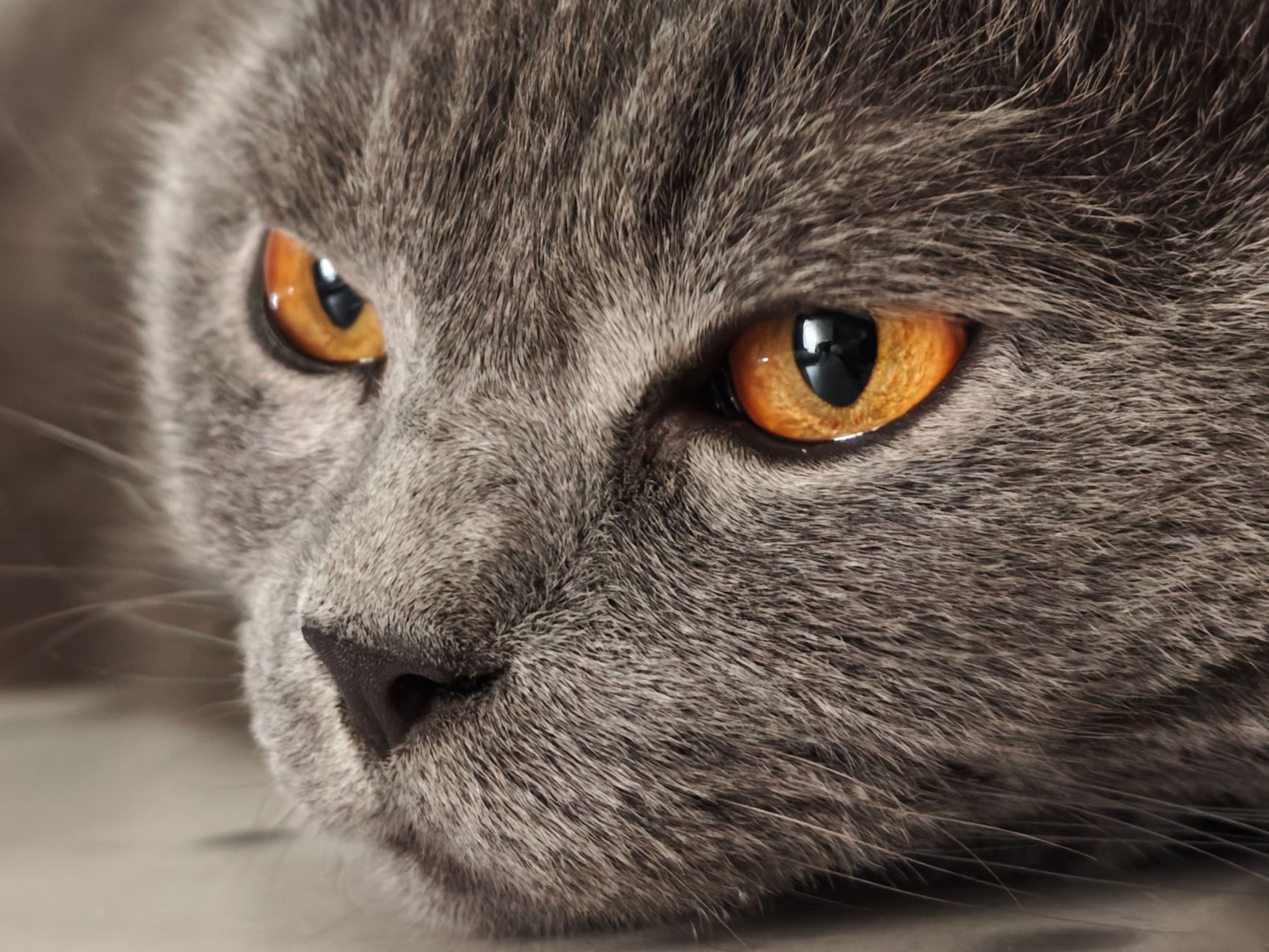
The Brazilian Shorthair is renowned for its vibrant, outgoing, and affectionate personality. They are incredibly people-oriented, often following their favorite humans from room to room with an endearing, chirpy vocalization. This is not a distant or aloof breed; they crave connection and will actively seek out your lap when they finally settle down. In my practice, I find them to be exceptionally confident and adaptable, rarely showing the fear-based behaviors common in more sensitive breeds.
Is a Brazilian Shorthair good with other pets?
Yes, they are highly social and generally do very well with other cats and cat-friendly dogs when properly introduced. Their confident demeanor means they rarely feel threatened, though their high prey drive means they should not be kept unsupervised around small pocket pets or birds.
How much attention does a Brazilian Shorthair need?
They require a significant amount of daily interaction and do not tolerate isolation well. Left alone for long stretches without stimulation, they can develop behavioral issues like destructive scratching or excessive vocalization. I advise busy professionals to provide puzzle toys or consider getting a second feline companion to keep them occupied.
Training & Behavior
These cats possess a sharp, inquisitive mind that makes them highly receptive to clicker training and positive reinforcement. Because they are so food-motivated and eager to engage, I have seen owners successfully train them to fetch, sit, and even walk on a harness. Without mental stimulation, they will train themselves to open cabinets and doors, so proactive behavioral enrichment is a must.
Training Tips
- Use high-value, meat-based treats to reward desired behaviors instantly.
- Keep training sessions short and dynamic, lasting no more than 5 minutes.
- Introduce a clicker early to bridge the gap between action and reward.
- Provide puzzle feeders to channel their problem-solving intelligence.
- Establish firm boundaries early to prevent counter-surfing habits.
Fun Activities
- Interactive feather wand chase sessions
- Feline agility courses built using household furniture
- Harness training for safe outdoor explorations
- Clicker training for basic tricks like sit and high-five
- Solving complex treat-dispensing puzzle toys
Is a Brazilian Shorthair easy to train?
Yes, they are exceptionally fast learners due to their high intelligence and active curiosity. Unlike more independent breeds, they actively enjoy the mental challenge of working for a reward. Consistent, positive reinforcement yields fantastic results within just a few weeks.
Brazilian Shorthair Health Issues
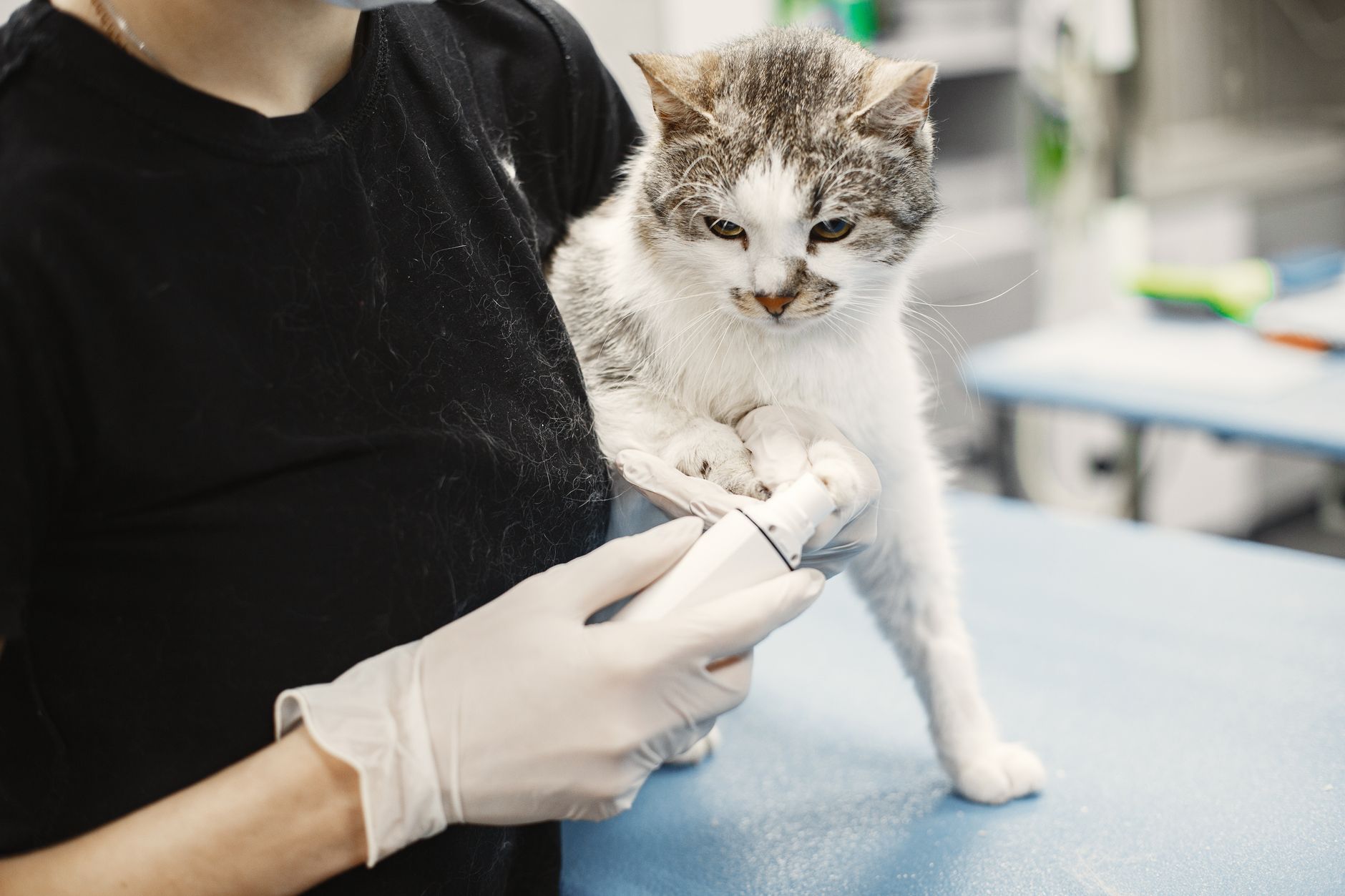
Developed from a diverse pool of resilient street cats, the Brazilian Shorthair is one of the most structurally sound and genetically robust breeds I treat. However, like all cats, they are not completely immune to common feline ailments, and maintaining a proactive preventative care schedule with your veterinarian is vital to their longevity.
Hypertrophic Cardiomyopathy (HCM)
The most common form of heart disease in all cats, HCM causes the muscular walls of the heart to thicken, reducing its efficiency. While not highly prevalent in this breed, we still screen for it as it can lead to congestive heart failure or arterial blood clots.
Feline Lower Urinary Tract Disease (FLUTD)
A group of clinical conditions affecting the bladder and urethra, often exacerbated by stress, lack of hydration, or a sedentary lifestyle. In active male cats, this can lead to life-threatening urethral obstructions.
Obesity
Because they are naturally highly active, if their lifestyle becomes too sedentary or they are free-fed high-carbohydrate kibble, they can quickly gain excess weight. This puts undue pressure on their joints and increases the risk of feline diabetes.
Periodontal Disease
Bacterial buildup on the teeth leads to plaque, tartar, and eventually painful gingivitis and tooth loss. In my clinical experience, early dental hygiene is critical to prevent systemic bacterial spread to the kidneys and heart.
How long do Brazilian Shorthairs typically live?
With excellent veterinary care, high-quality nutrition, and an active indoor lifestyle, they regularly live between 14 and 20 years. Their strong genetic foundation from natural selection contributes greatly to their impressive, healthy lifespan.
What to Feed a Brazilian Shorthair
To fuel their high-energy, athletic bodies, Brazilian Shorthairs require a diet that mimics their ancestral nutritional needs. I strongly advocate for moisture-rich, species-appropriate meals rather than relying solely on dry kibble.
Best Diet
A high-protein, moderate-fat, low-carbohydrate wet diet is ideal for this breed. Look for foods listing whole meats (such as chicken, turkey, or salmon) as the primary ingredients, avoiding heavy fillers like corn, wheat, or soy.
How to Feed
I highly recommend split feedings—twice daily or using automated wet-food feeders to schedule three to four smaller, portion-controlled meals. Avoid free-feeding dry kibble, as this breed’s keen appetite can easily lead to overeating.
How Much to Feed
Portion sizes should be tailored to their specific weight, age, and activity levels, typically aiming for 25 to 30 calories per pound of body weight daily. Always consult your veterinarian to calculate an exact caloric target for your cat’s body condition score.
Nutritional Tips
Adding a source of Omega-3 fatty acids, such as high-quality fish oil, keeps their sleek single coat exceptionally shiny and supports joint health. Ensure fresh, filtered water is always available, ideally using a pet fountain to encourage drinking.
Brazilian Shorthair Grooming Guide
The Brazilian Shorthair boasts one of the most low-maintenance coats in the feline world. Lacking a dense undercoat, they do not suffer from painful matting or heavy tangling, making their grooming routine quick and stress-free.
Coat Care
Brush their coat once a week with a soft-bristled brush or a rubber grooming mitt to remove loose surface hair and distribute skin oils. This simple routine keeps their coat incredibly sleek and glossy while minimizing hairballs.
Skin Care
Because they lack a protective undercoat, their skin is more sensitive to extreme cold and sunburn. Keep them indoors, and ensure your home is kept at a comfortable, warm temperature.
Eye Care
Their eyes are generally clean, but occasionally wiping the corners with a damp, warm cotton ball can remove minor morning sleep crust.
Ear Care
Inspect their ears bi-weekly for any wax buildup, redness, or a yeast-like odor, cleaning gently with a vet-approved ear flush if necessary.
Nail & Dental Care
Trim their nails every two to three weeks to protect your furniture and hands, and brush their teeth at least three times a week with pet-safe enzymatic toothpaste.
Considerations for Pet Parents
Pros
- Highly affectionate and deeply bonded to their human family
- Extremely low-maintenance coat with minimal shedding
- Robust natural health with a long average lifespan
- Highly intelligent and very receptive to trick training
- Confident, outgoing demeanor that adapts well to busy homes
- Excellent companions for children and other pets
Cons
- High energy levels require daily dedicated play sessions
- Can become destructive or vocal if left alone for too long
- Strong prey drive makes them unsuitable around pocket pets
- Prone to weight gain if transitioned to a sedentary lifestyle
- Rare outside of South America, making them hard to find
Best For
This breed is perfect for active households, families with older children, or multi-pet homes where the cat will receive plenty of mental stimulation and physical play. They excel with owners who want an interactive, dog-like companion rather than an independent ornament.
Not Recommended For
They are not recommended for busy professionals who travel constantly or are away from home 12+ hours a day without other pets. They will also frustrate owners looking for a low-energy, quiet, or highly independent lap cat.
Cost
- purchase price$1,000 – $2,000
- monthly cost$80 – $150
- initial setupExpect to spend $500 to $800 initially on high-quality climbing trees, interactive toys, a scratching post, a litter box, and initial veterinary vaccinations and microchipping.
Similar Breeds

Brazilian Shorthair FAQs
What is the history of the Brazilian Shorthair?
The breed began as common street cats in Brazil. In the 1980s, breeder Paulo Samuel Ruschi recognized their unique, elegant physical traits and distinct personality, leading to the creation of the official breed standards recognized by the WCF.
Are Brazilian Shorthairs hypoallergenic?
No, they are not hypoallergenic. While they have a single coat and shed very little, they still produce the Fel d 1 protein in their saliva, dander, and urine, which is the primary trigger for cat allergies.
How big do Brazilian Shorthairs get?
They are a medium to large, muscular breed. Adult males typically weigh between 14 and 22 pounds, while females are slightly smaller, usually weighing between 10 and 15 pounds.
Are they very vocal cats?
They are moderately vocal, often using soft, melodious chirps and trills to communicate with their owners rather than loud, persistent meows. They will certainly let you know when it is dinner time or when they want to play.
Can they live in an apartment?
Yes, they can adapt perfectly to apartment living as long as you provide plenty of vertical space, such as cat trees and wall shelves, and commit to daily interactive play to burn off their high physical energy.
Do they like water?
While not as water-obsessed as breeds like the Turkish Van, many Brazilian Shorthairs are highly curious and may enjoy playing with dripping faucets or splashing their paws in their water bowls.
At what age do they reach full size?
Because they are a larger, muscular breed, they can take up to 2 to 3 years to fully mature physically, developing their muscular chest and sleek, powerful build.
Do they get along with dogs?
Yes, their confident and outgoing nature means they usually get along famously with cat-friendly dogs. Early, gradual introductions and ensuring the cat has vertical escape routes are key to a harmonious relationship.
How do I keep a Brazilian Shorthair entertained?
Provide a rotating selection of puzzle toys, automated laser toys, high cat trees, and engage in daily interactive wand toy play. They also enjoy bird-watching from a secure window perch.
Why is their coat so unique?
Unlike most domestic shorthair breeds, they do not have a double coat. Their coat is a single, incredibly thin layer of hair that lies very close to the body, giving them an exceptionally sleek, glossy, and satin-like appearance.
Are they prone to separation anxiety?
Yes, because they form exceptionally strong bonds with their human family, they can experience separation anxiety if left alone for long periods. Providing a companion animal or interactive environment helps mitigate this.
What vaccines do they need?
Like all indoor cats, they require core vaccines: Feline Viral Rhinotracheitis, Calicivirus, and Panleukopenia (FVRCP), along with the Rabies vaccine. If they have secure outdoor access or live in a multi-pet household, the Feline Leukemia (FeLV) vaccine is also highly recommended.