
Rottweiler Breed Guide

Quick Summary
The Rottweiler is a powerful, deeply loyal working breed renowned for its natural guarding instincts and surprisingly affectionate, silly nature with family. Ideal for experienced dog owners, this confident breed requires committed socialization, structured training, and active daily companionship to thrive. In the right hands, they transition seamlessly from formidable protectors to gentle, block-headed couch potatoes.
Quick Facts
- origin countryGermany
- breed groupWorking Group (AKC)
- sizeLarge to Giant
- weight range80 – 135 lbs (36 – 61 kg)
- height range22 – 27 inches (56 – 69 cm)
- lifespan8 – 10 years
- coat typeShort, dense double coat
- common colorsBlack with Rust or Mahogany markings
- other namesRott, Rottie, Metzgerhund (Butcher’s Dog)
- recognized byAKC, UKC, FCI, KC (UK)
Caring for a Rottweiler
Living with a Rottie means managing a powerful, highly intelligent athlete who wants to be glued to your side. In my years working with them, I’ve found that they thrive on a predictable routine containing both physical work and intensive daily socialization. You cannot treat them like a hands-off backyard guardian; they demand active indoor integration with the family and a firm, loving leader. Expect a dog that will follow you from room to room and lean heavily against your shins at every opportunity.
Is a Rottweiler a good family pet?
Yes, when properly bred, socialized, and trained, Rottweilers are incredibly loving, protective, and gentle family companions. However, due to their massive size and strength, they can easily knock over toddlers, so interactions with young children must always be closely supervised.
Do Rottweilers shed a lot?
Many owners are surprised to learn that Rottweilers are moderate to heavy shedders, especially during their bi-annual seasonal ‘blow outs’ in spring and fall. Regular weekly brushing helps manage the dead undercoat, but you will definitely need a high-quality vacuum to handle the fine, black hairs.
Is a Rottweiler good for first-time owners?
Honestly, I rarely recommend Rottweilers to novice owners. Their sheer physical power, strong guarding instincts, and need for unwavering, assertive leadership can quickly overwhelm someone still learning the basics of canine communication and training.
Temperament & Personality

Underneath that imposing, muscular exterior lies an incredibly loyal, confident, and surprisingly goofy companion. In my experience, they are quiet, watchful observers at home who do not hand out their trust to strangers instantly. However, once you are welcomed into their circle, you are protected and loved with an intense devotion that lasts for life.
Is a Rottweiler good with other pets?
With early, structured socialization, they can live peacefully with other household pets, though same-sex dog aggression can occasionally be an issue. I always advise raising them alongside other pets from puppyhood and monitoring their interactions closely as they reach social maturity.
How much attention does a Rottweiler need?
Rotties are ‘velcro dogs’ at heart and do not tolerate isolation well; they need to be active participants in daily family life. Leaving them alone in a yard for long stretches can breed severe boredom, separation anxiety, and destructive guarding behaviors.
Training & Behavior
Training a Rottweiler is not optional—it is an absolute necessity from day one. I’ve found that these dogs respond brilliantly to fair, consistent, reward-based training but will shut down or become stubborn under harsh, physical corrections. They need a confident handler who sets clear, calm boundaries without using intimidation.
Training Tips
- Start intensive socialization before 16 weeks of age
- Use positive reinforcement and high-value rewards
- Teach a rock-solid ‘leave it’ and ‘settle’ command
- Focus on loose-leash walking immediately to manage their adult weight
- Establish clear, consistent household rules from puppyhood
Fun Activities
- Carting and drafting
- Competitive obedience
- Tracking and nosework
- Agility trials
- Schutzhund / IGP
Is a Rottweiler easy to train?
Highly intelligent and eager to please, Rottweilers learn commands quickly and love having a job to do. However, they possess a strong, independent streak, meaning you must earn their respect through consistent, confident, and fair handling.
Rottweiler Health Issues
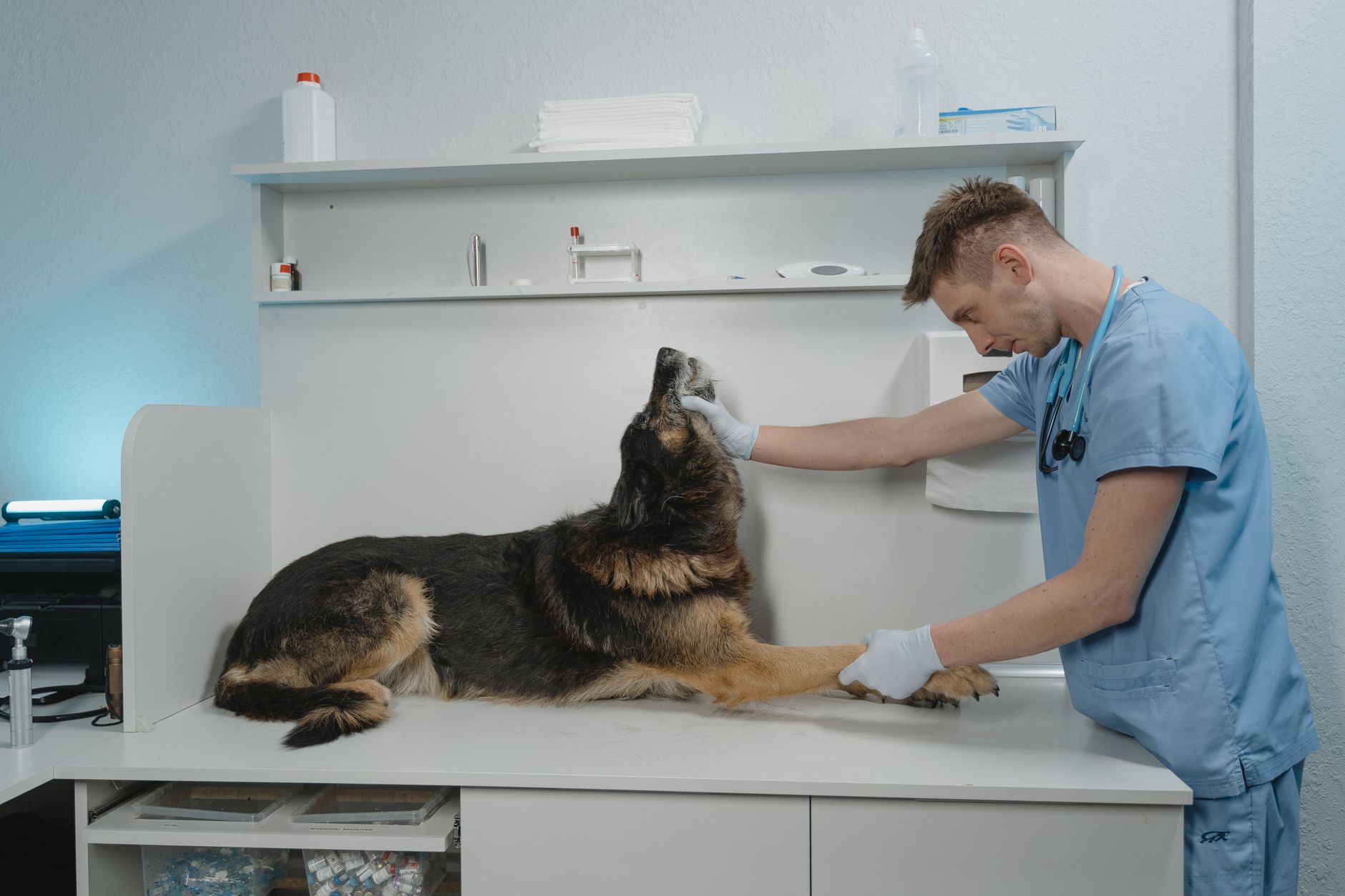
While Rottweilers are robust and powerful working dogs, they are genetically prone to several serious health conditions. Purchasing from a reputable breeder who performs rigorous health screenings—especially hip, elbow, and cardiac evaluations—is absolutely critical to mitigating these risks.
Hip and Elbow Dysplasia
Malformation of the joints leading to painful arthritis, joint laxity, and mobility loss. This is highly genetic but can be exacerbated by rapid growth and excess weight.
Subaortic Stenosis (SAS)
A serious congenital heart defect where a narrowing below the aortic valve forces the heart to work harder to pump blood.
Gastric Dilatation-Volvulus (GDV / Bloat)
A life-threatening emergency where the deep-chested stomach fills with gas and twists on its axis, cutting off blood flow.
Osteosarcoma
An aggressive, highly malignant form of bone cancer that is unfortunately prevalent in large, heavy-boned breeds like the Rottweiler.
Entropion or Ectropion
Conformation defects of the eyelids causing them to roll inward (entropion) or sag outward (ectropion), leading to severe eye irritation.
Cranial Cruciate Ligament (CCL) Tears
Rupture of the main stabilizing knee ligament, which is highly common in muscular, active dogs and almost always requires surgical correction.
How long do Rottweilers typically live?
The average lifespan of a Rottweiler is relatively short, usually ranging between 8 to 10 years. Providing excellent nutrition, maintaining a lean weight to protect their joints, and scheduling regular veterinary checkups can help maximize their senior years.
What to Feed a Rottweiler
Proper nutrition is the cornerstone of keeping a fast-growing, heavy-boned Rottweiler healthy throughout their life. Because they are prone to rapid-growth skeletal issues as puppies and severe joint wear as adults, managing their caloric intake is absolutely vital.
Best Diet
Puppies must be fed a high-quality large-breed puppy formula to ensure slow, controlled skeletal growth. As adults, they thrive on high-protein, nutrient-dense kibble formulated specifically for large breeds, ideally with added joint support like glucosamine and chondroitin.
How to Feed
I highly recommend dividing their daily food intake into two or three smaller meals rather than one large feeding to reduce the risk of bloat. Always use a slow-feeder bowl and restrict vigorous exercise for at least 60 minutes after eating.
How Much to Feed
On average, an active adult Rottweiler will require 4 to 6 cups of premium kibble daily, but this varies wildly based on age, metabolism, and activity level. Always consult your veterinarian to customize a precise feeding plan and monitor their body condition score closely to prevent obesity.
Nutritional Tips
Keep your Rottweiler lean; even a few extra pounds can put disastrous pressure on their joints and exacerbate hip dysplasia. Avoid high-calcium supplements in growing puppies, as it can severely disrupt their skeletal development.
Rottweiler Grooming Guide
Rottweilers are relatively low-maintenance when it comes to grooming, but they do require regular, structured care to keep their coat and skin healthy. Establishing a grooming routine early in puppyhood will make handling this 100-pound adult dog vastly easier.
Coat Care
Brush their short, dense double coat weekly with a rubber curry brush or slicker brush to remove loose hair. During seasonal shedding periods in spring and fall, daily brushing with a deshedding tool will save your sanity and your floors.
Skin Care
Bathe them every 6 to 8 weeks, or when dirty, using a gentle, hypoallergenic dog shampoo to prevent drying out their skin and stripping natural oils.
Eye Care
Wipe away any morning eye discharge gently with a damp cloth, checking regularly for signs of redness, rolling eyelids, or irritation.
Ear Care
Clean their floppy ears bi-weekly with a vet-approved ear-cleaning solution to prevent yeast and bacterial infections, especially if they enjoy swimming.
Nail & Dental Care
Trim their thick, black nails every 3 to 4 weeks using a heavy-duty grinder or clipper, and brush their teeth at least three times a week with canine-formulated toothpaste to combat periodontal disease.
Considerations for Pet Parents
Pros
- Immensely loyal and protective companion
- Highly intelligent and eager to learn
- Calm and quiet inside the household
- Excellent natural deterrent to intruders
- Forms incredibly deep, rewarding bonds with owners
- Affectionate, goofy, and loving ‘velcro’ dog
Cons
- Prone to severe genetic health conditions
- Can display same-sex dog aggression
- Requires intensive, lifelong socialization
- Often subject to rental bans and insurance restrictions
- Possesses immense physical strength that is hard to manage if untrained
Best For
It is best for experienced, confident owners who have the time to dedicate to rigorous daily training, heavy socialization, and structured physical exercise. They thrive with active families who want a devoted, hands-on protector and constant shadow.
Not Recommended For
It is not recommended for first-time dog owners, passive households, or people who are away from home for long stretches. Those unwilling or unable to manage a highly powerful, potentially protective 100-plus-pound dog should look elsewhere.
Cost
- purchase price$1,500 – $3,500
- monthly cost$150 – $300
- initial setupExpect to spend $1,000 – $1,500 upfront on high-quality orthopedic bedding, heavy-duty crates, professional obedience training classes, and spay/neuter surgeries.
Similar Breeds

Doberman Pinscher
Bullmastiff
Rottweiler FAQs
Are Rottweilers dangerous?
Rottweilers are not inherently dangerous, but their massive size, strength, and strong guardian instincts mean that if they are poorly socialized, neglected, or untrained, they can develop dangerous behaviors. Responsible ownership, early socialization, and structured training are vital to ensuring a safe, stable dog.
Why do Rottweilers lean on you?
This ‘Rottie lean’ is a classic breed characteristic and a sign of profound affection and trust. In my experience, they lean on their favorite humans to seek physical contact, show devotion, or simply reassure themselves that you are close by.
Do Rottweilers bark a lot?
Generally, Rottweilers are quiet dogs who do not bark without a specific reason. They typically reserve their bark to alert you to someone approaching the property or to signal that they perceive a potential threat.
How much exercise does a Rottweiler need daily?
An adult Rottweiler requires about 1 to 2 hours of daily exercise, combining physical walks or hikes with mental stimulation like training sessions or puzzle toys. Without this outlet, they can easily become bored, restless, and destructive.
When do Rottweilers stop growing?
Rottweilers grow rapidly but mature very slowly. While they reach their full height around 12 to 18 months of age, they will continue to ‘fill out’ and gain muscle mass until they are 2 to 3 years old.
Are Rottweilers prone to separation anxiety?
Yes, because they are deeply devoted to their human family, they can easily develop separation anxiety if left alone for extended periods. I always recommend crate training early on and avoiding leaving them isolated for more than 4 to 5 hours.
Can Rottweilers live in apartments?
They can adapt to apartment living if—and only if—their owners are fully committed to meeting their high exercise and mental stimulation needs daily. However, their large size and potential guarding tendencies mean a home with a fenced yard is usually much more practical.
Are Rottweilers easy to housebreak?
Yes, Rotties are clean animals and very intelligent, making housebreaking relatively straightforward. Utilizing a consistent crate-training schedule and rewarding them immediately for eliminating outdoors will yield fast results.
Why do some Rottweilers have docked tails?
Historically, Rottweilers had their tails docked to prevent injury when working as drovers and draft dogs. While it remains a standard practice in some countries (like the US under AKC standards), tail docking is banned in many European nations, where they sport beautiful, long natural tails.
Are Rottweilers good in cold or hot weather?
They handle cold weather reasonably well thanks to their double coat, but they struggle significantly in hot, humid weather. Their black coats absorb heat quickly, making them prone to heatstroke, so physical activity must be limited on hot summer days.
Do Rottweilers drool?
While they aren’t quite as wet as Mastiffs or Newfoundlands, Rottweilers with looser flews (lips) will absolutely drool, particularly after drinking, while waiting for food, or when panting heavily after exercise.
How do I choose a reputable Rottweiler breeder?
A reputable breeder will always provide official health clearances (CHIC numbers) for both parents, including OFA hip, elbow, eye, and cardiac evaluations. They should raise the puppies inside the home, ask you detailed questions about your lifestyle, and offer a lifetime genetic health guarantee.
Can a Rottweiler be left off-leash?
Generally, I do not advise letting a Rottweiler off-leash in unfenced, public areas. Even with excellent recall, their size and protective instincts can startle others, and they may react quickly if they perceive a sudden threat to you.
What is the ‘Rottie rumble’?
The ‘Rottie rumble’ is a low, throaty purring sound that many Rottweilers make when they are happy, relaxed, or being petted. It can sound intimidating to people unfamiliar with the breed, but context is key—if the body is loose and wiggly, it is a sound of pure contentment.
Are Rottweilers prone to joint issues?
Yes, due to their rapid growth and substantial body mass, they are highly prone to orthopedic issues like hip dysplasia, elbow dysplasia, and ligament tears. Keeping them at a lean, healthy weight and using joint supplements early in life can significantly reduce these issues.