
Field Spaniel Breed Guide

Quick Summary
The Field Spaniel is a sensitive, highly affectionate, and versatile sporting dog that combines the work ethic of a gundog with a tranquil, devoted home presence. Far less manic than some other spaniel breeds, they thrive on close human companionship and daily mental stimulation, making them a superb match for active, attentive families.
As an Amazon Associate, we earn from qualifying purchases.
Popular with Field Spaniel owners: Omega-3 Fish Oil · Orthopedic Dog Bed · Training Treats
Quick Facts
- origin countryEngland
- breed groupSporting Group
- sizeMedium
- weight range35 to 50 pounds
- height range17 to 18 inches (males), 16 to 17 inches (females)
- lifespan10 to 14 years
- coat typeSingle, moderately long, flat or slightly wavy, silky with moderate feathering
- common colorsBlack, liver, golden liver, roan, or any of these with tan points
- other namesField
- recognized byAKC, UKC, KC
Caring for a Field Spaniel
Living with a Field Spaniel is a rewarding partnership that centers on shared activity and close companionship. In my practice, I find they adapt beautifully to home life as long as they get 60 to 90 minutes of daily exercise, involving both physical running and scent-work games. Because they are a single-coated breed, they lack a dense undercoat, making them easier to manage indoors than a Cocker or Springer, but they are true ‘velcro dogs’ who will follow you from room to room.
Is a Field Spaniel a good family pet?
Yes, they are exceptionally gentle, patient, and affectionate family dogs. They bond deeply with all family members and are generally highly tolerant of children, though all interactions should still be supervised.
Do Field Spaniels shed a lot?
They are moderate shedders. Because they lack a dense undercoat, they don’t produce the heavy ‘blown coat’ seasonal shedding seen in double-coated breeds, but they do drop hair year-round.
Is a Field Spaniel good for first-time owners?
They can be, provided the owner understands their sensitive nature and high need for mental stimulation. Harsh training methods will completely shut this breed down, so patience and positive reinforcement are absolute requirements.
Temperament & Personality
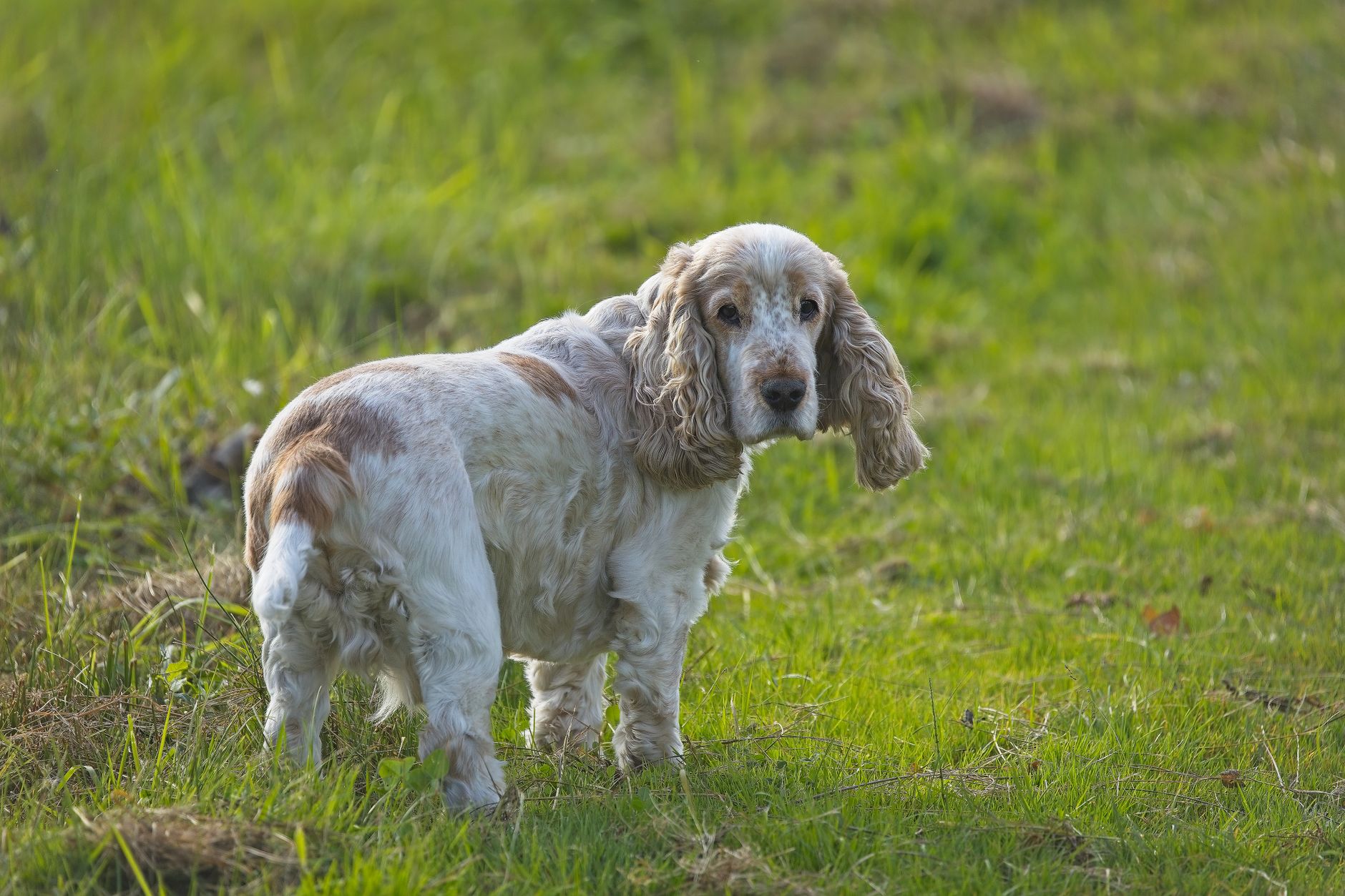
The Field Spaniel is renowned for its docile, affectionate, and remarkably even-tempered nature. Unlike some of the high-strung working spaniels I treat, Fields generally possess a distinct ‘off-switch’ once their physical exercise needs are met. They are famously sensitive dogs, meaning they are highly tuned to the emotional climate of their household and do not cope well with tension or loud shouting.
Is a Field Spaniel good with other pets?
Typically, yes. They generally cohabitate peacefuly with other dogs and can live harmoniously with cats if properly socialized from a young age, though their hunting heritage means small pocket pets may trigger their prey drive.
Native Pet Omega-3 Fish Oil for Dogs
- ✓Wild Alaskan salmon and pollock oil
- ✓Leak-proof locking pump
- ✓Supports soft coats and comfortable skin
- Omega-3 fatty acids support skin, coat and joints from the inside out
How much attention does a Field Spaniel need?
They need a high level of daily interaction and do not do well when left alone for long periods. They are prone to separation anxiety if isolated, as they view themselves as core members of the family unit.
Training & Behavior
Field Spaniels are highly intelligent, intuitive, and eager to please, which makes them very trainable. However, their sensitivity means that traditional, forceful training techniques will backfire, causing them to withdraw and refuse to work. In my clinical experience, utilizing positive reinforcement, play-based rewards, and high-value treats yields spectacular results with this breed.
Training Tips
- Use positive reinforcement and high-value treats like freeze-dried liver
- Keep training sessions short, varied, and fun to prevent boredom
- Expose them gently to novel sights, sounds, and people before 16 weeks of age
- Never raise your voice or use harsh physical corrections with this sensitive breed
- Incorporate scent-work games to satisfy their natural hunting instincts
Fun Activities
- Scent Work and Tracking
- Agility training
- Dock diving
- AKC Hunt Tests
- Therapy dog work
- Hiking and swimming
Is a Field Spaniel easy to train?
Yes, they are highly capable and quick learners. However, they can occasionally display a streak of independent spaniel stubbornness, requiring a gentle, creative handler rather than a rigid disciplinarian.
Field Spaniel Health Issues
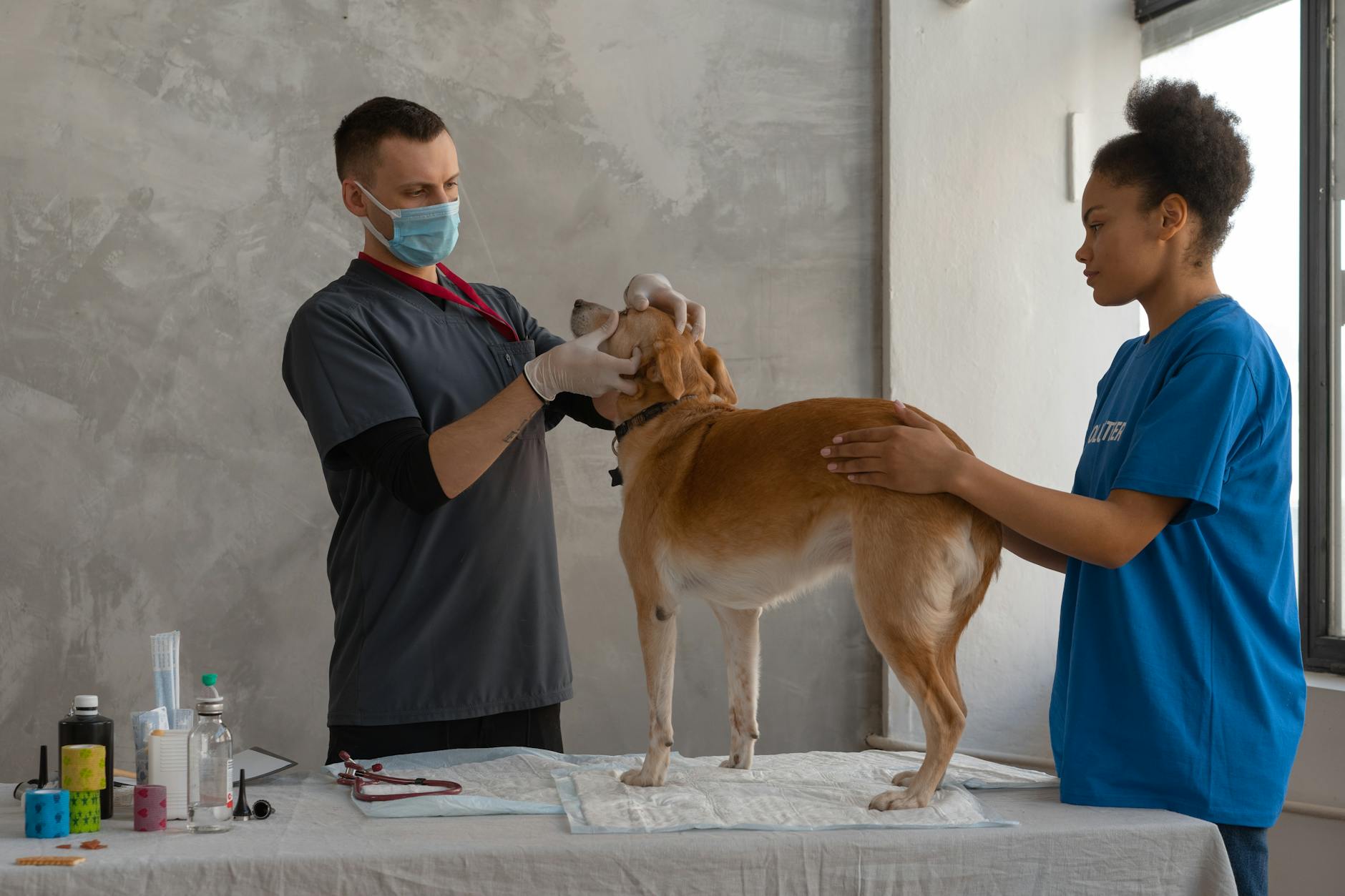
As a veterinarian, I consider the Field Spaniel to be a generally robust and healthy breed, largely due to the dedicated efforts of preservation breeders. However, because of their small gene pool, it is absolutely vital to purchase from breeders who perform comprehensive health screenings.
Otitis Externa (Ear Infections)
Like all spaniels with long, heavy, drop ears, they have a warm, dark, and humid ear canal that is highly prone to yeast and bacterial overgrowth. This is the single most common reason I see Field Spaniels in my clinic.
Hip Dysplasia
An inherited skeletal condition where the ball-and-socket hip joint does not fit together smoothly, leading to progressive arthritis and joint degeneration over time.
Hypothyroidism
An endocrine disorder where the thyroid gland does not produce enough thyroid hormone, causing a systemic slowdown of the dog’s metabolism.
EHEYCIGA Orthopedic Extra Large Dog Bed, 44 in
- ✓Memory foam and egg-crate foam for joint support
- ✓3-sided bolsters for head and neck
- ✓Waterproof liner; washable cover
- Supportive foam cushions hips and joints, ideal for large, senior or dysplasia-prone dogs
Late-Onset Progressive Retinal Atrophy (PRA)
A degenerative eye disease that slowly destroys the retina, eventually leading to complete blindness, though it typically manifests later in life in this breed.
Idiopathic Epilepsy
An inherited neurological disorder that causes unprovoked seizures, typically presenting between 1 and 5 years of age.
How long do Field Spaniels typically live?
With proper nutrition, routine veterinary care, and genetic health screenings, a Field Spaniel typically enjoys a lifespan of 10 to 14 years.
What to Feed a Field Spaniel
Field Spaniels have a hearty appetite and are highly efficient metabolizers of food, which means they can easily gain weight if their caloric intake is not strictly monitored. Keeping them at a lean, healthy weight is critical to safeguarding their joints from dysplasia and arthritis.
Best Diet
An active, medium-sized dog formula containing high-quality animal proteins as the primary ingredients is ideal. For puppies, look for a large or medium-breed puppy formula that regulates calcium-to-phosphorus ratios for steady orthopedic development.
How to Feed
I highly recommend feeding mature Field Spaniels two measured meals per day rather than free-feeding. Using puzzle feeders or snuffle mats is an excellent way to slow down eager eaters and provide mental stimulation.
How Much to Feed
Generally, an active adult Field Spaniel requires 1.5 to 2.5 cups of high-quality dry kibble daily, divided into two meals. However, exact caloric needs vary widely based on individual activity levels, age, and spay/neuter status, so consult your vet.
Nutritional Tips
Incorporate Omega-3 fatty acid supplements (such as high-quality wild-caught fish oil) to support their joint health and maintain the glossy sheen of their beautiful, single-coated fur.
Field Spaniel Grooming Guide
While their coats look glamorous, Field Spaniels are actually much easier to groom than Cockers or Springers because they lack a dense undercoat. Keeping them looking neat requires regular brushing rather than intensive, professional clipping.
Coat Care
Brush the coat thoroughly 2 to 3 times a week using a slicker brush and a metal greyhound comb to prevent mats in the soft feathering. A light trimming around the paws, hocks, and opening of the ear canal every 6 to 8 weeks keeps them tidy.
Skin Care
Bathe them every 4 to 6 weeks with a gentle, soap-free oatmeal shampoo to preserve the natural, water-resistant oils of their skin.
Eye Care
Wipe the corners of their eyes weekly with a damp cotton ball to remove any mild discharge or pollen buildup.
Ear Care
Clean their ears weekly and immediately after swimming using a veterinarian-recommended, drying ear cleanser to prevent moisture retention and infections.
Nail & Dental Care
Trim nails every 3 to 4 weeks using a grinder or clippers, and brush their teeth daily with dog-safe enzymatic toothpaste to prevent periodontal disease.
Considerations for Pet Parents
Pros
- Gentle, sweet, and highly affectionate family temperament
- Less hyperactive and frantic than many other working spaniels
- Highly intelligent and excels in various dog sports and scent work
- Single coat is easier to brush and manage than double-coated breeds
- Quiet indoors when their physical and mental exercise needs are met
Cons
- Prone to separation anxiety if left alone for extended periods
- Very sensitive to household stress and harsh training methods
- High risk of chronic ear infections requiring lifelong management
- Rare breed; finding a reputable, health-testing breeder takes time
Best For
Active, gentle households where someone is home most of the day, and owners who are excited to engage in daily walks, outdoor adventures, or dog sports like tracking and agility.
Not Recommended For
Homes where the dog will be left alone for 8 to 10 hours a day, busy households that rely on harsh discipline, or owners seeking a low-maintenance, sedentary lapdog.
Cost
- purchase price$1,500 to $2,800
- monthly cost$120 to $200
- initial setupInitial setup, including essential veterinary vaccinations, spay/neuter surgery, a crate, high-quality grooming tools, and obedience classes, typically ranges from $1,200 to $2,000.
-
Zuke’s Mini Naturals Dog Training Treats, ChickenQuick to eat, so training sessions keep moving
-
Furbo 360° Dog Camera with Treat TossCheck in and comfort your pet while you’re out
-
Outward Hound Nina Ottosson Dog Brick Puzzle ToyBurns mental energy in clever, easily bored dogs
Similar Breeds

English Springer Spaniel

English Cocker Spaniel
Related Dog Guides
Field Spaniel FAQs
Are Field Spaniels rare?
Yes, the Field Spaniel is considered a vulnerable native breed in its UK homeland and remains quite rare in North America. Finding a puppy from a preservation breeder often involves being placed on a waiting list for 6 to 12 months.
Do they bark a lot?
Field Spaniels are generally quiet compared to other spaniels, but they will bark to alert you of visitors or unusual noises. They are not prone to nuisance barking unless they are bored, under-exercised, or suffering from separation anxiety.
Can Field Spaniels live in an apartment?
They can adapt to apartment living, but only if their owners are deeply committed to providing adequate daily outdoor exercise. Without a yard, you must commit to several long, sniffing-focused walks and active play sessions daily.
Do they like to swim?
Most Field Spaniels absolutely love water and are highly proficient swimmers. If you take them swimming, always dry their ears thoroughly afterward with a clean towel and a drying ear cleanser to prevent yeast infections.
How do they compare to English Cocker Spaniels?
Field Spaniels are larger, longer, and heavier than English Cockers. Temperamentally, Fields tend to be more level-headed, calmer, and more sensitive, whereas Cockers are often more exuberant, busy, and outgoing with strangers.
What is their prey drive like?
As a sporting breed, they have a moderate-to-high prey drive, particularly for birds and rabbits. They should be kept on a leash in unenclosed areas, as they will readily follow an appealing scent trail and ignore recall commands.
Are they easy to housebreak?
Yes, they are generally easy to housebreak when a consistent schedule and positive reinforcement are used. Crate training is highly recommended, as it provides them with a safe, secure den and aids the housebreaking process.
How often do they need to be professionally groomed?
They do not strictly require professional grooming if you brush them regularly at home. However, many owners choose to take them to a professional groomer every 8 weeks for a sanitary trim, nail clip, and light evening of their coat feathering.
Are they prone to obesity?
Yes. Field Spaniels are highly food-motivated and can easily pack on extra weight, which puts dangerous stress on their joints. I always counsel my clients to use a kitchen scale to weigh food and to limit calorie-dense treats.
At what age do they fully mature?
Like many medium-to-large sporting dogs, Field Spaniels reach their full physical height around 12 months, but they often do not fully ‘fill out’ structurally or mature mentally until they are 2 to 3 years of age.
Are they good watchdogs?
They make decent watchdogs because they will bark to alert you to a newcomer’s arrival. However, they are entirely lacking in guard dog instincts and will typically welcome guests warmly once they see their owners doing so.
Do they drool?
No, Field Spaniels are a dry-mouthed breed and do not drool excessively. You may see a small amount of water dripping from their beard after they drink, but they do not produce constant saliva like some mastiff or hound breeds.
Sources & Further Reading
- American Kennel Club (AKC)
- Merck Veterinary Manual
- American Veterinary Medical Association (AVMA)
- PetMD