
Scottish Straight Breed Guide

Quick Summary
The Scottish Straight is the straight-eared sibling of the Scottish Fold, possessing the same sweet, rounded face and mellow temperament without the cart-before-the-horse ear folding mutation. They are exceptionally adaptable, medium-sized companion cats that thrive in calm or busy households alike. In my practice, I find them to be ideal for owners wanting a loyal, easygoing ‘perch potato’ who loves quiet companionship.
Quick Facts
- origin countryScotland
- breed groupShorthair / Longhair (Non-Folded Scottish)
- sizeMedium
- weight range6 – 13 lbs (2.7 – 5.9 kg)
- height range8 – 10 inches (20 – 25 cm)
- lifespan12 – 16 years
- coat typeShort or Long, plush and dense
- common colorsAll colors, patterns, and combinations including solid, tabby, point, and bi-color
- other namesScottish Straight Shorthair, Scottish Straight Longhair
- recognized byTICA, WCF, CFA (for breeding programs/pedigree registration)
Caring for a Scottish Straight
Living with a Scottish Straight is delightfully straightforward because they are structurally balanced and mentally stable cats. In my clinic, owners frequently remark on how seamlessly these cats blend into the household routine, preferring to lounge nearby rather than climb curtains. Daily life involves moderate interactive play, casual brush-outs, and a steady schedule of clean litter and good food. They appreciate predictable routines and will happily follow you from room to room just to stay in the loop.
Is a Scottish Straight a good family pet?
Yes, they are exceptionally patient and even-tempered, making them wonderful companions for children who know how to treat animals gently. They handle normal household noise with calm curiosity rather than fear.
Do Scottish Straights shed a lot?
They shed moderately year-round, with heavier seasonal blows in spring and autumn. Regular weekly brushing keeps loose hair off your furniture and helps prevent hairballs.
Is a Scottish Straight good for first-time owners?
Absolutely. Their forgiving, low-drama nature and straightforward care requirements make them one of the best feline breeds for novice owners.
Temperament & Personality

I often describe the Scottish Straight temperament as classic ‘plush bear demeanor’— placid, affectionate, and quietly intelligent. They are not needy or vocal demanding attention, but they strongly prefer to be in the same room as their human family. Unlike hyper-energetic oriental breeds, Straights prefer low-impact play and cozy perches. They inherit the curious, companionable trait of their Scottish lineage without being overbearing.
Is a Scottish Straight good with other pets?
They excel in multi-pet homes because of their non-confrontational nature. I routinely see them peaceful coexisting with cat-friendly dogs and other felines after a proper, gradual introduction.
How much attention does a Scottish Straight need?
They desire presence more than constant active physical attention. Sitting on the sofa while you work or watch television is often all they need to feel content.
Training & Behavior
Scottish Straights are smart, observant cats that learn house rules quickly through consistent reinforcement. While they are not acrobatic performers, they respond exceptionally well to clicker training paired with high-value treats. In my practice, I notice they rarely display destructive behavioral vices like scratch-shredding furniture if provided basic scratching posts. Their low voice means they express themselves with subtle body language rather than loud meows.
Training Tips
- Use positive, food-based reinforcement for trick training
- Provide sturdy scratching posts near their favorite sleeping spots
- Establish a predictable daily play schedule before meals
- Train early for carrier entry and routine nail trims
Fun Activities
- Interactive wand toy sessions
- Food puzzle feeder toys
- Watching outdoor bird feeders from a window perch
- Clicker training basic commands like ‘sit’ and ‘high-five’
Is a Scottish Straight easy to train?
Yes, their calm focus makes them relatively easy to train compared to more easily distracted or high-strung breeds. Food rewards work best to motivate them.
Scottish Straight Health Issues
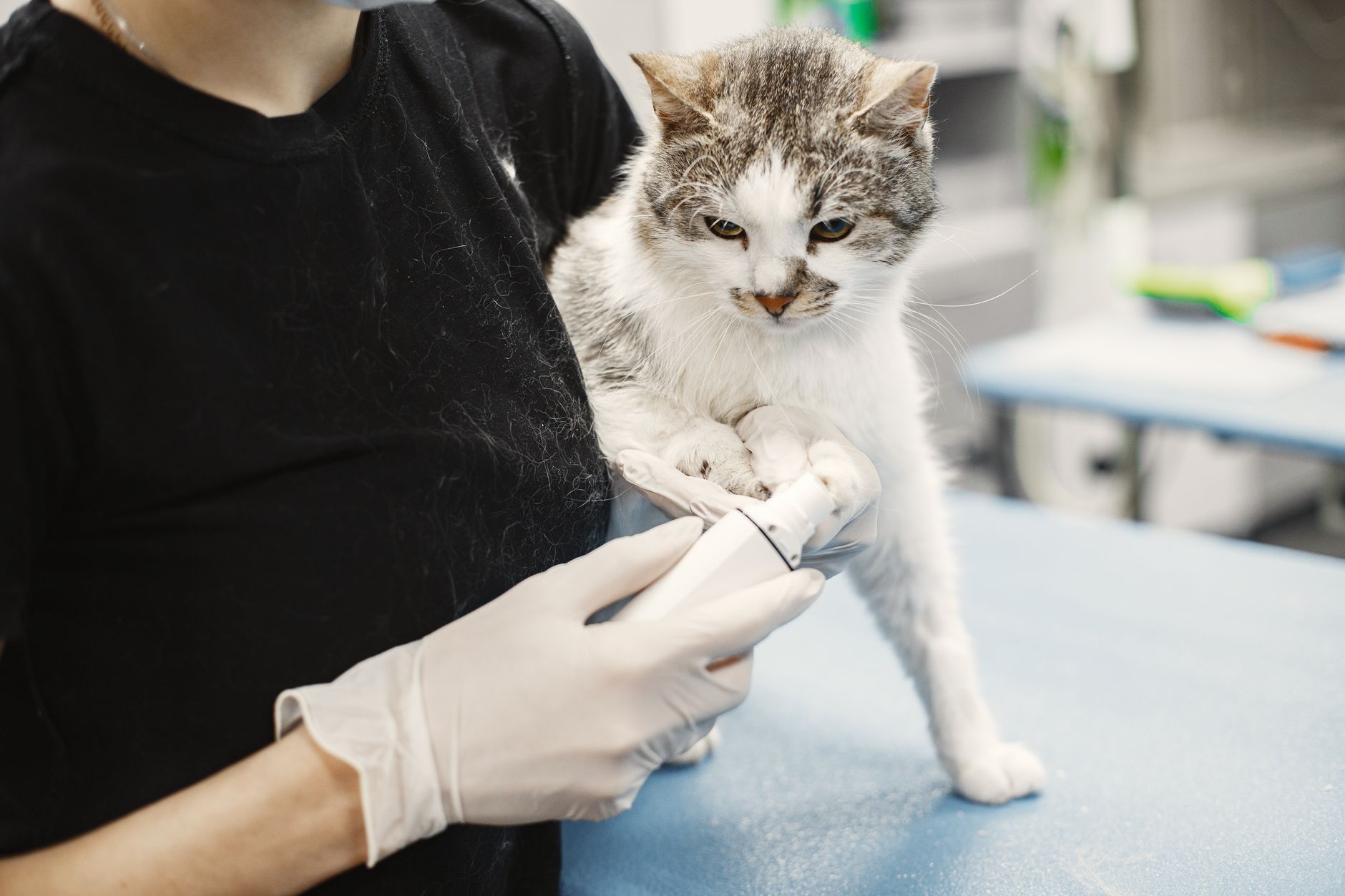
Crucially, Scottish Straights do NOT possess the FD (osteochondrodysplasia) gene mutation that causes painful cartilage deformity in Scottish Folds. Because they have straight ears, their skeletal system develops normally, making them significantly healthier overall. However, like all purebred cats, they require routine preventative veterinary screening for cardiac and kidney issues.
Hypertrophic Cardiomyopathy (HCM)
A genetic thickening of the heart muscle walls, which can lead to heart failure or thromboembolism. It is the most common cardiac disease seen across domestic cats, including Scottish lines.
Polycystic Kidney Disease (PKD)
An inherited condition where fluid-filled cysts form in the kidney tissue, slowly compromising kidney function over time. DNA testing of parent cats can help screen out this condition.
Feline Obesity
Because of their relatively sedentary lifestyle and round build, Scottish Straights are prone to excess weight gain, putting stress on their joints and internal organs.
How long do Scottish Straights typically live?
With proper indoor care, annual vet checkups, and balanced nutrition, a Scottish Straight typically lives between 12 and 16 years, with some reaching late teens.
What to Feed a Scottish Straight
Scottish Straights require a high-protein, meat-based diet tailored to their life stage and physical activity level. Because they tend toward a round, cobby body type, keeping them at a lean, healthy weight is vital to prevent metabolic issues.
Best Diet
I strongly recommend a moisture-rich wet food diet balanced with high-quality protein to support lean muscle mass and urinary tract health. If feeding kibble, choose a nutrient-dense formula with strict portion control.
How to Feed
Feed adult cats measured meals twice daily rather than free-feeding. Using puzzle feeders can slow down fast eaters and offer mental stimulation.
How Much to Feed
Portion sizes depend on age, activity level, and target body condition score. As a baseline, an 8-10 lb adult cat needs roughly 180-220 calories per day, but consult your vet for an exact plan.
Nutritional Tips
Ensure constant access to fresh water, ideally via a pet fountain to encourage drinking, which protects renal and urinary health.
Scottish Straight Grooming Guide
Grooming a Scottish Straight is straightforward compared to long-haired or flat-faced breeds. Their plush coat requires consistent, simple maintenance to minimize hairballs and retain shine.
Coat Care
Brush shorthaired Straights once or twice a week with a slicker brush or rubber curry brush. Longhaired varieties need combing 3 times a week to prevent mats behind the ears and legs.
Skin Care
Inspect skin during routine brushing for signs of dryness, dander, or external parasites.
Eye Care
Unlike some brachycephalic breeds, their eyes rarely tear excessively; wipe corners with a soft, damp cloth if needed.
Ear Care
Unlike Scottish Folds, Scottish Straights have erect ears with standard airflow, making ear infections rare. Inspect weekly for wax build-up.
Nail & Dental Care
Trim nails every 2-3 weeks and establish daily or weekly tooth brushing using feline-safe toothpaste to prevent periodontal disease.
Considerations for Pet Parents
Pros
- Free from osteochondrodysplasia pain seen in folded-ear cats
- Sweet, low-drama, and highly adaptable temperament
- Great with children, dogs, and other cats
- Quiet nature—rarely vocal or demanding
- Low to moderate grooming maintenance
Cons
- Prone to weight gain if overfed or under-exercised
- Can suffer from genetic cardiac issues (HCM) if un-screened
- May be difficult to find through rescues due to breed rarity
Best For
Owners seeking a gentle, affectionate companion cat who stays calm in apartment settings or active family environments.
Not Recommended For
People seeking a highly athletic, high-energy, or intensely talkative cat like an Abyssinian or Siamese.
Cost
- purchase price$800 – $1,800
- monthly cost$60 – $120
- initial setupInitial outlay includes microchipping, spay/neuter, vaccinations, litter boxes, scratching posts, carrier, and initial vet intake visit ($300 – $600 total).
Similar Breeds

Scottish Straight FAQs
What is the difference between a Scottish Fold and a Scottish Straight?
Scottish Folds carry one copy of a dominant mutated gene that affects cartilage, causing folded ears. Scottish Straights do not inherit this gene mutation, so their ears stand upright like a normal cat.
Are Scottish Straights healthier than Scottish Folds?
Yes. Because Scottish Straights lack the folded-ear gene, they do not suffer from osteochondrodysplasia, the painful joint and cartilage deformity intrinsic to Scottish Folds.
Why do breeders cross Scottish Folds with Scottish Straights?
Ethical breeders never mate two folded-ear cats together, as inheriting two copies of the fold gene causes severe, crippling skeletal deformities. Crossing a Fold with a Straight ensures healthy litters where straight-eared kittens serve as vital genetic anchors.
Do Scottish Straights have round faces?
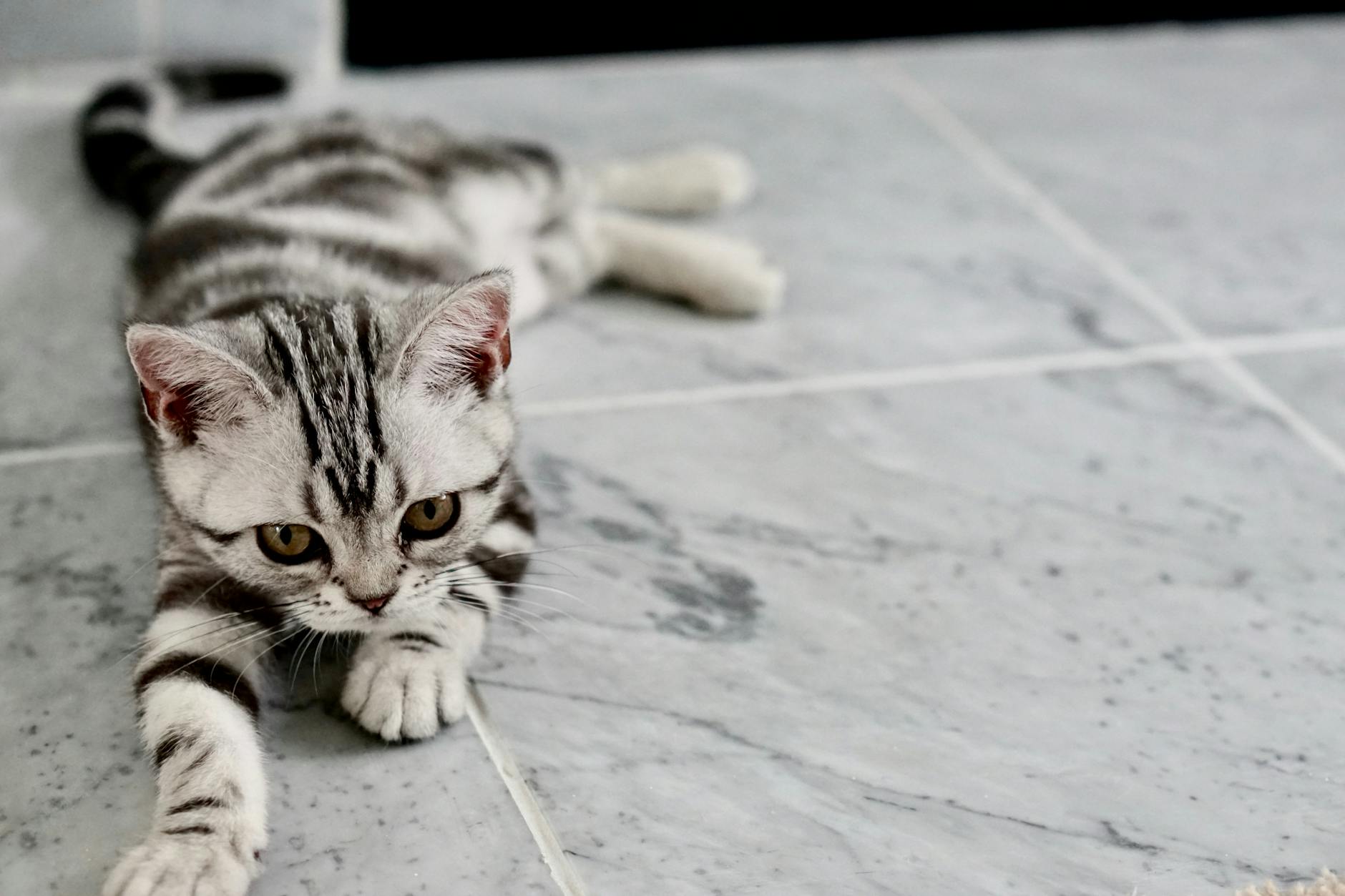
Yes, they share the broad skull, prominent cheek pads, and big, round eyes characteristic of the Scottish breed standard, giving them a charming, owl-like expression.
Can a Scottish Straight be a longhair?
Yes. The breed comes in both short-haired and long-haired (Highland Straight) varieties, depending on the coat traits passed down by parentage.
Are Scottish Straights lap cats?
Most are ‘beside-you’ cats rather than intense lap-sitters. In my practice, owners report they love sitting right next to you on a cushion or sofa.
Do Scottish Straights meow a lot?
No, they are generally quiet cats. When they do communicate vocalizations, it is usually a tiny, soft chirp or purr.
Are Scottish Straights prone to heart issues?
Hypertrophic Cardiomyopathy (HCM) can occur in the breed line. Reputable breeders perform regular echocardiograms on breeding stock to screen for cardiac defects.
Can Scottish Straights be left alone during the workday?
They handle reasonable periods of solitude well, provided they have toys, window perches, and food. However, they should still receive quality attention when you return.
How can I tell if a kitten is a Fold or a Straight?
All Scottish kittens are born with straight ears. Around 18 to 24 days of age, ears destined to fold will begin to crease, while Straights remain upright.
Do Scottish Straight ears ever fold later in life?
No. If ears remain straight past 4 weeks of age, the cat is genetically a Scottish Straight and their ears will remain permanently erect.
What health testing should a Scottish Straight breeder provide?
Reputable breeders should show proof of negative genetic testing for PKD (Polycystic Kidney Disease) and parental screening for HCM (Hypertrophic Cardiomyopathy).
Sources & Further Reading
- The Cat Fanciers’ Association (CFA)
- International Cat Care
- Cornell University College of Veterinary Medicine
- American Veterinary Medical Association (AVMA)