
Bergamasco Sheepdog Breed Guide

Quick Summary
The Bergamasco Sheepdog is an ancient, highly intelligent Italian herding breed famous for its unique felted ‘flocks’ that protect it from harsh mountain elements. In my practice, I find them to be exceptionally balanced, patient companions who view themselves as equal partners to their owners, rather than subordinates. They are best suited for active, engaged families who can appreciate their independent working intelligence and commit to the unique initial coat-setting process.
Quick Facts
- origin countryItaly
- breed groupHerding Group
- sizeLarge
- weight range57 to 84 pounds (26 to 38 kg)
- height range21 to 24.5 inches (54 to 62 cm)
- lifespan13 to 15 years
- coat typeFelted, consisting of undercoat (wool), ‘goat’ hair, and ‘dog’ hair
- common colorsGrey of all shades (including silver, charcoal, and coal black), solid black, or fawn/isabella (rare)
- other namesBergamasco Shepherd, Cane da Pastore Bergamasco
- recognized byAKC, UKC, FCI
Caring for a Bergamasco Sheepdog
Living with a Bergamasco is an exercise in mutual respect; they are intuitive helpers who quietly monitor their households. In my clinical experience, they adapt wonderfully to family life provided they have a clear job or daily mental stimulation to satisfy their herding instincts. Their exercise needs are moderate but non-negotiable, requiring steady daily walks and mental challenges. While their unique coat looks intimidating, it is surprisingly low-maintenance once fully formed, requiring no brushing and rare baths.
Is a Bergamasco Sheepdog a good family pet?
Absolutely, as they possess an innate, ancient instinct to protect and bond deeply with children, whom they view as their flock. In my clinic, I’ve observed them to be exceptionally patient and gentle, though early socialization is vital so their protective nature doesn’t translate into over-vigilance around guests.
Do Bergamasco Sheepdogs shed a lot?
Practically not at all once their coat matures into its characteristic flocks around age two. Before that, during the transition phase, you will see some shedding, but once felted, the loose hairs are trapped within the flocks, making them an excellent choice for allergy sufferers.
Is a Bergamasco Sheepdog good for first-time owners?
I typically advise against this breed for first-time owners due to their independent, self-governing nature. They were bred to make decisions in the Italian Alps without human guidance, meaning they will easily outsmart an inexperienced owner who lacks consistent, positive leadership.
Temperament & Personality
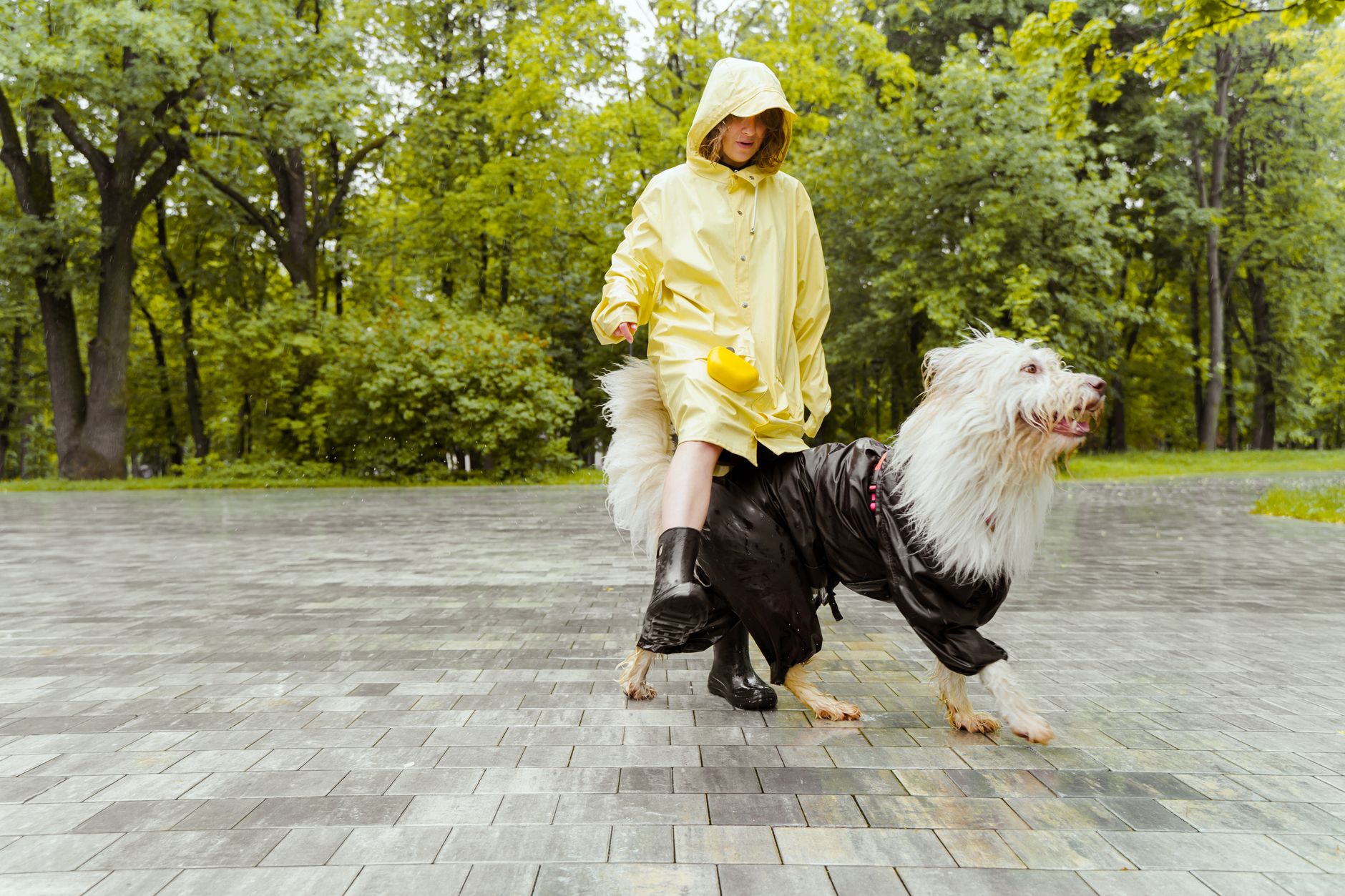
The Bergamasco is characterized by a calm, observant, and deeply loyal temperament, displaying none of the hyperactive franticness seen in some other herding breeds. I often note that they behave more like guardians, evaluating situations calmly before taking action. They are incredibly intuitive, often sensing their owner’s moods and adjusting their behavior accordingly. While loving with family, they remain reserved and watchful around strangers until introduced.
Is a Bergamasco Sheepdog good with other pets?
Yes, they generally cohabitate peacefully with other household pets, including cats and other dogs, especially when raised with them. Their herding instinct may drive them to gently gather or supervise other animals, which usually manifests as watchful guarding rather than aggressive chasing.
How much attention does a Bergamasco Sheepdog need?
They need a high level of social integration and do not do well when isolated in a backyard or left alone for long periods. They don’t necessarily demand constant physical play, but they need to be in the same room as you, participating in the daily rhythm of the household.
Training & Behavior
Training a Bergamasco requires understanding that they are intellectual partners rather than eager-to-please servants. In my practice, I see that harsh or repetitive drilling completely fails with this breed; they get bored quickly and will simply ignore commands they find redundant. Instead, they respond beautifully to motivational, reward-based training that respects their cognitive abilities.
Training Tips
- Use positive reinforcement and high-value rewards instead of repetitive drills
- Establish yourself as a calm, consistent leader to earn their natural respect
- Socialize extensively in the first 16 weeks to prevent over-guarding
- Incorporate problem-solving puzzles to keep their highly active minds engaged
Fun Activities
- Herding trials and instinct tests
- Agility training
- Therapy work (their calm demeanor is highly suited)
- Hiking and backpacking in cool weather
- Scent work and tracking games
Is a Bergamasco Sheepdog easy to train?
They are highly intelligent and learn commands rapidly, but ‘easy’ depends on your approach. If you expect blind obedience, you will struggle, as they will assess each command for its utility; however, if you use cooperative, reward-based training, they excel remarkably.
Bergamasco Sheepdog Health Issues
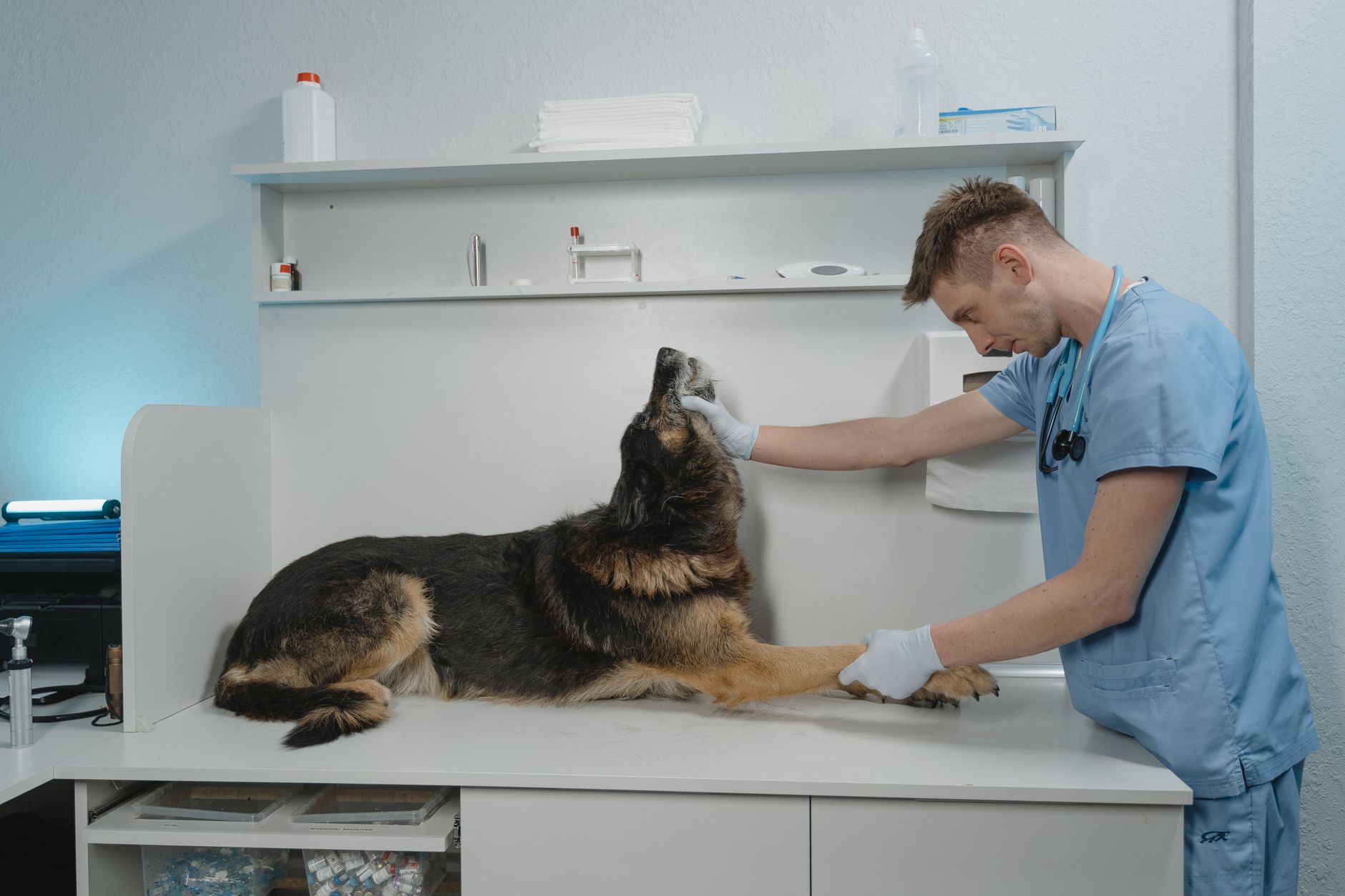
As a veterinarian, I highly respect the Bergamasco’s robust genetic makeup, which has benefited from centuries of functional, working-dog breeding rather than aesthetic over-selection. However, like all large breeds, they are prone to certain orthopedic and systemic conditions that prospective owners must screen for.
Hip Dysplasia
A hereditary condition where the femur doesn’t fit snugly into the pelvic socket, leading to progressive arthritis. In my practice, I insist on OFA or PennHIP clearances for both parent dogs before purchase.
Gastric Dilatation-Volvulus (Bloat)
A life-threatening medical emergency where the stomach fills with gas and twists on its axis, cutting off blood supply. This deep-chested breed is anatomically susceptible, especially if they eat too quickly or exercise right after meals.
Elbow Dysplasia
An inherited developmental abnormality of the elbow joint causing joint laxity and early-onset osteoarthritis. Early diagnosis via screening can help manage pain and preserve mobility.
Cataracts
An opacity of the lens of the eye that impairs vision and can lead to complete blindness if left untreated. Yearly ophthalmologist evaluations (CERF/CAER) are recommended for breeding stock.
How long do Bergamasco Sheepdogs typically live?
Despite their large size, they are remarkably long-lived and resilient, typically enjoying a lifespan of 13 to 15 years. Maintaining a lean body weight and providing regular low-impact exercise are the best clinical strategies to ensure they reach their upper age limit comfortably.
What to Feed a Bergamasco Sheepdog
Proper nutrition is critical to supporting the heavy bone structure and slow growth of a large breed like the Bergamasco. I always advise owners to monitor their body condition score closely, as their thick coat can easily mask unhealthy weight gain.
Best Diet
I recommend a high-quality, large-breed formula tailored to their specific life stage (puppy, adult, or senior). For puppies, it is vital to feed a large-breed puppy formula to ensure controlled growth, which helps mitigate developmental joint issues.
How to Feed
To prevent life-threatening bloat, divide their daily ration into two or three smaller meals rather than one large feeding. I strongly advise using a slow-feeder bowl and strictly avoiding strenuous exercise for at least one hour before and after meals.
How Much to Feed
Adults typically require 3 to 4 cups of high-quality kibble daily, depending on their activity level and metabolism. Because caloric needs vary greatly based on age, neuter status, and activity, you should consult your veterinarian to establish a precise feeding plan.
Nutritional Tips
Adding joint supplements like glucosamine, chondroitin, and Omega-3 fatty acids early in life can support joint health. Avoid overfeeding, as carrying even a few extra pounds puts unnecessary, dangerous strain on their skeletal system.
Bergamasco Sheepdog Grooming Guide
The Bergamasco’s coat is a marvel of nature, consisting of ‘flocks’ that develop naturally and protect them from weather extremes. Once the coat is fully formed, it is incredibly easy to maintain, but getting to that point requires a specific process.
Coat Care
At around one year of age, the coat must be manually torn or ‘ripped’ into flat mats (flocks) down to the skin—this process takes a few hours but only needs to be done once. After this initial division, you never brush the coat again; you simply separate any flocks that start to merge near the skin.
Skin Care
Because the felted flocks trap moisture, you must ensure the coat dries completely after swimming or bathing, which can take up to 48 hours; failure to dry thoroughly can lead to hot spots or yeast dermatitis. I advise checking the skin underneath the flocks regularly for signs of irritation.
Eye Care
The long hair over their eyes acts as a natural sunshade and protects their eyes from glare. You do not need to trim this hair, but you should regularly check for conjunctivitis or debris that may get trapped.
Ear Care
Their ears are covered in dense hair, which can restrict airflow and trap moisture, predisposing them to otitis externa. I recommend weekly cleanings with a vet-approved drying astringent and plucking or trimming excess hair inside the canal if recommended by your vet.
Nail & Dental Care
Trim nails every 3 to 4 weeks to prevent splaying of the feet and structural strain, and brush their teeth daily with veterinary toothpaste to combat periodontal disease.
Considerations for Pet Parents
Pros
- Remarkably healthy and long-lived for a large breed
- Calm, patient, and incredibly gentle with family children
- Virtually hypoallergenic and non-shedding once flocks are established
- Highly intelligent and capable of independent problem-solving
- Low day-to-day grooming once the initial coat setup is complete
- Naturally protective and vigilant guardian of the home
Cons
- Requires a highly specific, labor-intensive coat splitting process around age one
- Can be stubborn or independent, demanding an experienced handler
- Extremely sensitive to heat due to the heavy insulating coat
- Takes up to 48 hours to dry completely after getting wet
Best For
The Bergamasco is best for active families, homesteaders, or individuals who live in cooler climates, have a secure yard, and want a deeply loyal, highly intelligent companion that acts as a partner rather than a subservient pet.
Not Recommended For
They are not recommended for first-time dog owners, apartment dwellers with limited space, individuals living in extremely hot and humid tropical climates, or those who find the aesthetics of a felted, rustic coat unappealing.
Cost
- purchase price$1,800 – $3,000
- monthly cost$150 – $250
- initial setupInitial costs include crate, microchipping, puppy vaccinations, spay/neuter surgery, and potential professional grooming assistance to help split the coat at one year old, totaling around $1,500 to $2,500.
Similar Breeds


Bergamasco Sheepdog FAQs
Does a Bergamasco’s coat get dirty or smelly?
Surprisingly, no. The natural lanolin and the specific structure of the flocks actually repel dirt and water. While they can bring in leaves or twigs from outside, they do not have a typical ‘doggy’ odor, and dirt usually just falls off once dry.
Can you shave a Bergamasco Sheepdog?
I strongly advise against shaving a Bergamasco. Their felted coat acts as natural insulation against both extreme cold and extreme heat, while protecting them from sunburn and insect bites; shaving them ruins this protective barrier and can permanently alter the coat’s texture.
How often do you wash a Bergamasco?
They only need to be bathed two to three times a year, or when they are visibly dirty or smelly. Because the flocks act like sponges, the washing and rinsing process is labor-intensive, and drying can take anywhere from 24 to 48 hours using heavy-duty fans.
Are Bergamascos aggressive?
No, they are not naturally aggressive dogs. They are watchful, reserved, and naturally protective guardians who will alert you to strangers, but they are peaceful and calm by nature, only reacting if they perceive a genuine threat to their family.
Do their eyes get irritated by the hair hanging over them?
No, the hair over their eyes serves a biological purpose: it acts as a visor to protect their eyes from the glare of the alpine sun and snow. In my practice, I find that trying to clip this hair often leads to more irritation, as the shorter stubble can poke the eyeball.
Are they good in hot weather?
While their coat does provide some insulation against heat, they are an alpine breed and do not tolerate high humidity or extreme heat well. During hot summer months, they must have access to air conditioning, plenty of fresh water, and should only be exercised during the cooler early morning or late evening hours.
How much exercise does a Bergamasco need?
They require a moderate amount of daily exercise, typically around an hour of physical activity. A combination of a brisk walk, some backyard play, and mentally stimulating games like obedience or scent work will keep them physically fit and mentally satisfied.
Is the Bergamasco hypoallergenic?
While no dog is 100% hypoallergenic, the Bergamasco is often considered a great choice for allergy sufferers. Because their coat does not shed in the traditional sense, dander and dander-loaded hairs remain trapped within the felted flocks rather than floating in the air.
Do Bergamasco puppies have flocks?
No, Bergamasco puppies are born with a soft, fluffy coat that resembles a plush toy. The ‘goat hair’ and ‘wool’ undercoat begin to emerge around 8 to 12 months of age, which is when the coat naturally starts to clump and the matting/flocking process begins.
Can Bergamasco Sheepdogs swim?
They can swim, but it is not highly recommended once their adult coat is fully flocked. The felted coat acts like a giant sponge, absorbing massive amounts of water which makes the dog incredibly heavy in the water, posing a safety hazard, and takes days to dry.
Are they prone to separation anxiety?
They can develop separation anxiety if left completely isolated for long periods, as they are highly family-oriented dogs. However, because of their independent herding heritage, they are generally more self-reliant than other companion breeds, provided they feel integrated into the household.
How do you dry a wet Bergamasco?
Drying a Bergamasco requires patience, towels, and high-velocity pet dryers or floor fans. I recommend squeezing as much water out of the flocks as possible with dry towels, then setting up a comfortable area with fans where the dog can rest while the coat dries over 24 to 48 hours.