
Saluki Breed Guide

Quick Summary
The Saluki is an ancient, elegant sighthound that combines quiet, cat-like dignity indoors with explosive athletic speed outdoors. In my clinical practice, I find they thrive best with patient, low-key owners who can provide a securely fenced yard for sprinting while respecting their sensitive, independent nature.
As an Amazon Associate, we earn from qualifying purchases.
Popular with Saluki owners: Treat Pouch · Slicker Brush · Dog Food
Quick Facts
- origin countryFertile Crescent / Middle East
- breed groupHound
- sizeLarge (Slender)
- weight range35 to 65 pounds
- height range23 to 28 inches
- lifespan12 to 14 years
- coat typeSmooth or Feathered (long silky hair on ears, tail, and thighs)
- common colorsWhite, cream, fawn, golden, red, grizzle, black and tan, and tricolor
- other namesPersian Greyhound, Gazelle Hound, Tazi
- recognized byAKC, UKC, KC, FCI
Caring for a Saluki
Living with a Saluki is like sharing your home with a polite, highly athletic feline. Indoors, they are incredibly quiet, clean, and prone to nesting on the softest furniture they can find. However, the moment they spot prey outdoors, their predatory drive is instantaneous and absolute. In my clinic, I always warn owners that their recall is virtually non-existent when chasing, making a physically fenced yard non-negotiable.
Is a Saluki a good family pet?
Yes, for calm families who understand sighthound nature. They are gentle and quiet but can be overwhelmed by loud, chaotic households and are not prone to rough-and-tumble play.
Do Salukis shed a lot?
No, they are very light shedders. Their short body coat requires very little maintenance, though the feathered variety needs regular combing to prevent mats on the ears and tail.
Is a Saluki good for first-time owners?
Generally, no. Their extreme independence, intense prey drive, and sensitive nature make them a challenge for novices who may expect the instant obedience of a retriever.
Temperament & Personality
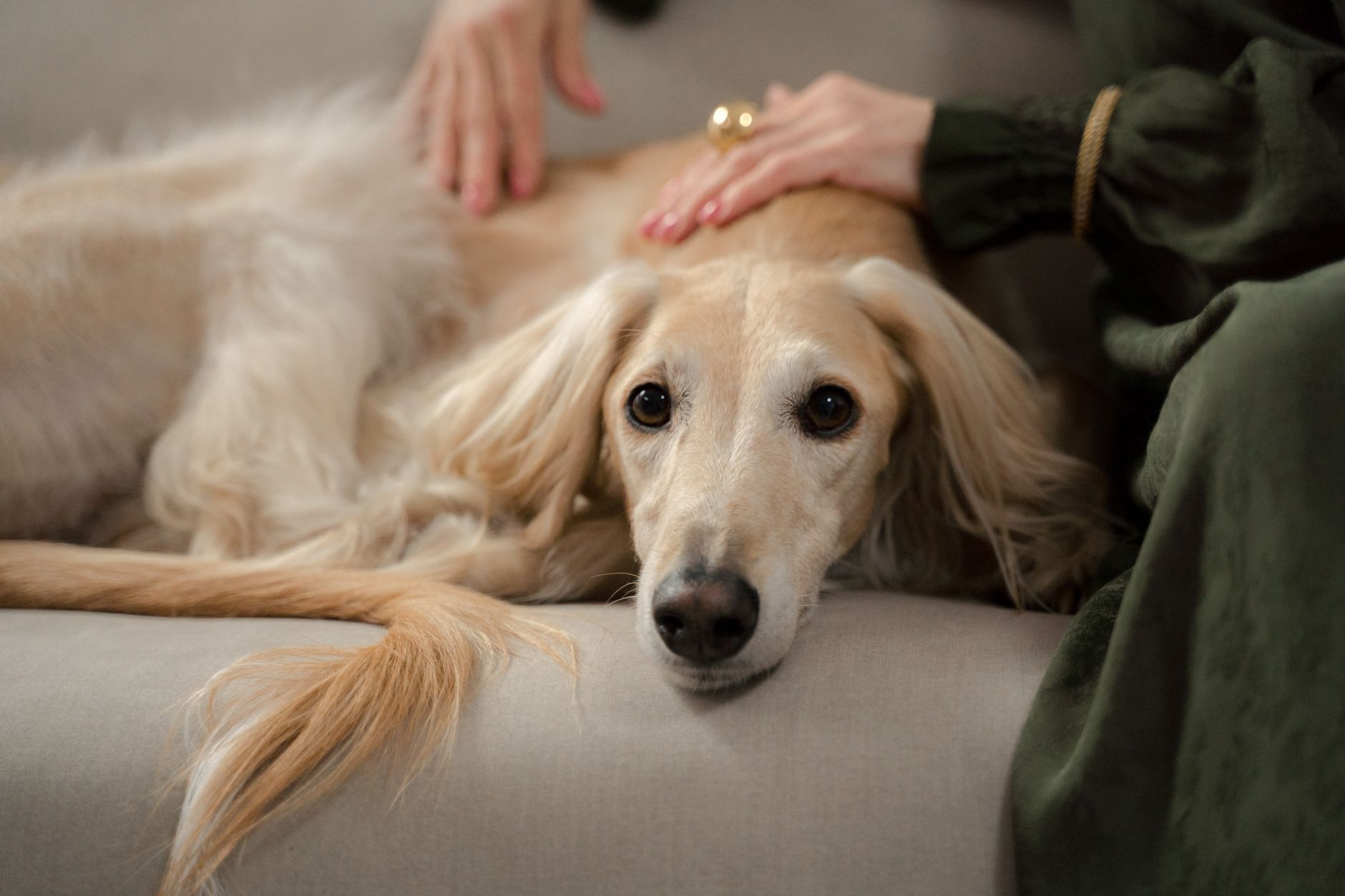
Salukis possess a calm, dignified, and somewhat aloof temperament. They are deeply bonded to their families but do not demand constant attention like some working breeds. They are notoriously sensitive to tension in the home and require a peaceful environment to thrive.
Is a Saluki good with other pets?
They can coexist beautifully with other medium-to-large dogs. However, their instinct to hunt is so deep-seated that they should never be trusted around small animals like cats or rabbits.
heouvo Magnetic Silicone Treat Pouch with Clicker
- ✓Magnetic closure opens and shuts one-handed
- ✓Food-grade, BPA-free silicone
- ✓Training clicker included
- A clip-on treat pouch keeps rewards at hand so you can mark good behaviour instantly
How much attention does a Saluki need?
While they enjoy being in the same room as you, they are not ‘velcro’ dogs. They prefer to quietly observe from a distance on a plush bed rather than demanding physical affection.
Training & Behavior
Training a Saluki requires a soft hand and infinite patience, as they do not possess the eager-to-please attitude of other breeds. They are highly sensitive to harsh corrections, which can cause them to shut down completely. I advise using strictly positive, reward-based methods focused on high-value treats and play.
Training Tips
- Use high-value food rewards like chicken or liver
- Keep training sessions short, under 10 minutes, to avoid boredom
- Never use physical corrections or raised voices
- Focus heavily on impulse control exercises from puppyhood
- Always assume they will ignore recall if they spot prey
Fun Activities
- Lure coursing
- Fast CAT (100-yard dash)
- Agility training
- Off-leash running in safely enclosed arenas
Is a Saluki easy to train?
They are highly intelligent but incredibly independent, meaning they learn commands quickly but will decide whether to obey based on the situation. Consistency and patience are key.
Saluki Health Issues
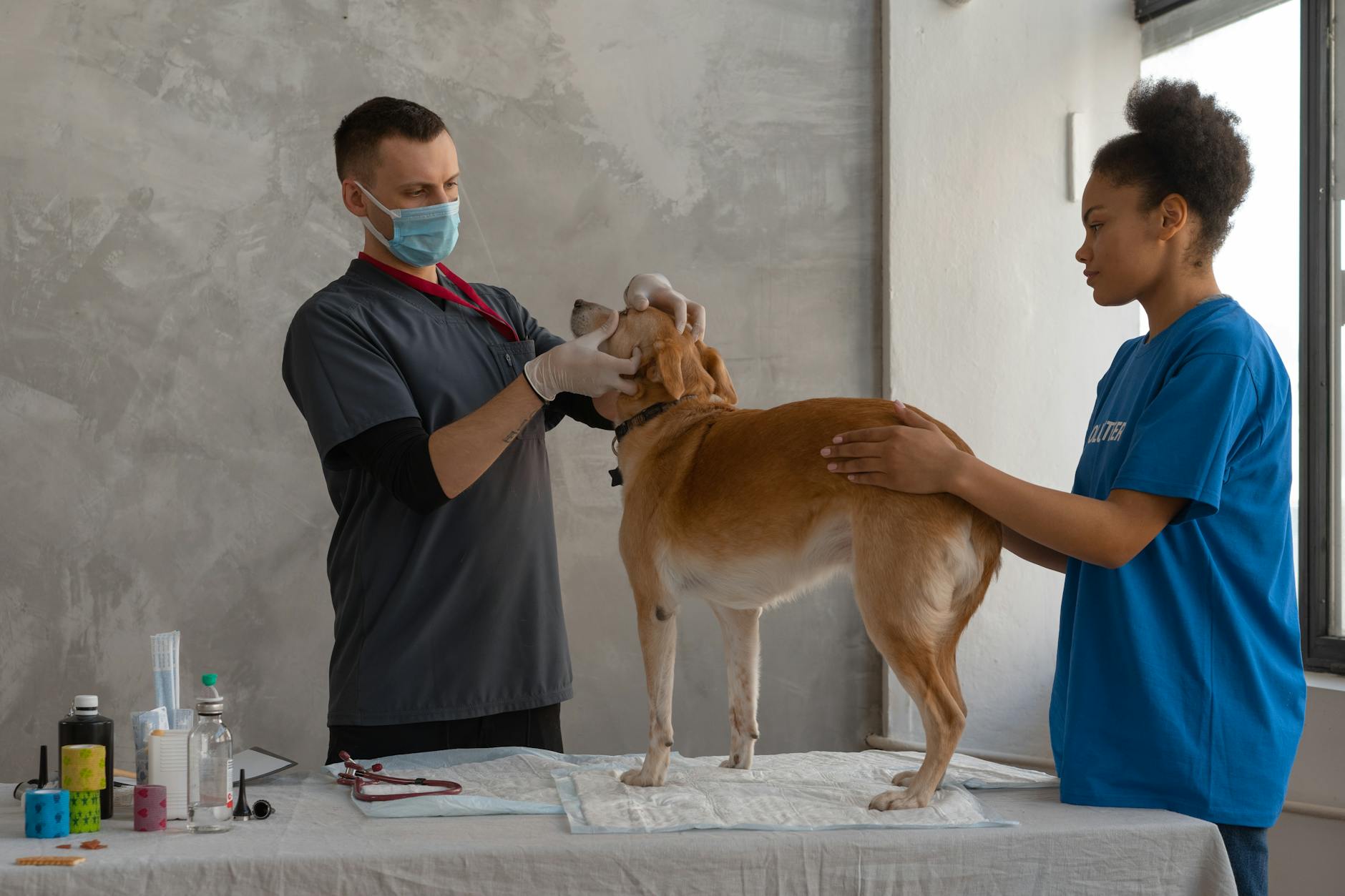
As an ancient breed, Salukis are remarkably robust and free from many of the genetic disasters of modern breeds, but they do have specific sighthound-specific vulnerabilities. In my veterinary practice, I pay close attention to cardiac screening, thin skin lacerations, and their extreme sensitivity to standard anesthetic agents.
Anesthesia Sensitivity
Like most sighthounds, Salukis have low body fat and unique liver metabolism, making them highly sensitive to standard anesthetics, especially barbiturates.
Cardiomyopathy (DCM)
This is a disease of the heart muscle that can lead to heart failure or sudden death, requiring periodic echocardiograms in breeding lines.
Hemangiosarcoma
A highly aggressive cancer arising from the lining of blood vessels, commonly affecting the spleen and heart in senior Salukis.
Hertzko Self-Cleaning Slicker Brush
- ✓Fine bent wire bristles reach through to the undercoat
- ✓Retractable bristles: one click drops the collected hair
- ✓Comfort-grip handle for longer grooming sessions
- ✓Works on long and short coats, dogs and cats
- Removes loose hair, tangles and dirt before they become mats
- Quick to clean, so regular brushing actually happens
Hypothyroidism
An underactive thyroid gland that leads to a slowed metabolism, though vets must note that sighthounds naturally have lower baseline thyroid levels than other breeds.
Gastric Dilation-Volvulus (GDV)
Also known as bloat, this is a life-threatening emergency where the deep-chested stomach fills with gas and twists on its axis.
How long do Salukis typically live?
With proper care, a healthy Saluki routinely lives between 12 and 14 years, which is quite impressive for a large dog breed.
What to Feed a Saluki
Feeding a Saluki can sometimes frustrate owners because they are naturally lean and can be incredibly picky eaters. It is vital not to overfeed them in an attempt to make them look like ‘normal’ dogs, as their skeletal frame is not built to carry excess weight.
Best Diet
A high-quality, nutrient-dense kibble formulated for large athletic breeds is ideal. I often recommend diets with joint support (glucosamine and chondroitin) to assist their highly active joints.
How to Feed
I highly recommend feeding two to three smaller meals a day rather than one large meal to help reduce the risk of life-threatening bloat (GDV). Avoid vigorous exercise for at least an hour before and after meals.
How Much to Feed
Portion sizes typically range from 2 to 3.5 cups of premium dry food daily, but this must be tailored to their individual activity level. You should always be able to feel their ribs easily under their thin skin.
Nutritional Tips
If your Saluki is a picky eater, adding a spoonful of warm bone broth or wet food can entice them. Ensure they always have access to fresh water, especially after high-speed runs.
Saluki Grooming Guide
Salukis are remarkably low-maintenance dogs when it comes to grooming and possess almost no ‘doggy odor.’ They are naturally clean self-groomers, often compared to cats in their personal hygiene habits.
Coat Care
For feathered Salukis, brush the long hair on the ears, tail, and thighs twice a week to prevent matting. Smooth Salukis only need a weekly wipe-down with a hound glove to remove dead hair.
Skin Care
Because their skin is incredibly thin and they have very little body fat, they are prone to scrapes and tears during runs; inspect their skin after every outdoor outing.
Eye Care
Generally, Salukis have healthy eyes, but regular inspections for debris after running through brush are highly recommended.
Ear Care
Their long, pendant ears can trap moisture and debris, so check them weekly and clean with a vet-approved ear flush if you notice wax buildup.
Nail & Dental Care
Keep their nails trimmed very short to prevent splaying or splitting during high-speed runs, and brush their teeth at least three times a week.
Considerations for Pet Parents
Pros
- Extremely quiet and clean in the house
- Gentle, polite, and respectful demeanor
- Minimal grooming needs and very little odor
- Stunningly beautiful and athletic
- Not prone to excessive barking
- Loyal and deeply bonded to their family
Cons
- Intense prey drive makes off-leash work dangerous
- Aloof and distant with strangers
- Extremely sensitive to stress and loud environments
- Can be very picky eaters
- Sighthound anesthesia sensitivity requires specialized care
Best For
The ideal owner is a calm, patient individual or family with sighthound experience, who possesses a large yard secured by at least a six-foot fence and understands that this breed cannot be trained with force.
Not Recommended For
They are not recommended for busy, chaotic households, apartment dwellers without access to safely enclosed running spaces, or owners who expect instant obedience and a highly social, outgoing dog.
Cost
- purchase price$1,500 to $2,500
- monthly cost$150 to $250
- initial setupInitial setup can be higher due to the necessity of secure 6-foot fencing, specialized martingale collars, and high-quality, plush bedding to protect their bony pressure points.
-
Purina Pro Plan Sensitive Skin & Stomach Dog Food, SalmonA complete, balanced diet matched to your dog’s size and age is the foundation of a healthy coat, gut and energy level
-
Bedsure Orthopedic Dog Bed, Egg-Crate FoamCushions hips and joints in large, senior or dysplasia-prone dogs
-
Taglory Rope Dog Leash, 6 ftA sturdy, comfortable leash is the everyday basic for safe walks and training
Similar Breeds


Related Dog Guides
Saluki FAQs
Why does my Saluki look so skinny? Are they malnourished?
No. Salukis are naturally lean, cursorial hunters built for extreme speed. Clinically, it is normal to easily feel their ribs and see the tips of their hip bones; overfeeding them to look ‘plump’ is actually detrimental to their joints.
Can Salukis live in apartments?
They can adapt to apartment living if they are given daily opportunities for explosive runs in securely fenced areas. Indoors, they are calm ‘couch potatoes,’ but they cannot rely on leash walks alone for their exercise.
Why can’t I let my Saluki off-leash in an open park?
Their visual acuity and prey drive are so highly developed that they will spot a squirrel hundreds of yards away and sprint at speeds up to 40 mph before you can react. They do not have a reliable recall when hunting.
Do Salukis need a special collar?
Yes. Because a Saluki’s neck is wider than their narrow head, they can easily slip out of standard buckle collars. I clinically recommend a wide, padded martingale collar to prevent escapes and protect their delicate tracheas.
How do Salukis tolerate cold or hot weather?
Originating in the Middle East, they tolerate heat surprisingly well, though they need shade and fresh water. Conversely, because of their extremely low body fat and thin coats, they are highly sensitive to the cold and need sweaters or coats in the winter.
Are Salukis prone to separation anxiety?
They can be. While independent, they are deeply bonded to their humans and do not thrive if left alone for very long periods of time. Crate training should be done very gently from puppyhood.
How high can a Saluki jump?
They are incredibly athletic jumpers. A Saluki can easily clear a five-foot fence from a standing position. I always recommend a secure, solid fence that is at least six feet high to keep them safely contained.
Do Salukis bark a lot?
No, Salukis are one of the quietest breeds. They rarely bark, though they may emit a unique ‘singing’ howl when happy or communicate with soft whines.
Why are Salukis so sensitive to anesthesia?
Sighthounds possess lower body fat percentages, which affects how fat-soluble anesthetics are distributed. They also have different hepatic pathways, making it vital to use sighthound-safe anesthesia protocols under veterinary supervision.
Can Salukis co-exist with cats?
It is highly risky. While some Salukis can learn to tolerate an indoor cat they have been raised with since puppyhood, their chase instinct is easily triggered. They should never be left unsupervised with small pets.
How often do Salukis need to run?
They need a chance to sprint at full speed two to three times a week in a safely enclosed area. Daily long walks are necessary, but they do not satisfy their biological urge for high-speed running.
What is the difference between a smooth and feathered Saluki?
The only difference is the coat. Feathered Salukis have long, silky fringe on their ears, tail, and legs, while smooth Salukis have short, uniform hair across their entire body. Their temperaments and health profiles are identical.