
Ibizan Hound Breed Guide

Quick Summary
A striking, ancient sighthound built for athletic agility and speed, the Ibizan Hound combines an independent, cat-like nature at home with an explosive prey drive outdoors. In my clinical experience, they thrive best in active households with experienced owners who can guarantee escape-proof, high-fenced yards and appreciate a sensitive, deeply loyal companion.
As an Amazon Associate, we earn from qualifying purchases.
Popular with Ibizan Hound owners: Slicker Brush · Dog Food · Treat Pouch
Quick Facts
- origin countrySpain
- breed groupHound
- sizeLarge
- weight range45 – 65 lbs
- height range22.5 – 27.5 inches
- lifespan11 – 14 years
- coat typeSmooth or Wire-haired
- common colorsRed, White, or Red and White
- other namesPodenco Ibicenco, Ca Eivissenc
- recognized byAKC, UKC, FCI
Caring for a Ibizan Hound
Living with an Ibizan Hound is a study in contrasts: they are absolute couch potatoes indoors but turn into lightning-fast, high-jumping athletes the moment they step outside. In my practice, I emphasize to new owners that their yard must have a secure, six-foot fence, as this breed can easily clear heights that would stun most dog owners from a standstill. They possess an intense prey drive, meaning off-leash freedom in open spaces is never safe. However, their clean habits, quiet demeanor, and affectionate bonds make them incredibly rewarding, low-maintenance housemates.
Is a Ibizan Hound a good family pet?
Yes, they make wonderful, gentle family pets for households with older, respectful children who understand their sensitive nature. In my practice, I find they bond deeply with their core family unit, though they can be quite polite yet aloof with visiting strangers.
Do Ibizan Hounds shed a lot?
No, they are relatively low-to-moderate shedders. Whether they have the smooth or wire coat, a quick weekly brush with a rubber mitt or slicker brush is usually more than enough to manage their hair shedding.
Is a Ibizan Hound good for first-time owners?
I generally do not recommend the Ibizan Hound for first-time dog owners. Their combination of extreme leaping ability, independent sighthound mindset, and intense prey drive requires experienced handling and consistent, positive management.
Temperament & Personality
The Ibizan Hound is highly independent, deeply sensitive, and surprisingly clownish when comfortable. While they present a noble, quiet facade in public, at home they are playful, affectionate, and sometimes outright goofy. Because they are highly sensitive to their environment, they do not tolerate harsh training methods or high-conflict homes. In my clinic, I often observe them leaning quietly against their owners for comfort, showing their quiet, understated devotion.
Pecute Skin-Friendly Self-Cleaning Slicker Brush
- ✓Instant hair-ejection button
- ✓Made for heavy shedders and sensitive skin
- ✓Works on cats and dogs
- Fine wire pins lift loose undercoat and work out small tangles before they turn into mats
Is a Ibizan Hound good with other pets?
They usually get along very well with other medium-to-large dogs in the household. However, because of their ancient hunting instincts, I strongly warn owners against keeping them with cats, rabbits, or other small pocket pets, as they will view them as prey.
How much attention does a Ibizan Hound need?
They love being close to their families and will happily lounge on the sofa with you, but they are not overly needy or demanding ‘velcro’ dogs. They balance their affectionate nature with a healthy, typical sighthound independence.
Training & Behavior
Training an Ibizan Hound requires patience, consistency, and highly motivating, positive-reinforcement techniques. Because of their independent nature, they will ignore repetitive drills and shut down under harsh, punitive discipline. I tell my clients that they are highly intelligent but will always ask ‘what is in it for me?’ before complying.
Training Tips
- Keep training sessions short, fun, and highly rewarding.
- Use high-value treats like freeze-dried liver or cheese.
- Never use physical corrections or raised voices with this sensitive breed.
- Practice recall in safely enclosed environments, but never rely on it off-leash.
- Socialize extensively from puppyhood to prevent aloofness from becoming timidity.
Fun Activities
- Lure Coursing
- Agility Training
- Nosework or Scent Work
- Hiking on a long line
- Flyball
Is a Ibizan Hound easy to train?
They are highly intelligent and learn commands quickly, but they are not traditionally ‘easy’ to train because of their independent streak. They lack the eager-to-please attitude of retrievers and require creative, positive rewards to stay engaged.
Ibizan Hound Health Issues
The Ibizan Hound is a remarkably hardy and robust breed, largely due to their history as functional, rustic working dogs. However, they do have a few hereditary conditions and physiological sensitivities that I monitor closely in my clinical practice.
Anesthesia Sensitivity
Like most sighthounds, Ibizans have very low body fat and unique liver pathways, meaning they metabolize anesthetics and barbiturates very slowly. Standard veterinary protocols must be adjusted safely for this breed.
Autoimmune Thyroiditis
This hereditary disease occurs when the immune system attacks and destroys the thyroid gland, leading to hypothyroidism.
Purina Pro Plan Sensitive Skin & Stomach Dog Food, Salmon
- ✓Real salmon is the first ingredient
- ✓Oatmeal is gentle on sensitive stomachs
- ✓Live probiotics for digestive and immune health
- A complete, balanced diet matched to your dog’s size and age is the foundation of a healthy coat, gut and energy level
Allergies & Atopic Dermatitis
Ibizan Hounds can have highly sensitive skin that is prone to environmental allergies, leading to discomfort and chronic inflammation.
Axonal Dystrophy
A rare but serious genetic neurological disease that affects coordination, nerve transmission, and muscular control in young dogs.
Gastric Dilatation-Volvulus (GDV/Bloat)
Their deep-chested build puts them at risk for GDV, a life-threatening emergency where the stomach fills with gas and twists on itself.
How long do Ibizan Hounds typically live?
With proper nutrition, preventative veterinary care, and adequate protection from cold weather, an Ibizan Hound typically lives between 11 and 14 years.
What to Feed a Ibizan Hound
Feeding an Ibizan Hound requires a balance of high-quality nutrition to support their lean muscle mass while taking precautions against their anatomical risk for bloat. I recommend high-quality, animal-protein-first formulations.
Best Diet
An ideal diet is a premium, large-breed adult formula rich in high-quality animal proteins. Owners should avoid grain-free diets unless medically advised by their vet, due to potential correlations with canine heart disease.
How to Feed
Always split their daily food allowance into two or three smaller meals rather than one large feeding. Restrict vigorous exercise, running, and heavy drinking for at least one hour before and after meals to reduce the risk of bloat.
How Much to Feed
Adult Ibizan Hounds typically require 2 to 3 cups of high-quality kibble per day, but portions vary by age and activity level. Consult your veterinarian to calculate exact caloric needs based on a target Body Condition Score (BCS) of 4 out of 9.
Nutritional Tips
Incorporate joint-supporting nutrients like glucosamine, chondroitin, and omega-3 fatty acids (EPA/DHA) early in life to support their high-impact athletic joints.
Ibizan Hound Grooming Guide
Grooming an Ibizan Hound is exceptionally straightforward, making them one of the easiest breeds to maintain. They are naturally clean, self-grooming dogs with virtually no typical doggy odor.
Coat Care
For smooth-coated Ibizans, a weekly brush with a rubber curry glove is all that is needed. Wire-haired individuals require a weekly brushing with a slicker brush and occasional hand-stripping to keep the wire coat crisp.
Skin Care
Their thin skin is highly vulnerable to scrapes, tears, and sunburn. Check their body for minor wounds after field exercise, and use pet-safe sunscreens on light skin if outdoors for extended periods.
Eye Care
Their eyes are generally clean and trouble-free; simply wipe away any mild tearing or morning sleep with a soft, damp cloth.
Ear Care
Their large, upright ears naturally enjoy excellent air circulation, but should still be wiped out bi-weekly with a vet-approved ear cleanser to prevent wax buildup.
Nail & Dental Care
Their nails grow incredibly fast and must be dremeled or clipped weekly to prevent joint strain. Brush their teeth two to three times a week with canine-safe enzymatic toothpaste.
Considerations for Pet Parents
Pros
- Remarkably clean with virtually no doggy odor
- Quiet and calm housemates who rarely bark
- Gentle, sensitive, and deeply affectionate with family
- Stunning, gravity-defying athletic capabilities
- Generally healthy and long-lived for a large breed
- Charming and amusingly goofy personality at home
Cons
- Extremely high prey drive makes off-leash walking unsafe
- Capable of clearing a 6-foot fence from a standstill
- Cannot live safely with cats or small pocket pets
- Highly sensitive to cold and requires winter clothing
- Can be polite but aloof and reserved with strangers
Best For
Active, experienced owners with a spacious, securely fenced yard (6-foot minimum) who appreciate the unique, independent temperament of sighthounds.
Not Recommended For
Apartment dwellers without access to safely enclosed running fields, households with outdoor cats or small animals, or those looking for an eager-to-please, off-leash companion.
Cost
- purchase price$1,500 – $2,500
- monthly cost$150 – $250
- initial setupUpfront costs will be higher due to the immediate need for a highly secure 6-foot fence, martingale collars, and high-quality winter coats or fleeces.
-
AMZNOVA Dog Treat PouchA clip-on treat pouch keeps rewards at hand so you can mark good behaviour instantly
-
Tractive Smart Dog GPS TrackerShows your dog’s location on your phone, a real safeguard for escape artists and dogs with a strong prey drive
-
FUAMEY Fleece Dog Winter Coat with HarnessKeeps short-coated, slim and small dogs warm on cold or wet walks
Similar Breeds
Pharaoh Hound

Cirneco dell’Etna
Related Dog Guides
Ibizan Hound FAQs
Do Ibizan Hounds get cold easily?
Yes, their thin coats and extremely low body fat mean they have very little insulation. In cold weather, they will absolutely need high-quality sweaters, coats, and indoor blankets to stay warm and comfortable.
Why do Ibizan Hounds need a Martingale collar?
Because sighthound heads are narrower than their necks, they can easily back out of a standard flat collar when startled. A martingale collar gently tightens to prevent escape without choking the dog.
How high can an Ibizan Hound jump?
They are famous for their vertical leap and can easily clear 5 to 6 feet from a standing position. A secure, solid 6-foot fence is the absolute minimum requirement to safely contain them.
Are Ibizan Hounds hypoallergenic?
No, they are not hypoallergenic. While they are clean and shed relatively little, they still produce dander and saliva which can trigger allergies in sensitive individuals.
Can an Ibizan Hound go off-leash in public?
I strongly advise against ever letting an Ibizan Hound off-leash in an unfenced area. Their prey drive is so intense that once they spot a target, their hunting instinct overrides all training and recall commands.
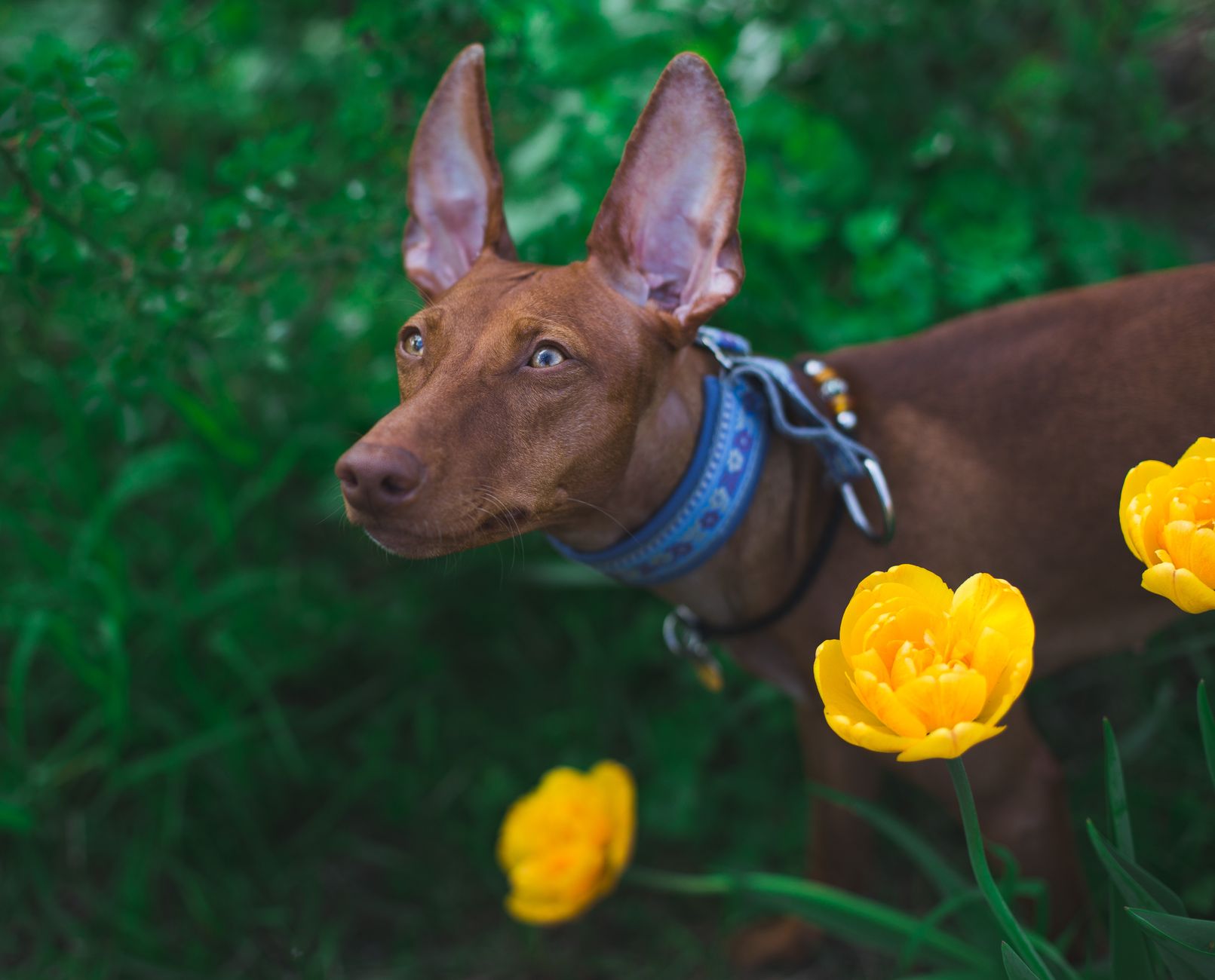
Why are their ears so large?
Their large, mobile, upright ears act like radar dishes, allowing them to hunt by sound as well as sight and scent—a unique hunting style that distinguishes them from pure sighthounds.
Do Ibizan Hounds bark a lot?
No, they are generally very quiet dogs. They may bark to alert you of a stranger at the door or during high-excitement play, but they are not known as nuisance barkers.
Is the wire-haired Ibizan Hound different in personality?
No, the smooth and wire-coated varieties share the exact same temperament, intelligence, and athletic drive. The only difference is the physical texture of their coat and minor grooming variations.
Are they prone to skin issues?
Yes, because of their thin skin and short coats, they are more susceptible to cuts, scrapes, and environmental allergies. Checking their skin after outdoor runs is a must.
Can they live in apartments?
While they are quiet and calm indoors, they generally need a securely fenced yard to run safely. They can only adapt to apartment life if you are highly committed to multiple long walks and regular visits to fully enclosed, safe dog parks.
Are they easy to socialize?
They are naturally polite but reserved and aloof with strangers. Early, positive socialization with a variety of people, sights, and sounds is critical to prevent their natural aloofness from turning into timidity.
Are they good jogging partners?
Yes, once they are skeletally mature (around 18 to 24 months), they make fantastic jogging partners. However, always consult your vet before starting a running regimen to protect their growing joints.
Sources & Further Reading
- American Kennel Club (AKC)
- ASPCA
- Merck Veterinary Manual
- American Veterinary Medical Association (AVMA)