
Cornish Rex Breed Guide
Quick Summary
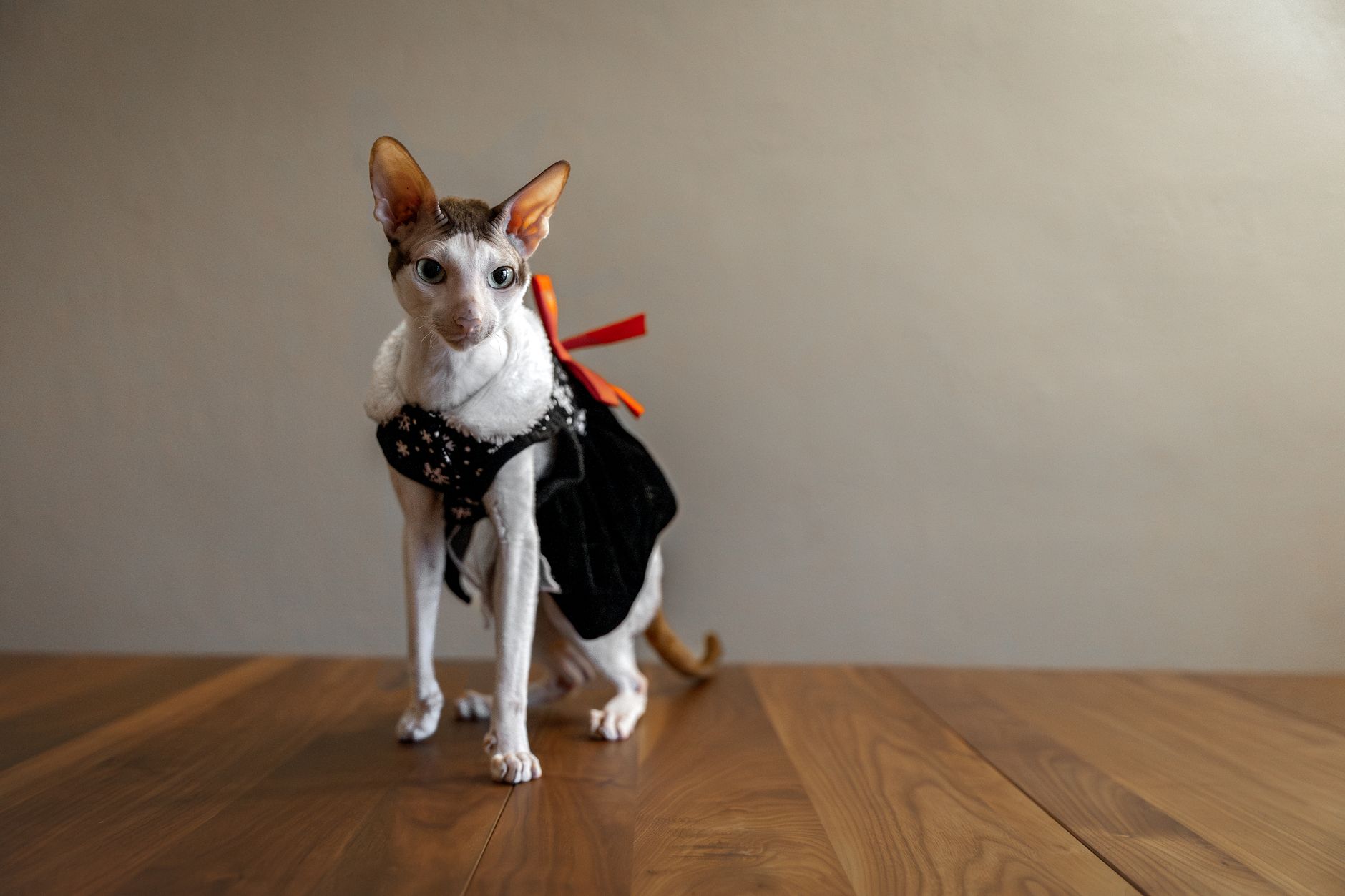
The Cornish Rex is an incredibly athletic, affectionate, and high-energy breed known for its distinctive wavy, velvet-like coat and oversized ears. Best suited for active households that can provide constant companionship, these ‘velcro cats’ thrive when they are at the center of family life. In my experience, they are more like energetic acrobats than standard lap cats.
Quick Facts
- origin countryEngland (Cornwall)
- breed groupRex
- sizeSmall to Medium
- weight range6 to 10 pounds (females: 5-8 lbs, males: 8-10 lbs)
- height range8 to 12 inches
- lifespan11 to 15+ years
- coat typeShort, crimped/wavy, lacking guard hairs
- common colorsAll colors and patterns including solid, tabby, tortoiseshell, and pointed
- other namesNone
- recognized byCFA, TICA, FIFe, GCCF, ACFA
Caring for a Cornish Rex
Living with a Cornish Rex is like having a perpetual toddler wrapped in warm, crimped velvet. They are incredibly active, constantly seeking out high perches, warm laps, and human interaction. Because they lack a standard insulating double coat, you’ll need to protect them from both cold drafts and direct sunburn. In my experience, keeping their skin and ears clean is the most unique aspect of their day-to-day care, as their oils accumulate quickly.
Is a Cornish Rex a good family pet?
Absolutely, they thrive in active, busy households where there is always something going on. Their playful, social nature means they love interacting with children who know how to handle them gently. I’ve found they easily form close, loving bonds with every member of the family rather than just one person.
Do Cornish Rexs shed a lot?
No, they shed very little because they lack outer guard hairs, making them a popular choice for people who dislike finding cat hair on furniture. However, they are not completely hypoallergenic; they still produce dander and saliva, which can trigger allergies. You will, however, notice less hair on your clothes compared to standard breeds.
Is a Cornish Rex good for first-time owners?
They can be, but only if you are fully prepared for a highly energetic, demanding companion. Unlike more independent breeds, they require a lot of interactive play and mental stimulation. If you want a quiet, low-maintenance ‘couch potato’ cat, this breed will likely overwhelm you.
Temperament & Personality
The Cornish Rex is famously described as the ‘whippet’ of the cat world, both in their sleek, arched-back appearance and their explosive athletic energy. They are incredibly social, outgoing, and affectionate cats who refuse to be ignored. In my years working with them, I’ve found they retain their clownish, kitten-like playfulness well into their senior years. They are ‘velcro’ cats in every sense, preferring to ride on your shoulders or curl up directly under your shirt for warmth.
Is a Cornish Rex good with other pets?
Yes, their highly social nature makes them excellent companions for other pets, including dogs and other cats. They actually prefer having a playmate to burn off energy with when you are not home. I always recommend introducing them slowly, but they generally adapt incredibly fast to multi-pet dynamics.
How much attention does a Cornish Rex need?
They need a significant amount of daily interaction and do not do well when left alone for long periods. If you work long hours away from home, a Cornish Rex will likely become lonely and distressed unless they have another active pet companion. They expect to participate in everything you do, from cooking dinner to working on your laptop.
Training & Behavior
Highly intelligent and eager to please, the Cornish Rex is one of the most trainable cat breeds you will ever encounter. They learn tricks quickly, respond beautifully to positive reinforcement, and love the mental challenge of interactive training. In my experience, they can easily be taught to fetch small toys and will perform complex acrobatics just to get a reaction (and a treat) from their favorite humans.
Training Tips
- Use high-value, small treats to motivate them during short, fun training sessions.
- Incorporate clicker training to teach complex behaviors like fetching or agility courses.
- Set clear boundaries early to prevent them from jumping onto kitchen counters, as they love high perches.
- Always use positive reinforcement; harsh corrections will damage their sensitive and trusting nature.
- Channel their high intelligence into puzzle feeders to prevent boredom-based mischief.
Fun Activities
- Playing fetch with crinkle balls or soft mice
- Learning to walk on a harness and leash for outdoor adventures
- Navigating home agility courses made of boxes and tunnels
- Solving advanced treat puzzle toys
- Chasing feather wands and laser pointers to showcase their vertical leaps
Is a Cornish Rex easy to train?
Yes, they are exceptionally easy to train compared to most cats because of their high intelligence and toy drive. They treat training sessions like a game and are always eager to earn your praise and treats. I’ve successfully taught them to fetch, sit on command, and even high-five with very little effort.
Cornish Rex Health Issues
The Cornish Rex is a generally robust and healthy breed with a long lifespan, but they do have a few genetic and physical vulnerabilities. Because of their unique coat structure and athletic build, they require specific attention to their skin, heart, and joints. I always urge prospective owners to buy from breeders who screen their lines for congenital conditions.
Hypertrophic Cardiomyopathy (HCM)
This is the most common form of heart disease in cats, causing a thickening of the heart muscle walls. While genetic, it can be screened for via annual echocardiograms.
Patellar Luxation
A hereditary condition where the kneecap slips out of its normal position, common in active, fine-boned breeds like the Cornish Rex. Mild cases can be managed with supplements, while severe cases may require surgery.
Congenital Hypotrichosis
Also known as hereditary baldness, this condition causes thinning hair or patches of complete hairlessness. While not painful or dangerous, it requires extra care to protect the skin.
Seborrhea and Skin Infections
Because they lack guard hairs to absorb skin oils, these oils can pool in their skin folds and cause irritation, yeast infections, or dermatitis.
Anesthetic Sensitivity
Due to their low body fat and unique metabolism, Cornish Rexes can be highly sensitive to certain anesthetics. This is a crucial factor for vets to keep in mind during routine procedures like spaying or neutering.
How long do Cornish Rexs typically live?
With proper care, regular veterinary checkups, and an indoor lifestyle, Cornish Rexes typically live between 11 and 15 years, though many reach 18 to 20 years. To maximize their lifespan, keep them at a healthy weight to avoid strain on their fine-boned joints and schedule annual vet screenings.
What to Feed a Cornish Rex
Don’t let their delicate, slender build fool you; Cornish Rexes have a ravenous appetite driven by a very high metabolic rate and an active lifestyle. They burn calories quickly just keeping themselves warm due to their thin coats. I always advise owners to monitor their intake closely, as they will gladly overeat if given the opportunity.
Best Diet
A high-protein, moderate-fat wet or dry diet is ideal to support their active muscles and high energy levels. I highly recommend incorporating wet food daily to ensure they get adequate hydration, which supports their kidney and urinary health.
How to Feed
Establish a consistent twice-daily feeding schedule rather than free-feeding, as their high food drive can lead to rapid weight gain if they sit around. Use puzzle feeders or foraging toys to slow down fast eaters and provide mental stimulation.
How Much to Feed
Portion sizes should be tailored to their specific weight, age, and activity level; typically, an adult Cornish Rex needs about 200-250 calories per day, but you should consult your veterinarian to establish a precise portion plan.
Nutritional Tips
Look for diets rich in Omega-3 and Omega-6 fatty acids to support their skin barrier, which is their first line of defense against irritation. Avoid foods with heavy fillers, as their fast-moving digestive systems process high-quality animal proteins best.
Cornish Rex Grooming Guide
Grooming a Cornish Rex is quite different from grooming a standard cat, as their delicate, wavy coats require very little brushing but their skin and ears need frequent attention. Because they lack guard hairs to wick away sebum, they can become greasy and prone to skin issues. I always emphasize that regular, gentle maintenance is the key to keeping them smelling fresh and feeling comfortable.
Coat Care
Never use harsh brushes on a Cornish Rex, as you can easily damage their fragile waves or scratch their skin; instead, gently wipe them down with a soft chamois cloth or a very soft baby brush once a week.
Skin Care
They require periodic bathing (typically every 2 to 4 weeks, depending on the individual cat’s oil production) using a gentle, vet-approved cat shampoo to prevent greasy buildup and skin infections.
Eye Care
Wipe the corners of their eyes weekly with a damp, soft cloth to remove any minor discharge, using a separate clean area of the cloth for each eye.
Ear Care
Their large, open ears easily trap dirt and wax, requiring weekly cleaning with a vet-approved ear-cleaning solution and a cotton pad to prevent painful yeast infections.
Nail & Dental Care
Clip their claws every 10-14 days, making sure to clean the greasy black residue that often builds up around their claw sheaths, and brush their teeth daily with cat-safe toothpaste to prevent periodontal disease.
Considerations for Pet Parents
Pros
- Incredibly affectionate ‘velcro’ personality
- Very minimal shedding compared to standard cats
- Highly playful and energetic even into senior years
- Extremely smart and highly trainable
- Gets along wonderfully with other pets and children
Cons
- Prone to feeling cold and requires a warm home environment
- Skin requires regular bathing and ear cleaning to manage oils
- Highly demanding of attention and can get lonely easily
- Very high energy levels can be exhausting for some owners
Best For
Active families, work-from-home professionals, or multi-pet households who want a highly interactive, dog-like cat and are willing to dedicate time to daily play and routine skin maintenance.
Not Recommended For
Busy individuals who are away from home for long stretches, those seeking a quiet and independent lap cat, or anyone looking for a completely hands-off grooming routine.
Cost
- purchase price$1,000 to $2,500
- monthly cost$80 to $150
- initial setupExpect to spend $400 to $800 initially on high-quality cat trees, heated cat beds (essential for this warm-seeking breed), scratching posts, litter boxes, and initial veterinary checkups.
Similar Breeds

Devon Rex

Sphynx
Cornish Rex FAQs
Are Cornish Rex cats hypoallergenic?
While often marketed as hypoallergenic, Cornish Rexes are not completely allergen-free. They produce the Fel d 1 protein in their saliva, dander, and sebaceous glands just like other cats. However, because they shed very little hair, many mild allergy sufferers find them much easier to live with.
Do Cornish Rex cats get cold easily?
Yes, because they lack the thick protective guard hairs of a normal cat coat, Cornish Rexes feel the cold intensely. You will often find them seeking out the warmest spots in the house, such as on top of electronic appliances, in sunny window spots, or snuggled deep under your blankets.
Do Cornish Rex cats need to wear clothes?
Many Cornish Rex owners choose to dress their cats in sweaters during the colder months to help them retain body heat. If you do this, make sure the clothing is soft, fits comfortably without restricting movement, and is washed regularly to prevent skin oils from building up underneath.
Why does my Cornish Rex smell like cheese or yeast?
If your Cornish Rex has a slightly yeasty or cheesy smell, it is usually due to a buildup of natural skin oils (sebum) in their skin folds, paws, or ears. Regular bathing with a gentle, vet-recommended cat shampoo and routine ear cleaning will easily keep this odor under control.
Are Cornish Rex cats vocal?
They are moderately vocal, often using a sweet, chirpy voice to communicate their needs rather than a loud, persistent meow. They will definitely ‘talk’ to you when they want food, attention, or a warm lap to snuggle into, making them very engaging companions.
Can a Cornish Rex go outside?
I strongly recommend keeping your Cornish Rex strictly indoors. Because of their thin coats, they are highly susceptible to sunburn, hypothermia, and skin damage, not to mention the standard outdoor risks of traffic, predators, and infectious diseases.
Why does my Cornish Rex have patches of baldness?
It is not uncommon for some Cornish Rexes to experience temporary or permanent thinning hair, a condition known as hypotrichosis. This is a genetic trait associated with the breed and is entirely cosmetic, though you must take extra care to protect their exposed skin from sunburn and cold drafts.
Do Cornish Rex cats like to cuddle?
Yes, they are absolute champions of cuddling. They are highly affectionate ‘velcro cats’ who will seek out physical contact at every opportunity, whether that means riding on your shoulders, sitting on your chest, or burrowing under the bedsheets with you.
How do I bathe my Cornish Rex?
To bathe your Cornish Rex, use lukewarm water in a shallow sink and a mild, soap-free cat shampoo. Gently massage their skin, avoiding their eyes and ears, rinse thoroughly, and immediately wrap them in a warm, dry towel to prevent shivering.
Why do Cornish Rex cats have curly whiskers?
Yes, Cornish Rexes actually have short, brittle, and curled whiskers, which is a hallmark of the genetic mutation that causes their curly coat. Because their whiskers are delicate, they can sometimes snap off easily, but they will grow back naturally.
How high can a Cornish Rex jump?
They are incredibly powerful jumpers with long, muscular hind legs similar to a greyhound or whippet. They can easily leap from the floor to the top of a refrigerator or high bookshelf in a single bound, so expect to find them in high places.
Do they get along with dogs?
In my experience, Cornish Rexes get along famously with dogs, provided the dog is cat-friendly. Their bold, playful, and confident nature means they are rarely intimidated by dogs, and they often enjoy playing chase or curling up together for warmth.
What is the difference between a Cornish Rex and a Devon Rex?
While both have curly coats, they have different genetic mutations; the Cornish Rex has a wavy coat lacking guard hairs and a narrow head, while the Devon Rex has a shorter, more rippled coat with some guard hairs and a broader, pixie-like face. If you cross them, the kittens will actually have straight hair.
Do Cornish Rex cats sweat?
Like all cats, Cornish Rexes do not sweat through their skin in the way humans do; instead, they cool down primarily by panting and releasing heat through their paw pads. However, because of their high oil production, their skin can feel damp or greasy to the touch, which some owners mistake for sweat.