
Minuet Breed Guide

Quick Summary
The Minuet is a delightful hybrid of the Munchkin and the Persian, combining a sweet, docile personality with a compact, short-legged stature. In my clinic, I find them to be exceptionally affectionate companions who adapt beautifully to indoor living, making them perfect for families and seniors alike.
Quick Facts
- origin countryUnited States
- breed groupDwarf
- sizeSmall to Medium
- weight range5 to 9 pounds (2.3 to 4.1 kg)
- height range5 to 8 inches (12.7 to 20.3 cm)
- lifespan12 to 15 years
- coat typeShorthair (dense, plush) or Longhair (double coat, soft undercoat)
- common colorsAll colors and patterns, including pointed, tabby, bi-color, and solid
- other namesNapoleon Cat
- recognized byTICA
Caring for a Minuet
Living with a Minuet is an absolute joy, but their unique physical makeup demands specific daily attention. Because of their short legs (chondrodysplasia), they cannot leap to high surfaces like standard cats, so you must arrange your home with pet stairs or low platforms to prevent joint strain. I tell my clients to expect a highly social shadow who wants to participate in every household activity, followed by long cuddle sessions on the sofa. Keeping them strictly indoors is vital to protect their vulnerable joints from trauma and keep them safe from outdoor hazards.
Is a Minuet a good family pet?
Absolutely. In my practice, Minuets consistently stand out for their gentle, patient demeanor around children, provided the kids are taught how to support their short bodies when picking them up.
Do Minuets shed a lot?
Yes, they do shed moderately to heavily depending on whether you have the longhair or shorthair variety. Weekly brushing for shorthairs and daily combing for longhairs is required to prevent painful mats.
Is a Minuet good for first-time owners?
Yes, their highly affectionate and adaptable nature makes them excellent for beginners, though owners must be prepared for their specific grooming and joint-health monitoring needs.
Temperament & Personality
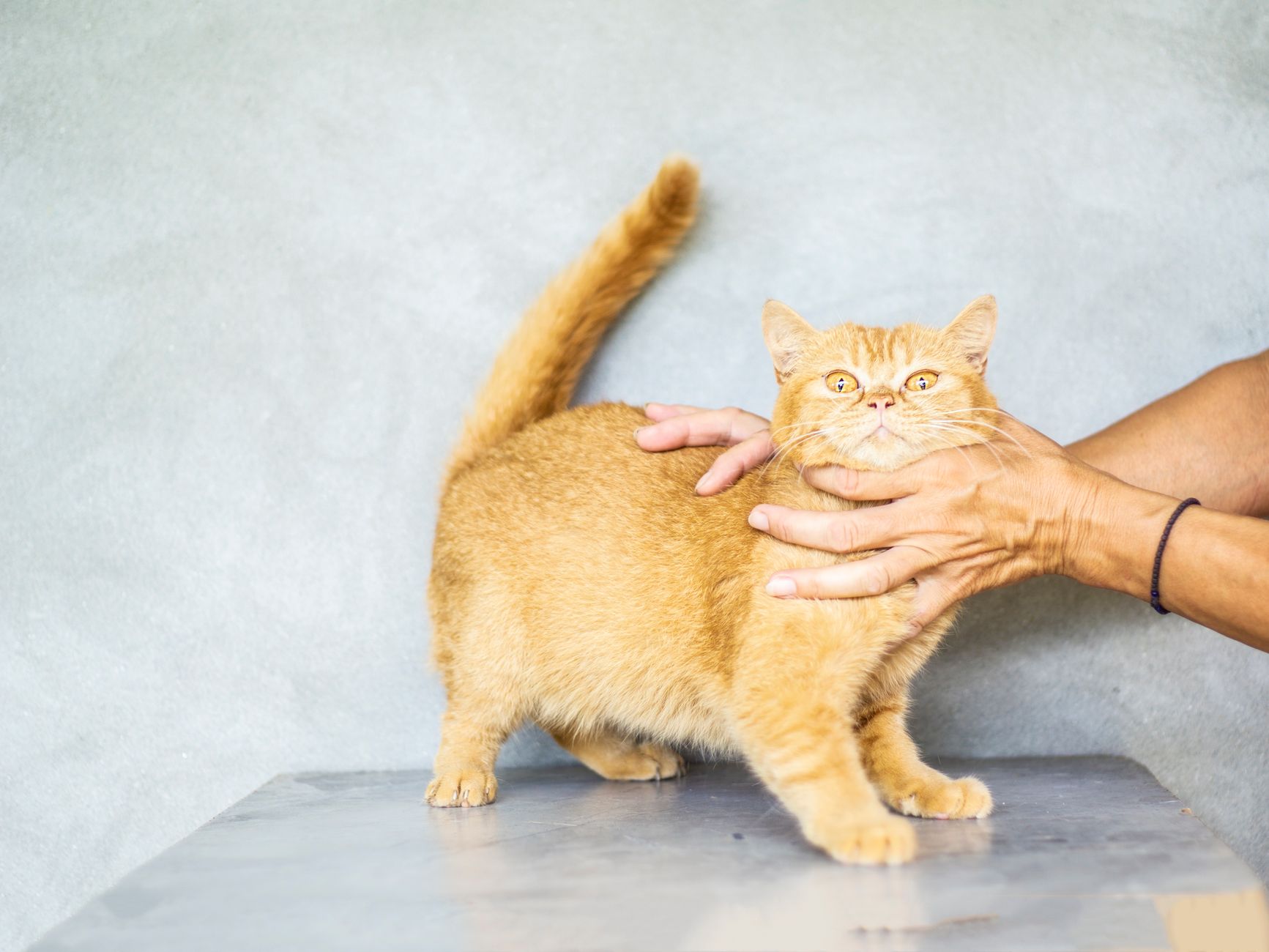
The Minuet possesses a truly enchanting personality that blends the gentle, quiet sweetness of the Persian with the active, curious playfulness of the Munchkin. They are remarkably people-oriented and will greet you at the door, eager for interaction without being excessively vocal. I often see them thriving in busy households because they handle transitions and social stimulation with incredible grace.
Is a Minuet good with other pets?
Yes, they are highly social and tend to get along splendidly with both dogs and other cats, often initiating gentle play sessions.
How much attention does a Minuet need?
They are highly people-oriented and do not tolerate long periods of isolation well; they need daily interactive play and lots of lap time.
Training & Behavior
While they may look like delicate lap cats, Minuets are surprisingly agile and intellectually sharp, making them highly receptive to positive reinforcement training. They love figuring out puzzle toys and can easily learn basic cues if motivated by high-value treats. I always emphasize starting training early to discourage jumping from heights, which can stress their short spines.
Training Tips
- Use low-calorie treats to motivate learning
- Introduce clicker training early
- Train them to use pet stairs to access beds
- Keep training sessions short (3-5 minutes)
- Focus on socialization in the first 12 weeks
Fun Activities
- Foraging in puzzle feeders
- Chasing laser pointers along the floor
- Gently playing fetch with crinkle balls
- Exploring low-profile cat tunnels
- Learning the ‘sit’ and ‘come’ commands
Is a Minuet easy to train?
Yes, they are eager to please and highly intelligent, making them much easier to train than more independent, aloof breeds.
Minuet Health Issues
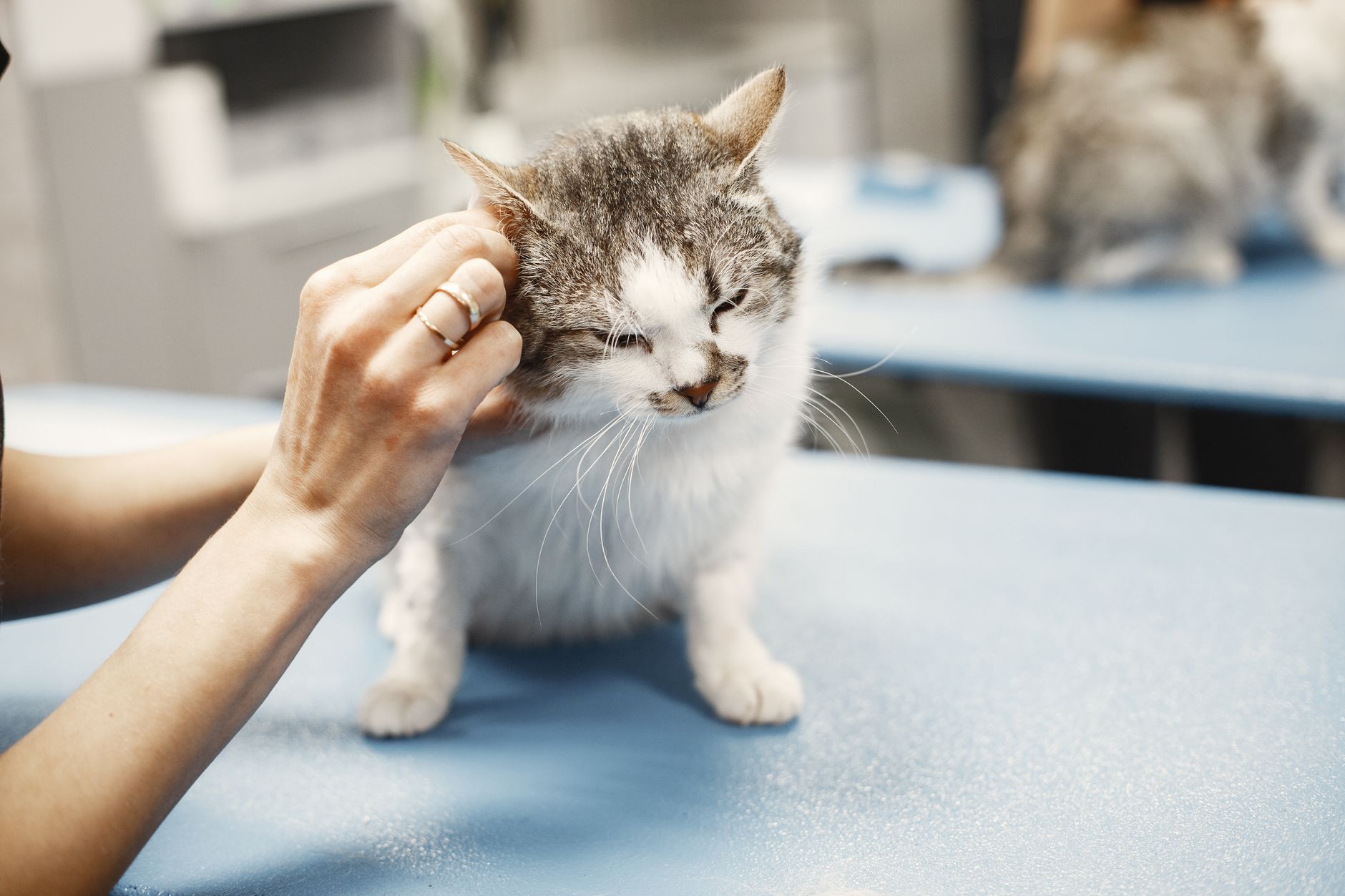
While generally robust, the Minuet inherits potential genetic vulnerabilities from both its parent breeds, the Munchkin and the Persian. Regular veterinary screenings, particularly genetic tests for inherited conditions, are crucial for early detection and proactive management.
Polycystic Kidney Disease (PKD)
An inherited genetic condition stemming from their Persian ancestry where fluid-filled cysts develop in the kidneys, eventually leading to renal failure. Standard practice in my clinic is to request DNA-testing proof from the breeder to ensure parents are PKD-clear.
Lordosis and Scoliosis
Spinal deformities linked to the gene for dwarfism, where the spine curves inward (lordosis) or sideways (scoliosis), potentially compressing internal organs. While severe cases are apparent in early kittenhood, mild cases require lifelong physical management.
Hypertrophic Cardiomyopathy (HCM)
The most common form of heart disease in felines, characterized by the thickening of the heart muscle walls, which can lead to blood clots or heart failure. Annual echocardiograms are recommended for early detection.
Osteoarthritis
Due to their shortened legs, Minuets experience altered joint biomechanics that can accelerate wear and tear on their elbows and hips. Joint supplements and weight control are vital components of their clinical management.
Epiphora (Excessive Tearing)
Due to their moderately flat facial structure (brachycephalic traits inherited from the Persian), their tear ducts can become kinked or blocked, leading to chronic tear staining and secondary skin infections. Daily wiping of the eye area is necessary.
How long do Minuets typically live?
With proper indoor care, weight management, and routine veterinary checkups, a Minuet can comfortably live between 12 and 15 years, and sometimes longer.
What to Feed a Minuet
Feeding a Minuet requires a careful balance to prevent obesity, which is devastating to their shortened limbs and spine. As a vet, I cannot stress enough how even a single extra pound can cause significant joint pain and mobility issues for this breed.
Best Diet
I recommend a high-protein, low-carbohydrate wet food diet to help maintain lean muscle mass and support urinary tract health. Kitten, adult, and senior life-stage formulas should be transitioned smoothly under veterinary guidance.
How to Feed
Feed them measured portions twice daily using shallow bowls to accommodate their slightly shortened muzzles. Avoid free-feeding (leaving dry food out all day), which almost always leads to rapid weight gain.
How Much to Feed
Portion sizes should be tailored to their exact weight and activity level, typically averaging 180 to 220 calories per day for an adult. Always consult your vet to calculate the exact caloric requirement for your individual cat.
Nutritional Tips
Incorporate omega-3 fatty acid supplements early in life to support joint cartilage health. Ensure they always have access to fresh, filtered water to prevent urinary crystals.
Minuet Grooming Guide
Grooming a Minuet is not something you can neglect, especially if you have a longhaired individual. Their dense coats require consistent upkeep to prevent painful matting and skin infections.
Coat Care
Shorthairs need a thorough brushing twice a week with a slicker brush, while longhairs require daily combing with a steel-toothed comb. Pay close attention to the armpits and groin, where friction easily causes mats.
Skin Care
Monitor the skin folds around their face and underarms during grooming to ensure no yeast or bacterial infections are brewing. Bathe them once every few months to keep the dense coat clean.
Eye Care
Wipe the under-eye area daily with a damp, warm cloth or specialized veterinary eye wipes to prevent tear staining and skin irritation from blocked tear ducts.
Ear Care
Check ears weekly for wax buildup or redness, cleaning them gently with a vet-approved ear cleaner if needed.
Nail & Dental Care
Clip nails every 2-3 weeks to prevent painful overgrowth, and brush teeth daily using feline-specific enzymatic toothpaste to ward off periodontal disease.
Considerations for Pet Parents
Pros
- Extremely affectionate and loving
- Gets along wonderfully with other pets
- Docile and patient with children
- Adapts perfectly to apartment living
- Retains a playful, kitten-like demeanor
- Stunning, unique appearance
Cons
- Prone to serious genetic joint and kidney issues
- Requires regular, diligent grooming
- Cannot jump high, requiring home modifications
- High susceptibility to obesity if overfed
Best For
The Minuet is ideal for indoor owners, families with gentle children, and seniors who can commit to regular grooming and are prepared to adapt their home environment for a short-legged cat.
Not Recommended For
They are not recommended for busy owners who are away for long hours, homes with very young children who might drop them, or anyone unable to afford potentially high veterinary costs for joint and genetic screenings.
Cost
- purchase price$1,500 – $3,500
- monthly cost$100 – $180
- initial setupInitial setup including genetic testing, veterinary exams, vaccines, pet ramps/stairs, grooming tools, and basic supplies can run between $600 and $1,200.
Similar Breeds

Minuet FAQs
Are Minuet cats hypoallergenic?
No, Minuets are not hypoallergenic. They produce the Fel d 1 protein in their saliva and dander, and their dense coats can easily spread allergens throughout your home.
Why was the breed’s name changed from Napoleon to Minuet?
TICA officially changed the breed’s name from Napoleon to Minuet in 2015 to avoid historical associations with Napoleon Bonaparte and to better reflect the breed’s delicate, elegant stature.
Can a Minuet cat jump at all?
Yes, Minuets can jump, but their vertical range is significantly limited compared to normal-legged cats. They can easily hop onto sofas or chairs, but struggle with high countertops or tall cat trees.
Do Minuets have breathing problems like Persians?
While they inherit the round head of the Persian, most Minuets have a moderate muzzle (moderate brachycephaly) rather than the extreme ‘peke-face,’ meaning severe respiratory distress is less common, though they can still suffer from stenotic nares.
Can you breed two short-legged Minuets together?
Breeding two short-legged Minuets is controversial and generally discouraged by ethical breeders because the homozygous gene for dwarfism can be lethal to embryos or lead to severe spinal deformities.
What is the difference between a standard and non-standard Minuet?
Standard Minuets inherit the short-legged gene, while non-standard Minuets have normal-length legs. Non-standard Minuets still retain the unique Persian-mix personality and head shape but lack the physical dwarfism.
Are Minuet cats vocal?
No, they are generally very quiet cats. When they do vocalize, it is typically a soft, sweet chirp or purr rather than a loud, demanding meow.
How do I prevent my Minuet from injuring their spine?
You can protect their spine by placing pet ramps or low steps next to high furniture like beds and couches, avoiding encouraging them to jump from high places, and maintaining a lean body weight.
Are Minuet cats prone to ear infections?
They are not exceptionally prone to ear infections, but their Persian heritage means they have dense fur around the ears, which can trap dirt and moisture if not checked and cleaned weekly.
Can Minuet cats be left alone during the work day?
They can handle brief periods of solitude, but they are highly social and can become lonely or stressed if left alone for more than 6-8 hours daily. Having a second compatible pet is highly recommended.
What grooming tools do I need for a longhaired Minuet?
You will need a high-quality steel-toothed greyhound comb, a slicker brush, a dematting tool for stubborn knots, and veterinary-approved eye wipes to manage daily tear staining.
Do Minuet cats get along with dogs?
Yes, their outgoing and gentle nature means they typically integrate very well with cat-friendly dogs, often enjoying playing or napping together.