
Foldex Breed Guide
Quick Summary
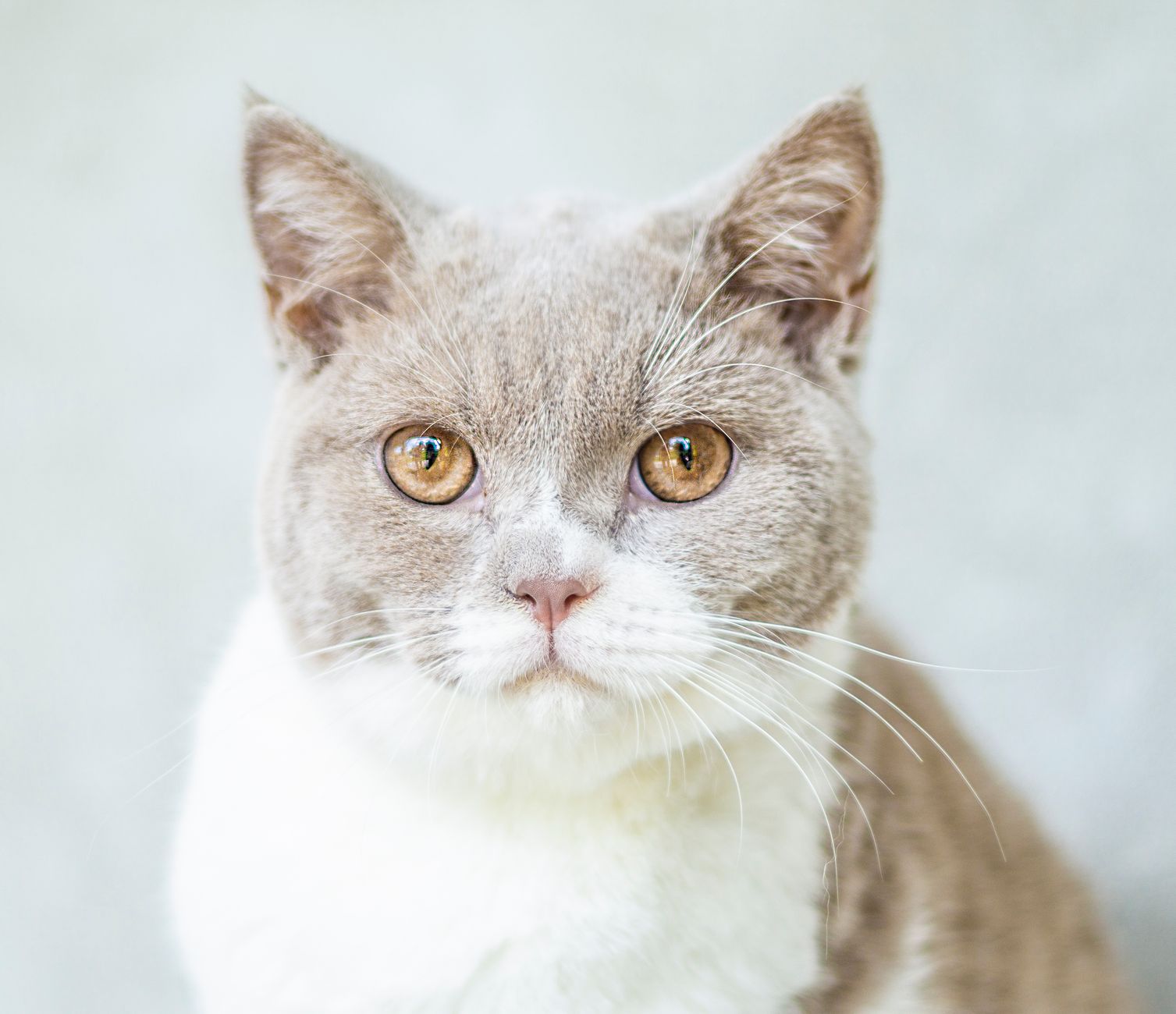
The Foldex is a charmingly affectionate, round-faced breed that combines the sweet, folded ears of the Scottish Fold with the stocky, plush features of the Exotic Shorthair. In my practice, I find their gentle, companionable nature makes them outstanding family pets, though they require dedicated owners willing to monitor their specialized skeletal and respiratory health. They are best suited for indoor homes that can provide routine veterinary screenings and plenty of low-impact enrichment.
Quick Facts
- origin countryCanada (Quebec)
- breed groupShorthair (crossbreed origin)
- sizeMedium
- weight range6 to 12 lbs (2.7 to 5.4 kg)
- height range8 to 10 inches (20 to 25 cm)
- lifespan12 to 15 years
- coat typeShort, dense, and plush (though a longhair variety exists)
- common colorsAll colors and patterns, including pointed, tabby, solid, and bi-color
- other namesExotic Fold
- recognized byCCA (Canadian Cat Association)
Caring for a Foldex
Living with a Foldex is incredibly rewarding, characterized by quiet companionship and a highly social, gentle presence in the home. Because of their unique physical structures, daily life involves checking their folded ears for wax buildup and wiping their expressive, slightly flat faces. I always emphasize to my clients that keeping a Foldex at a lean weight is critical to spare their genetically vulnerable joints from unnecessary strain. They thrive in active households but prefer structured, calm routines over chaotic environments.
Is a Foldex a good family pet?
Absolutely, as they possess an incredibly patient and gentle demeanor that translates well to household life. In my clinic, I’ve noted they form strong, quiet bonds with children who know how to handle animals respectfully. However, because of their joint vulnerabilities, rough play or dropping them must be strictly avoided.
Do Foldexs shed a lot?
They are moderate shedders, possessing a dense, plush double coat that traps loose hair. To keep their coat from matting and to minimize hairballs, you should commit to brushing them at least two to three times a week. During seasonal shedding transitions in spring and autumn, daily brushing will be highly beneficial.
Is a Foldex good for first-time owners?
Yes, their laid-back and forgiving temperament makes them wonderful companions for beginners. However, first-time owners must be thoroughly educated on the breed’s genetic health risks, particularly osteochondrodysplasia. If you are diligent about veterinary checkups and weight management, their sweet disposition makes them a joy to raise.
Temperament & Personality
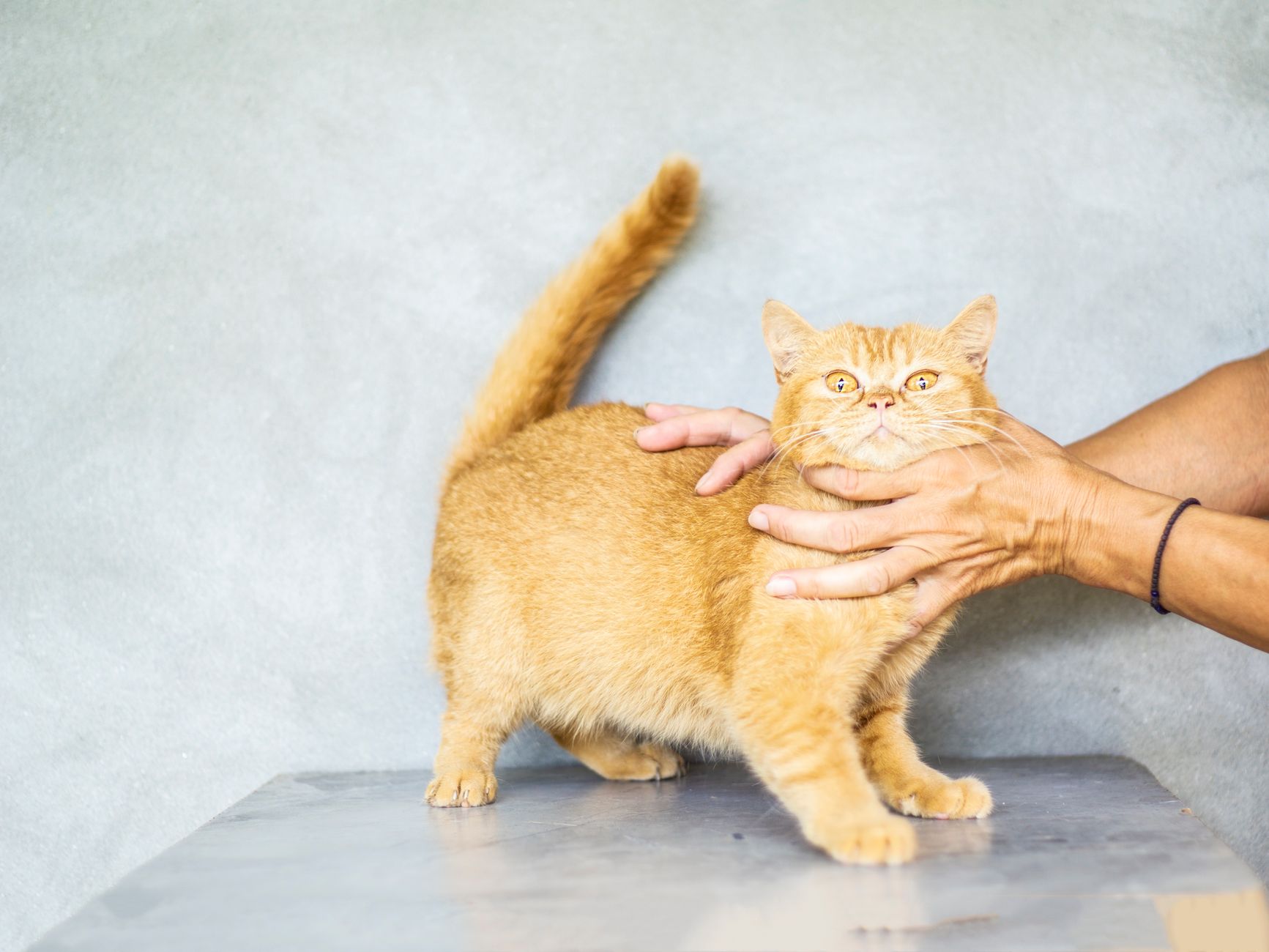
The Foldex is a delightfully sweet, charmingly inquisitive cat that thrives on human affection without being overly demanding. They are known for their quiet voices and a tendency to follow their favorite humans from room to room like little shadows. What I observe most in my clinic is their incredibly high emotional intelligence; they seem to sense when their owners need comfort. They are playful in a measured, low-intensity way, preferring interactive wand toys over high-altitude climbing.
Is a Foldex good with other pets?
Yes, their highly social and non-confrontational nature makes them excellent housemates for other cats and cat-friendly dogs. I routinely see them peacefully co-existing in multi-pet homes, often choosing to cuddle with their canine counterparts. Proper, gradual introductions are still essential to ensure a smooth transition.
How much attention does a Foldex need?
While they are not excessively needy or prone to destructive vocalization, they genuinely crave human presence and do not do well with long periods of isolation. If you work long hours, I highly recommend getting them a companion animal or providing automated enrichment toys. They prefer to be in the same room as you, quietly participating in your daily activities.
Training & Behavior
In my clinical experience, the Foldex is highly receptive to positive reinforcement training due to their intelligent, eager-to-please nature. They quickly grasp litter box habits and can easily be trained to use scratching posts rather than your furniture. Because they are not hyperactive, training sessions should be short, rewarding, and highly focused, using tasty treats as motivation. They respond exceptionally well to clicker training, which keeps their active minds engaged without physically overexerting them.
Training Tips
- Use low-calorie, high-value treats
- Keep sessions under 5 minutes to prevent fatigue
- Incorporate clicker training for mental stimulation
- Redirect scratching behavior early with sturdy sisal posts
- Gently desensitize them to paw and ear handling from kittenhood
Fun Activities
- Interactive wand toy play
- Food puzzle toys to stimulate foraging instincts
- Short clicker training sessions
- Supervised outdoor time in a secure cat stroller
- Leash walking with a specialized supportive harness
Is a Foldex easy to train?
Yes, they are remarkably cooperative and intelligent, making them much easier to train than more independent breeds. They respond beautifully to gentle guidance and positive reinforcement, quickly learning basic commands and household rules. In my practice, I’ve even seen several Foldex patients master clicker-based tricks like ‘shake’ and ‘target’ with minimal effort.
Foldex Health Issues
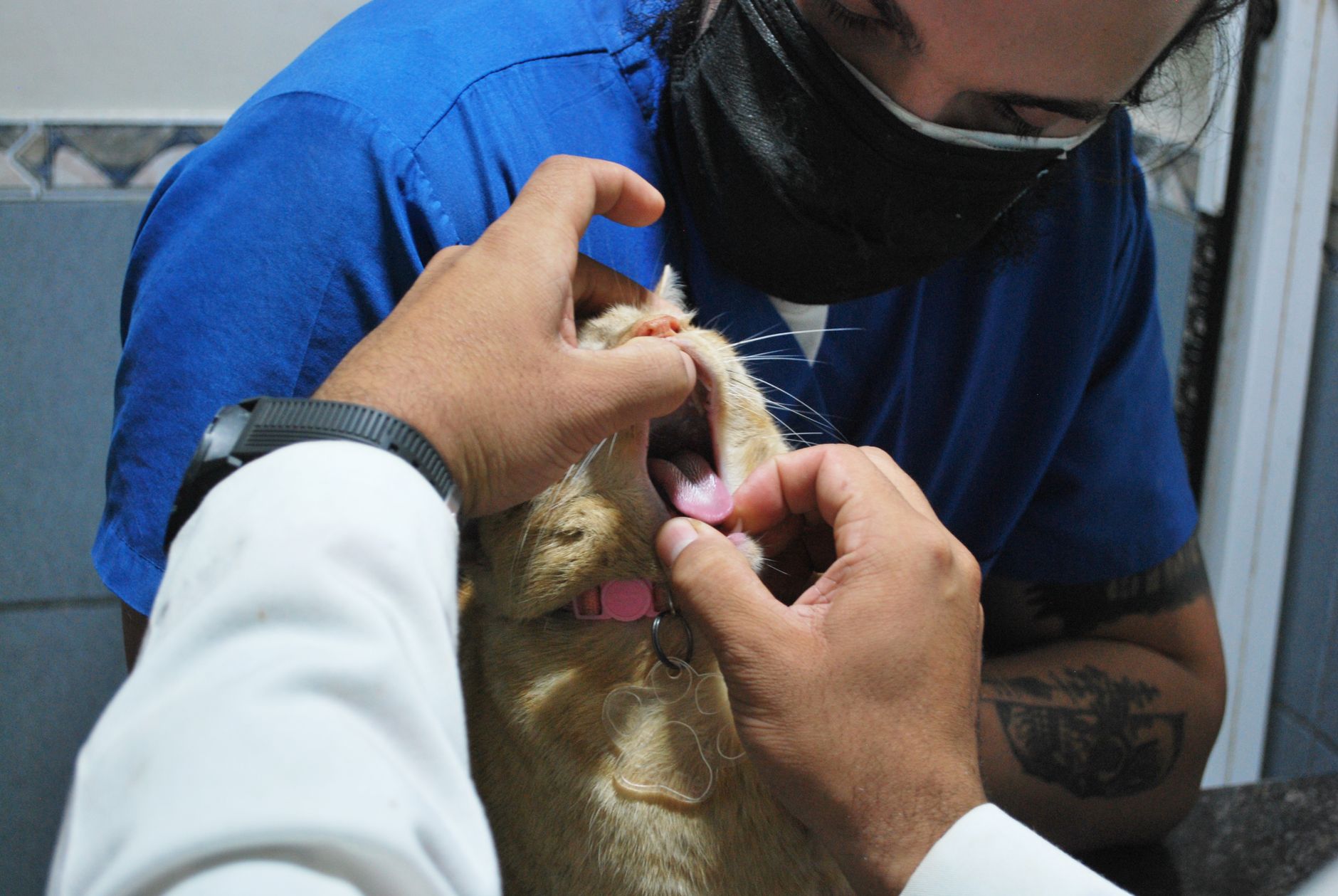
As a veterinarian, I must emphasize that while the Foldex is a charming breed, their unique genetics require highly proactive care. Their folded ears are the result of a skeletal mutation that can affect other joints, meaning we must be vigilant about bone health throughout their lives. Regular screenings for kidney disease and cardiac issues are also non-negotiable for this breed’s long-term wellness.
Osteochondrodysplasia (OCD)
A genetic developmental abnormality that affects cartilage and bone growth, which is directly linked to the folded ear gene. In severe cases, it causes painful arthritis, fused joints, and skeletal deformities, particularly in the tail, ankles, and stifles.
Polycystic Kidney Disease (PKD)
Inherited from their Persian and Exotic ancestors, PKD causes fluid-filled cysts to form in the renal tissue, gradually multiplying and enlarging over time, which ultimately leads to progressive kidney failure.
Brachycephalic Airway Syndrome
Due to their shortened facial structures (inherited from the Exotic Shorthair line), some Foldex cats can suffer from narrowed nostrils and an elongated soft palate, impeding normal breathing.
Hypertrophic Cardiomyopathy (HCM)
The most common form of heart disease in cats, where the muscular walls of the heart thicken, compromising its pumping efficiency and potentially leading to congestive heart failure or blood clots.
Otitis Externa and Ear Wax Buildup
The folded structure of their ear canal restricts natural air circulation, creating a warm, humid environment that is highly prone to yeast infections, bacterial overgrowth, and heavy wax accumulation.
How long do Foldexs typically live?
With excellent veterinary care, a balanced diet, and proactive screening, a Foldex typically lives between 12 and 15 years. However, their lifespan and quality of life are heavily dependent on whether they inherit severe forms of osteochondrodysplasia or polycystic kidney disease. Regular blood panels and joint assessments during their senior years are vital to keeping them comfortable.
What to Feed a Foldex
Nutrition plays a critical role in the management of a Foldex, particularly because excess weight can cause catastrophic damage to their genetically vulnerable joints. In my clinic, I cannot stress enough how vital it is to maintain a lean body condition score of 4 out of 9 on the chart. Every extra ounce they carry places mechanical stress on cartilage that may already be compromised by osteochondrodysplasia.
Best Diet
I highly recommend a diet rich in high-quality, moisture-dense wet food to support kidney health, as renal disease is a concern in this breed. Look for premium formulas supplemented with joint-supporting nutrients like glucosamine, chondroitin, and omega-3 fatty acids (EPA/DHA) to proactively manage joint inflammation. Avoid diets with excessive grain fillers that contribute to rapid weight gain.
How to Feed
Feed your Foldex on a strict schedule of two to three portion-controlled meals per day rather than free-feeding. Free-feeding is a major driver of feline obesity in my practice and should be avoided. Use interactive puzzle feeders to slow down their eating and provide mental stimulation during mealtime.
How Much to Feed
Portion sizes must be customized based on your cat’s exact weight, body condition score, and activity level. As a starting point, an average 10-pound adult Foldex typically requires about 200 to 250 calories per day, but you must consult your veterinarian to calculate a precise feeding plan tailored to your cat’s specific metabolic needs.
Nutritional Tips
Always ensure they have access to fresh, flowing water, preferably via a cat water fountain, to encourage drinking and support their kidneys. Discuss starting joint supplements early in life with your vet, even before clinical signs of arthritis appear, to maximize cartilage preservation.
Foldex Grooming Guide
The grooming routine for a Foldex is moderately demanding but serves as an excellent bonding opportunity and an essential health screening tool. Their unique facial and ear anatomy means that they require specialized care alongside regular coat brushing to stay clean and comfortable. Establishing a routine during kittenhood will make these interventions stress-free for both you and your cat.
Coat Care
Brush their dense, plush coat two to three times weekly using a slicker brush and a metal comb to prevent painful matting. Pay special attention to the dense undercoat around their hindquarters and underarms where mats are most likely to form.
Skin Care
Monitor their skin during grooming for signs of dryness or flaking, which can sometimes be exacerbated by poor self-grooming in cats with joint discomfort. Keep their skin clean and dry, especially around the base of their tail.
Eye Care
Because of their short muzzle and large, round eyes, they may experience excessive tearing; wipe their eye corners daily with a damp, soft cloth to prevent staining and dermatitis.
Ear Care
Check their folded ears weekly, gently cleaning any accumulated debris with a veterinarian-approved ear cleaner and a cotton ball—never insert cotton swabs into the ear canal.
Nail & Dental Care
Trim their nails every two to three weeks to prevent overgrowth, and brush their teeth daily with veterinary enzymatic toothpaste to combat periodontal disease.
Considerations for Pet Parents
Pros
- Incredibly affectionate and sweet temperament
- Laid-back, calm presence well-suited for apartments
- Highly social and excellent with children and other pets
- Adorable, unique owl-like aesthetic
- Quiet and rarely vocalizes disruptively
- Highly intelligent and receptive to training
Cons
- High risk of genetic skeletal disorders (OCD)
- Prone to kidney issues (PKD) and heart disease (HCM)
- Requires diligent, regular ear and eye maintenance
- Can be difficult to find through ethical breeders
- Highly sensitive to excessive weight gain
Best For
The ideal owner for a Foldex is someone who is fully committed to proactive veterinary care, regular joint screenings, and strict weight management. They are perfect for quiet, loving families or individuals who spend plenty of time at home and want a loyal, gentle companion.
Not Recommended For
This breed is not recommended for households where owners are away for long, uninterrupted hours, or for those who cannot afford potentially high veterinary costs associated with genetic joint and kidney diseases. They also do not thrive in highly chaotic environments with rough, unsupervised pets or children.
Cost
- purchase price$1,000 to $2,500 USD
- monthly cost$100 to $200 USD
- initial setupInitial setup costs, including microchipping, vaccinations, spaying/neutering, a high-quality water fountain, orthopedic bedding, and initial screening diagnostics, typically range from $600 to $1,200 USD.
Similar Breeds

Foldex FAQs
What is a Foldex cat?
The Foldex is a unique cat breed that originated in Quebec, Canada, by crossing a Scottish Fold with an Exotic Shorthair or Persian. They are characterized by their signature folded ears, round faces, stocky bodies, and sweet, docile temperaments. In my practice, I describe them as looking like a plush, living teddy bear with a heart of gold.
Why do Foldex cats have folded ears?
Their folded ears are the result of an incomplete dominant gene mutation that affects the cartilage development in their ears, causing the pinnae to fold forward. However, it’s vital to know that this same mutation affects cartilage throughout their entire skeleton. This is why strict breeding protocols are required to minimize the severity of related skeletal issues.
Are Foldex cats born with folded ears?
No, all Foldex kittens are actually born with straight ears. Around three to four weeks of age, the ears of kittens carrying the fold gene will begin to fold forward, while others will remain straight (known as Foldex Straights). As a vet, I emphasize that ‘straight’ Foldexes make fabulous pets and are entirely free from the joint risks linked to the folded ear gene.
How do you groom a Foldex’s ears safely?
Because their ears fold forward, moisture and earwax easily become trapped, making regular cleaning essential. I instruct my clients to use a veterinarian-recommended ear-cleaning solution to flush the ear, massage the base gently, and then wipe away loosened debris with a soft cotton ball. Never use cotton swabs (Q-tips) inside the ear canal, as this can compress wax and damage their delicate structures.
Can you breed two Foldex cats with folded ears together?
Absolutely not; doing so is highly unethical and widely condemned in the veterinary and ethical breeding communities. Breeding two folded-eared cats results in homozygous kittens who are guaranteed to suffer from severe, debilitating osteochondrodysplasia at a very young age. Responsible breeders must always outcross a folded-ear Foldex with a straight-eared cat.
What is osteochondrodysplasia in Foldex cats?
Osteochondrodysplasia is a painful genetic bone disease that causes abnormal cartilage growth, directly tied to the fold gene. In my clinical work, I see this manifest as joint stiffness, fusion of the tail vertebrae, and progressive, painful arthritis in the hocks and wrists. While we can manage the pain, there is no cure, which highlights the critical importance of ethical breeding.
Do Foldex cats have breathing problems?
Because they inherit the short, flat face of the Exotic Shorthair, some Foldex cats can suffer from varying degrees of brachycephalic airway syndrome. This can cause narrowed nostrils and noisy breathing. I recommend keeping them in air-conditioned environments during hot summer months and monitoring them closely for any respiratory distress.
How can I prevent arthritis in my Foldex?
While you cannot change their genetics, you can aggressively manage their environmental risk factors. First, keep your Foldex at an optimal, lean weight to reduce physical stress on their joints. Second, talk to your vet about starting omega-3 fatty acids, glucosamine, and chondroitin supplements early in life to protect cartilage health.
Are Foldex cats highly active?
Generally, no; the Foldex is a moderately active, laid-back breed that prefers calm, low-impact play over high-altitude acrobatics. They enjoy ground-level games like chasing rolling balls or batting at interactive wand toys. Their lower activity level is partly natural, but owners must ensure it isn’t actually a sign of underlying joint discomfort.
Are Foldex cats prone to polycystic kidney disease (PKD)?
Yes, because of their Persian and Exotic ancestral roots, the Foldex is at a higher risk for PKD, an inherited condition where cysts destroy healthy kidney tissue. When purchasing a kitten, I strongly urge owners to ask the breeder for DNA clearance certificates proving the parents are PKD-negative. Regular bloodwork and urinalysis are critical for early detection.
Are Foldex cats quiet?
Yes, they are generally very quiet cats with soft, tiny voices that they use sparingly. They prefer to communicate with gentle headbutts, slow blinks, and purrs rather than loud meowing. If your normally quiet Foldex suddenly starts vocalizing, it’s a sign they may be experiencing pain or discomfort and should be evaluated.
What should I look for in a Foldex breeder?
An ethical Foldex breeder must prioritize health over aesthetics. They should readily provide DNA clearance results for Polycystic Kidney Disease (PKD) and evidence of cardiac screenings (such as echocardiograms for HCM) for the parents. They should also explicitly state that they never breed two folded-eared cats together and offer a health guarantee.
Can Foldex cats live in apartments?
Yes, their calm temperament, quiet nature, and moderate size make them exceptionally well-suited for apartment living. They do not require vast spaces to run but do need vertical spaces that are easy and safe to access without high jumping. Providing sturdy ramps or steps to help them reach their favorite sleeping spots is highly recommended.