
Berger Picard Breed Guide
Quick Summary
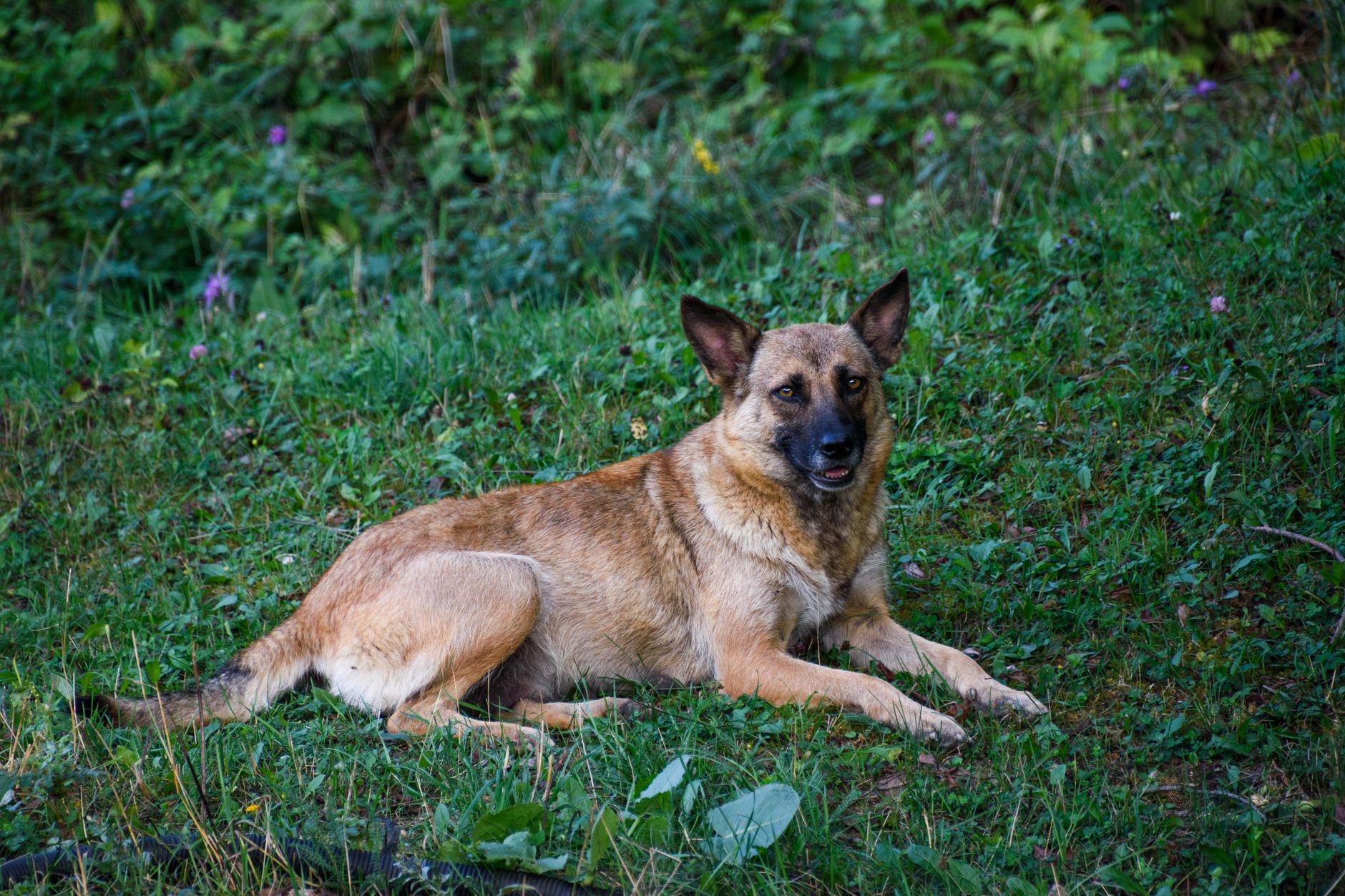
A rustic, intelligent French herding dog, the Berger Picard is a devoted but highly observant companion best suited for active, experienced owners who can navigate their sensitive nature and high mental stimulation needs. In my practice, I find they thrive when given a clear job and structured socialization from puppyhood to prevent their natural aloofness from turning into wariness.
Quick Facts
- origin countryFrance
- breed groupHerding Group
- sizeMedium to Large
- weight range50 to 72 pounds
- height range21.5 to 25.5 inches
- lifespan12 to 13 years
- coat typeDouble coat; harsh, crisp, rustic outer coat with a fine, dense undercoat
- common colorsFawn, Brindle
- other namesPicardy Shepherd, Berger de Picardie
- recognized byAKC, UKC, FCI
Caring for a Berger Picard
Living with a Berger Picard is an active partnership; they are not passive couch potatoes. In my years treating this breed, I’ve observed that they require at least 60 to 90 minutes of vigorous daily exercise combined with intense mental stimulation to prevent destructive behaviors born of boredom. They are incredibly observant and will pick up on your daily routines almost too quickly, sometimes using their intelligence to outsmart their owners. Their coat is remarkably low-maintenance, but their social and emotional needs are exceptionally high, requiring consistent, daily engagement.
Is a Berger Picard a good family pet?
Yes, they can be excellent family pets for active households, but they tend to bond most closely with one or two primary handlers. They are generally patient with older children who understand how to respect a dog’s boundaries, but their herding instincts may cause them to nip at the heels of running toddlers. I always advise families to supervise interactions closely and provide early obedience training to manage these natural herding drives.
Do Berger Picards shed a lot?
Surprisingly, no, they are relatively low-to-moderate shedders compared to other herding breeds. They blow their undercoat twice a year, typically in spring and fall, during which shedding increases significantly and requires daily brushing. Throughout the rest of the year, a thorough weekly combing is usually sufficient to keep their rustic coat in good condition without leaving excessive hair on your furniture.
Is a Berger Picard good for first-time owners?
I generally do not recommend the Berger Picard for novice owners due to their independent streak and high sensitivity. They are highly intelligent but can be stubborn, and they will quickly exploit any inconsistency in training or leadership. An inexperienced owner may find themselves overwhelmed by their exercise demands, herding instincts, and the intensive socialization required to prevent fear-based reactivity.
Temperament & Personality
The Berger Picard possesses a fascinating blend of rustic independence, sharp intelligence, and deep-seated sensitivity. Unlike some of the more eager-to-please herding breeds, the Picard expects a partnership based on mutual respect and can be quite aloof with strangers. In my clinic, they are typically polite but reserved, observing everything with their characteristic, human-like gaze. They are deeply loyal to their families, often acting as a watchful guardian without being overtly aggressive.
Is a Berger Picard good with other pets?
They can coexist peacefully with other pets, including cats and other dogs, if they are raised together and socialized extensively from puppyhood. However, their strong prey drive and herding instincts can make them prone to chasing smaller animals. I always recommend caution and supervised introductions, particularly with smaller dogs or pocket pets.
How much attention does a Berger Picard need?
They require a high level of daily interaction and do not tolerate being left alone in a backyard for long stretches. A lonely or under-stimulated Picard can develop severe separation anxiety and destructive habits, such as chewing or excessive barking. They want to be involved in whatever their family is doing, whether it’s hiking, working, or simply following you from room to room.
Training & Behavior
Training a Berger Picard requires a delicate balance of firm, consistent boundaries and a gentle, positive approach. Because of their extreme sensitivity, harsh training methods or raised voices will cause them to shut down entirely and lose trust in you. I recommend utilizing high-value food rewards, clicker training, and short, highly engaging sessions to keep their active minds focused.
Training Tips
- Use positive reinforcement only
- Keep training sessions short and varied
- Socialize extensively from 8 weeks to 1 year
- Set clear, consistent household boundaries
- Focus on redirecting herding behaviors early
Fun Activities
- Agility trials
- Herding trials
- Scent work and tracking
- Canicross or hiking
- Competitive obedience
- Advanced trick training
Is a Berger Picard easy to train?
They are highly intelligent and learn commands rapidly, but they are not ‘easy’ to train in the traditional sense because of their independent nature. They often assess whether a command is worth executing before obeying, which requires trainers to remain creative and highly motivating. Consistency is key; if you let them slide once, they will remember it and challenge the rule next time.
Berger Picard Health Issues

The Berger Picard is a remarkably robust and athletic breed with fewer congenital issues than many other herding dogs. However, their small gene pool means certain genetic conditions must be screened for diligently by reputable breeders. In my practice, I emphasize preventative joint care and routine screening to ensure they remain active well into their senior years.
Hip Dysplasia
A genetic malformation of the hip joint where the ball and socket do not fit together smoothly, leading to progressive wear, pain, and arthritis. I see this occasionally in larger herding breeds, and it is crucial that breeding stock is certified by the OFA or PennHIP.
Progressive Retinal Atrophy (PRA)
An inherited degenerative eye disease that affects the photoreceptor cells in the retina, ultimately leading to bilateral blindness. There is no cure, but genetic DNA screening can prevent carriers from being bred.
Multidrug Sensitivity (MDR1 Gene Mutation)
A genetic mutation that makes the dog highly sensitive to certain common veterinary drugs, including ivermectin, loperamide, and certain anesthetics, allowing these drugs to cross the blood-brain barrier with toxic results.
Gastric Dilatation-Volvulus (GDV / Bloat)
A life-threatening medical emergency where the stomach fills with gas and twists on its axis, cutting off blood supply. This is a risk for deep-chested breeds like the Picard and requires immediate surgical intervention.
Elbow Dysplasia
An inherited developmental abnormality of the elbow joint, causing joint laxity, cartilage damage, and early-onset osteoarthritis. Like hip dysplasia, it requires careful screening of breeding pairs.
How long do Berger Picards typically live?
The average lifespan of a Berger Picard is between 12 and 13 years, which is quite respectable for a medium-to-large working breed. To maximize their lifespan, focus on maintaining a lean body weight, providing high-quality nutrition, and ensuring they receive regular veterinary checkups including senior blood panels starting around age seven.
What to Feed a Berger Picard
As highly active, athletic herders, Berger Picards require a nutrient-dense diet formulated to support their energy levels and joint health. Because they are prone to bloat, I strongly advise against feeding them a single large meal, and instead recommend dividing their daily intake into at least two portions.
Best Diet
A high-quality, large-breed formula rich in lean animal proteins, with added glucosamine and chondroitin to support their active joints. I recommend checking for diets that meet AAFCO guidelines, and consulting your vet to adjust the protein-to-fat ratio depending on their actual daily activity level.
How to Feed
Divide their daily caloric intake into two equal meals, feeding them morning and evening. Use slow-feed bowls if they tend to gulp their food, and strictly avoid strenuous exercise, running, or training for at least one hour before and after feeding to minimize the risk of bloat.
How Much to Feed
Generally, an adult Picard requires between 2.5 to 3.5 cups of high-quality dry food daily, but this varies wildly based on their weight, age, and activity level. I always recommend monitoring their body condition score (aiming for a 4 or 5 on a 9-point scale) and consulting your veterinarian for precise caloric calculations.
Nutritional Tips
Consider supplementing their diet with high-quality omega-3 fatty acids (like wild-caught fish oil) to support their skin health and keep their harsh, rustic coat from becoming overly dry. Avoid overfeeding, as carrying even a few extra pounds can accelerate the onset of hereditary joint issues.
Berger Picard Grooming Guide
The Berger Picard’s coat is designed to be rustic, weather-resistant, and low-maintenance; it should never look overly coiffed or fluffy. In my clinical experience, over-bathing them is a common mistake that strips their coat of its natural protective oils and softens the harsh texture.
Coat Care
Brush them thoroughly once a week using a slicker brush and a metal comb to prevent mats in the softer undercoat, focusing on the finer hair behind the ears and on the legs. Bathe them only 3 to 4 times a year, or when they are visibly dirty or smelly, using a mild, soap-free dog shampoo.
Skin Care
Regularly check their skin during weekly grooming sessions for signs of dry patches, hot spots, or external parasites like ticks, which can easily hide in their thick, double coat.
Eye Care
Keep the hair around their eyes clean by gently wiping any discharge with a damp cloth; they are not prone to excessive tearing, but their distinct eyebrows should be kept clear of debris.
Ear Care
Inspect their large, upright ears weekly for wax buildup, redness, or a foul odor, which can indicate an infection, and clean them with a vet-approved ear cleanser if necessary.
Nail & Dental Care
Trim their nails every 3 to 4 weeks using a grinder or clippers to prevent splaying and joint strain, and brush their teeth at least three times a week with dog-safe enzymatic toothpaste.
Considerations for Pet Parents
Pros
- Extremely loyal and devoted to their family
- Highly intelligent and capable of advanced training
- Low-maintenance coat that sheds minimally most of the year
- Naturally observant and excellent watchdogs
- Athletic, sturdy companions for outdoor adventures
- Unique, charming appearance with expressive features
Cons
- Can be aloof, wary, or reactive if not socialized extensively
- High exercise and mental stimulation requirements
- Can be independent and stubborn during training
- Prone to separation anxiety if left alone too long
- Hard to find with long breeder waitlists
Best For
The ideal owner is an active, experienced dog handler, hiker, or runner who understands herding breed psychology and has the time to dedicate to daily exercise, advanced mental training, and extensive early socialization.
Not Recommended For
I do not recommend this breed for sedentary individuals, apartment dwellers without access to a yard, first-time dog owners, or families who are away from home for long hours every day.
Cost
- purchase price$2,000 to $3,500
- monthly cost$150 to $250
- initial setupExpect to spend $1,000 to $1,500 initially on high-quality crates, herding-appropriate toys, genetic testing (like MDR1), puppy training classes, and initial veterinary vaccinations.
Similar Breeds

Berger Picard FAQs
Why are Berger Picards so rare?
The breed was nearly wiped out during World Wars I and II, which devastated their native region of Picardy in northern France. Their recovery has been slow and carefully managed by dedicated breed clubs to preserve genetic health, keeping their overall global population relatively small.
Do Berger Picards bark a lot?
They are generally not nuisance barkers, but they are highly observant watchdogs and will bark to alert you to strangers or unusual changes in their environment. If they are bored or suffer from separation anxiety, however, they can develop chronic barking habits.
Are they prone to separation anxiety?
Yes, because they form incredibly tight bonds with their human companions, they can easily develop separation anxiety if left alone for extended periods. I recommend crate training early and practicing short departures to help them learn to settle independently.
What is the ‘Picard Smile’?
The ‘Picard Smile’ is an endearing behavioral trait where the dog curls its lips back to show its teeth in a submissive or happy greeting. Owners often mistake this for aggression, but in my experience, it is a genuine sign of excitement and affection.
Are Berger Picards hypoallergenic?
No, they are not hypoallergenic. While they shed less than some other double-coated breeds, they still produce dander, saliva, and moderate amounts of hair, which can trigger allergies in sensitive individuals.
How do they handle hot and cold weather?
Their harsh double coat provides excellent insulation against both cold and wet weather, making them highly resilient in winter. However, they can overheat in extreme summer heat, so I advise limiting intense exercise during peak daytime temperatures and providing plenty of fresh water.
Do they need professional grooming?
Generally, no, they do not require professional grooming or clipping. In fact, clipping their coat can permanently ruin its coarse texture and weather-resistant properties; simple weekly home brushing and occasional bathing are all that is needed.
Are they good for apartment living?
They can adapt to apartment living only if their owners are exceptionally dedicated to meeting their high exercise and mental stimulation needs daily. However, they generally thrive much better in a home with a securely fenced yard where they can patrol and play.
How much exercise do they need daily?
They require at least 1 to 1.5 hours of active physical exercise daily, which should include running, hiking, or playing fetch, coupled with mental challenges like puzzle toys, obedience training, or scent games.
Is the Berger Picard an aggressive breed?
No, they are not naturally aggressive, but they are inherently protective and reserved with strangers. Without intensive socialization during puppyhood, their natural aloofness can morph into fear-based reactivity or overprotectiveness.
How do I find a reputable Berger Picard breeder?
Look for breeders registered with national clubs like the Berger Picard Club of America (BPCA) or the AKC. Reputable breeders will openly provide official OFA health clearance certificates for hips, elbows, and eyes, and will gladly welcome your questions about their dogs’ temperaments.
Are they sensitive to medications?
Yes, a significant percentage of Berger Picards carry the MDR1 gene mutation, which makes them highly sensitive to certain medications, including some heartworm preventatives and anesthetics. I recommend that every Picard owner has their puppy DNA-tested for this mutation early on.
At what age do they mature mentally?
Like many large working breeds, Berger Picards mature slowly, often retaining puppy-like energy and emotional sensitivity until they are about 2 to 3 years old. Consistent, patient training is critical during this extended adolescent phase.
Can a Berger Picard do well in dog sports?
Absolutely! Their athletic build, intelligence, and herding heritage make them exceptional competitors in agility, flyball, scent work, herding trials, and competitive obedience. Engaging them in these sports is an excellent way to channel their energy productively.
Do they have a strong prey drive?
Yes, as a herding breed, they have a natural instinct to chase moving objects, which translates to a moderate-to-high prey drive. This instinct must be managed through solid recall training and leash control, particularly around small animals and wildlife.