
Greater Swiss Mountain Dog Breed Guide
Quick Summary
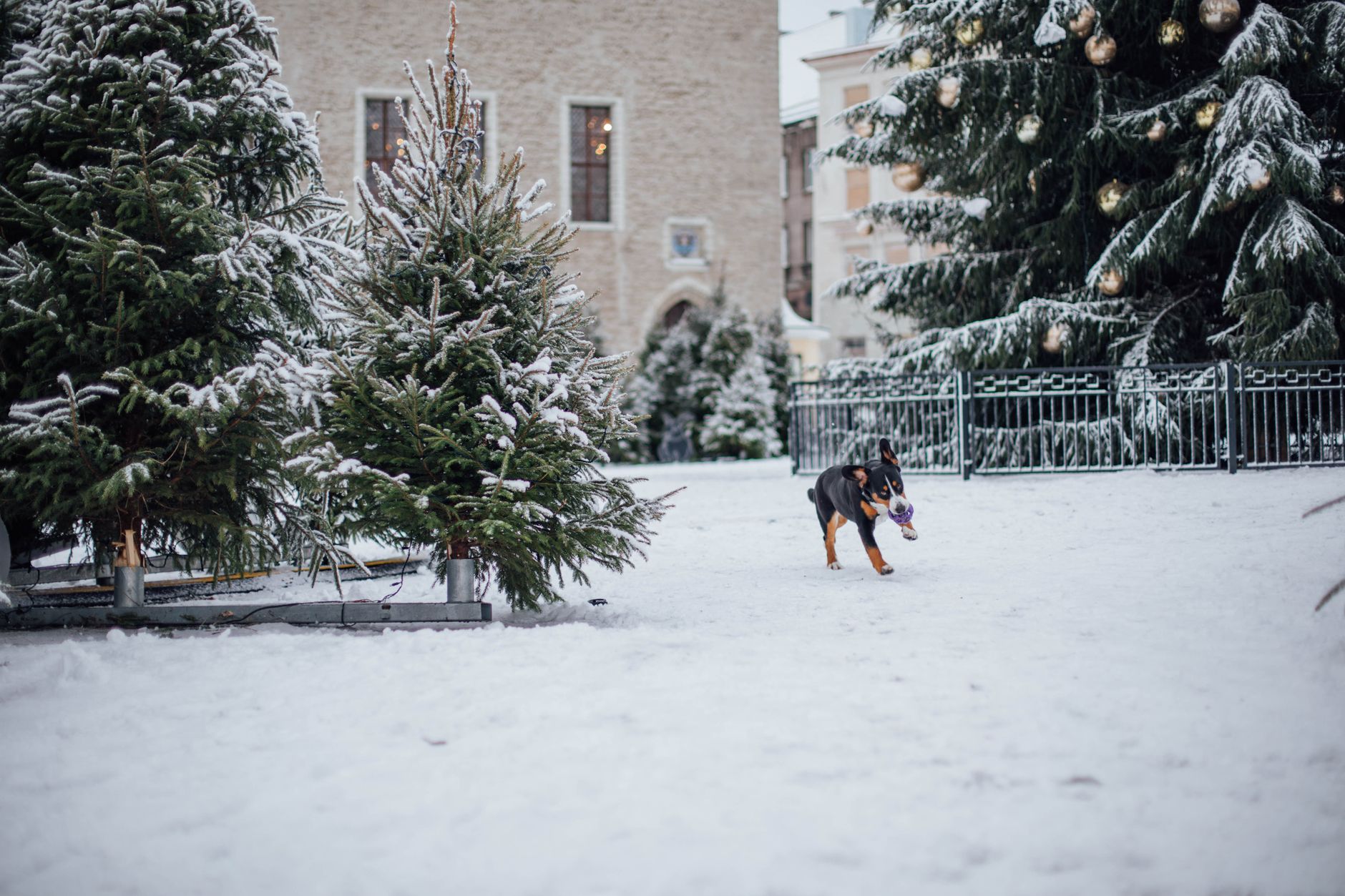
The Greater Swiss Mountain Dog is a majestic, heavy-draft working breed characterized by its striking tri-color coat, muscular build, and deeply loyal temperament. In my clinical practice, I find they are exceptional companions for active, structured households that can manage a giant, powerful dog who slow-matures over three full years. They thrive when given a physical job to do and require owners committed to early, consistent socialization to channel their protective instincts properly.
As an Amazon Associate, we earn from qualifying purchases.
Popular with Greater Swiss Mountain owners: Orthopedic Dog Bed · Hip & Joint Supplement · Deshedding Tool
Quick Facts
- origin countrySwitzerland
- breed groupWorking Group
- sizeGiant
- weight range85 – 140 lbs (Females: 85-110 lbs, Males: 115-140 lbs)
- height range23.5 – 28.5 inches
- lifespan7 – 9 years
- coat typeShort, dense double coat
- common colorsTri-color (Black base with rust and white markings)
- other namesGrosser Schweizer Sennenhund, Swissy
- recognized byAKC
Caring for a Greater Swiss Mountain Dog
Living with a Greater Swiss Mountain Dog is a rewarding but physically demanding commitment. In my years treating this breed, I cannot overstate the importance of managing their rapid growth phase during their first 12 to 18 months to protect their developing joints. They require moderate daily exercise, but more importantly, mental stimulation to prevent destructive behaviors. Because of their giant size and working heritage, managing their strength through proper leash manners and basic obedience from puppyhood is an absolute veterinary safety recommendation.
Is a Greater Swiss Mountain Dog a good family pet?
Yes, they are deeply devoted, gentle giants who often possess a natural affinity for children. However, because of their massive size and puppyhood exuberance, they can accidentally knock over toddlers, requiring constant supervision during interactions.
Do Greater Swiss Mountain Dogs shed a lot?
They shed moderately year-round, but they undergo a heavy blow of their dense undercoat twice a year. During these seasonal transitions, expect to brush them daily to manage the high volume of loose undercoat.
Is a Greater Swiss Mountain Dog good for first-time owners?
Generally, no. Their sheer physical power, slow-maturing stubbornness, and strong drafting instincts make them highly challenging for a novice handler to manage safely.
Temperament & Personality
The ‘Swissy’ is typically steady-tempered, courageous, and fiercely loyal to their family unit. Unlike some aloof guardian breeds, they are generally outgoing but retain a strong watchdog instinct that prompts them to alert-bark at changes in their environment. I often observe a delightful ‘puppy-like’ goofiness in them that persists well into their adult years, balanced by an innate, calm confidence when they are properly socialized.
Is a Greater Swiss Mountain Dog good with other pets?
With early, structured socialization, they generally co-exist peacefully with other family dogs and cats. However, their historical herding and chasing instincts can sometimes trigger a chase response with smaller, fast-running animals.
How much attention does a Greater Swiss Mountain Dog need?
They are highly social pack animals that do not tolerate long periods of isolation well. Expect a Swissy to shadow you from room to room; if left alone for extended periods, they can develop severe separation anxiety and destructive chewing habits.
Bedsure Orthopedic Dog Bed, Egg-Crate Foam
- ✓Egg-crate orthopedic foam spreads body weight
- ✓Removable, machine-washable cover
- ✓Supports dogs up to 65 lbs
- Cushions hips and joints in large, senior or dysplasia-prone dogs
- Easy to keep clean
Training & Behavior
Training a Greater Swiss Mountain Dog requires infinite patience, positive reinforcement, and physical consistency. Because they do not reach mental maturity until around three years of age, you must approach training with the understanding that you are managing a 130-pound puppy. They can be incredibly stubborn, often evaluating commands before deciding whether to comply, which is why establishing yourself as a fair, consistent leader early on is vital.
Training Tips
- Use positive, food-based reinforcement; Swissies are highly food-motivated.
- Keep training sessions short, engaging, and varied to prevent stubborn shutdowns.
- Prioritize loose-leash training immediately to prevent dangerous pulling as they grow.
- Expose them to diverse sights, sounds, and people before 16 weeks of age.
- Establish clear, gentle boundaries early; do not allow a 20-pound puppy to jump if you don’t want a 130-pound adult doing it.
Fun Activities
- Drafting and cart pulling
- Weight pulling trials
- Scent work and tracking
- Moderate hiking
- Obedience training classes
Is a Greater Swiss Mountain Dog easy to train?
They are highly intelligent but possess an independent, working-dog streak. They learn commands quickly but may choose to ignore them if they find the training repetitive or overly harsh, requiring a patient and creative trainer.
Greater Swiss Mountain Dog Health Issues
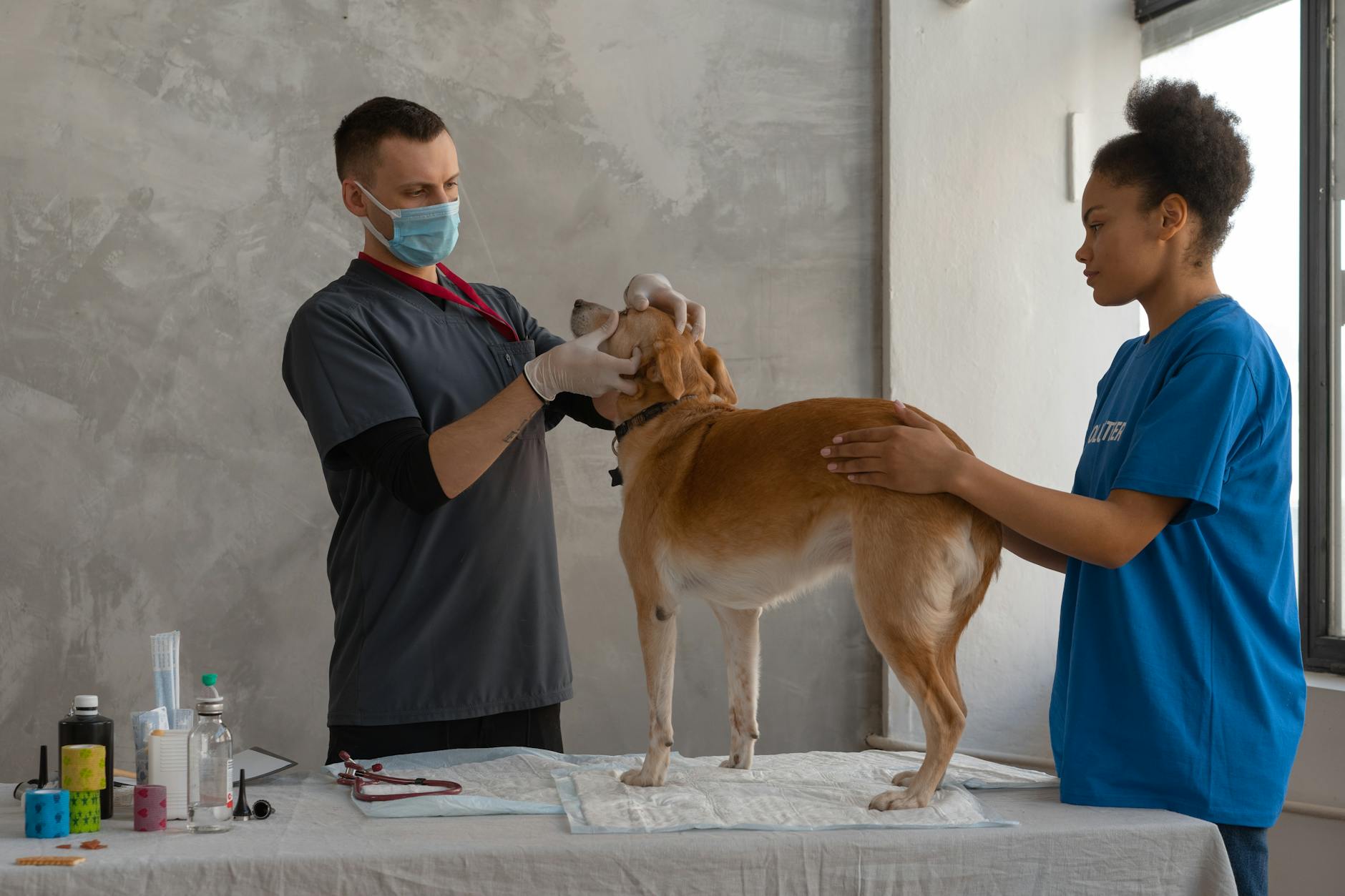
While robust and structurally powerful, the Greater Swiss Mountain Dog is a giant breed with a relatively short lifespan. In my clinical role, I urge prospective owners to work only with breeders who perform comprehensive health screenings and can provide official clearances for orthopedic, ophthalmic, and cardiac conditions.
Gastric Dilation-Volvulus (GDV or Bloat)
A life-threatening emergency where the stomach fills with gas and twists on its axis, cutting off blood supply. This is a primary medical concern for deep-chested giant breeds like the Swissy.
Splenic Torsion
An uncommon but highly documented condition in Swissies where the spleen twists on its own blood supply, independent of or alongside bloat. It requires immediate, life-saving surgical intervention.
Idiopathic Epilepsy
An inherited neurological disorder that causes recurrent seizures, typically manifesting between 1 and 5 years of age in this breed. While manageable with lifelong anticonvulsant medications, it is a serious genetic concern.
Hip and Elbow Dysplasia
Heritable developmental malformations of the hip and elbow joints where the bones do not fit together smoothly, leading to progressive, painful arthritis.
EHEYCIGA Orthopedic Extra Large Dog Bed, 44 in
- ✓Memory foam and egg-crate foam for joint support
- ✓3-sided bolsters for head and neck
- ✓Waterproof liner; washable cover
- Supportive foam cushions hips and joints, ideal for large, senior or dysplasia-prone dogs
Osteochondritis Dissecans (OCD)
An inflammatory joint condition where diseased cartilage separates from the underlying bone, most frequently affecting the shoulders and elbows of rapidly growing giant puppies.
Female Urinary Incontinence / ‘Swissy Lick’
Spayed female Swissies have a notable predisposition to urinary incontinence. Additionally, the breed is known for ‘Swissy Lick,’ a frantic, obsessive licking of carpets, walls, or grass, often triggered by underlying gastrointestinal distress.
How long do Greater Swiss Mountain Dogs typically live?
In my practice, I typically see them live between 7 to 9 years. Adhering to strict weight management and joint protection protocols throughout their lives can help maximize their senior years.
What to Feed a Greater Swiss Mountain Dog
Proper nutrition is a cornerstone of health for giant breeds, especially during their critical growth phases. Feeding a diet that carefully regulates calcium, phosphorus, and caloric intake is essential to prevent rapid, uneven bone growth that can lead to debilitating joint disorders.
Best Diet
I highly recommend a high-quality, large-breed or giant-breed specific commercial formula. For puppies, it is imperative to feed a large-breed puppy formula until at least 18 months of age to ensure slow, controlled physical development.
How to Feed
To mitigate the extreme risk of Gastric Dilation-Volvulus (GDV), you must divide their daily food allowance into at least two, preferably three, meals. Always restrict strenuous physical activity for at least one hour before and two hours after feeding.
How Much to Feed
Adult Swissies typically consume between 4 to 6 cups of high-quality dry kibble daily, though this varies drastically based on their age, weight, and activity level. I advise working directly with your veterinarian to monitor their body condition score, ensuring they remain lean.
Nutritional Tips
Avoid high-protein ‘performance’ diets unless your Swissy is actively working carting jobs, as excess calories lead to obesity, which is devastating to giant-breed joints. Consider adding vet-approved joint supplements containing glucosamine, chondroitin, and Omega-3 fatty acids early in life.
Greater Swiss Mountain Dog Grooming Guide
The Greater Swiss Mountain Dog has a double coat that is relatively easy to maintain, but their sheer size makes grooming a physical task. Setting up a regular routine during puppyhood will make grooming sessions manageable when they reach their full, 130-pound adult size.
Coat Care
Brush their short, dense double coat once or twice a week with a slicker brush or undercoat rake. During their semi-annual shedding seasons, daily brushing will be required to manage the massive release of dead undercoat.
Skin Care
Generally, their skin is resilient, but they should be bathed every 6 to 8 weeks, or when dirty. Be sure to thoroughly dry their thick undercoat after bathing to prevent hot spots and fungal skin infections.
Eye Care
Wipe their eyes weekly with a damp cloth to remove any minor discharge, watching closely for signs of distichiasis (extra eyelashes) or entropion (inward-rolling eyelids).
Ear Care
Inspect their ears weekly for redness, odor, or wax buildup. Clean them with a veterinarian-approved ear cleaner to prevent infections, especially if they enjoy swimming.
Nail & Dental Care
Trim their thick nails every 3 to 4 weeks using heavy-duty clippers or a dremel to prevent joint strain. Brush their teeth at least three times a week with dog-safe enzymatic toothpaste to prevent periodontal disease.
Considerations for Pet Parents
Pros
- Deeply loyal, affectionate, and devoted family companion
- Excellent watchdog with a formidable, protective presence
- Calm, steady, and predictable temperament when matured
- Relatively low-maintenance coat for a long-haired working breed
- Superb capability and enthusiasm for pulling carts and heavy work
- Naturally gentle and patient with children when properly socialized
Cons
- Extremely short lifespan compared to smaller breeds
- High susceptibility to life-threatening conditions like GDV and splenic torsion
- Extremely long puppyhood and slow mental maturity (up to 3 years)
- Can be highly stubborn and physically difficult to manage if untrained
- Prone to loud, booming alert-barking that can disturb neighbors
Best For
Experienced dog owners with large, securely fenced yards who want a dedicated working partner and have the physical strength to manage a giant-breed puppy. They are ideal for active households where someone is home most of the day to prevent separation distress.
Not Recommended For
Apartment dwellers, novice dog owners, or busy families who cannot dedicate hours to early training and socialization. Those who cannot cope with the heartbreak of a short canine lifespan or the substantial financial costs of giant-breed veterinary care should avoid this breed.
Cost
- purchase price$2,500 – $4,500 USD
- monthly cost$200 – $350 USD
- initial setupInitial setup can cost between $1,500 and $2,500, which includes giant-sized crates, heavy-duty toys, orthopedic beds, obedience training classes, and mandatory pediatric veterinary care.
-
PetNC Natural Care Hip & Joint Soft ChewsGlucosamine and chondroitin chews support cartilage and mobility, especially in large, senior and dysplasia-prone dogs
-
Pet Grooming 2-in-1 Deshedding & Dematting CombReaches through the topcoat to remove loose undercoat, cutting down the hair on your floors and furniture
-
Purina Pro Plan Sensitive Skin & Stomach Dog Food, SalmonA complete, balanced diet matched to your dog’s size and age is the foundation of a healthy coat, gut and energy level
Similar Breeds
Related Dog Guides
Greater Swiss Mountain Dog FAQs
What is ‘Swissy Lick’ and is it dangerous?
Swissy Lick is a breed-specific behavior where the dog frantically licks anything in sight (carpets, dirt, floors) and swallows air. It is almost always triggered by sudden, severe gastrointestinal pain or acid reflux; if you observe this, contact your vet immediately as it can precede bloat.
Do Greater Swiss Mountain Dogs drool a lot?
Unlike other giant breeds with loose jowls (like Mastiffs or Saint Bernards), Swissies have tighter flews and generally drool very little, typically only when anticipating food, drinking water, or panting heavily in hot weather.
Are Greater Swiss Mountain Dogs prone to joint problems?
Yes. Because of their immense weight and rapid growth, they are highly susceptible to hip dysplasia, elbow dysplasia, and Osteochondritis Dissecans (OCD). Keeping them lean and limiting high-impact jumping during puppyhood is crucial.
How do they handle hot weather?
They tolerate cold weather exceptionally well but are highly sensitive to heat and humidity due to their black, double coats. During the summer, I advise keeping them in air-conditioned spaces and exercising them only during the cool early morning or late evening hours.
Are Swissies loud or prone to barking?
Yes, they have a deep, booming alert bark and will use it to announce visitors, passing cars, or changes in their environment. While they are not nuisance barkers, they are vigilant watchdogs who will make themselves heard.
How long does it take for a Greater Swiss Mountain Dog to be housebroken?
They are notoriously slow to housebreak, with some puppies taking up to 8 to 10 months to achieve full bladder control. This is a common giant-breed trait due to delayed physical development of their internal sphincter muscles.
Can they live in an apartment?
In my opinion, they are highly unsuited for apartment living. They require physical space to stretch out, a secure yard to patrol, and their booming watch-bark can easily cause issues with close neighbors.
What is the difference between a Bernese Mountain Dog and a Greater Swiss Mountain Dog?
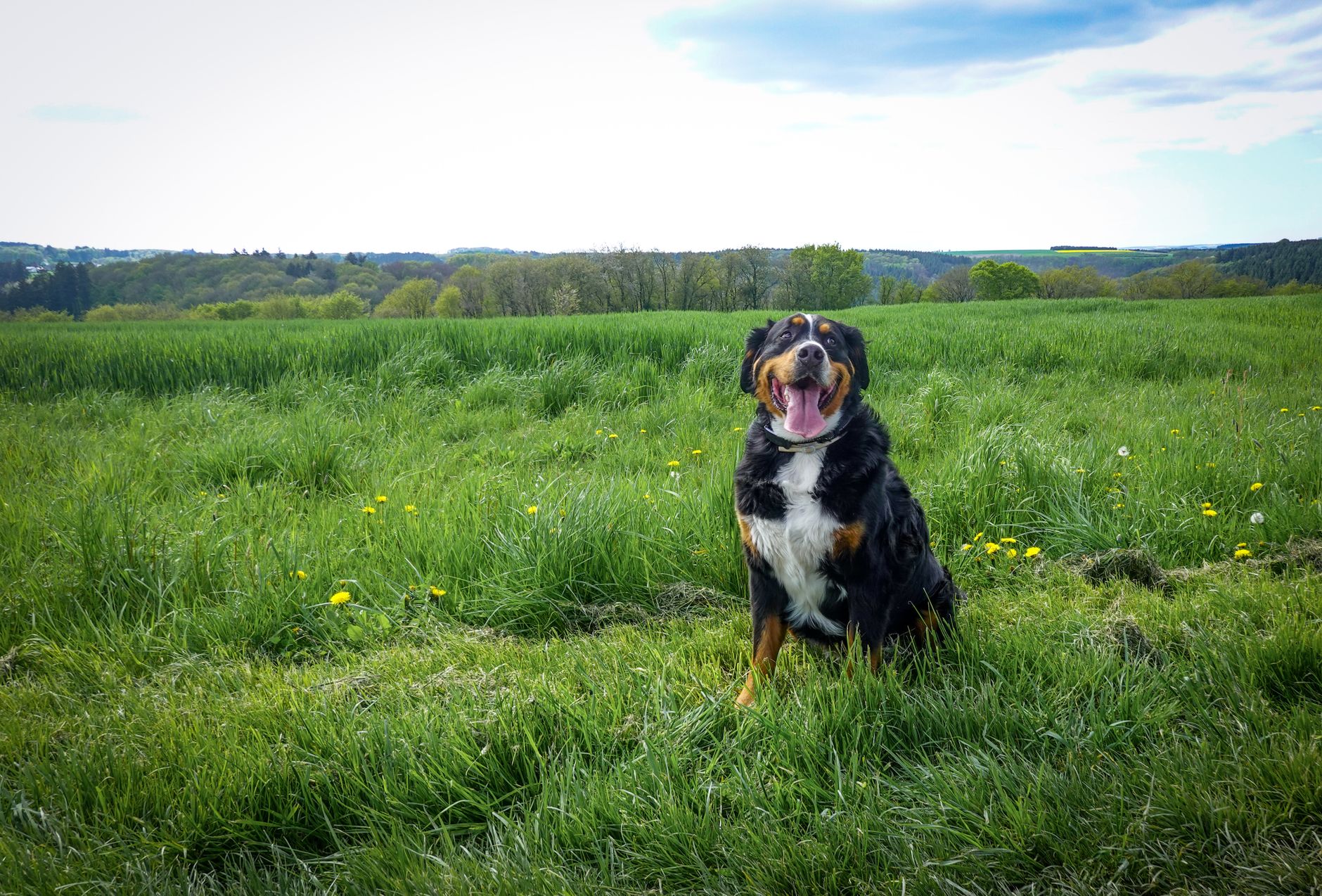
While both share similar tri-color markings, the Swissy has a short, dense coat, is larger, heavier, and more muscled than the longer-haired Bernese. Temperamentally, Swissies tend to be more confident, alert, and stubborn, while Berners are generally softer and more mellow.
Do they have a high prey drive?
They have a moderate prey drive rooted in their historical droving and herding duties. While they can learn to live peacefully with household cats, they may instinctively chase outdoor wildlife, neighborhood cats, or running livestock.
Are female or male Greater Swiss Mountain Dogs better?
Males are significantly larger, heavier, and tend to remain goofier and more puppy-like longer. Females are slightly smaller, mature faster mentally, and can be more independent and territorial, though both make exceptionally loyal pets.
Should I neuter or spay my Swissy early?
No. In my clinic, I strongly advise waiting until they are physically mature—typically between 18 to 24 months of age—before spaying or neutering. Early sterilization removes hormones vital for growth plate closure, significantly increasing the risk of joint disorders and certain cancers.
Are they prone to separation anxiety?
Yes, they are highly family-centric dogs that thrive on human contact. If left alone for long stretches, they can become highly anxious, leading to destructive chewing, digging, and howling.
What kind of exercise do they need?
They require about 45 to 60 minutes of moderate daily exercise, such as brisk walks or light hikes, combined with mental training. Avoid high-impact running on hard surfaces, especially for dogs under two years old, to prevent orthopedic injury.
Do they make good service or therapy dogs?
With their steady, calm nature and deep devotion, they can make wonderful therapy dogs. Their physical strength also makes them capable mobility assistance dogs, provided they are thoroughly trained by a professional.
Is pet insurance necessary for this breed?
I highly recommend it. Due to the high risk of costly emergency surgeries (like GDV gastropexy or splenic torsion) and expensive orthopedic treatments (like hip or elbow surgeries), having a comprehensive pet insurance policy can be a lifesaver.