
 Rottweiler vs Doberman Pinscher: Comparing Two Guardian Breeds” loading=”lazy”>
Quick Summary
Rottweilers and Doberman Pinschers are both premier guardian breeds, but they possess distinct physical, medical, and behavioral traits. While Rottweilers are heavy-set molosser dogs prone to joint issues and bone cancer, Dobermans are athletic, deep-chested athletes highly susceptible to dilated cardiomyopathy and cervical spine issues. Understanding these clinical differences is vital for any prospective owner or guardian of these powerful working breeds.
In my years of veterinary practice, few breeds command as much respect in the clinic lobby as the Rottweiler and the Doberman Pinscher. Both were bred as working guardians, yet they represent entirely different evolutionary branches of protective dogs.
I often see families struggling to choose between these two magnificent breeds, focusing only on their handsome looks. However, their physical builds, temperament nuances, and medical risks could not be more distinct.
Let us dive deep into the clinical realities of owning, raising, and caring for these two legendary guardian dogs.
Key Takeaways
- Rottweilers are heavier, mastiff-type dogs prone to cranial cruciate ligament (CCL) tears and bone cancers.
- Dobermans are elegant, high-energy athletes with a high genetic predisposition to Dilated Cardiomyopathy (DCM).
- Rottweilers exhibit a stoic, physical guarding style, whereas Dobermans are highly sensitive, reactive velcro dogs.
- Both breeds are deep-chested and carry a high risk for life-threatening gastric bloat (GDV).
- Dobermans require stringent genetic screening for von Willebrand’s blood-clotting disease before any surgery.
- Early socialization and firm, positive reinforcement training are absolute non-negotiables for both breeds to prevent dominance aggression.
In This Article
- Physical Presence and Structural Differences
- Temperament and Guarding Instincts in Clinical Practice
- Cardiovascular Health: The Silent Threats
- Orthopedic Vulnerabilities and Joint Care
- Hematological and Genetic Conditions to Watch
- Gastric Dilatation-Volvulus (GDV) Risk and Prevention
- Dietary Needs and Lifespan Realities
Physical Presence and Structural Differences
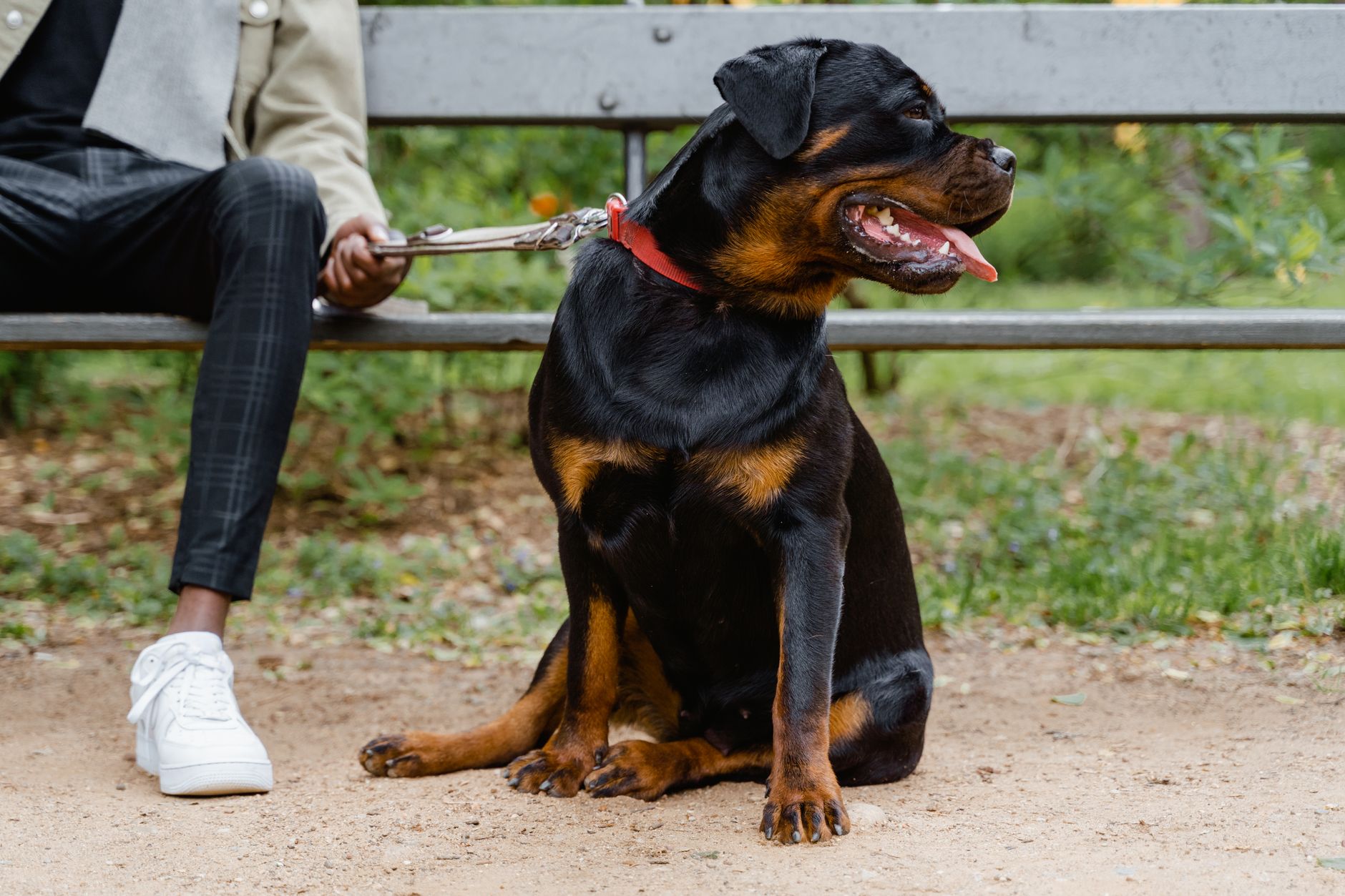
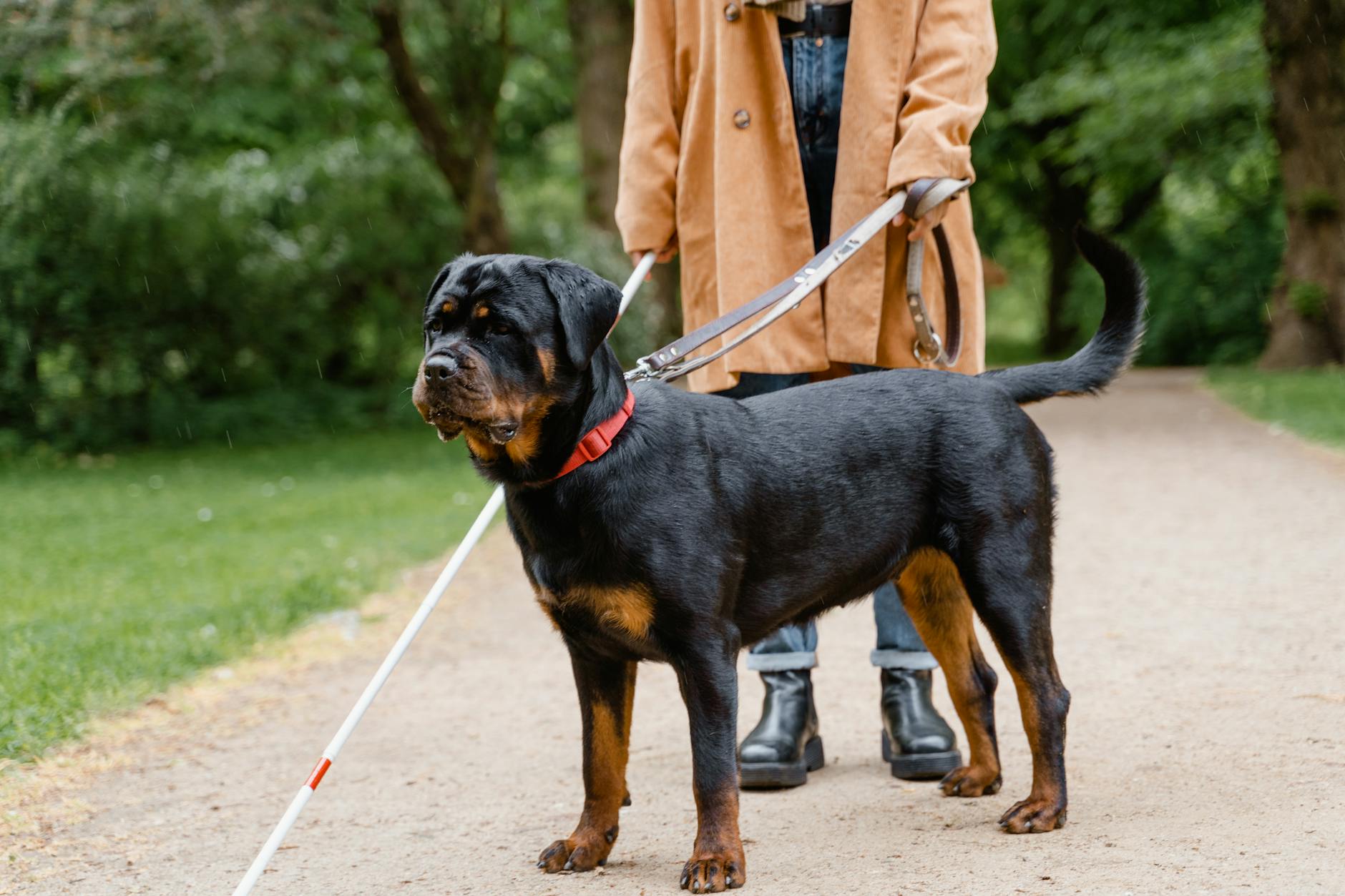
When a Rottweiler walks into my exam room, the first thing I note is their massive skeletal structure. They are molosser-type dogs, meaning they are built for raw strength, heavy bone density, and low-center-of-gravity power.
A male Rottweiler can easily tip the scales at 110 to 135 pounds of compact muscle. This massive frame places substantial stress on their growing joints, requiring careful management during their first two years of life.
In contrast, the Doberman Pinscher is a masterclass in canine aerodynamics. They are sleek, wedge-headed, and built for speed and endurance rather than brute force.
A male Doberman typically weighs between 75 and 100 pounds, standing slightly taller than the Rottweiler but carrying a much lighter skeletal frame. In my clinical experience, this structural difference changes how they age, how they move, and how we treat their injuries.
- Rottweiler Weight Range: Males 110-135 lbs, Females 80-100 lbs
- Doberman Weight Range: Males 75-100 lbs, Females 60-90 lbs
- Rottweiler Coat: Thick, double coat that sheds moderately year-round
- Doberman Coat: Single, short, smooth coat with very minimal cold tolerance
Temperament and Guarding Instincts in Clinical Practice
I always tell my clients that a Rottweiler guards like a concrete wall, while a Doberman guards like a live wire. In the clinic, a well-socialized Rottweiler is often calm, quiet, and incredibly stoic.
They observe their surroundings with a steady, unblinking gaze and will step physically between their owner and any perceived threat. They do not scare easily, but their sheer physical power means any fear-based aggression can be catastrophic.
Dobermans, on the other hand, are highly sensitive and emotionally complex ‘velcro’ dogs. They thrive on intense human connection and can become neurotic if left alone for long periods.
They are alert to the slightest change in their environment, making them incredibly fast reactors. This high-strung nature means they require a very calm, confident owner who can prevent their natural vigilance from turning into nervous reactivity.
- Rottweiler Style: Calm, deliberate, physical blocking, highly independent thinker
- Doberman Style: Rapid response, vocal, intensely attached to one primary handler
- Training Needs: Both require early bite-inhibition training and intensive socialization before 16 weeks of age
- Anxiety Risk: Dobermans are far more prone to separation anxiety and stress-induced behaviors
Cardiovascular Health: The Silent Threats
From a veterinary standpoint, the Doberman Pinscher faces one of the most heartbreaking genetic crises in the canine world: Dilated Cardiomyopathy (DCM). This condition causes the heart muscle to become thin, weak, and dangerously enlarged.
It is estimated that up to 60 percent of Dobermans will develop some form of DCM during their lifetime. I always recommend yearly echocardiograms and 24-hour Holter monitor testing starting at age two for my Doberman patients.
Rottweilers are not immune to heart disease, but their primary threat is Subaortic Stenosis (SAS). This is a congenital narrowing of the left ventricular outflow tract, which forces the heart to work much harder to pump blood.
We screen for this in puppyhood by listening closely for a specific heart murmur. If your Rottweiler puppy is diagnosed with SAS, it can significantly limit their lifespan and exercise tolerance.
- Doberman DCM Signs: Exercise intolerance, coughing, fainting spells, rapid breathing at rest
- Rottweiler SAS Signs: Soft heart murmur, lethargy, exercise-induced weakness
- Recommended Screenings: Annual Holter monitoring for Dobermans; puppy cardiac auscultation for Rottweilers
- Preventative Steps: Avoid grain-free diets unless medically indicated, as they are linked to secondary taurine-deficient DCM
Orthopedic Vulnerabilities and Joint Care
What I see most often in practice with Rottweilers is orthopedic disease, particularly Cranial Cruciate Ligament (CCL) tears. Because of their heavy build and steep tibial plateau angles, Rottweilers frequently rupture this knee ligament.
I perform or refer more Tibial Plateau Leveling Osteotomy (TPLO) surgeries on Rottweilers than almost any other breed. Keeping them lean during their growth phase is critical to protecting these vulnerable joints.
Dobermans face a very different, structurally neurological orthopedic threat known as Wobbler Syndrome, or Cervical Spondylomyelopathy. This is a disease of the cervical spine that causes compression of the spinal cord, leading to a wobbly, uncoordinated gait in the hind legs.
It is a progressive condition that often requires specialized neurosurgery or strict medical management to keep the dog comfortable.
- Rottweiler Orthopedic Risks: Hip dysplasia, elbow dysplasia, CCL ruptures, osteochondritis dissecans (OCD)
- Doberman Orthopedic Risks: Wobbler Syndrome, hip dysplasia, arthritis of the lower spine
- Growth Management: Both breeds must be fed large-breed-specific puppy food to prevent rapid, uneven bone growth
- Clinical Tip: Never use neck collars on Dobermans; always use a chest harness to protect their sensitive cervical spines
Hematological and Genetic Conditions to Watch
Before I ever take a Doberman into surgery, I run a von Willebrand disease (vWD) genetic test or a buccal mucosa bleeding time test. Type 1 vWD is incredibly common in Dobermans, characterized by a deficiency in the protein needed for blood platelets to stick together.
A simple routine neuter or spay can turn fatal if we do not know the dog has this bleeding disorder ahead of time.
For my Rottweiler patients, the genetic shadow that looms largest is Osteosarcoma, an aggressive and highly malignant bone cancer. It typically strikes their long leg bones, causing sudden, painful limping.
Rottweilers are also genetically predisposed to Juvenile Laryngeal Paralysis and Polyneuropathy (JLPP). This severe disease affects their vocal cords and airway, making it difficult for them to breathe or swallow safely.
- Doberman Hematology: Always test for von Willebrand’s factor before any surgical procedure
- Rottweiler Cancer Alert: Sudden, unexplained limping in a Rottweiler requires immediate X-rays to rule out osteosarcoma
- JLPP Testing: Ensure breeders have tested both parent dogs to ensure they are not carriers of the JLPP gene
- Clinical Action: Keep emergency clotting agents and plasma on hand when operating on vWD-positive Dobermans
Gastric Dilatation-Volvulus (GDV) Risk and Prevention
Because both the Rottweiler and the Doberman Pinscher possess deep, barrel-shaped chests, they are both at extreme risk for Gastric Dilatation-Volvulus (GDV), commonly known as bloat. This is a life-threatening emergency where the stomach fills with gas and twists on its axis, cutting off blood supply to the heart and stomach tissue.
Without immediate surgical intervention, GDV is rapidly fatal.
During routine spay or neuter surgeries, I often discuss a prophylactic gastropexy with owners of both breeds. This surgical procedure tacks the stomach wall to the abdominal wall, preventing it from twisting even if the dog experiences gas bloat.
It is a highly effective, preventative lifesaver that I cannot recommend enough for these specific chest conformations.
- Early Symptoms: Unproductive retching, restlessness, drooling, a distended or hard abdomen
- Feeding Habits: Feed multiple small meals a day rather than one large feeding
- Exercise Rules: Avoid vigorous running, jumping, or play for at least one hour before and after meals
- Surgical Prevention: Consider a preventative gastropexy at the time of spay or neuter
Dietary Needs and Lifespan Realities
Managing the weight of these breeds is one of my primary jobs as a veterinarian. Rottweilers have a slower metabolism and are highly prone to obesity, which drastically worsens their joint arthritis and heart strain.
Dobermans are higher-energy burners, but their diets must be rich in high-quality proteins and L-carnitine to support their hardworking cardiac muscles.
In terms of lifespan, Dobermans generally live slightly longer, averaging 10 to 12 years of age, whereas Rottweilers typically average 8 to 10 years. Keeping either breed at a lean, healthy body condition score (BCS of 4 or 5 out of 9) can add up to two years of high-quality life.
I always remind owners that a lean dog is a comfortable, long-lived dog.
Obesity Prevention in Rottweilers
Rottweilers are food-motivated and excel at begging, which quickly leads to obesity. I recommend using puzzle feeders to slow their eating and strictly measuring their kibble using a standard measuring cup, rather than eyeballing it.
Frequently Asked Questions
Which breed is better for a family with young children?
With proper socialization, both can be wonderful family dogs. However, Rottweilers are very large and can accidentally knock over small children, while Dobermans can be overly sensitive to the loud, chaotic noises of young kids. I recommend waiting until children are older before bringing either guardian breed into the home.
Are Dobermans more aggressive than Rottweilers?
Neither breed is inherently aggressive when bred and trained correctly. Dobermans tend to be more reactive and vocal, whereas Rottweilers are physically imposing and stoic. Both require experienced handlers who understand canine body language to prevent protective instincts from turning into over-guarding.
How much exercise do these breeds need daily?
A Doberman needs at least 90 minutes of vigorous, high-energy exercise and mental stimulation daily to prevent destructive behaviors. Rottweilers require about 60 minutes of moderate exercise, focusing more on steady walks and training sessions to protect their heavier joints from high-impact damage.
Do I need to crop a Doberman’s ears and dock their tail?
From a veterinary standpoint, ear cropping and tail docking are purely cosmetic procedures that do not benefit the health of the dog. Many modern veterinarians, including myself, advocate for leaving their ears natural, which also helps soften their public image and makes them look friendlier.
What is the average cost of veterinary care for these breeds?
Due to their size and genetic health risks, veterinary care for both breeds is higher than average. You should budget for regular joint supplements, annual cardiac screenings (especially for Dobermans), and potential emergency pet insurance to cover orthopedic surgeries or GDV emergencies.
Sources & Further Reading
- American Kennel Club (AKC)
- Merck Veterinary Manual
- American Veterinary Medical Association (AVMA)
- Cornell University College of Veterinary Medicine
Final Thoughts
Choosing between a Rottweiler and a Doberman Pinscher is not just about choosing an aesthetic; it is about choosing a lifestyle. If you prefer a calm, robust, heavy-weight companion and can manage orthopedic risks, the loyal Rottweiler is an exceptional choice.
If you want a highly active, sensitive, intensely loyal shadow and are prepared for diligent heart health screening, the Doberman is unmatched. Whichever breed you choose, committing to early training, proper nutrition, and regular veterinary checkups is the key to a long, happy life together.
I always love seeing both of these breeds in my clinic, and with the right care, they make incredibly rewarding companions.