
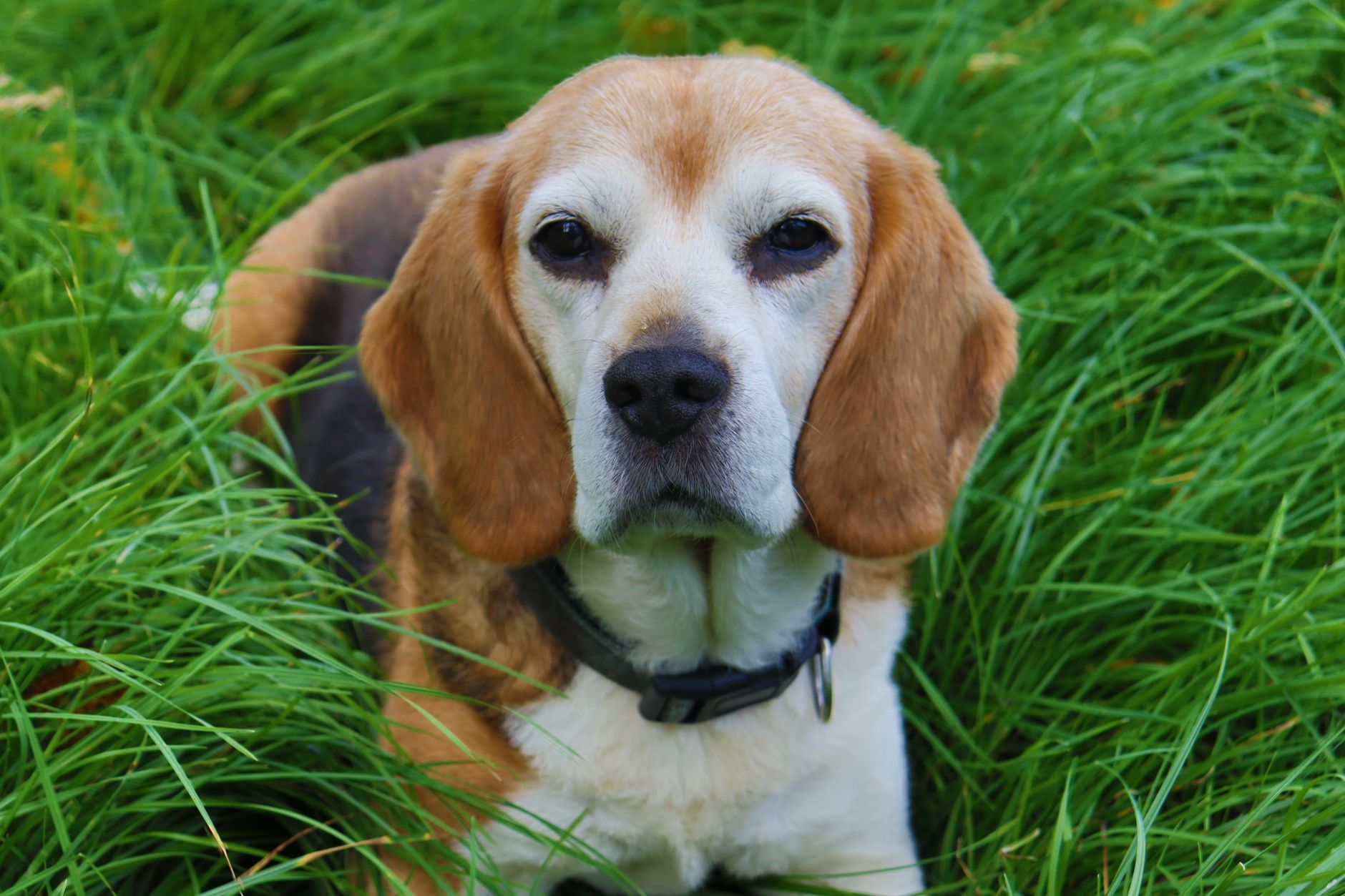
 Beagle vs Basset Hound: Comparing Two Classic Scent Hounds” loading=”lazy”>
Quick Summary
Beagles and Basset Hounds are iconic scent hounds with vastly different physical needs, energy levels, and clinical risks. While Beagles are high-energy, vocal athletes prone to cherry eye and epilepsy, Bassets are low-key, heavy-boned companions susceptible to ear infections, skin fold dermatitis, and Intervertebral Disc Disease (IVDD). Choosing between them depends on your ability to match their distinct activity requirements and long-term health management needs.
In my twenty years of veterinary practice, I have seen hundreds of hound dogs walk—or sniff—their way through my clinic doors. Many prospective owners assume all scent hounds are alike: floppy-eared, vocal, and endlessly driven by their noses.
However, putting a Beagle and a Basset Hound side-by-side in a clinical setting reveals two completely different animals. Choosing the wrong one for your lifestyle is a recipe for behavioral frustration and unexpected medical bills.
Key Takeaways
- Beagles are high-energy, athletic escape artists requiring significant daily exercise and mental stimulation.
- Basset Hounds are low-slung, heavy dogs prone to skeletal issues like IVDD due to their genetic dwarfism.
- Both breeds possess a high prey drive and tracking instinct, making off-leash recall extremely difficult to train.
- Bassets require frequent ear and skin fold cleaning to prevent painful yeast and bacterial infections.
- Beagles are highly vocal ‘bayers’ and may not suit apartment living if left alone for long periods.
- Weight management is critical for both breeds, but extra pounds are especially dangerous for a Basset’s long spine.
In This Article
- The Anatomy of a Scent Machine
- The Beagle: Compact, Energetic, and Vocal
- The Basset Hound: Low-Slung, Heavy, and Laid-Back
- Clinical Comparison: Health Profiles and Risks
- The War on Moisture: Grooming and Skin Care
- Training and the Scent Brain: Who is More Stubborn?
- Obesity: The Number One Enemy of Both Breeds
The Anatomy of a Scent Machine
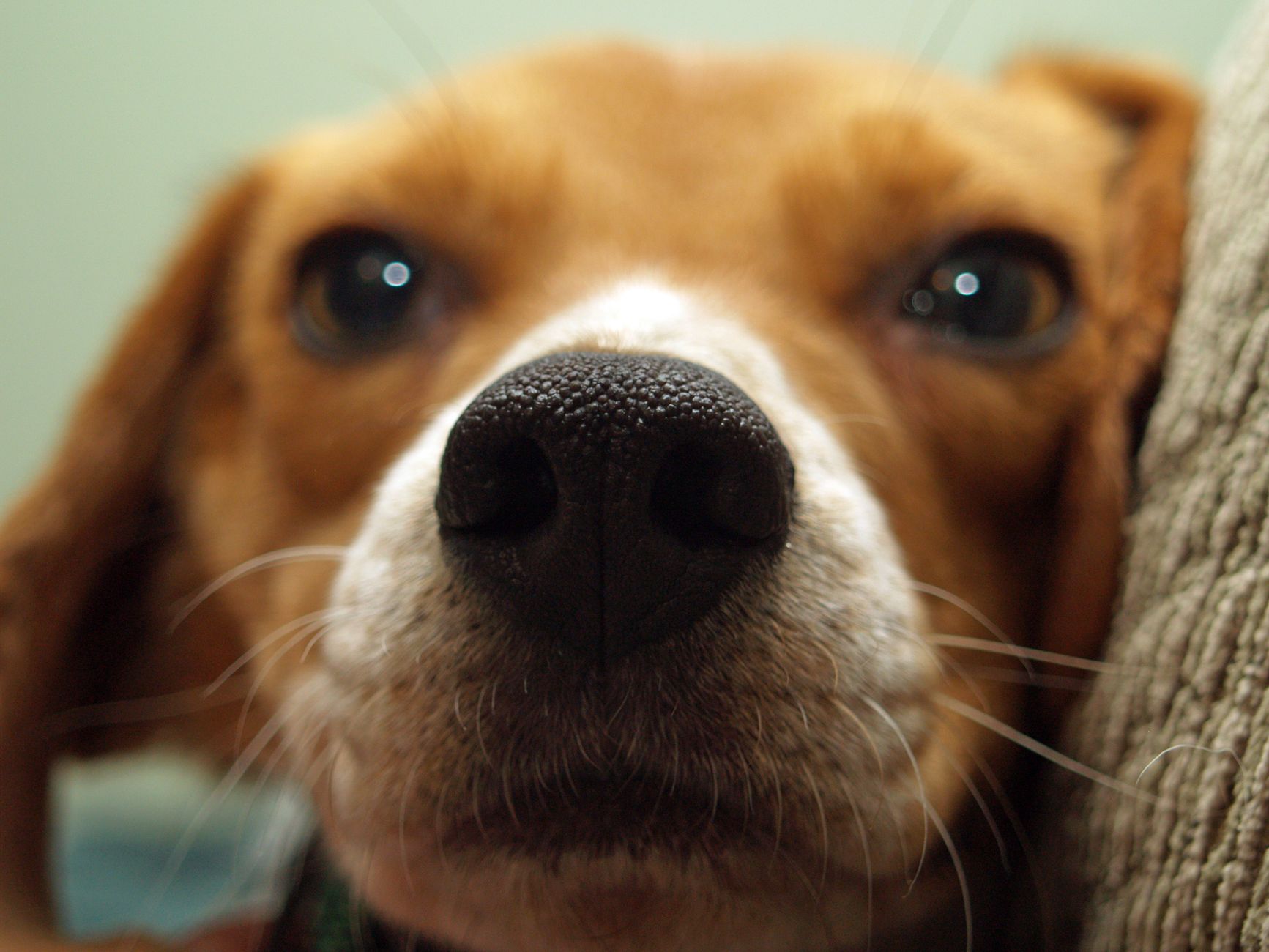
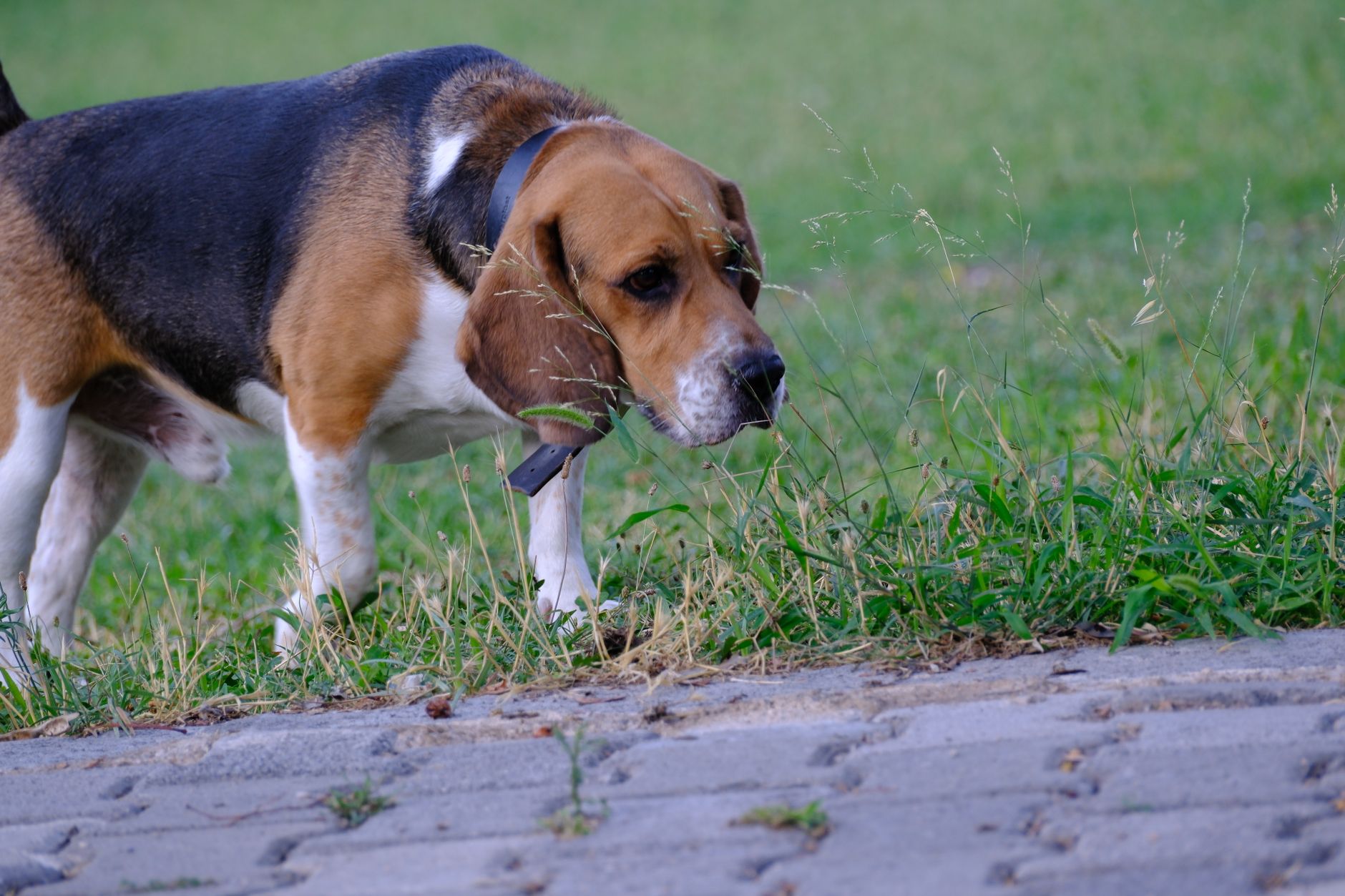
If you look closely at these two breeds, every physical feature is designed to serve their olfactory system. Those famous long, floppy ears are not just adorable; they act as sweepers.
As the dog moves, the ears stir up microscopic scent particles from the ground and funnel them directly to the nose.
Inside their nasal cavities, scent hounds possess up to 220 million or more scent receptors, compared to a human’s measly six million. This hyper-focus on smell dominates their neurology, which is something I constantly have to remind frustrated owners during behavior consultations.
- Ear length: Acts as a physical fan to kick up odors from the grass.
- Dewlaps (loose neck skin): Traps scent particles close to the face as they sniff.
- Stature: Keeps the nose naturally close to the ground without straining.
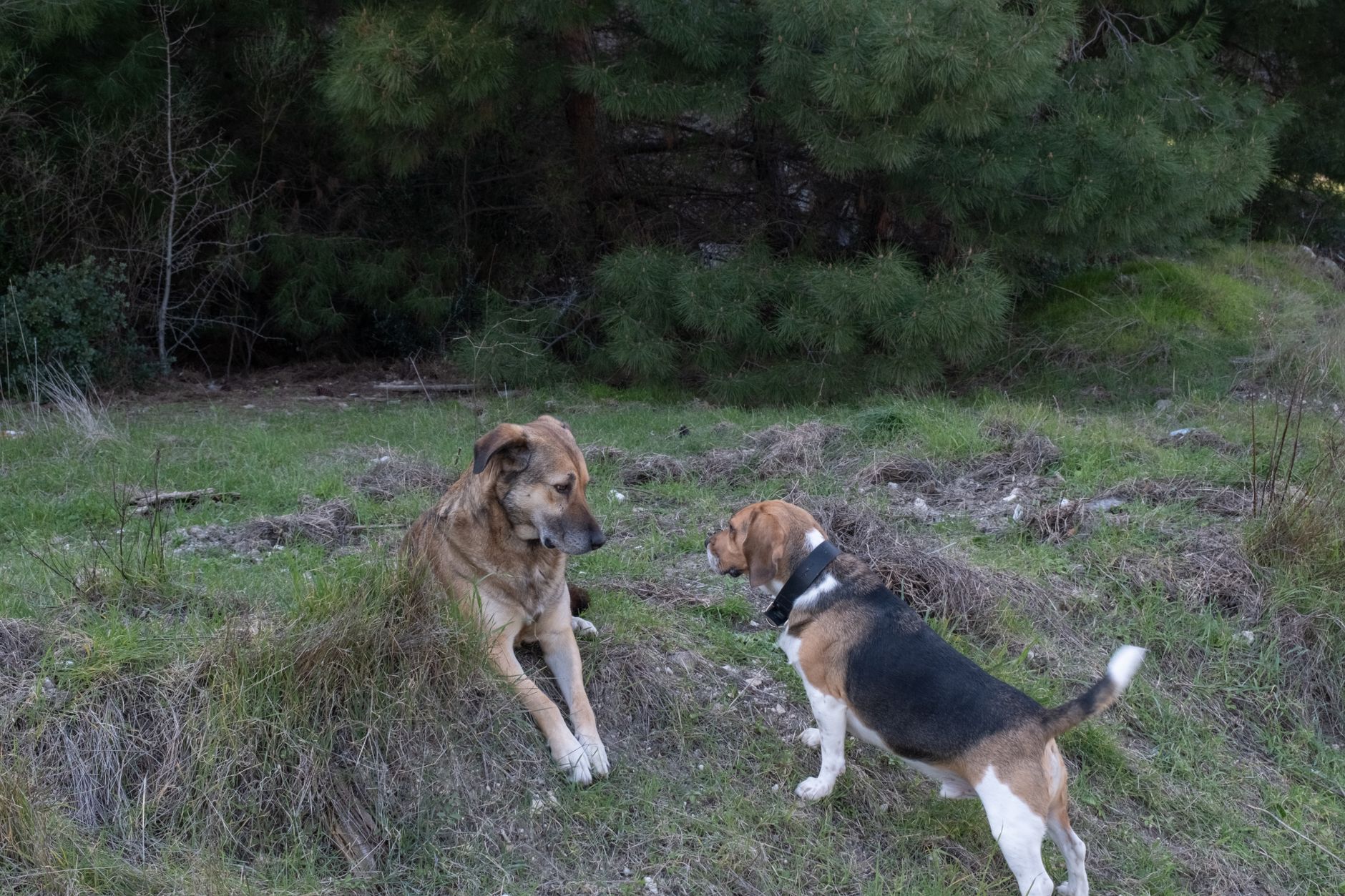
The Beagle: Compact, Energetic, and Vocal
In my clinic, Beagles are known as the busy bees of the hound world. They are small, compact athletes originally bred to hunt rabbits in packs.
This pack mentality makes them highly social, but it also means they despise being left alone.
They possess an incredibly high motor and require active daily exercise to prevent destructive behaviors. A bored Beagle will dig, chew, or serenade your neighbors with their signature three-octave bay.
- Weight: Typically 20 to 30 pounds.
- Height: Around 13 to 15 inches at the shoulder.
- Exercise needs: At least 60 to 90 minutes of active movement daily.
- Vocalization: Known for three distinct sounds: a bark, a bay, and a half-bay howl.
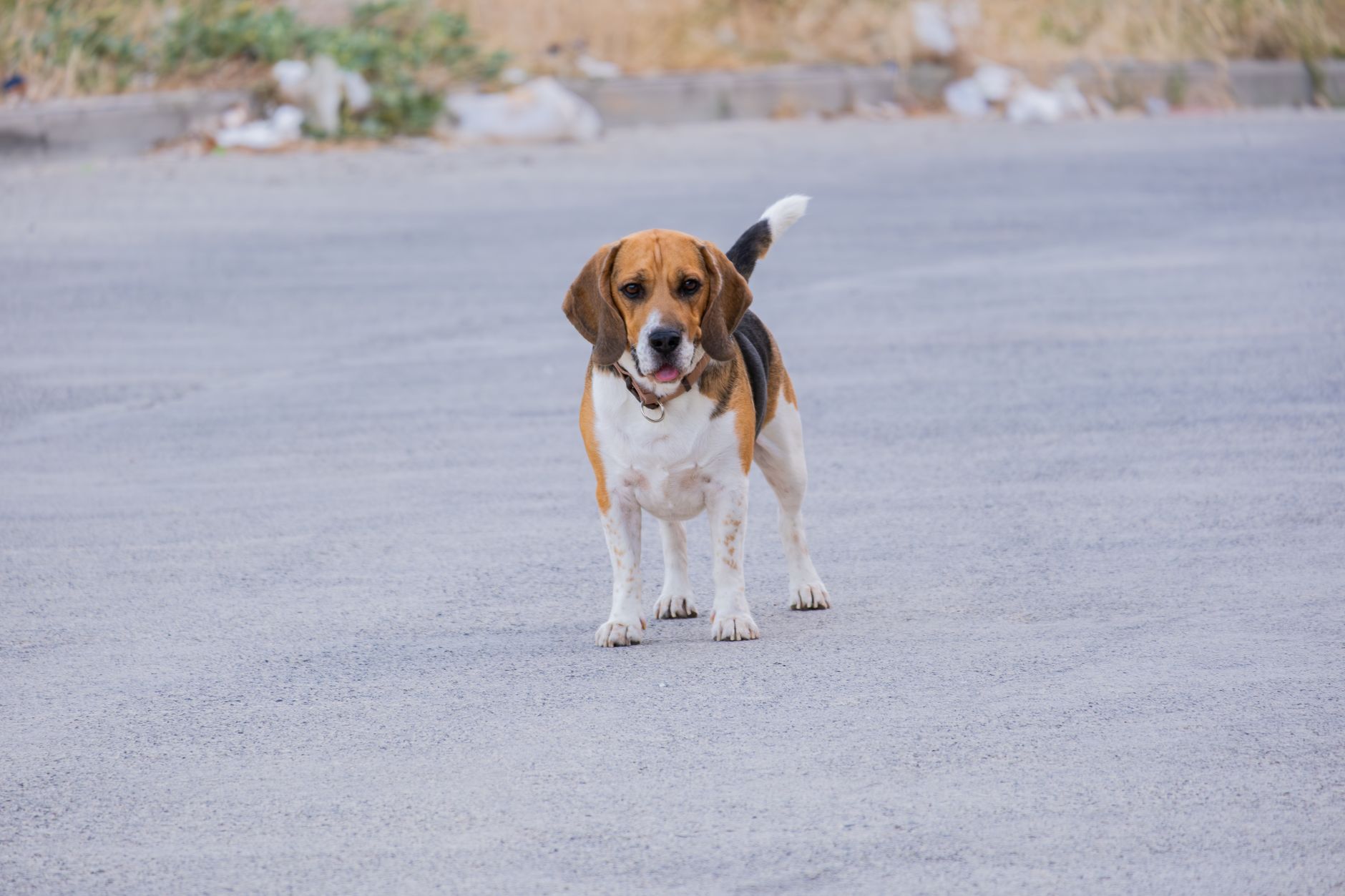
The Basset Hound: Low-Slung, Heavy, and Laid-Back
Basset Hounds are often perceived as lazy, but they are actually heavy-duty endurance trackers. Their unique appearance is the result of osteochondrodysplasia, a form of genetic dwarfism that produces short, curved legs and heavy bone structure.
Do not let their short height fool you; a male Basset can easily weigh 65 pounds or more. They are incredibly dense dogs, and lifting a sick or injured Basset onto my exam table is always a two-person job.
Temperament and Energy
Bassets generally have a much lower energy threshold than Beagles. They are content to snooze on the couch for hours, making them excellent family companions for low-key households.
However, they still require daily walks to keep their heavy joints moving.
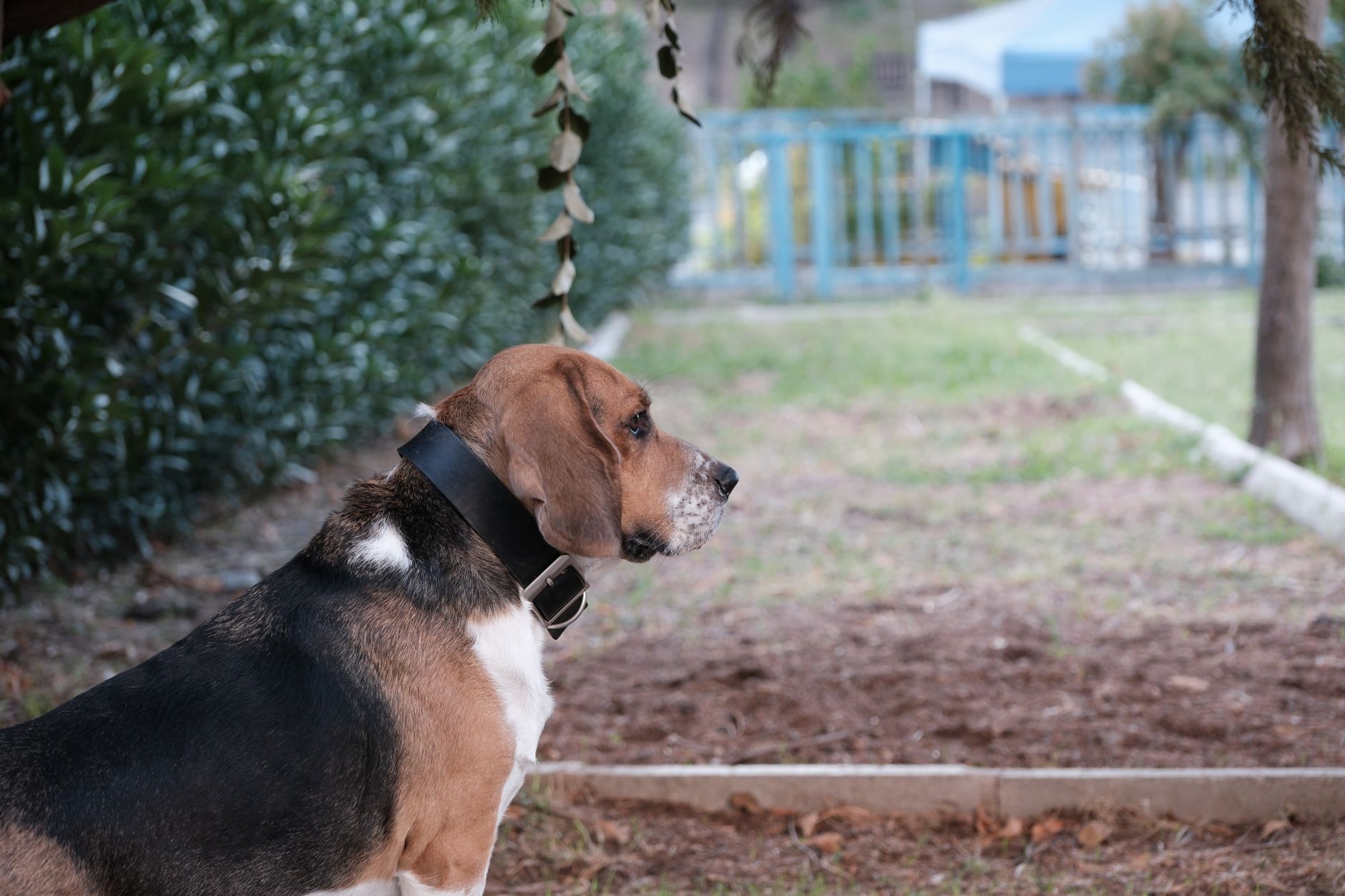
Clinical Comparison: Health Profiles and Risks
As a veterinarian, this is where the comparison becomes most critical for potential owners. While both are relatively hardy breeds, their distinct physical structures predispose them to very different clinical conditions.
Beagles are prone to neurological and ophthalmic issues, while Bassets suffer from musculoskeletal and dermatological ailments. Understanding these genetic predispositions helps you budget for lifelong veterinary care.
- Beagle Risk – Epilepsy: Idiopathic epilepsy often manifests between 1 and 5 years of age, requiring lifetime anticonvulsant therapy.
- Beagle Risk – Cherry Eye: Prolapse of the gland of the third eyelid, which usually requires surgical repositioning.
- Basset Risk – IVDD: Intervertebral Disc Disease can cause sudden paralysis; emergency spinal surgery can cost $6,000 to $10,000.
- Basset Risk – Bloat (GDV): Their deep chests put them at risk for life-threatening stomach twisting.
- Joint Issues: Bassets are highly prone to elbow dysplasia and patellar luxation due to their conformation.

The War on Moisture: Grooming and Skin Care
If you choose a Basset Hound, you must become comfortable with slime, drool, and constant ear cleaning. Their deep facial folds and heavy, pendulous ears trap moisture, creating a perfect dark, warm incubator for yeast and bacteria.
Beagles, by contrast, are relatively low-maintenance. They have a tight, dense coat that sheds moderately year-round but requires only basic weekly brushing and occasional bathing.
- Ear Cleaning: Bassets need their ears cleaned weekly with a veterinary-approved drying astringent.
- Fold Maintenance: Facial and neck folds must be wiped daily with chlorhexidine pads to prevent intertrigo (skin fold dermatitis).
- Nail Care: Basset nails grow fast and thick; regular trims are vital to prevent splay-foot and joint pain.
- Shedding Control: Both breeds have double coats, but a rubber curry brush is usually sufficient for Beagles.
Training and the Scent Brain: Who is More Stubborn?
Clients often come to me complaining that their hound is dumb or untrainable. I always correct them: scent hounds are highly intelligent, but they are bred to work independently of humans.
When a scent hound catches a trail, their prefrontal cortex essentially shuts down to process the odor.
Beagles are highly food-motivated, which makes them easier to train using positive reinforcement. Bassets, while also food-motivated, have a lower tolerance for repetitive training sessions and will simply lie down when they are bored.
- Recall is non-existent: Never trust either breed off-leash in an unsecured area.
- Treat-based training: Use high-value, smelly treats like freeze-dried liver to compete with outdoor odors.
- Leash pulling: Both breeds are nose-to-the-ground pullers; a front-clip harness is highly recommended.
- Patience over punishment: Harsh corrections will cause both breeds to shut down completely.
Obesity: The Number One Enemy of Both Breeds
If there is one clinical warning I shout from the rooftops to hound owners, it is to keep them lean. Obesity is an epidemic in both Beagles and Basset Hounds because of their insatiable appetites and efficient metabolisms.
An extra three pounds on a Beagle is equivalent to fifteen pounds on a human. On a Basset Hound, that extra weight acts like a heavy sack draped over a weak, elongated suspension bridge, accelerating disc degeneration.
Preventing Weight Gain
I recommend feeding measured meals twice daily rather than free-feeding. Use low-calorie green beans or carrots as training treats instead of commercial high-calorie biscuits.
- Use a gram scale to measure kibble accurately.
- Ensure you can easily feel their ribs and see a visible waistline.
- Incorporate puzzle feeders to slow down fast eaters and burn mental energy.
Frequently Asked Questions
Which breed is better for apartment living?
The Basset Hound is generally better suited for apartments due to their lower energy levels and calmer demeanor. However, you must still manage their potential for loud howling and ensure they do not jump off high furniture, which can damage their spine.
Are Beagles or Bassets harder to housebreak?
Both can be notoriously difficult to housebreak because their strong noses can easily detect old urine scents indoors. I recommend using an enzymatic cleaner to destroy odors completely and keeping them on a strict, frequent outdoor bathroom schedule.
Do Basset Hounds drool a lot?
Yes, Basset Hounds drool significantly more than Beagles due to their loose, pendulous lips, known as jowls. If you are fastidious about clean furniture and dry clothes, a Basset Hound may not be the ideal breed for your home.
How long do Beagles and Basset Hounds live?
Beagles generally have a slightly longer lifespan, typically living 12 to 15 years due to their lighter frame. Basset Hounds have an average lifespan of 10 to 12 years, as their heavy skeletal structure can lead to mobility issues in their senior years.
Can these breeds be left alone during the workday?
Neither breed tolerates prolonged isolation well, as they are pack-oriented dogs. Beagles may develop severe separation anxiety and destroy woodwork, while Bassets may bay mournfully for hours, which can quickly distress your neighbors.
Sources & Further Reading
- American Kennel Club (AKC)
- Merck Veterinary Manual
- American Veterinary Medical Association (AVMA)
- PetMD
Final Thoughts
Choosing between a Beagle and a Basset Hound ultimately comes down to matching your daily energy level with their physical realities. If you want an active, pint-sized hiking partner and do not mind a bit of noise, the Beagle is an incredible companion.
If you prefer a slower, soulful roommate and are prepared to manage drool, ear cleanings, and joint health, the Basset will steal your heart. Whichever you choose, committing to strict weight control and positive reinforcement training will ensure a happy, healthy life together.
I always enjoy seeing both of these wonderful breeds in my clinic, as they bring an unmatched joy and personality to any family.