
Australian Tiffanie Breed Guide

Quick Summary
The Australian Tiffanie is a rare, breathtakingly beautiful companion that blends the affectionate, outgoing nature of the Burmese with the serene, gentle elegance of the Chinchilla Persian. Known for their silky semi-longhair coats and expressive green eyes, they make exceptional family pets for households seeking an interactive, loving, and highly social indoor feline.
Quick Facts
- origin countryAustralia
- breed groupSemi-Longhair
- sizeMedium
- weight range8 to 14 lbs (3.6 to 6.4 kg)
- height range9 to 11 inches
- lifespan12 to 15+ years
- coat typeFine, silky semi-longhair with undercoat
- common colorsSilver shaded or tipped with black, blue, brown, chocolate, lilac, or apricot
- other namesSemi-longhair Burmilla
- recognized byACF, CCCA, SACC
Caring for a Australian Tiffanie
Living with an Australian Tiffanie is an absolute joy, but they demand a steady presence in the home. In my practice, I find they thrive best as indoor-only cats due to their trusting nature and valuable coats. They require moderate grooming to prevent mats in their fine, silky fur, along with regular dental care. Because of their social heritage, they should not be left alone for long stretches of time without another companion.
Is a Australian Tiffanie a good family pet?
Absolutely. In my experience, they are incredibly gentle with children and possess a patient demeanor that handles busy households well, provided kids are taught to handle them gently.
Do Australian Tiffanies shed a lot?
They are moderate shedders. Because their semi-long coat is exceptionally fine and silky, they do shed, but regular weekly brushing keeps loose hairs under control and prevents matting.
Is a Australian Tiffanie good for first-time owners?
Yes, they are highly adaptable and forgiving of minor ownership learning curves. However, first-time owners must be committed to their high need for companionship and routine grooming.
Temperament & Personality
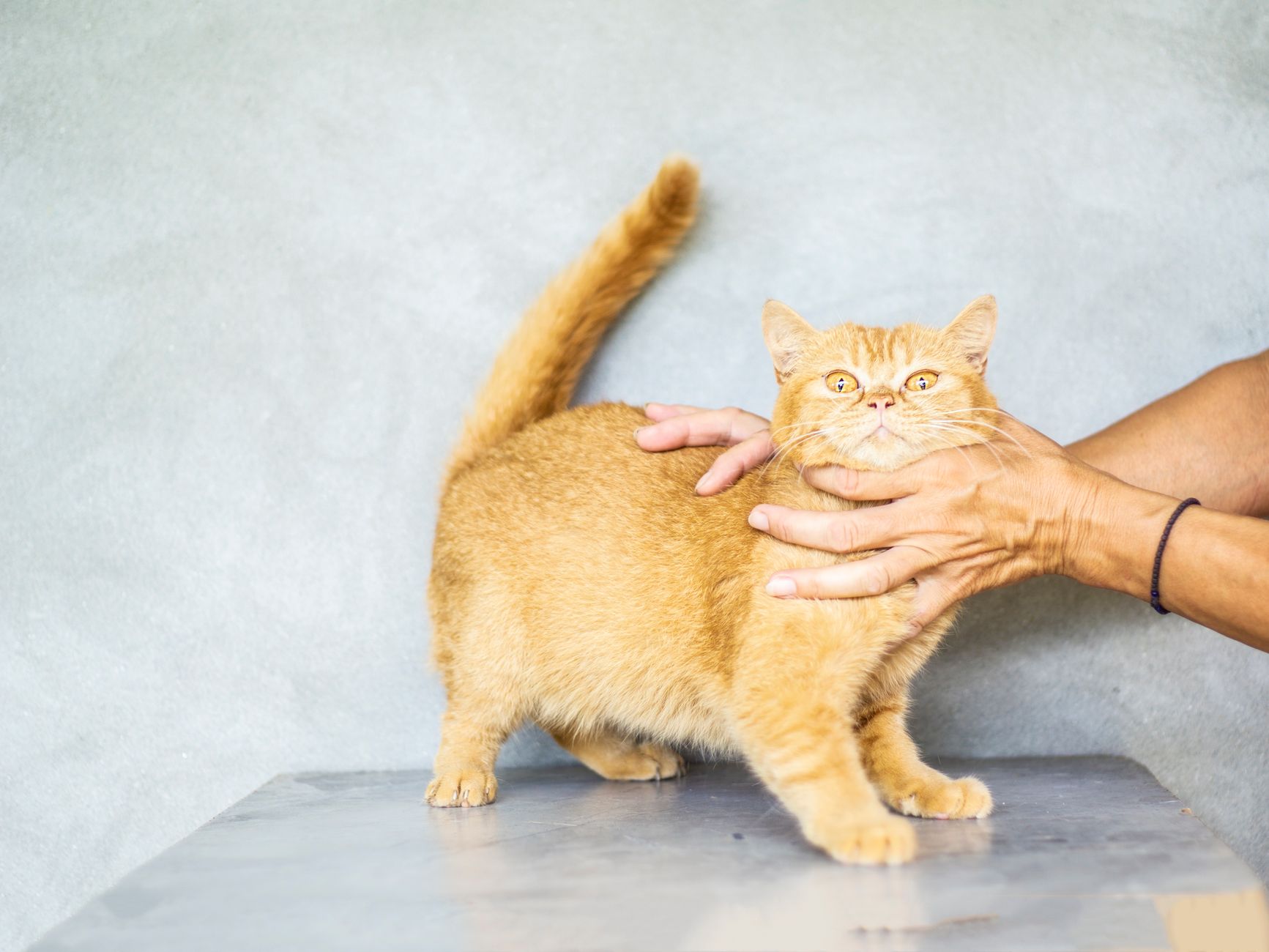
The Australian Tiffanie possesses an enchanting temperament that balances the playful, vocal curiosity of the Burmese with the quiet, placid affection of the Chinchilla. I often describe them as the ultimate ‘lap-and-play’ cat; they will happily chase a feather toy for ten minutes and then curl up on your chest for hours. They form deep bonds with their human caretakers and are known to follow owners from room to room.
Is a Australian Tiffanie good with other pets?
Remarkably so. In my clinical practice, I routinely see them thriving in multi-pet households, easily befriending both other cats and cat-friendly dogs due to their confident, non-aggressive nature.
How much attention does a Australian Tiffanie need?
They require a significant amount of daily interaction. They do not do well in homes where they are left completely alone for 8 to 10 hours a day; a companion pet or a work-from-home owner is highly recommended.
Training & Behavior
Thanks to their Burmese ancestry, Australian Tiffanies are highly intelligent and surprisingly trainable. I often see them mastering basic tricks, leash walking, and interactive puzzle toys far quicker than many other breeds. The key to training them is positive reinforcement and leveraging their desire for human approval.
Training Tips
- Use high-value lickable treats
- Keep training sessions short (3-5 minutes)
- Incorporate clicker training early
- Introduce harness and leash training indoors first
- Redirect scratching behavior with sturdy vertical posts
Fun Activities
- Fetch with lightweight crinkle balls
- Solving advanced food puzzle toys
- Learning to high-five or sit on command
- Exploring on a secure cat harness
- Perching on high vertical cat trees
Is a Australian Tiffanie easy to train?
Yes, they are exceptionally cooperative compared to more independent breeds. They respond wonderfully to food rewards and praise, making behavioral training and trick learning a smooth process.
Australian Tiffanie Health Issues
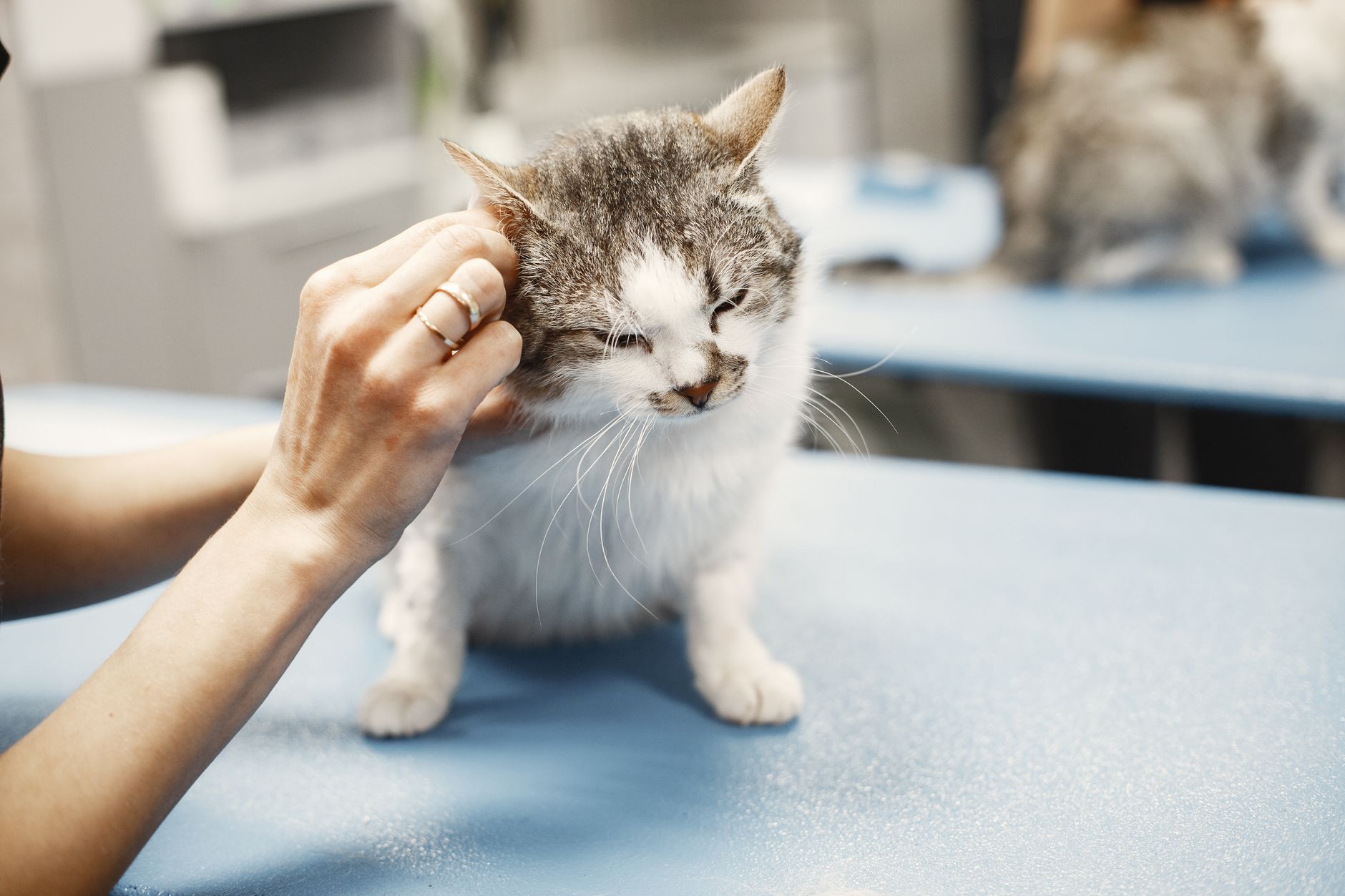
The Australian Tiffanie is a structurally sound and generally robust breed, thanks to careful outcrossing programs. However, because they descend from Burmese and Chinchilla Persian lines, they are susceptible to specific inherited conditions that require veterinary vigilance.
Polycystic Kidney Disease (PKD)
An inherited condition originating from the Persian ancestry, where fluid-filled cysts develop in the kidneys, eventually leading to renal failure. Modern breeders utilize DNA screening to ensure their breeding cats are PKD-negative.
Hypokalemia (Periodic Polymyopathy)
An inherited neuromuscular disorder inherited from the Burmese side, characterized by low blood potassium levels which causes muscle weakness.
Periodontal Disease
Like many domestic breeds with slightly shorter muzzle structures in their ancestry, they are prone to plaque buildup and progressive gum disease if dental hygiene is neglected.
Hypertrophic Cardiomyopathy (HCM)
The most common heart disease in cats, causing thickening of the left ventricular muscle wall, which can lead to heart failure or arterial thromboembolism.
How long do Australian Tiffanies typically live?
With proper preventative veterinary care, a high-quality diet, and an indoor-only lifestyle, they regularly live between 12 and 15 years, with some reaching 18 years or more.
What to Feed a Australian Tiffanie
Feeding an Australian Tiffanie requires balancing their moderate energy levels with their propensity to gain weight as they age. Because they are primarily indoor cats, maintaining a lean body mass index is critical to protecting their joints and kidneys.
Best Diet
I highly recommend a high-protein, low-carbohydrate diet, with a strong emphasis on wet food to support hydration. Look for formulas that list a whole meat source (like chicken or turkey) as the first ingredient.
How to Feed
Avoid free-feeding dry kibble, which easily leads to obesity. Instead, feed measured meals twice daily, or use microchip-activated feeders if you have multiple pets with different dietary needs.
How Much to Feed
Portion sizes should be tailored to their exact weight and activity level, typically ranging between 180 to 240 calories per day for an adult. Always consult your veterinarian to calculate your cat’s specific caloric requirements based on their body condition score.
Nutritional Tips
Adding Omega-3 fatty acids (like wild-caught salmon oil) to their food supports their silky coat and joint health. Ensure fresh, filtered water is always available, ideally via a pet fountain to encourage drinking.
Australian Tiffanie Grooming Guide
Despite having a semi-long coat, grooming an Australian Tiffanie is surprisingly manageable because their fur is silky and lacks the dense, mat-prone undercoat of a full Persian. A consistent routine is still essential to prevent tangles and maintain skin health.
Coat Care
Brush their coat two to three times a week using a soft slicker brush or a greyhound comb. Pay close attention to the softer fur behind the ears and in the armpits where friction-mats can form.
Skin Care
Bathe them only as needed, perhaps once every few months, using a cat-safe moisturizing shampoo. Ensure they are completely dry and brushed out afterward to avoid chilling.
Eye Care
Because of their Persian heritage, some individuals may have slight tear-duct drainage; wipe the corners of their eyes daily with a damp, warm cotton ball to prevent staining.
Ear Care
Check ears weekly for wax buildup or redness; clean only if dirty using a vet-approved, gentle ear flushing solution and a cotton round.
Nail & Dental Care
Trim their nails every two to three weeks. Brush their teeth at least three times a week with veterinary enzymatic toothpaste to combat their inherent risk of periodontal disease.
Considerations for Pet Parents
Pros
- Extremely affectionate and family-friendly
- Beautiful, silky coat that is relatively easy to maintain
- Highly social and gets along wonderfully with other pets
- Intelligent and capable of learning tricks
- Milder, sweet-toned voice compared to the vocal Burmese
- Thrives in indoor environments and apartment living
Cons
- Prone to separation anxiety if left alone too long
- Requires consistent dental care to prevent early tooth loss
- Can be difficult to source outside of Australia
- Needs regular coat maintenance to prevent matting
Best For
They are ideal for active households, families with children, retirees, or individuals who work from home and want a highly affectionate, interactive shadow of a cat.
Not Recommended For
They are not recommended for busy professionals who travel frequently or work long out-of-office hours, as these cats will suffer emotionally without regular companionship.
Cost
- purchase price$1,000 to $2,200 USD
- monthly cost$80 to $150
- initial setupExpect to spend around $500 to $800 initially on high-quality scratching posts, cat trees, litter setups, carrier, grooming tools, and initial veterinary vaccinations and microchipping.
Similar Breeds

Burmilla
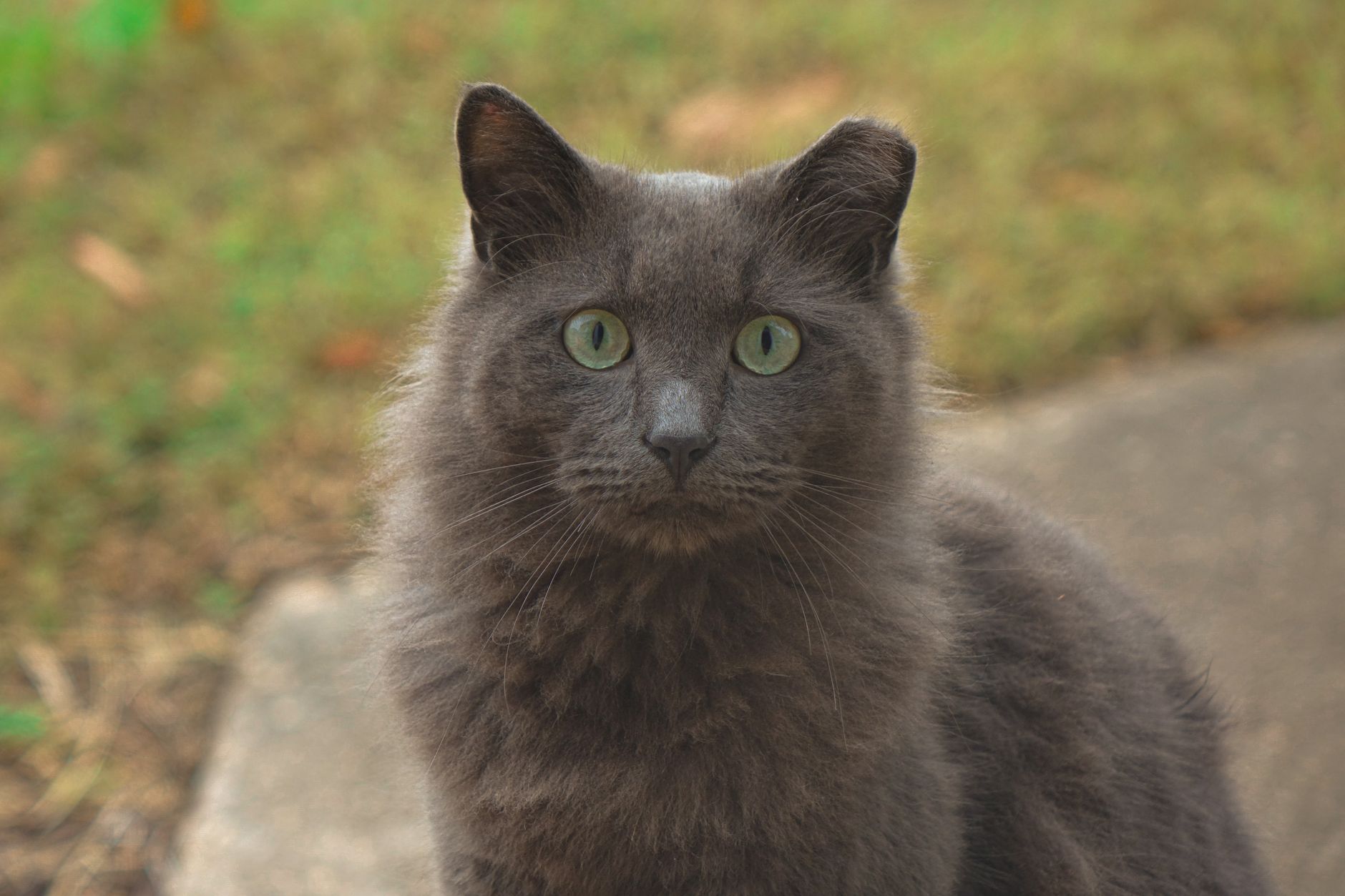
Chantilly-Tiffany
Australian Tiffanie FAQs
Is an Australian Tiffanie the same as a Chantilly-Tiffany?
No, they are entirely distinct breeds. The Chantilly-Tiffany is an older, chocolate-focused American breed that is now virtually extinct, while the Australian Tiffanie is an active Australian breed developed from crosses between the Burmese and the Chinchilla Persian.
What is the difference between a Burmilla and an Australian Tiffanie?
They share the exact same genetic heritage, but the Burmilla has a short, dense coat, whereas the Australian Tiffanie carries the recessive longhair gene, resulting in a beautiful, semi-long, silky coat and a plumed tail.
Do Australian Tiffanies have green eyes?
Yes, mature Australian Tiffanies are famous for their luminous, expressive green eyes, which are outlined in black or dark gray like eyeliner, inheriting this striking feature directly from their Chinchilla Persian ancestors.
Are they hypoallergenic?
No, they are not hypoallergenic. They produce the Fel d 1 protein in their saliva and skin oil, and their semi-long coat can trap dander, meaning they are not ideal for individuals with severe cat allergies.
How often should I bathe my Australian Tiffanie?
Bathing is rarely required, usually only once every 2 to 3 months or if they get dirty. Their silky coat naturally repels dirt, so regular brushing is typically sufficient to keep them clean.
Are they very vocal cats?
They have a moderate level of vocalization. While they inherit the communicative nature of the Burmese, their voice is much softer, sweeter, and less demanding, often sounding like gentle chirps or trills.
Can Australian Tiffanies live as outdoor cats?
No, I strongly advise keeping them strictly indoors. Their trusting, friendly nature makes them highly vulnerable to theft, traffic accidents, predators, and infectious diseases.
Do they get along with dogs?
Yes, they are highly adaptable and confident, making them excellent companions for cat-friendly dogs. Proper, gradual introductions are key to ensuring a harmonious relationship.
At what age do they reach full physical maturity?
Like many semi-longhair breeds, they mature slowly. While they reach their adult height and length around 1 year of age, their full coat density, ruff, plumed tail, and eye color may take up to 2 years to fully develop.
Are they prone to obesity?
Yes, because of their relaxed nature indoors and love for food, they can easily gain weight, especially after neutering. Strict portion control and daily interactive play are essential to keep them lean.
Can they be left alone during the workday?
It is not recommended to leave them completely alone for long workdays. If you must be away, providing them with a feline companion (like another Burmilla or Tiffanie) or a friendly dog is highly beneficial.
How can I find a reputable breeder?
Look for breeders registered with major Australian feline organizations like the Australian Cat Federation (ACF) or the Co-ordinating Cat Council of Australia (CCCA). A reputable breeder will always provide DNA health clearances for PKD and hypokalemia.
Do they require professional grooming?
Usually, no. Their coat does not mat as easily as a Persian’s, so regular home brushing with a slicker brush and comb is perfectly adequate for maintaining their silky coat.
What kind of toys do they prefer?
They love interactive toys that stimulate their hunting instincts, such as wand toys, laser pointers, and feather teasers, as well as complex food puzzle toys that challenge their sharp Burmese intelligence.