
Peke-faced Persian Breed Guide
Quick Summary
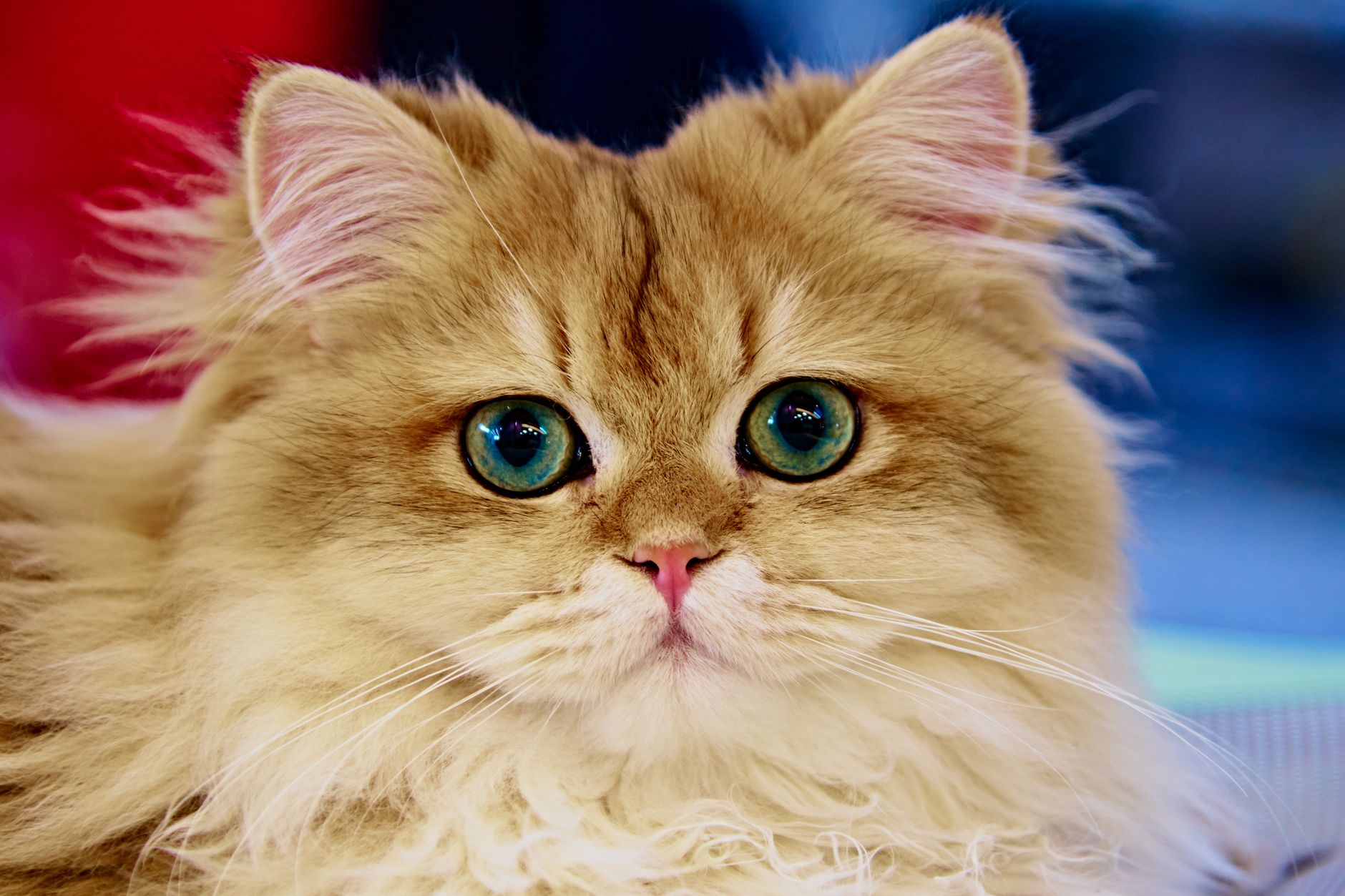
The Peke-faced Persian is an extreme brachycephalic variant of the classic Persian, prized for its exceptionally flat, Pekingese-like face and serene, aristocratic demeanor. In my years treating this breed, I always remind owners that their striking looks require dedicated daily medical management and meticulous grooming. They are best suited for quiet, devoted indoor homes with experienced owners who can stay vigilant about their respiratory and ocular health.
Quick Facts
- origin countryUnited States
- breed groupLonghair / Persian Division
- sizeMedium
- weight range7-12 pounds
- height range8-10 inches
- lifespan10-15 years
- coat typeLong, dense, and luxurious double coat
- common colorsWhite, black, blue, red, cream, silver, cameo, tortoiseshell, and calico
- other namesRed Persian, Peke-face Persian
- recognized byThe Cat Fanciers’ Association (CFA)
Caring for a Peke-faced Persian
What I see most often in practice is that day-to-day life with a Peke-faced Persian revolves around calm companionship and strict maintenance routines. They are quintessential indoor lap cats who prefer lounging on a soft cushion to scaling bookshelves. However, their extreme facial structure means you must factor in daily eye wiping, facial fold cleaning, and meticulous coat brushing to keep them healthy. Owners must also maintain a temperature-controlled, stress-free environment because these cats struggle to regulate their body heat.
Is a Peke-faced Persian a good family pet?
They can be wonderful, gentle companions in a quiet household with older, respectful children who understand how to handle a delicate cat. Their low-energy nature means they won’t appreciate chaotic, noisy environments or rough play. Always monitor interactions to ensure the cat’s delicate facial features and eyes are protected.
Do Peke-faced Persians shed a lot?
Yes, their long, abundant double coats shed year-round, with heavier seasonal blowouts in the spring and fall. Without daily brushing, their fine undercoat mats rapidly, which can lead to painful skin infections. Daily grooming is an absolute non-negotiable part of owning this breed.
Is a Peke-faced Persian good for first-time owners?
I generally do not recommend this breed for absolute beginners due to their intensive grooming requirements and complex brachycephalic health needs. First-time owners often underestimate the daily commitment required for eye care and respiratory monitoring. If you are willing to learn from your veterinarian, however, their docile nature can be rewarding.
Temperament & Personality
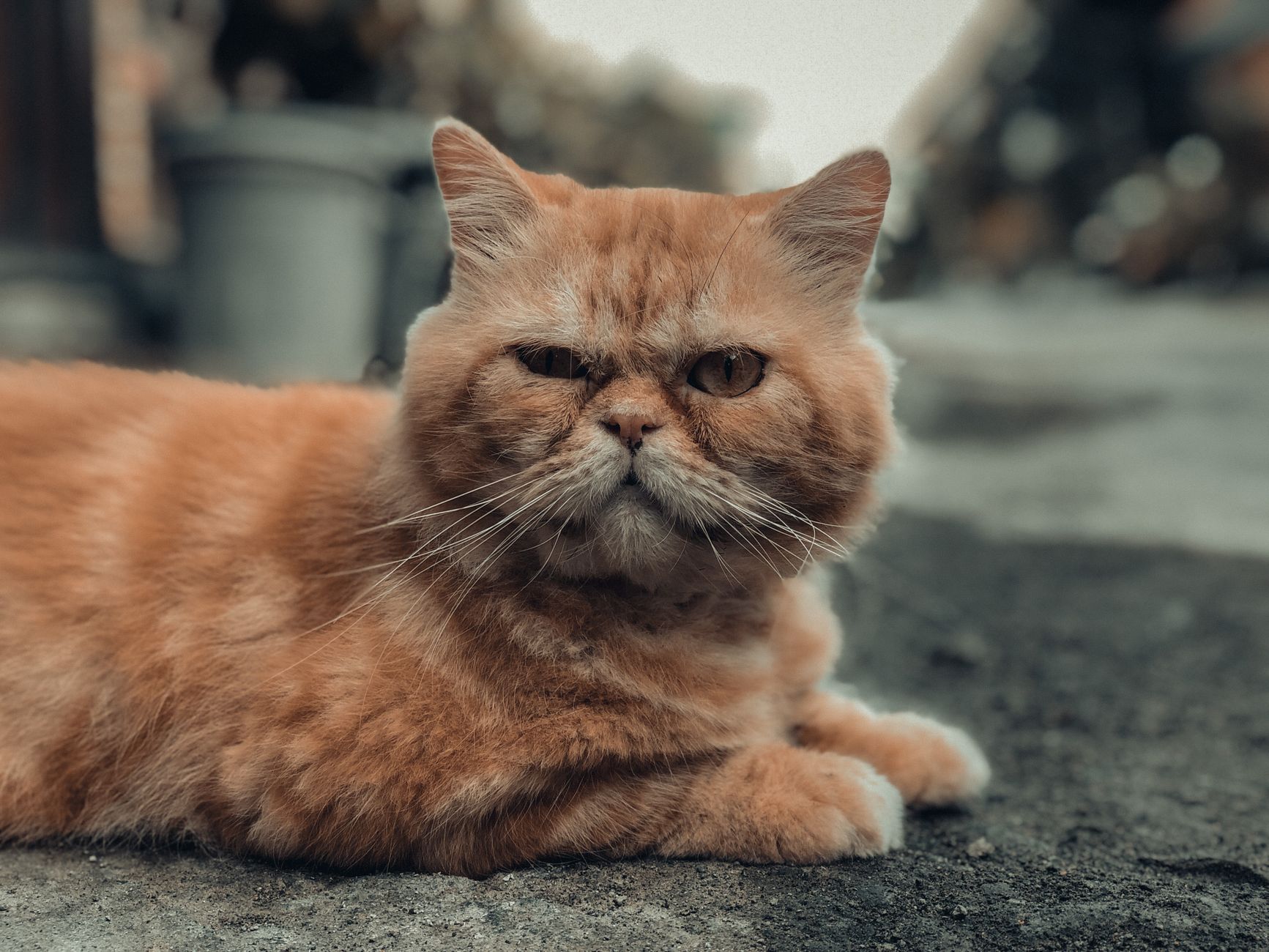
The personality of the Peke-faced Persian is profoundly gentle, sweet, and placid. They are famously laid-back creatures who prefer a predictable routine and a quiet lap over high-flying acrobatics. While they form deep, loyal bonds with their chosen humans, they are remarkably unobtrusive and rarely demand attention aggressively.
Is a Peke-faced Persian good with other pets?
They generally coexist peacefully with other calm cats and cat-friendly dogs, provided introductions are handled slowly. Because they are docile and lack defensive vigor, they should never be housed with overly boisterous animals that might bully them. Their peaceful demeanor usually makes them non-threatening members of a multi-pet household.
How much attention does a Peke-faced Persian need?
They are not overly demanding cats, but they do crave steady human companionship and prefer not to be left alone for long work shifts. Much of their required ‘attention’ actually takes the form of your time spent grooming them and monitoring their health. They will happily spend hours napping near you while you work or relax.
Training & Behavior
When it comes to training, Peke-faced Persians are not high-achieving obedience stars, but their docile nature makes them easy to live with. They generally have zero interest in agility courses or complex tricks, preferring to master the art of looking majestic on the sofa. Positive reinforcement and gentle encouragement work best for any minor household adjustments you need to make.
Training Tips
- Use gentle positive reinforcement with soft treats
- Introduce grooming tools gradually as a kitten
- Keep litter boxes easily accessible with low sides
- Provide shallow, wide food and water bowls
- Keep training sessions very short and calm
Fun Activities
- Chasing a slow-moving feather wand
- Lounging in sunbeams on a window perch
- Playing gently with catnip-infused plush mice
- Observing household routines from a secure vantage point
Is a Peke-faced Persian easy to train?
They are naturally well-mannered and clean house cats, making formal training largely unnecessary beyond standard litter box habits. They are not motivated by traditional training cues, so success lies more in environmental management than teaching commands. Consult your veterinarian if you notice sudden changes in elimination habits, as this often signals a medical issue rather than a training failure.
Peke-faced Persian Health Issues
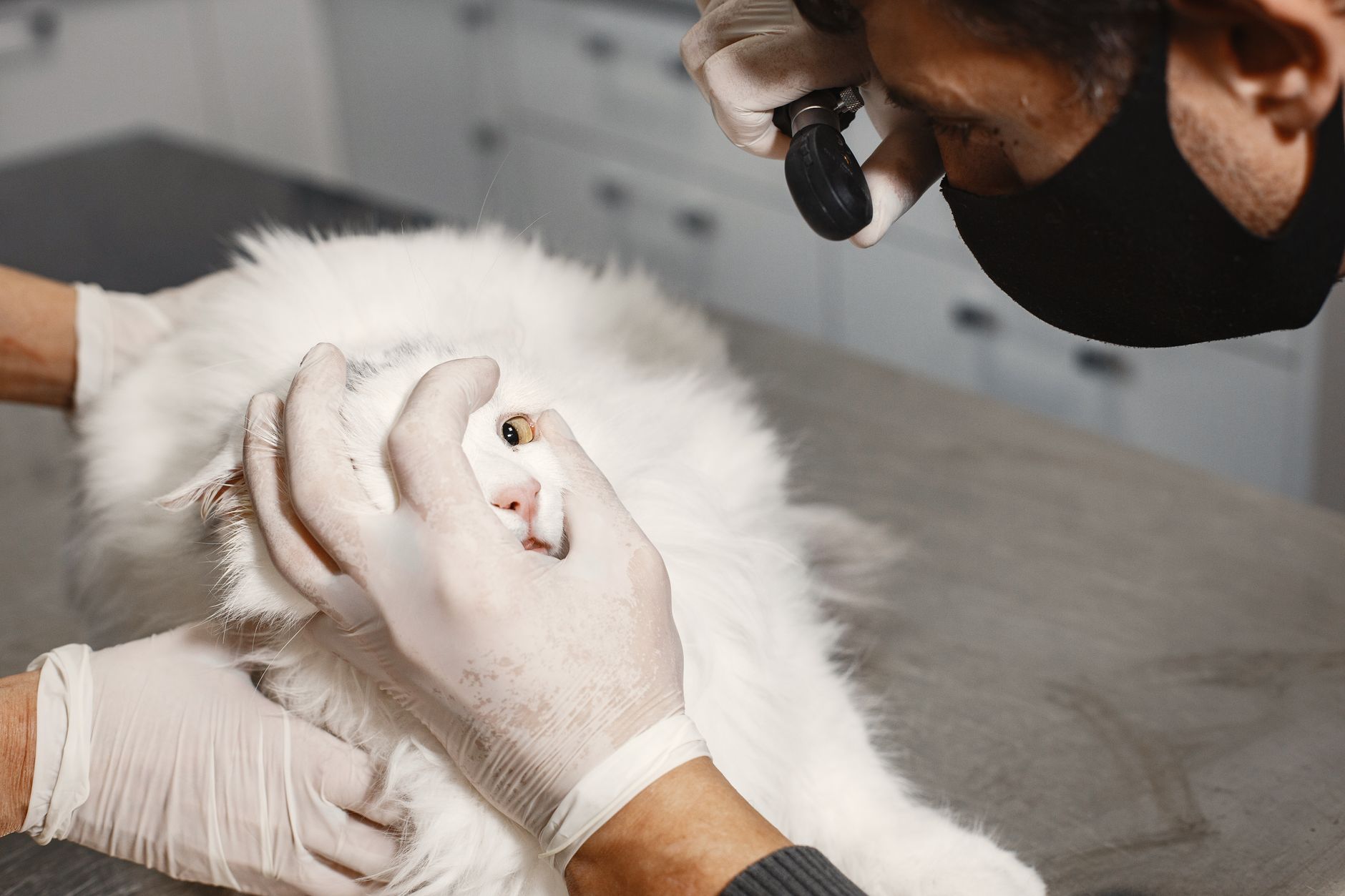
In my clinic, the health profile of the Peke-faced Persian is dominated by brachycephalic syndrome and related anatomical challenges. Their extreme facial flattening severely impacts their respiratory and ocular systems, requiring proactive, lifelong veterinary oversight. Owners must be exceptionally vigilant about breathing difficulties, heat intolerance, and eye injuries.
Brachycephalic Obstructive Airway Syndrome (BOAS)
Due to their compressed facial bones, these cats often suffer from stenotic nares, an elongated soft palate, and hypoplastic tracheas, making airflow severely restricted. This leads to labored breathing, loud snoring, and an extreme vulnerability to heat stroke.
Primary Seborrhea and Facial Dermatitis
The deep facial folds around their compressed nose trap moisture, sebum, and debris, creating a prime breeding ground for bacterial and fungal skin infections. Regular cleaning is mandatory to prevent painful dermatitis.
Epiphora and Corneal Ulceration
Their compressed tear ducts often fail to drain properly, causing constant overflow (epiphora) that stains the facial fur. Furthermore, their prominent eyes are highly susceptible to scratches, exposure keratitis, and painful corneal ulcers.
Polycystic Kidney Disease (PKD)
This is an inherited genetic condition causing multiple fluid-filled cysts to form in the kidneys, gradually enlarging and destroying surrounding kidney tissue over time. Fortunately, genetic DNA tests are widely available to screen breeding lines.
How long do Peke-faced Persians typically live?
With attentive indoor care, proper nutrition, and proactive veterinary management, Peke-faced Persians typically live between 10 and 15 years. Their lifespan is heavily influenced by how well their respiratory and kidney health are managed over their lifetime. Regular wellness exams every six months are vital for catching age-related complications early.
What to Feed a Peke-faced Persian
Feeding a Peke-faced Persian requires careful consideration of their unique facial anatomy, which makes picking up standard kibble difficult. I always advise owners to select specialized flat-faced cat diets served in shallow, wide bowls to reduce eating frustration. Portion control is equally important since their low activity levels put them at high risk for obesity.
Best Diet
A high-quality commercial or veterinary-formulated diet tailored for long-haired indoor cats, often utilizing specially shaped kibble designed for brachycephalic jaws. Wet food supplementation is frequently beneficial to help maintain optimal hydration and support kidney health.
How to Feed
Feed measured meals two to three times daily rather than free-feeding, using shallow ceramic or stainless steel dishes. Ensure fresh water is always available in multiple locations, utilizing a pet fountain if they prefer running water.
How Much to Feed
Caloric needs vary based on age, weight, and spay/neuter status, but most adult Persians require roughly 200 to 250 calories per day. Always consult your veterinarian to calculate an exact, customized feeding amount for your individual cat.
Nutritional Tips
Incorporate omega-3 fatty acids into their diet to support skin barrier function and coat luster. Monitor their weight closely by feeling their ribs; even a small weight gain can exacerbate their breathing difficulties.
Peke-faced Persian Grooming Guide
Grooming a Peke-faced Persian is a daily commitment that requires patience, the right tools, and an established routine from a young age. Their luxurious coats and flat faces make them uniquely prone to matting, skin fold infections, and severe tear staining. Skipping even a couple of days can result in pelting that requires professional shaving.
Coat Care
Brush the entire coat daily using a steel comb and a slicker brush to remove loose undercoat hairs and prevent painful mats. Pay special attention to high-friction areas prone to tangling, such as the armpits, belly, and behind the ears.
Skin Care
Clean their facial wrinkles daily using a damp, unfragranced veterinary wipe or a soft cloth, followed by drying the area thoroughly to prevent moisture-based dermatitis.
Eye Care
Wipe the corners of the eyes and surrounding fur daily with a sterile saline solution or specialized pet eye wipes to clear away tear overflow and prevent staining.
Ear Care
Check their ears weekly for wax buildup, debris, or signs of infection, cleaning gently with a vet-approved ear cleanser as needed.
Nail & Dental Care
Trim their claws every 2 to 3 weeks and introduce daily toothbrushing with pet-safe toothpaste to combat periodontal disease.
Considerations for Pet Parents
Pros
- Extremely affectionate and loving lap cat
- Quiet, gentle, and unobtrusive demeanor
- Stunning, aristocratic appearance
- Well-suited exclusively for indoor living
- Generally peaceful with other calm pets
Cons
- Requires intensive, non-negotiable daily grooming
- Significant veterinary costs due to brachycephalic health issues
- Prone to respiratory challenges and heat intolerance
- Constant need for facial fold and eye cleaning
- Low energy can make them prone to feline obesity
Best For
Retired individuals, work-from-home professionals, or quiet homebodies who have the time, patience, and financial resources to manage intensive daily grooming and brachycephalic healthcare.
Not Recommended For
Busy households with little free time, homes with boisterous children or dogs, or owners unprepared for ongoing veterinary management and high grooming maintenance.
Cost
- purchase price$1,500 – $3,500+
- monthly cost$100 – $250+
- initial setupHigh initial costs for quality grooming tools, specialized shallow bowls, and a thorough baseline veterinary health exam including screening for genetic conditions.
Similar Breeds

Traditional Persian

Exotic Shorthair
Peke-faced Persian FAQs
Why does my Peke-faced Persian snort and snore so loudly?
Loud breathing sounds are a direct result of their brachycephalic anatomy, which includes compressed nasal passages and an elongated soft palate. While mild snoring is common for the breed, you should consult your veterinarian if the breathing becomes labored or distresses the cat.
How do I prevent tear staining on my Persian’s face?
Tear staining is caused by overflow from blocked tear ducts reacting with air and bacteria on the fur. Daily wiping with sterile saline or specialized eye cleansers, keeping the area dry, and addressing any underlying eye irritation will help minimize discoloration.
Can Peke-faced Persians go outside?
Due to their flat faces, compromised breathing, lack of defensive survival instincts, and high-value coats, they should be strictly kept as indoor-only pets. Allowing them outside exposes them to severe weather risks, predators, parasites, and potential eye injuries.
How often should I professionally groom my Peke-faced Persian?
Even with diligent daily brushing at home, many owners schedule a professional lion cut or sanitary trim every 6 to 8 weeks, especially during warmer months. Professional groomers experienced with brachycephalic cats can safely manage coat maintenance without causing undue stress.
Are Peke-faced Persians prone to dental problems?
Yes, because their compressed jaw structures often cause dental overcrowding, they are highly susceptible to plaque buildup, gingivitis, and periodontal disease. Daily toothbrushing at home combined with regular veterinary dental cleanings is essential for their long-term health.
What temperature should my home be for a Peke-faced Persian?
Because brachycephalic cats cannot pant efficiently to cool themselves down, they are extremely sensitive to heat and humidity. Always keep your home air-conditioned during warm weather and ensure they have constant access to cool, fresh water.
Do Peke-faced Persians get along with dogs?
They can coexist peacefully with calm, respectful dogs that pose no threat to them. However, high-energy or aggressive dogs will terrify a Persian, so careful, supervised introductions and a safe escape route are absolute musts.
What is the difference between a traditional Persian and a Peke-faced Persian?
The primary difference lies in the facial structure; traditional (or ‘doll-face’) Persians have a more moderate muzzle, whereas Peke-faced Persians have an extremely flat face modeled after the Pekingese dog, with the nose set directly between the eyes.
How do I clean my Persian’s facial folds safely?
Use a damp, unfragranced pet wipe or a soft cloth moistened with warm water to gently wipe away accumulated debris inside the folds. Always dry the area completely afterward with a soft towel, as trapped moisture quickly leads to bacterial skin infections.
Why is my cat refusing to eat dry kibble?
Their flat facial structure can make it physically difficult for them to scoop round kibble out of deep bowls. Switching to shallow dishes or offering specialized brachycephalic kibble and wet food will usually resolve this eating frustration.
Are there genetic health tests I should request from a breeder?
Yes, reputable breeders should provide documentation proving their breeding cats are negative for Polycystic Kidney Disease (PKD) via DNA testing, as well as clear veterinary clearances for respiratory and ocular health.
Do Peke-faced Persians enjoy being held?
Most enjoy being held and cuddled on their own terms, provided they are supported securely under their hindquarters and chest. Because they are gentle and placid, they make exceptional lap companions once they bond with you.
How do I know if my cat has a corneal ulcer?
Signs of a corneal ulcer include excessive squinting, pawing at the eye, cloudiness on the eyeball, thick discharge, and heightened sensitivity to light. This is a painful medical emergency that requires immediate veterinary attention to prevent permanent vision loss.
Sources & Further Reading
- The Cat Fanciers’ Association (CFA)
- Merck Veterinary Manual
- American Veterinary Medical Association (AVMA)
- PetMD