
St. Bernard Breed Guide
Quick Summary
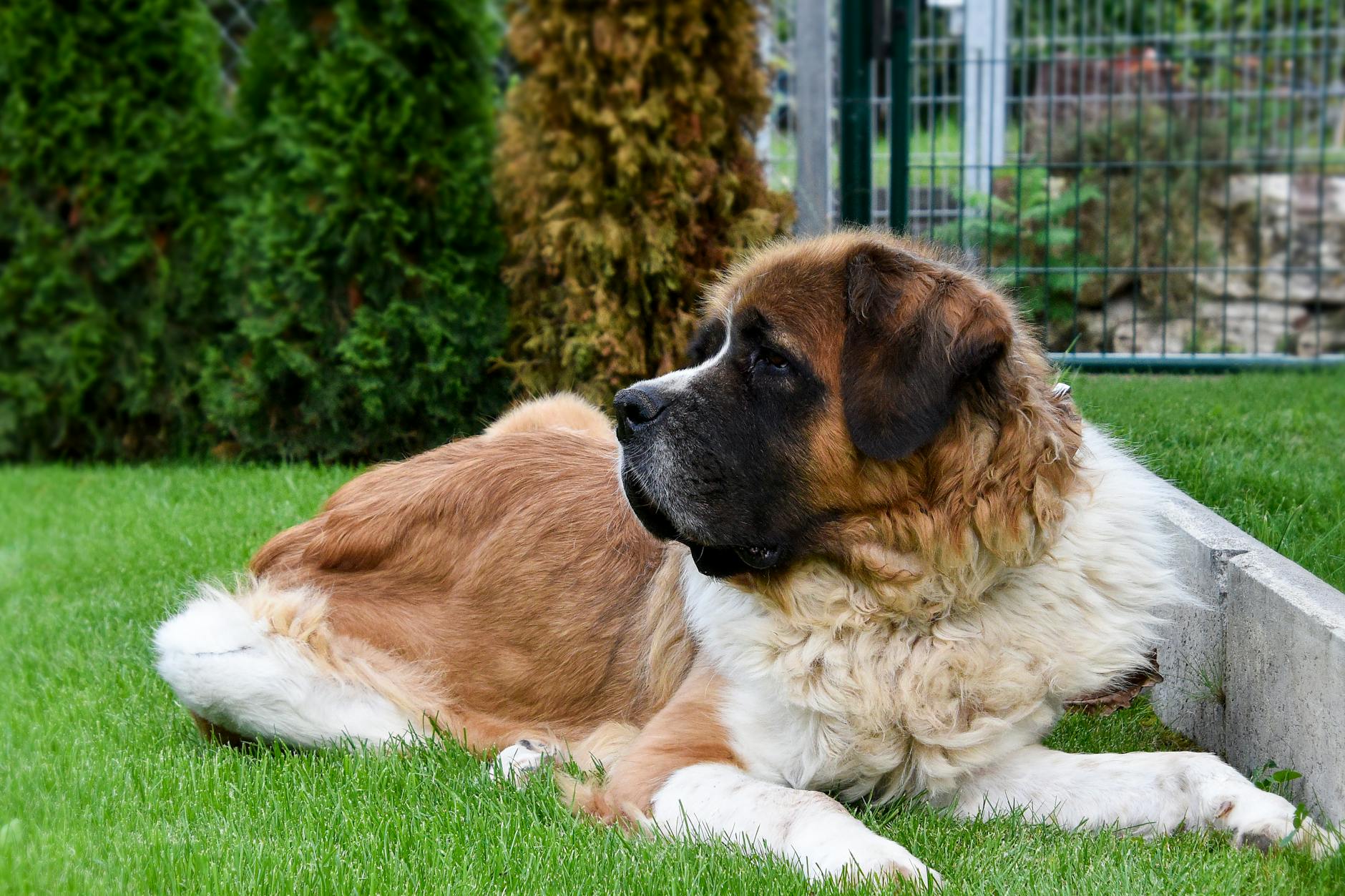
A gentle, slow-moving giant, the St. Bernard is a profoundly affectionate guardian best suited for spacious homes with owners who do not mind drool and heavy shedding. In my years working with them, I’ve found their calm demeanor makes them incredible companions, but their immense physical size demands early, dedicated socialization and training.
Quick Facts
- origin countrySwitzerland
- breed groupWorking
- sizeGiant
- weight range120 – 180 lbs (54 – 82 kg)
- height range26 – 30 inches (66 – 76 cm)
- lifespan8 – 10 years
- coat typeDouble coat (smooth/shorthaired or rough/longhaired)
- common colorsRed and white, mahogany brindle, orange and white, rust and white, always featuring a dark mask
- other namesSt. Bernhardshund, Alpine Mastiff, Bernhardiner
- recognized byAKC, UKC, FCI
Caring for a St. Bernard
Living with a St. Bernard is an exercise in managing giant-breed realities, from clearing breakables at tail-height to wiping drool off walls. I always warn new owners that their slow-paced lifestyle doesn’t mean low maintenance; their coats need frequent brushing, and their joints require careful protection during growth. They are indoor dogs who need air conditioning in summer but thrive when allowed to romp in winter snow.
Is a St. Bernard a good family pet?
Absolutely, they are famous for their gentle, patient nature with children. However, due to their massive size, they can easily knock over small toddlers, so supervision is always mandatory.
Do St. Bernards shed a lot?
Yes, they are heavy shedders, especially during their biannual undercoat ‘blow out’ seasons in spring and fall. You will need to commit to daily brushing during these periods to keep the flying hair under control.
Is a St. Bernard good for first-time owners?
Generally, no, I do not recommend them for novices. Their sheer physical power—easily reaching 140 pounds or more—means that any lack of early leash training or socialization can quickly become a serious safety hazard.
Temperament & Personality
The St. Bernard’s temperament is defined by a deep, steady calm and an eager-to-please, affectionate nature. They are incredibly loyal to their families and tend to be quiet observers rather than frantic barkers. While they are peaceful, their historical role as guardians means they will step up to protect their home if they sense a genuine threat.
Is a St. Bernard good with other pets?
Yes, they typically coexist very peacefully with other dogs and cats, especially if raised together. Their low prey drive means they rarely chase smaller household pets, though their sheer size requires monitoring.
How much attention does a St. Bernard need?
They are highly social dogs who suffer if left isolated in a backyard. I’ve found they want to be in the same room as their humans constantly, often trying to act like a 150-pound lapdog.
Training & Behavior
Training a St. Bernard is all about starting early while they are still small enough to manage, as trying to teach a 150-pound dog not to pull on a leash is nearly impossible. They are sensitive dogs who respond best to positive reinforcement and gentle guidance; harsh corrections will only cause them to shut down. Patience is key, as they can sometimes process commands at their own slow, deliberate pace.
Training Tips
- Start socialization before 16 weeks
- Focus heavily on loose-leash walking
- Master the ‘down’ and ‘stay’ commands early
- Use high-value food rewards
- Keep training sessions short and upbeat
Fun Activities
- Draft work or cart pulling
- Scent work and tracking
- Therapy dog work
- Winter hiking
- Obedience training
Is a St. Bernard easy to train?
They are intelligent and eager to please, making them relatively easy to train, but they possess a stubborn streak. If you do not establish yourself as a gentle, consistent leader early on, they will make their own decisions.
St. Bernard Health Issues

Like most giant breeds, St. Bernards face several serious health challenges and have a notoriously short lifespan. Working closely with a vet to monitor joint development and maintain a lean weight is critical to maximizing their quality of life.
Hip and Elbow Dysplasia
An inherited skeletal condition where the joints develop abnormally, leading to painful arthritis and mobility issues. I recommend orthopedic breeding clearances (OFA/PennHIP) for parents.
Gastric Dilation-Volvulus (GDV/Bloat)
A life-threatening emergency where the stomach fills with gas and twists. This is the leading non-accidental killer of giant breeds.
Dilated Cardiomyopathy (DCM)
A heart disease characterized by an enlarged, weakened heart muscle that cannot pump blood efficiently.
Entropion and Ectropion
Eyelid abnormalities where the lids roll inward (entropion) or sag outward (ectropion), causing severe irritation or dryness.
Osteosarcoma
An aggressive, malignant bone cancer common in giant breeds, typically affecting the limbs.
Cruciate Ligament Rupture
A common orthopedic injury where the cranial cruciate ligament in the knee tears, often due to physical stress on heavy joints.
How long do St. Bernards typically live?
On average, St. Bernards live between 8 to 10 years. Keeping them lean, providing joint supplements, and getting regular veterinary checkups can help them reach their golden years comfortably.
What to Feed a St. Bernard
Feeding a giant breed requires precise control over their growth rate and weight. Overfeeding a growing St. Bernard puppy can cause rapid bone growth that outpaces muscle development, leading to severe joint deformities.
Best Diet
They thrive on high-quality, large-breed or giant-breed specific formulas. For puppies, it is absolutely vital to feed a dedicated large-breed puppy food with carefully balanced calcium-to-phosphorus ratios to regulate joint growth.
How to Feed
Always split their daily food into at least two or three smaller meals rather than one large feeding to reduce the risk of bloat. Do not use raised bowls unless recommended by your vet, and avoid vigorous exercise for one hour before and after meals.
How Much to Feed
Adults typically eat between 5 to 8 cups of high-quality dry food per day, depending on their size and activity level. Always consult your vet to tailor portions, as obesity is highly destructive to their joints.
Nutritional Tips
I highly recommend adding high-quality joint supplements containing glucosamine, chondroitin, and EPA/DHA omega-3 fatty acids early in life to support their heavy joints.
St. Bernard Grooming Guide
Grooming a St. Bernard is a significant time commitment, whether you have the smooth or rough coat variety. Be prepared for a constant battle against loose hair, mud, and drool.
Coat Care
Brush them at least three times a week with a slicker brush and undercoat rake to prevent matting. During the heavy shedding seasons in spring and fall, daily brushing is non-negotiable to remove the dead undercoat.
Skin Care
Keep the skin folds around their face clean and dry to prevent fold dermatitis. They also have a drool-prone mouth, so wiping their jowls regularly helps prevent skin irritation.
Eye Care
Due to their droopy eyelids, they are prone to collect dust and debris. Wipe their eyes daily with a damp cloth to prevent tear staining and conjunctivitis.
Ear Care
Their heavy, floppy ears trap moisture and heat, making them hotbeds for yeast infections. Clean their ears weekly with a vet-approved drying solution.
Nail & Dental Care
Trim their thick nails every 3-4 weeks to prevent splaying and joint strain, and brush their teeth daily to combat periodontal disease.
Considerations for Pet Parents
Pros
- Extremely gentle and patient with children
- Calm, quiet indoor house manners
- Incredibly loyal and loving companions
- Natural watchdogs without being overly aggressive
- Excellent in cold weather and snow
- Relatively low exercise requirements
Cons
- Heavy shedding and constant drooling
- Short lifespan compared to smaller breeds
- High cost of food, gear, and veterinary care
- Prone to severe heat sensitivity
- Difficult to transport and handle due to giant size
Best For
The ideal owner is someone with a spacious home, central air conditioning, a passion for giant breeds, and a high tolerance for drool and hair. They must have the physical strength and patience to train a massive dog from puppyhood.
Not Recommended For
They are not recommended for apartment dwellers, families living in extremely hot climates without climate control, or anyone who keeps a pristine, spotless house. They are also unsuitable for owners who cannot commit to the high lifetime veterinary costs of a giant breed.
Cost
- purchase price$1,500 – $3,000
- monthly cost$200 – $350
- initial setupExpect to spend $1,000 to $1,500 initially on giant-sized crates, heavy-duty orthopedic beds, grooming tools, and veterinary vaccinations.
Similar Breeds

Newfoundland
Great Pyrenees
St. Bernard FAQs
How much do St. Bernards drool?
A lot. St. Bernards are famous for their heavy jowls, which collect saliva. I advise owners to keep ‘drool rags’ scattered throughout the house to wipe their faces after they eat, drink, or get excited.
Are St. Bernards aggressive?
No, they are historically bred to be search-and-rescue dogs and are naturally peaceful. However, because of their size and protective instincts, poorly socialized individuals can become defensive, making early socialization crucial.
Do they bark a lot?
Generally, no. St. Bernards are quiet dogs who typically only bark when someone approaches the house or if they perceive a threat. Their bark is incredibly deep and booming.
Can they live in hot climates?
They struggle immensely in high heat due to their thick double coats and massive bodies. If you live in a hot climate, they must have 24/7 access to air conditioning and should only be walked during the coolest parts of the day.
How much exercise does a St. Bernard need?
They have low-to-moderate energy levels. A 30 to 45-minute daily walk is usually enough to keep them healthy. Avoid high-impact activities like running or jumping, which can damage their joints.
Are St. Bernards smart?
Yes, they are highly intelligent, though their slow, deliberate movements are sometimes mistaken for laziness. They possess great problem-solving skills and a strong working memory.
Do they make good service or therapy dogs?
Absolutely. Their calm demeanor, patience, and stable temperament make them excellent candidates for therapy work in schools, hospitals, and nursing homes.
At what age is a St. Bernard fully grown?
They grow rapidly but mature very slowly. While they reach their adult height by 18 months, they do not fully ‘fill out’ or reach their final adult weight and mental maturity until they are 2 to 3 years old.
Are rough-coated St. Bernards different from smooth-coated ones?
In personality, they are identical. The only difference is the coat: rough coats have medium-length, slightly wavy hair that requires more frequent detangling, while smooth coats have short, dense fur.
Do St. Bernards need a big yard?
While a fenced yard is great for brief romps, they don’t need acres of land because they are relatively inactive indoors. They do, however, need plenty of indoor floor space so you aren’t constantly tripping over them.
Why do they have black masks?
The dark mask around their eyes is a breed standard trait. It historically helped reduce the glare of the bright sun reflecting off the snow in the Swiss Alps where they worked.
What is the history of the St. Bernard?
They were developed by monks at the Great St. Bernard Hospice in the Swiss Alps starting in the 17th century. They were bred to rescue travelers lost or buried by avalanches in the snowy mountain passes.
Are they prone to separation anxiety?
Yes, they form incredibly tight bonds with their families and can experience separation anxiety if left alone for long periods. I advise crate training early on to help them feel secure when you are away.
Can St. Bernards swim?
Some enjoy the water, but they are generally not strong swimmers due to their dense bones and massive weight. Always supervise them around pools or bodies of water, and consider a giant-breed life jacket.