

Quick Summary
Kittens are naturally curious and highly agile, making them prone to severe household accidents like electrical shock, chemical poisoning, and intestinal blockages. This comprehensive, clinical guide by Dr. Veronica Heller outlines a room-by-room checklist to eliminate common hazards and secure your home before your new pet arrives. By implementing these veterinary-approved safety measures, you can prevent traumatic injuries and ensure a safe transition for your kitten.
In my fifteen years as a veterinarian, I have seen kittens survive some truly unbelievable misadventures. From swallowing three feet of sewing thread to getting wedged behind built-in dishwashers, their curiosity genuinely knows no bounds.
Welcoming a new kitten into your home is an incredibly exciting milestone, but it also requires a shift in how you view your living space. To a three-pound kitten, your house is an immense, uncharted jungle filled with tempting hazards.
Before you bring your new feline family member home, you must look at every room from their eye level. Let me walk you through the exact clinical hazards I look for and how you can eliminate them.
Key Takeaways
- Kittens can squeeze into any opening larger than their skull, requiring thorough blocking of small gaps behind appliances.
- Electrical cords resemble prey and must be encased in protective tubing or hidden behind heavy furniture.
- Common household plants, particularly lilies, are highly toxic and must be completely removed from the home.
- Always check washing machines, dryers, and reclining chairs before operating them to prevent traumatic crush injuries.
- Keep all medications, cosmetics, and cleaning chemicals locked inside sturdy cabinets, not just on high countertops.
- Ensure window screens are tightly secured and never rely on cheap screens to hold back an energetic kitten.
In This Article
- The Living Room: Navigating Cord Jungles and Hidden Traps
- The Kitchen: Heavy Appliances and Tempting Scraps
- The Bathroom: Water Hazards and Medical Dangers
- The Bedroom and Closets: Soft Spaces with Hard Risks
- The Laundry Room and Garage: Industrial Hazards
- Windows, Balconies, and Escapes: Preventing High-Rise Syndrome
- Setting Up the ‘Safe Zone’: The First Few Weeks
The Living Room: Navigating Cord Jungles and Hidden Traps
The living room is where your kitten will spend most of their supervised time, but it is also a minefield of potential emergencies. In my practice, the two most common living room hazards I treat are electrical shock from chewing cords and crush injuries from reclining furniture.
Kittens naturally love to chew on soft, pliable textures, and a live electrical cord feels remarkably like a small vine or insect leg to a teething feline. This can cause severe burns inside the mouth or even fatal fluid accumulation in the lungs.
Another silent danger is your reclining chair. I have had to perform emergency surgeries on kittens who crawled inside the undercarriage of a recliner while it was open, only to be crushed when their owner closed it.
We also must talk about indoor plants. Many common house plants can cause acute renal failure or severe gastrointestinal distress if ingested by your curious pet.
- Cover all visible wires with heavy-duty split-loom tubing or protective cord concealers.
- Unplug chargers when they are not actively in use; a dangling cord is an irresistible toy.
- Keep reclining chairs locked in the upright position or restrict your kitten’s access to that room entirely.
- Secure heavy decorations, televisions, and bookshelves to the wall so they cannot be tipped over during a frantic climb.
- Verify that every single plant in your living space is 100% non-toxic; when in doubt, move it to a completely inaccessible room.

The Kitchen: Heavy Appliances and Tempting Scraps
To a kitten, the kitchen is a wonderland of smells, warmth, and dark hiding spaces. The space underneath and behind your refrigerator, stove, and dishwasher often has gaps just large enough for a tiny body to slide into.
I once treated a young Siamese kitten who spent twelve hours trapped behind a hot refrigerator compressor because of an unblocked two-inch gap. This can quickly lead to severe dehydration and heat stroke.
Kitchen counters are also not as safe as you might think. Kittens quickly learn to jump, and a hot stove burner can cause severe paw pad burns in a split second.
Furthermore, human foods like onions, garlic, grapes, and chocolate are highly toxic to cats and often find their way onto countertops.
- Use pool noodles, wooden blocks, or custom wire mesh to block the gaps beneath and behind all kitchen appliances.
- Keep a heavy lid on your trash can at all times to prevent ingestion of bones, wrappers, and toxic food scraps.
- Never leave hot stovetops unattended, and consider using stove burner covers when the appliance is cooling down.
- Store all human food, especially baking supplies and sweets, inside secure cabinets rather than out on the counter.
- Keep dishwasher doors closed at all times, as kittens will crawl inside to lick dirty plates and can become trapped.

The Bathroom: Water Hazards and Medical Dangers
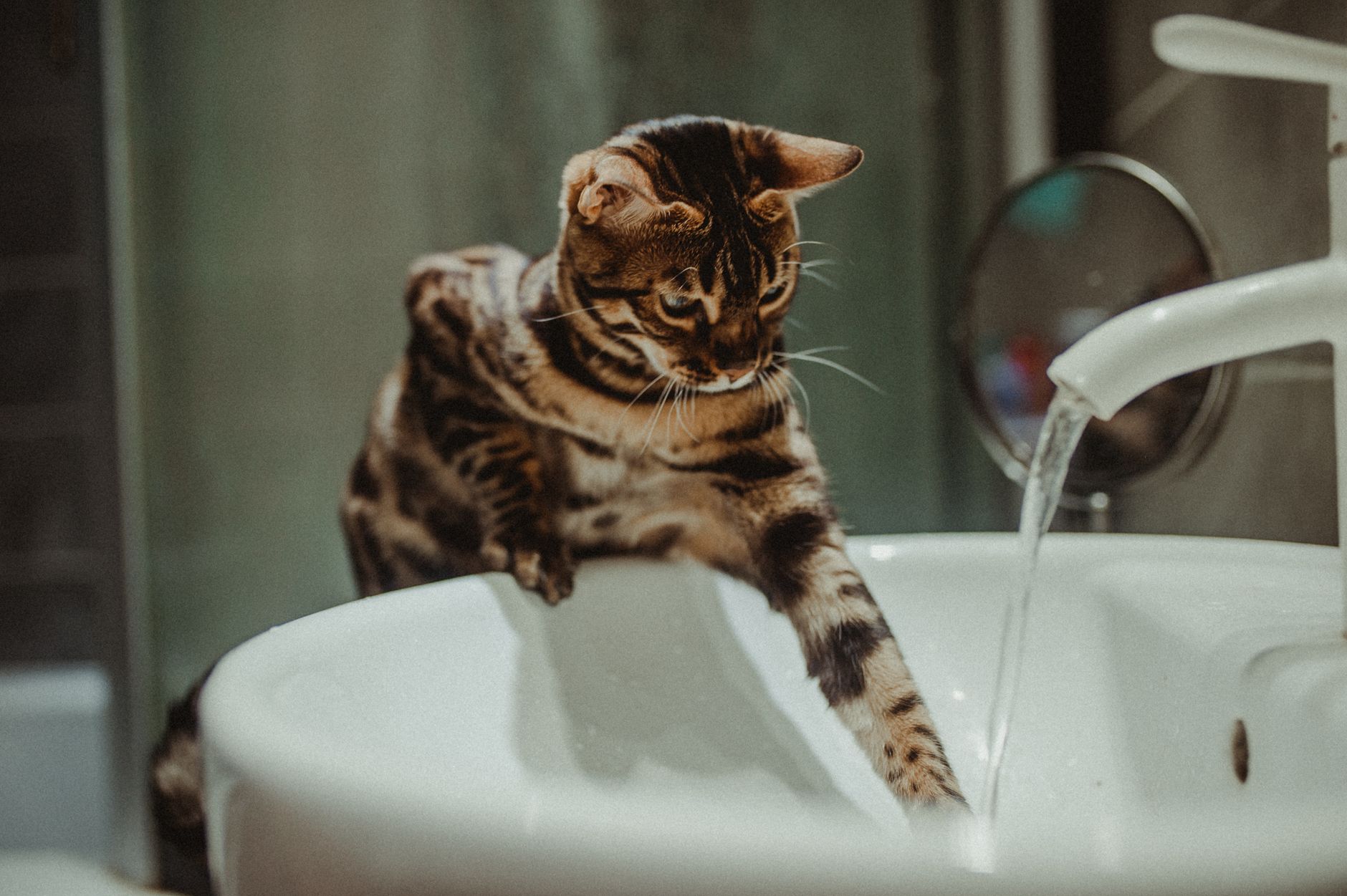
Bathrooms pose several unique threats, with water and chemicals leading the list of veterinary emergencies. A toilet bowl might look like a harmless water source, but a small kitten can easily slip in headfirst.
Because they cannot grip the slick porcelain sides to climb out, they can quickly exhaust themselves and drown.
In addition, human medications are incredibly toxic to cats. I cannot emphasize this enough: even a single tablet of acetaminophen can be fatal to a kitten by destroying their red blood cells.
Many owners also do not realize that common cosmetics, dental floss, and hair ties are highly attractive to kittens. If swallowed, these items can cause fatal intestinal blockages that require expensive, emergency surgeries.
- Always keep the toilet lid closed; make this an absolute rule for everyone in your household.
- Store all medications, vitamins, and supplements securely in a closed medicine cabinet, never loose on the counter.
- Dispose of dental floss, hair ties, and cotton swabs in a wastebasket with a secure, step-on lid.
- Keep bathmats and rugs flat, as kittens love to burrow under them and can easily be stepped on by unsuspecting humans.
- Be extremely careful with bathwater; never leave a filled tub unattended even for a moment if your kitten is nearby.
The Bedroom and Closets: Soft Spaces with Hard Risks
The bedroom seems like the safest room in the house, but it holds several subtle dangers that I see frequently in my clinic. Drawers left slightly open are an invitation for a kitten to climb up the back of the dresser, where they can get trapped or crushed.
Closets are another major area of concern. String, yarn, shoelaces, and the plastic tags on new clothing are primary targets for a kitten’s play drive.
If a kitten swallows a string-like object, it can cause a life-threatening condition called a linear foreign body. This occurs when the string loops around the tongue and cuts through the intestines as they try to pass it.
- Keep closet doors closed tightly and double-check them before leaving your house to ensure your kitten isn’t trapped inside.
- Keep all shoes with long laces tucked away, and never leave sewing kits or embroidery floss within reach.
- Ensure dresser drawers are completely shut; check inside them before closing them to make sure no kitten is napping among your sweaters.
- Avoid leaving dirty laundry on the floor, as kittens can swallow buttons, loose threads, or get stepped on while hiding under clothes.
- If you use mothballs, remove them immediately; they contain naphthalene, which is highly toxic when inhaled or ingested.

The Laundry Room and Garage: Industrial Hazards
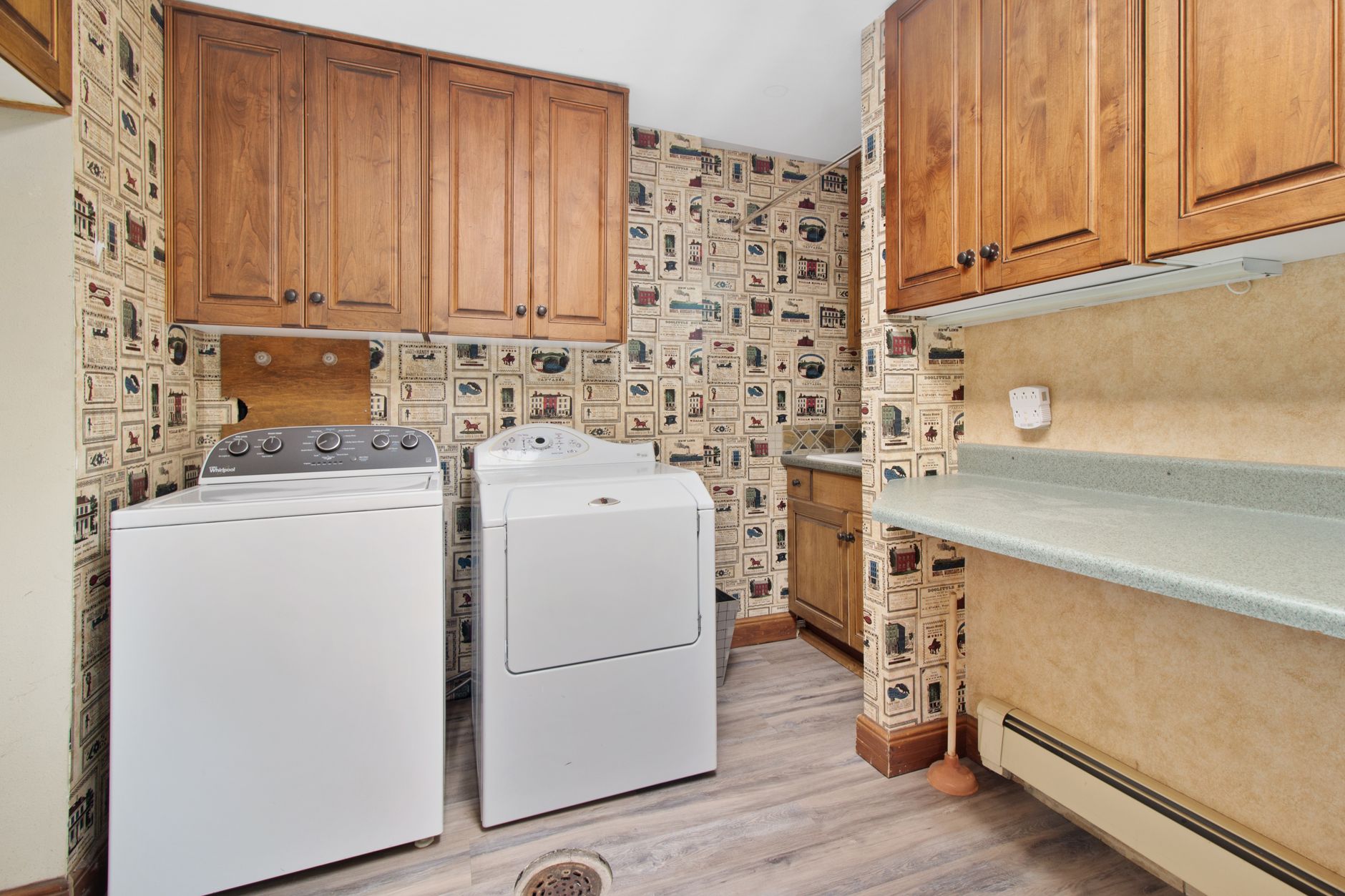
The laundry room and garage contain some of the most lethal hazards a pet can encounter. Washing machines and clothes dryers are warm, dark, and smell like comfort, making them highly attractive nesting spots for a sleepy kitten.
I always instruct my clients to perform a physical head count of their pets before pressing the start button on any laundry appliance.
Garages are even more dangerous and should ideally be completely off-limits to kittens. Antifreeze has a sweet taste that animals find appealing, but even a tiny lick can cause irreversible, fatal kidney failure within hours.
Garages also house sharp tools, pest control baits, and automotive chemicals. These can cause severe chemical burns or systemic poisoning if a kitten walks through them and licks their paws clean.
- Keep washer and dryer doors closed at all times, and physically verify your kitten’s location before starting a cycle.
- Store all laundry detergents, liquid fabric softeners, and pods in high, sealed cabinets; pods look like toys but are highly caustic.
- Clean up any automotive fluid spills in your driveway or garage immediately with absorbent clay, then wash the area thoroughly.
- Store all rodenticides, insecticides, and weed killers in locked metal cabinets, or better yet, remove them from your home entirely.
- Never leave your vehicle engine running in an enclosed space, and check under your car’s hood before starting it on cold mornings.
Windows, Balconies, and Escapes: Preventing High-Rise Syndrome
Veterinarians use the term ‘High-Rise Syndrome’ to describe injuries sustained by cats who fall from windows or balconies. Kittens have a highly developed instinct to chase birds and insects, and they will not hesitate to leap through an open window if they spot prey.
Many owners believe their window screens are secure, but a determined kitten can easily tear through cheap mesh.
They can also push a loose screen out of its frame with surprising force.
Even a fall from a second-story window can result in fractured jaws, shattered limbs, and severe internal bleeding.
- Install heavy-duty pet screens made of scratch-resistant wire or reinforced vinyl on all openable windows.
- Use window stops or guards to prevent windows from being opened more than two inches wide.
- Keep balcony doors closed and locked; never allow a kitten onto a balcony or deck unsupervised, even if it has railings.
- Ensure that exterior doors close and latch completely behind you when you enter or exit your home.
- Microchip your kitten at their first veterinary visit so they can be easily identified if they do manage to escape.

Setting Up the ‘Safe Zone’: The First Few Weeks
When you first bring your kitten home, introducing them to the entire house all at once can be incredibly overwhelming. I always advise my clients to establish a ‘Safe Zone’ or a ‘starter room’ where the kitten can adjust to their new environment.
This room should be a smaller, easily controllable space like a guest bathroom, utility room, or spare bedroom that has been meticulously kitten-proofed.
Allowing them to master this smaller space first helps build their confidence and reduces stress-induced illnesses.
It also makes it much easier for you to monitor their eating, drinking, and litter box habits during those crucial first few days.
- Equip the safe room with a litter box, food and water dishes (kept far apart), a scratching post, and comfortable bedding.
- Provide safe, vet-approved toys like crinkle balls and catnip mice, avoiding any toys with loose feathers or strings.
- Spend quality time in this room sitting on the floor to let the kitten approach you on their own terms.
- Slowly expand their access to the rest of the house over a period of one to two weeks, supervising their exploration closely.
- Keep the environment quiet and calm; limit loud noises and visitors during these crucial first few acclimation days.
Frequently Asked Questions
What should I do if my kitten eats something toxic or swallows a string?
If you suspect your kitten ingested a toxin or a string, contact your veterinarian or an animal poison control center immediately. Do not attempt to induce vomiting at home, as this can cause further esophageal damage or aspiration. Time is of the essence, so seek professional medical care without delay.
At what age is a kitten most at risk for getting into household hazards?
Kittens are at their highest risk between the ages of 8 weeks and 6 months. During this developmental phase, they are incredibly active, teething, and highly curious, but they lack the coordination and experience of an adult cat.
Are essential oil diffusers safe to use around my new kitten?
Many essential oils, including tea tree, eucalyptus, citrus, and peppermint, are highly toxic to cats. Kittens are especially sensitive because their livers lack the enzymes needed to metabolize these compounds, so it is best to avoid diffusers entirely.
How can I safely keep my kitten away from my indoor house plants?
The safest approach is to completely remove toxic plants from your home. For non-toxic plants, you can place them in hanging baskets or use physical barriers like decorative cages to prevent your kitten from digging in the soil or chewing the leaves.
How big of a gap can a kitten squeeze through?
As a general rule of thumb, if a kitten can fit their head through a gap, their entire body can follow. Gaps as small as two inches can easily trap a young kitten, so any opening of this size should be thoroughly blocked.
What are the most common household items that cause intestinal blockages in kittens?
The most common culprits behind foreign body blockages in kittens are hair ties, dental floss, sewing thread, rubber bands, yarn, and small plastic toy pieces. These items must be kept in closed drawers or containers at all times.
Sources & Further Reading
- ASPCA
- American Veterinary Medical Association (AVMA)
- Cornell University College of Veterinary Medicine
- PetMD
Final Thoughts
Bringing a new kitten into your home is a beautiful, life-changing journey that brings endless joy and entertainment. By taking the time to thoroughly kitten-proof every room, you are preventing entirely avoidable accidents.
You are also saving yourself from stressful, costly emergency veterinary visits.
Remember to look at your home from their low perspective, think like a curious feline, and establish a secure environment before they arrive.
Your proactive efforts now will lay the foundation for a safe, healthy, and happy life together.
If you ever have questions about specific hazards, household toxins, or your kitten’s developmental milestones, never hesitate to reach out to our clinic.