
 Cats: Which Is Right for Your Breed?” loading=”lazy”>
Quick Summary
Deciding whether to keep your cat indoors or outdoors is not a one-size-fits-all choice; breed genetics, coat type, and physiological traits play a critical role in safety and well-being. While hairless and flat-faced breeds must remain strictly indoors, high-energy breeds can benefit from supervised outdoor access like catios or harness walks.
In my fifteen years of veterinary practice, the “indoor versus outdoor” debate is one of the most frequent conversations I have with new cat owners. I often see clients who believe that all felines possess an innate, wild drive to roam free outside.
However, what I see most often in my clinic rooms tells a vastly different story. A cat’s breed, genetics, and physical structure heavily dictate how well they can tolerate the outdoor elements—or if they should even set foot outside at all.
Key Takeaways
- Physical structural changes in pedigree breeds can make outdoor survival dangerous or impossible.
- High-energy hybrid breeds like Bengals require intense stimulation but face high risks of theft and accidents outdoors.
- Strictly outdoor cats have a significantly shorter lifespan compared to their indoor counterparts.
- Controlled outdoor access, such as custom catios and leash training, offers the safest compromise for active felines.
- Large, heavy-coated breeds face severe matting and parasite burdens when allowed to roam freely.
- Consulting your veterinarian helps assess your specific breed’s genetic vulnerabilities and health risks.
In This Article
- The Genetic Reality of Feline Breeds
- High-Energy and Hybrid Breeds: Bengals, Savannahs, and Abyssinians
- Brachycephalic Breeds: Why Persians and Himalayans Must Stay Indoors
- Hairless and Thin-Coated Breeds: Vulnerability to the Elements
- Large, Heavy-Coated Giants: Maine Coons and Norwegian Forest Cats
- The Golden Compromise: Safe Ways to Experience the Outdoors
- Clinical Risks of Unregulated Outdoor Roaming
The Genetic Reality of Feline Breeds
Over my years in the clinic, I have treated everything from highly resilient farm cats to extremely fragile, pedigree show cats. It is a common misconception that all felines share the same rugged survival instincts.
Selective breeding has altered not just the appearance of cats, but their physiological ability to cope with outdoor hazards.
For example, a cat bred for a flat face cannot breathe efficiently enough to escape a predator. Similarly, a hairless breed cannot thermoregulate or protect itself from sunburn.
When clients ask me where their cat belongs, my first step is always to look closely at their genetic blueprint.
- Physical structural changes that impair natural defense mechanisms.
- Variations in prey drive and environmental awareness across breeds.
- Coat differences that impact thermoregulation in hot or cold weather.
- Immune system variations between native mixed breeds and highly structured pedigrees.
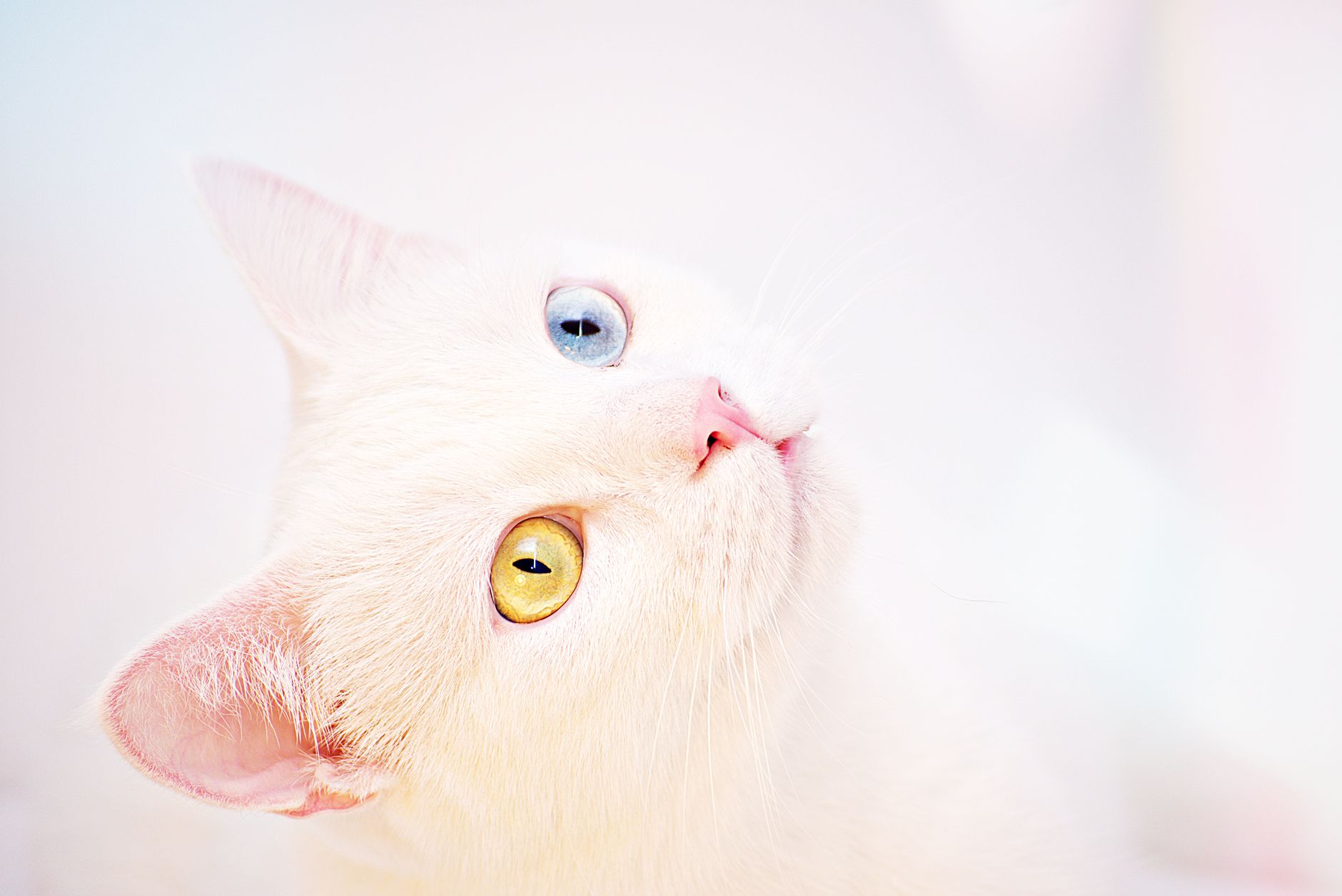
High-Energy and Hybrid Breeds: Bengals, Savannahs, and Abyssinians
Clients often bring me their Bengal or Savannah cats, frustrated by behavioral issues like scratching furniture or vocalizing. These high-energy breeds possess a high percentage of wild ancestry and an intense, relentless prey drive.
Keeping them cooped up in a small, unstimulating indoor environment can lead to severe anxiety and destructive behaviors.
However, letting them roam freely is rarely the answer. In my experience, these exotic-looking cats are primary targets for theft, and their fearlessness often leads them directly into traffic or territorial fights.
They need targeted, structured stimulation rather than unregulated freedom.
- Provide tall vertical climbing structures and ceiling-mounted walkways inside.
- Introduce interactive puzzle feeders to satisfy their hunting instincts.
- Establish a strict daily routine of active play using feather wands or laser toys.
- Consider microchipping and GPS collars due to their high risk of being stolen.
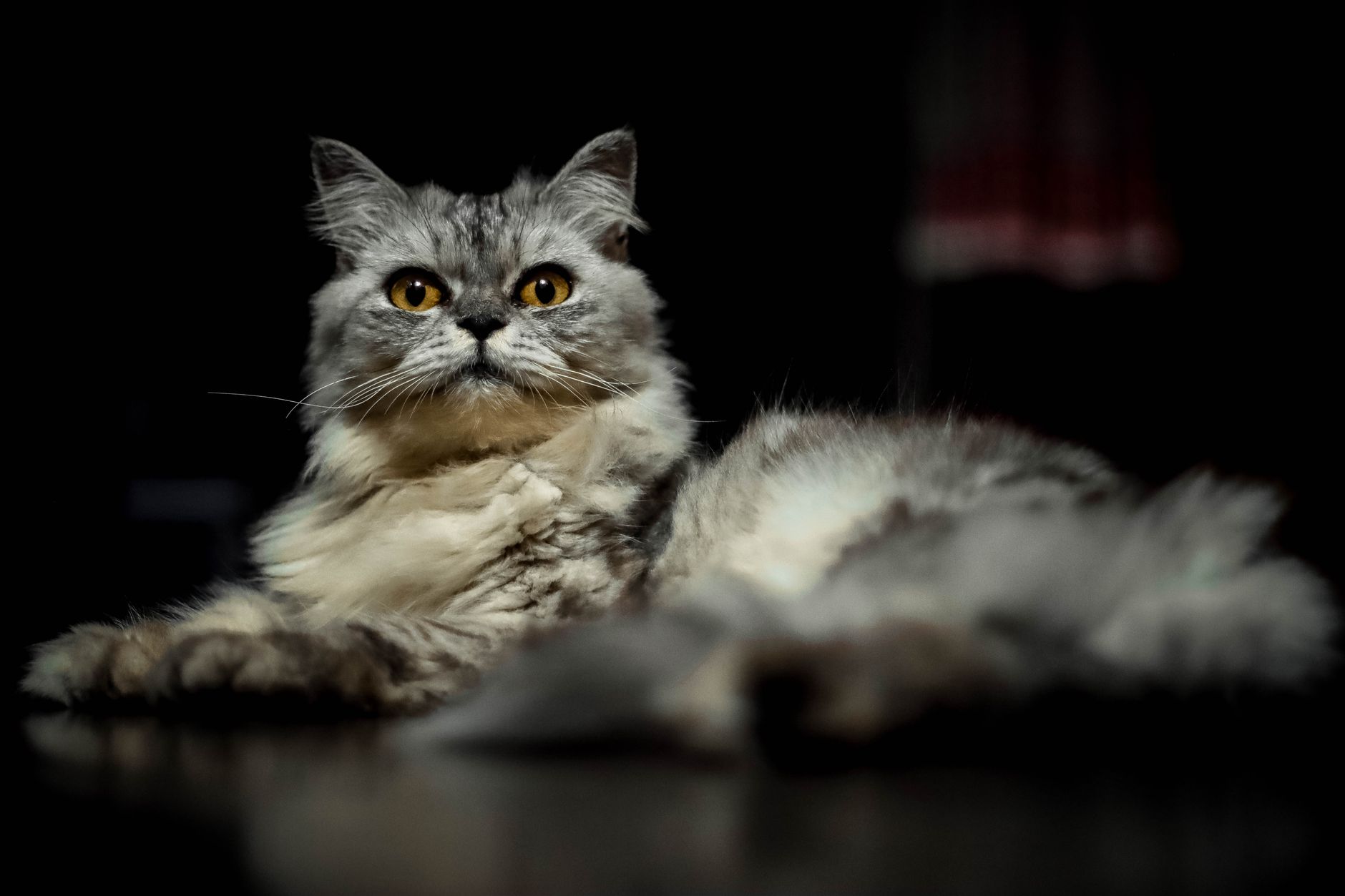
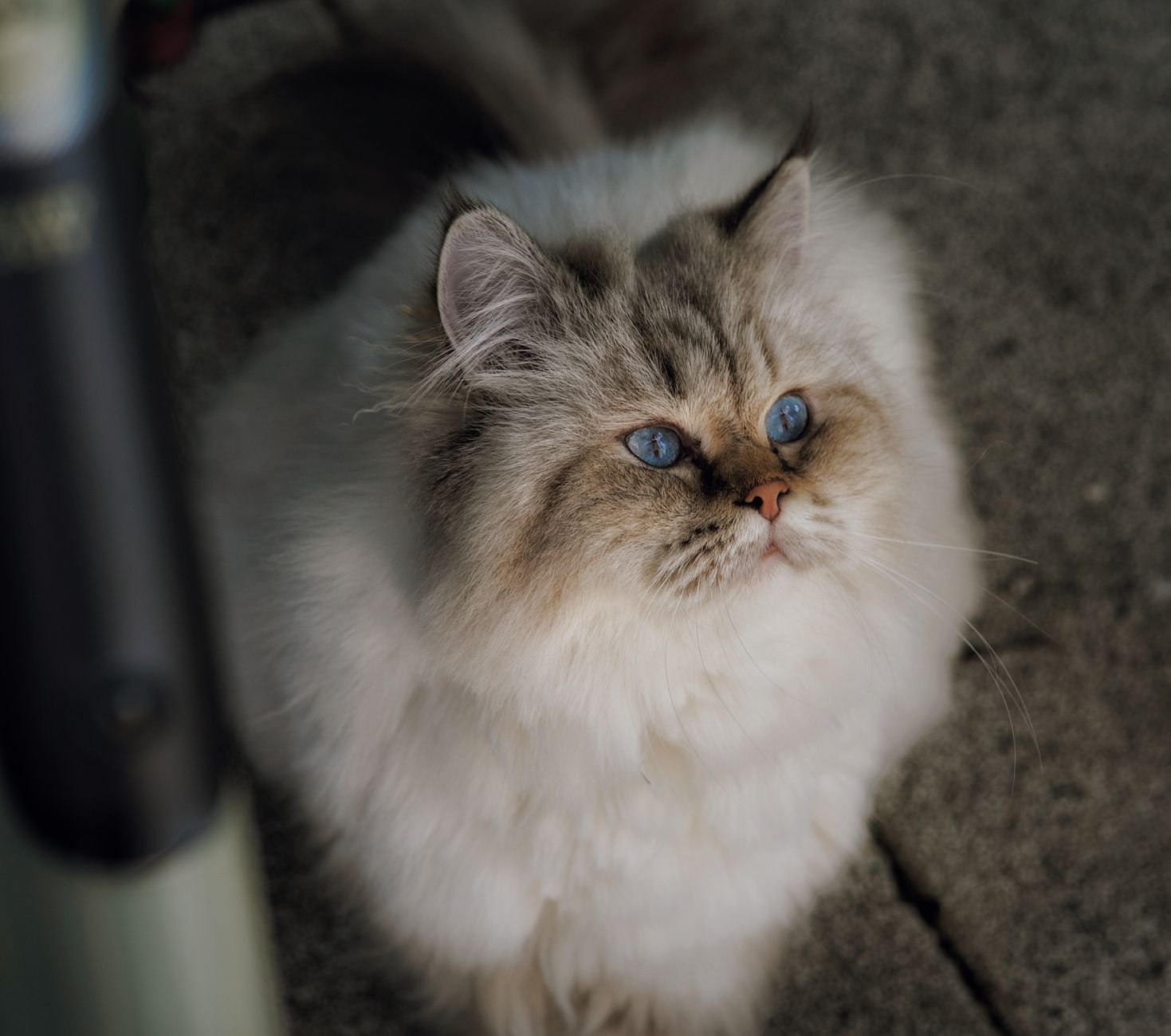
Brachycephalic Breeds: Why Persians and Himalayans Must Stay Indoors
I cannot stress this enough: flat-faced, or brachycephalic, breeds should never be allowed outdoors unsupervised. Their shortened facial bones compress their nasal passages, making efficient breathing and cooling highly difficult.
During hot summer months, I frequently treat brachycephalic cats for heat stroke after they spent only a brief time outside.
Furthermore, their prominent, exposed eyes are highly susceptible to corneal ulcers from brush, twigs, or dust. Their heavy, luxurious coats act like magnets for burrs, twigs, and dangerous parasites.
For these gentle, anatomically compromised cats, the outdoors is an immediate health hazard.
- Severe susceptibility to heat stroke and respiratory distress in warm weather.
- High risk of traumatic eye injuries due to prominent ocular structures.
- Rapid, painful coat matting that can lead to underlying skin infections.
- Inability to defend themselves or run quickly from neighborhood dogs or predators.
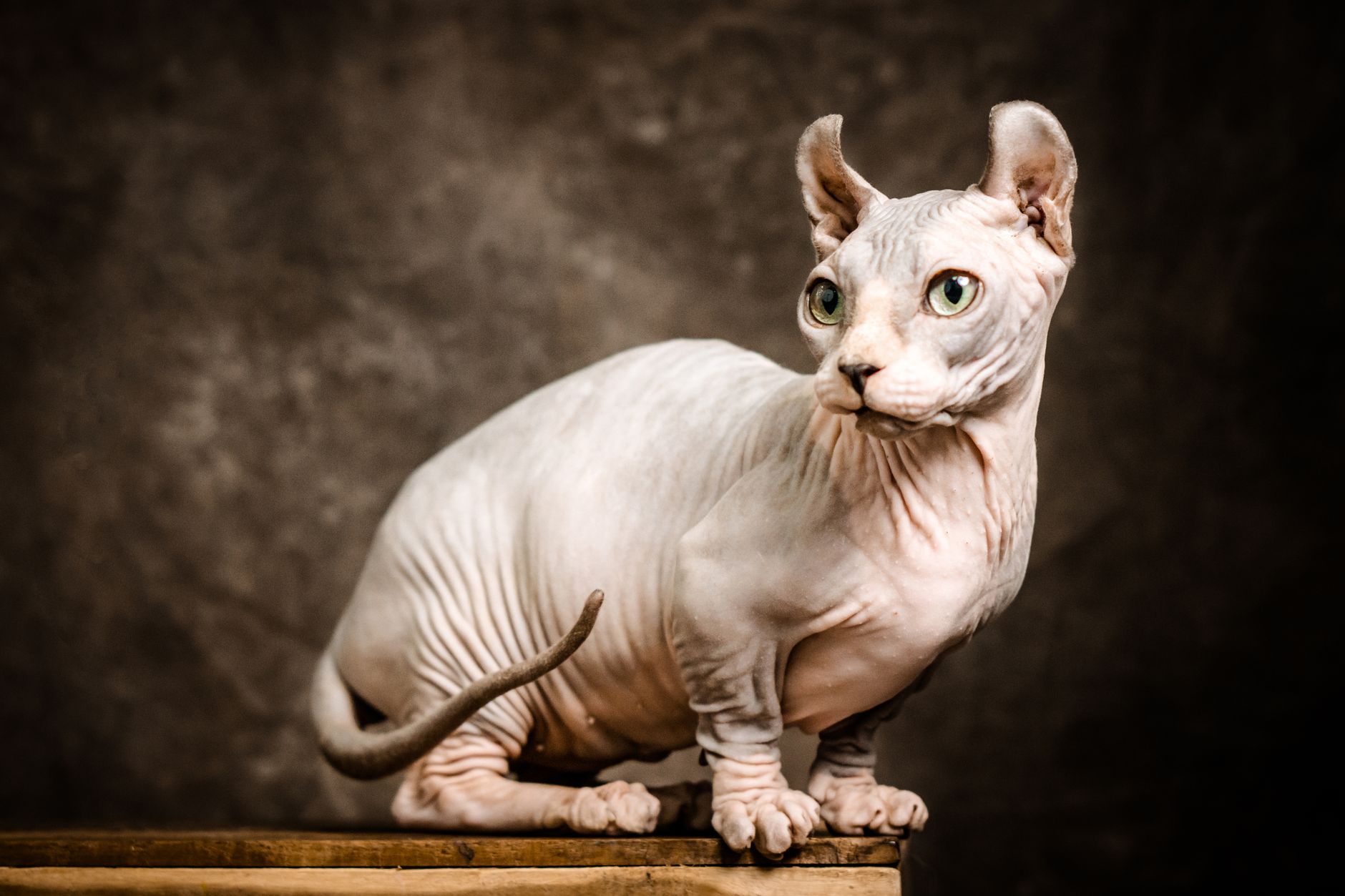
Hairless and Thin-Coated Breeds: Vulnerability to the Elements
The Sphynx and Rex breeds are marvels of feline breeding, but they lack the primary barrier that protects a cat from the world: fur. Without a coat, these cats have zero protection against ultraviolet radiation, leading quickly to severe sunburn and eventually squamous cell carcinoma.
I have had to perform ear amputations on cats due to sun-induced skin cancers that could have been easily avoided.
Additionally, these breeds struggle immensely with thermoregulation. They lose body heat rapidly in cool weather and can easily develop hypothermia.
If you own a hairless or thin-coated breed, keep them strictly indoors in a climate-controlled environment.
- High risk of severe sunburn and long-term skin cancers.
- Inability to maintain core body temperature without environmental controls.
- Accumulation of skin oils that attract dirt, requiring regular indoor bathing.
- Vulnerability to skin lacerations from branches, fences, or other animals.
Large, Heavy-Coated Giants: Maine Coons and Norwegian Forest Cats
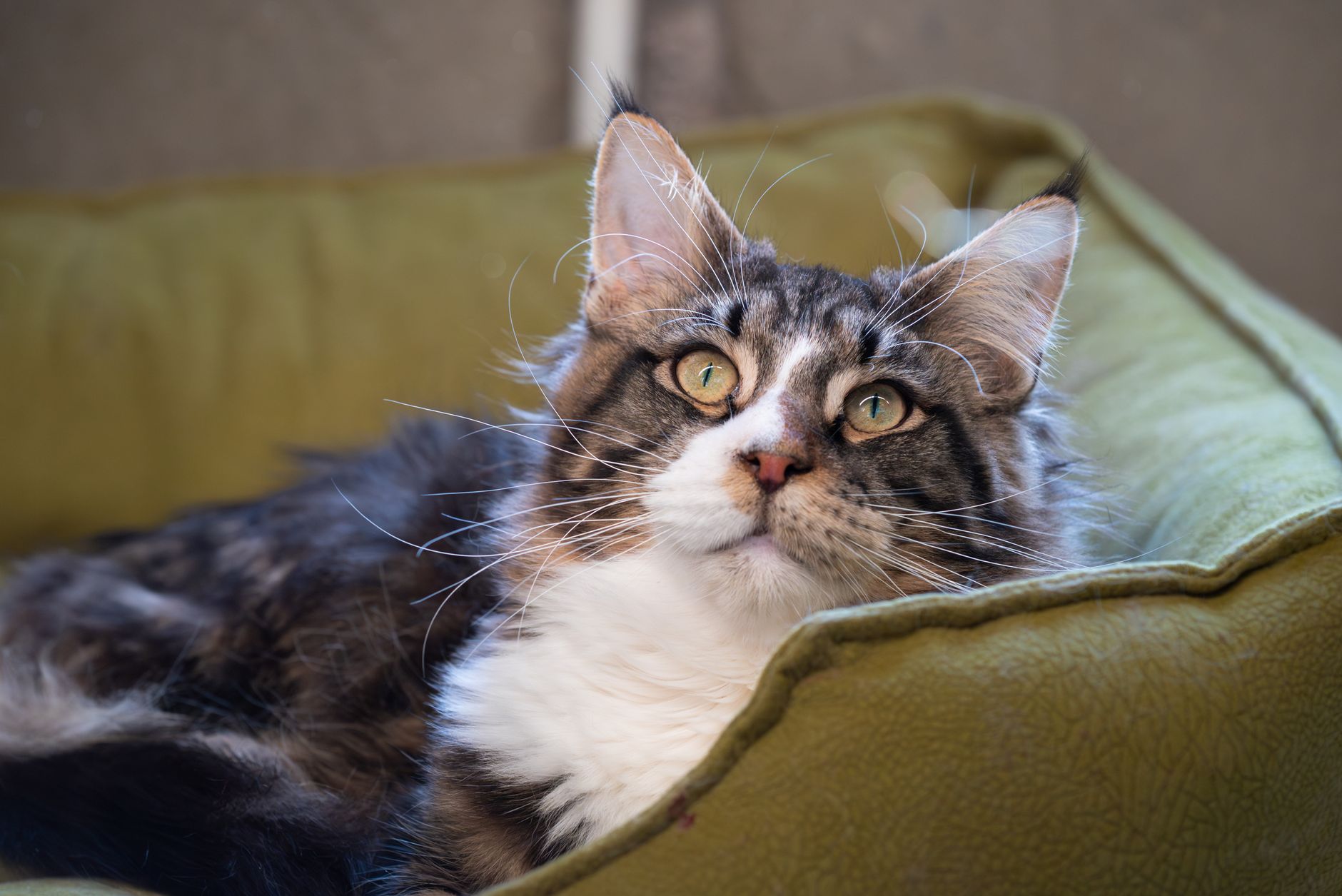
Maine Coons and Norwegian Forest Cats look like they belong in the snowy wilderness. Their dense, water-repellent double coats and large size make them look incredibly hardy.
While they do tolerate cooler temperatures better than most, their long fur presents a major clinical challenge if they roam outdoors.
In my clinic, I frequently see outdoor Maine Coons covered in painful mats, hidden ticks, and severe flea infestations. Their long paw tufts easily pick up sharp debris, thorns, and chemical residues from lawns.
Additionally, their friendly, dog-like personalities make them overly trusting of strangers, increasing the risk of theft.
- Increased parasite burden, as ticks and fleas easily hide in dense double coats.
- Severe matting that pulls tightly on the skin, causing pain and open sores.
- Exposure to lawn chemicals, pesticides, and road salt that they ingest during grooming.
- A friendly disposition that makes them highly susceptible to being taken by strangers.
The Golden Compromise: Safe Ways to Experience the Outdoors
You do not have to choose between a bored indoor cat and an endangered outdoor cat. I always tell my clients that enrichment can be safely controlled.
The veterinary community strongly advocates for supervised or structural outdoor access that keeps your cat contained while letting them experience the sights and smells of nature.
Building a “catio” (a patio designed specifically for cats) is one of the best investments you can make. It allows your cat to enjoy fresh air, watch birds, and feel the breeze without any of the risks of free-roaming.
Alternatively, leash training with a secure, H-style harness can work wonders for curious, high-energy breeds.
- Outdoor enclosures (catios) attached to a window or doggy door.
- Cat-proof fencing with specialized rollers that prevent cats from climbing over.
- Leash training using a secure, veterinary-approved harness rather than a collar.
- Supervised backyard time under direct, uninterrupted human observation.
Clinical Risks of Unregulated Outdoor Roaming
If you are still on the fence about letting your cat roam, let me share some cold, hard clinical realities. Felines that roam freely face an environment filled with pathogens, toxic substances, and physical trauma.
I have spent too many late nights in emergency surgeries repairing broken bones from car strikes or treating severe abscesses from cat fights.
Even if your cat is an excellent hunter or extremely street-smart, they cannot fight off microscopic threats. Infectious diseases run rampant in the outdoor cat population.
Keeping your cat indoors, or limiting their exposure to controlled environments, is the single most effective way to extend their life.
- Exposure to fatal viral infections like Feline Leukemia (FeLV) and Feline Immunodeficiency Virus (FIV).
- Ingestion of highly toxic substances, such as antifreeze, rodenticides, and toxic garden lilies.
- Traumatic physical injuries from vehicular accidents, dog attacks, and territorial fights.
- High risk of heavy parasite loads, including roundworms, hookworms, heartworms, and ear mites.
Frequently Asked Questions
Is it cruel to keep an active cat breed strictly indoors?
No, it is not cruel as long as you provide adequate environmental enrichment. You must actively engage their hunting instincts with puzzle toys, vertical climbing spaces, and regular interactive play sessions to prevent frustration and boredom.
What are the signs that my indoor cat is bored or under-stimulated?
Under-stimulated cats often exhibit behavioral issues like over-grooming (leading to bald patches), destructive scratching, depression, or sudden aggression. If you notice these signs, it is time to increase their daily play and look into safe enrichment options.
Can any cat breed be trained to walk on a leash?
While high-energy, confident breeds like Bengals and Abyssinians tend to adapt fastest, many cat breeds can learn to accept a harness with patience. The key is starting slowly indoors with positive reinforcement before ever stepping foot outside.
Do indoor cats still need annual vaccinations and parasite control?
Yes, absolutely. Indoor cats still need core vaccines like rabies and FVRCP, as pests like mosquitoes (which carry heartworm) and fleas can easily enter your home, and you can accidentally bring pathogens inside on your shoes and clothing.
How can I make my indoor environment more stimulating for a high-energy breed?
Focus on vertical space by installing cat shelves, cat trees, and window perches. Use puzzle feeders for their meals, rotate their toys regularly to keep them novel, and dedicate at least two 15-minute blocks a day to active play.
Sources & Further Reading
- American Veterinary Medical Association (AVMA)
- Cornell University College of Veterinary Medicine
- The Cat Fanciers’ Association (CFA)
- International Cat Care
Final Thoughts
Deciding on the indoor versus outdoor lifestyle for your cat is one of the most critical health decisions you will make as an owner. As a veterinarian, my primary goal is always to protect your pet from preventable diseases and trauma, while ensuring they live a rich, happy life.
By understanding your cat’s specific breed genetics, physical limitations, and psychological needs, you can design a safe, enriching environment. Whether that means a life strictly indoors with plenty of vertical spaces, or controlled outdoor excursions in a secure catio, your careful planning is the key.
Remember, your local clinic is always here to help you tailor a preventative care plan that matches your cat’s unique lifestyle.