
Mudi Breed Guide

Quick Summary
The Mudi is an exceptionally versatile, highly intelligent Hungarian herding dog built for active lifestyles and demanding canine sports. In my practice, I find they thrive best with experienced handlers who can channel their intense work ethic and quick minds into structured activities, preventing the boredom-induced vocalization and anxiety they are prone to.
As an Amazon Associate, we earn from qualifying purchases.
Popular with Mudi owners: Slicker Brush · Puzzle Toys · Calming Chews
Quick Facts
- origin countryHungary
- breed groupHerding Group
- sizeMedium
- weight range18 to 29 lbs (8 to 13 kg)
- height range15 to 18.5 inches (38 to 47 cm)
- lifespan12 to 14 years
- coat typeDense, wavy-to-curly medium-length double coat; short on face and fronts of legs
- common colorsBlack, Brown, White, Fawn, Ash, and Merle (Cifra)
- other namesHungarian Mudi, Driver Dog
- recognized byAKC, FCI, UKC
Caring for a Mudi
Living with a Mudi is a masterclass in active canine partnership; they are not passive couch potatoes. I tell my clients to expect a dog that requires at least 60 to 90 minutes of vigorous daily physical and mental exercise to stay balanced. Their keen herding instincts mean they will naturally patrol boundaries and keep a close eye on their ‘flock’ (your family). If left under-stimulated, they will easily invent their own jobs, which typically involve nuisance barking or dismantling your drywall.
Is a Mudi a good family pet?
Yes, but with caveats. In my practice, I see Mudis form incredibly tight, loyal bonds with their families, but their herding drive means they may nip at the heels of running children. Early socialization and supervising play are absolute musts to ensure their herding instincts don’t overwhelm household dynamics.
Do Mudis shed a lot?
They are moderate shedders. Their unique curly or wavy coat is remarkably low-maintenance and naturally repels dirt, but they will blow their undercoat seasonally twice a year. Regular weekly brushing is usually sufficient to manage the loose hair outside of these seasonal sheds.
Is a Mudi good for first-time owners?
Rarely. In my clinical opinion, their extreme intelligence, high energy, and sensitivity make them a poor choice for novices. They will quickly outsmart an inexperienced owner and can develop behavioral issues like reactivity or excessive barking if not guided with firm, consistent, positive training.
Temperament & Personality

The Mudi is a highly alert, courageous, and deeply affectionate dog with their trusted inner circle, though naturally aloof with strangers. They possess an incredibly fast transition from calm to high-alert, a trait highly valued in working herders but one that requires careful management in suburban environments. I often observe them reading their owner’s body language with uncanny accuracy, making them highly sensitive to stress in the home.
Hertzko Self-Cleaning Slicker Brush
- ✓Fine bent wire bristles reach through to the undercoat
- ✓Retractable bristles: one click drops the collected hair
- ✓Comfort-grip handle for longer grooming sessions
- ✓Works on long and short coats, dogs and cats
- Removes loose hair, tangles and dirt before they become mats
- Quick to clean, so regular brushing actually happens
Is a Mudi good with other pets?
They can co-exist beautifully with other household dogs and even cats if raised together from puppyhood. However, their high prey drive and herding instincts can make them prone to chasing smaller, fast-moving animals if they aren’t properly trained and socialized.
How much attention does a Mudi need?
They require a massive amount of daily interaction and mental engagement. As a classic ‘velcro’ breed, they do not tolerate being left alone in a backyard for long periods and are highly prone to separation anxiety if isolated from their human pack.
Training & Behavior
Training a Mudi is incredibly rewarding because they learn complex tasks in just a few repetitions, but they will quickly shut down under harsh correction. I always emphasize using positive reinforcement, clicker training, and keeping sessions highly dynamic to prevent boredom. Because of their natural suspicion of outsiders, proactive socialization during their critical window (weeks 8 to 16) is vital to prevent fear-based reactivity.
Training Tips
- Start socialization at week 8 to prevent stranger wariness
- Keep training sessions short, varied, and reward-heavy
- Use clicker training to capture their high-speed cognitive processing
- Incorporate structured ‘settle’ or ‘place’ cues to manage high arousal
- Never use harsh physical corrections, as they are highly sensitive
Fun Activities
- Agility trials
- Flyball
- Herding trials
- Frisbee and disc dog sports
- Scent work and tracking
- Trick training
Is a Mudi easy to train?
Extremely easy, provided you understand positive reinforcement. Their desire to work and rapid processing speed make them superstars in dog sports, but their intelligence also means they will learn ‘bad’ behaviors just as quickly if you are inconsistent.
Mudi Health Issues
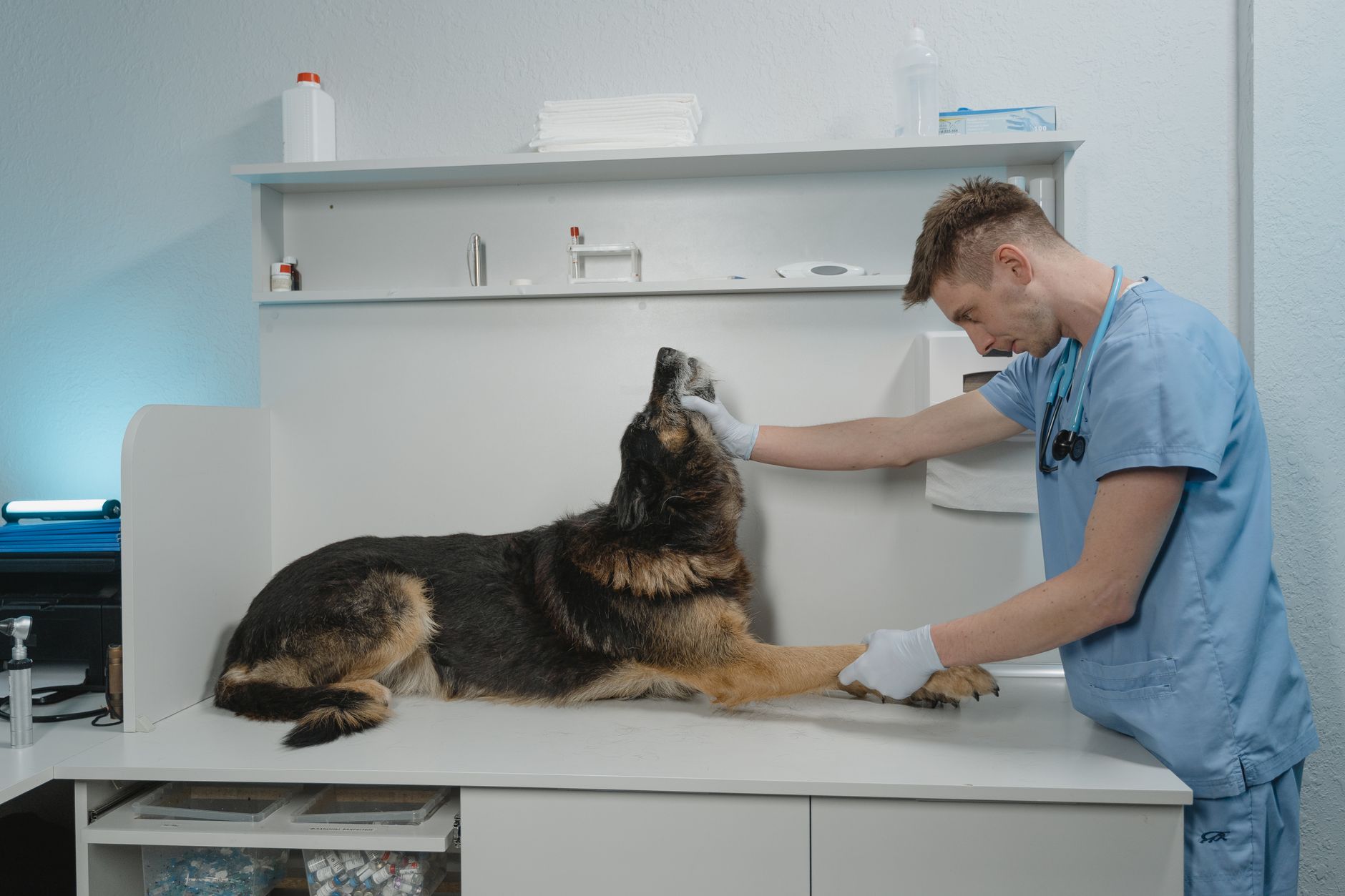
The Mudi is generally a highly robust and resilient landrace breed with fewer genetic bottlenecks than many modern breeds. However, as they gain popularity, responsible screening is vital to keep these active dogs pain-free and thriving throughout their lives.
Hip Dysplasia
A genetic developmental malformation of the hip joint where the femur does not fit snugly into the pelvic socket, leading to progressive arthritis.
Patellar Luxation
A condition where the kneecap (patella) slips out of its normal anatomical groove, common in active medium and small breeds.
Outward Hound Nina Ottosson Dog Brick Puzzle Toy
- ✓Sliding blocks and lift-out bones hide treats
- ✓Intermediate difficulty level
- ✓Made with food-safe materials
- Burns mental energy in clever, easily bored dogs
- Turns treats into a 10-minute brain game
Progressive Retinal Atrophy (PRA)
An inherited degenerative eye disorder that causes the gradual loss of photoreceptor cells, eventually leading to complete blindness.
Cataracts
An opacity in the lens of the eye that impedes light from reaching the retina, which can be hereditary in this breed and leads to vision loss.
Epilepsy
A neurological condition characterized by recurrent, unprovoked seizures, which can have an inherited component in some Mudi lines.
Autoimmune Thyroiditis
A condition where the immune system attacks the thyroid gland, leading to hypothyroidism and metabolic dysfunction.
How long do Mudis typically live?
With proper preventive care, a high-quality diet, and regular veterinary checkups, Mudis typically enjoy a long, active lifespan of 12 to 14 years, frequently maintaining their athletic vigor well into their double-digit years.
What to Feed a Mudi
Feeding a Mudi requires tailoring their caloric intake to their specific activity level, as an active sports competitor will have vastly different metabolic needs than a companion dog. I recommend high-quality, animal-protein-dense diets formulated for active medium-sized breeds.
Best Diet
A premium kibble or balanced raw/fresh diet rich in high-quality proteins (chicken, beef, or fish) and healthy fats to support their intense energy expenditure. Puppy formulas should be fed until approximately 10 to 12 months of age to support proper skeletal development.
How to Feed
Divide their daily ration into two equal meals to maintain stable blood sugar levels and prevent digestive upset. Avoid feeding immediately before or after heavy athletic work to minimize the risk of gastric distress.
How Much to Feed
Generally, active Mudis require about 1.5 to 2.25 cups of high-quality dry food per day, but this varies dramatically based on metabolic rate and exercise. Always consult your veterinarian to calculate exact caloric targets using a body condition scoring system.
Nutritional Tips
Incorporate joint supplements like Glucosamine, Chondroitin, and Omega-3 fatty acids early in life to support their hardworking joints, especially if participating in high-impact dog sports like agility.
Mudi Grooming Guide
The Mudi’s coat is wonderfully self-cleaning, naturally repelling mud and debris with minimal effort. They do not require professional clipping or intensive grooming, making them one of the easier herding breeds to maintain visually.
Coat Care
Brush their wavy or curly double coat once a week with a slicker brush or pin brush to prevent matting, particularly behind the ears and in the feathering of the legs. Increase this to daily brushing during their bi-annual seasonal coat blow.
Skin Care
Bathe only when necessary (usually every 6 to 8 weeks) using a mild, soap-free veterinary shampoo to preserve the coat’s natural protective oils.
Eye Care
Wipe the corners of the eyes with a damp, soft cloth to remove minor discharge, and monitor for any sudden cloudiness or redness.
Ear Care
Check their prick ears weekly for wax buildup, redness, or a yeasty odor, cleaning them with a vet-approved ear flush if they appear dirty.
Nail & Dental Care
Trim nails every 2 to 3 weeks using a grinder or clippers to prevent splaying, and brush their teeth at least three times weekly to prevent periodontal disease.
Considerations for Pet Parents
Pros
- Extremely intelligent and fast learners
- Highly versatile athletic companions
- Loyal and deeply devoted to their family
- Naturally clean, low-maintenance coat
- Excellent watchdogs with keen alertness
- Highly responsive to positive training methods
Cons
- Prone to excessive barking if not trained
- High demand for physical and mental stimulation
- Can be suspicious or aloof with strangers
- Strong herding drive can lead to chasing/nipping
- Prone to separation anxiety if left alone too long
Best For
The ideal Mudi owner is an active, experienced dog handler, hiker, or dog sports enthusiast who can dedicate significant time daily to mental puzzles, advanced training, and vigorous outdoor activities.
Not Recommended For
I highly advise against a Mudi for sedentary individuals, apartment dwellers with noise restrictions, first-time dog owners, or busy households where the dog will spend long hours isolated.
Cost
- purchase price$1,500 to $2,500
- monthly cost$120 to $200
- initial setupExpect to spend $800 to $1,500 initially on high-quality crates, puppy vaccinations, microchipping, premium gear, and essential preventative medications.
-
Purina Pro Plan Calming Care Dog SupplementCalming chews help take the edge off stressful moments like storms, fireworks and car rides
-
Furbo 360° Dog Camera with Treat TossCheck in and comfort your pet while you’re out
-
Purina Pro Plan Sensitive Skin & Stomach Dog Food, SalmonA complete, balanced diet matched to your dog’s size and age is the foundation of a healthy coat, gut and energy level
Similar Breeds
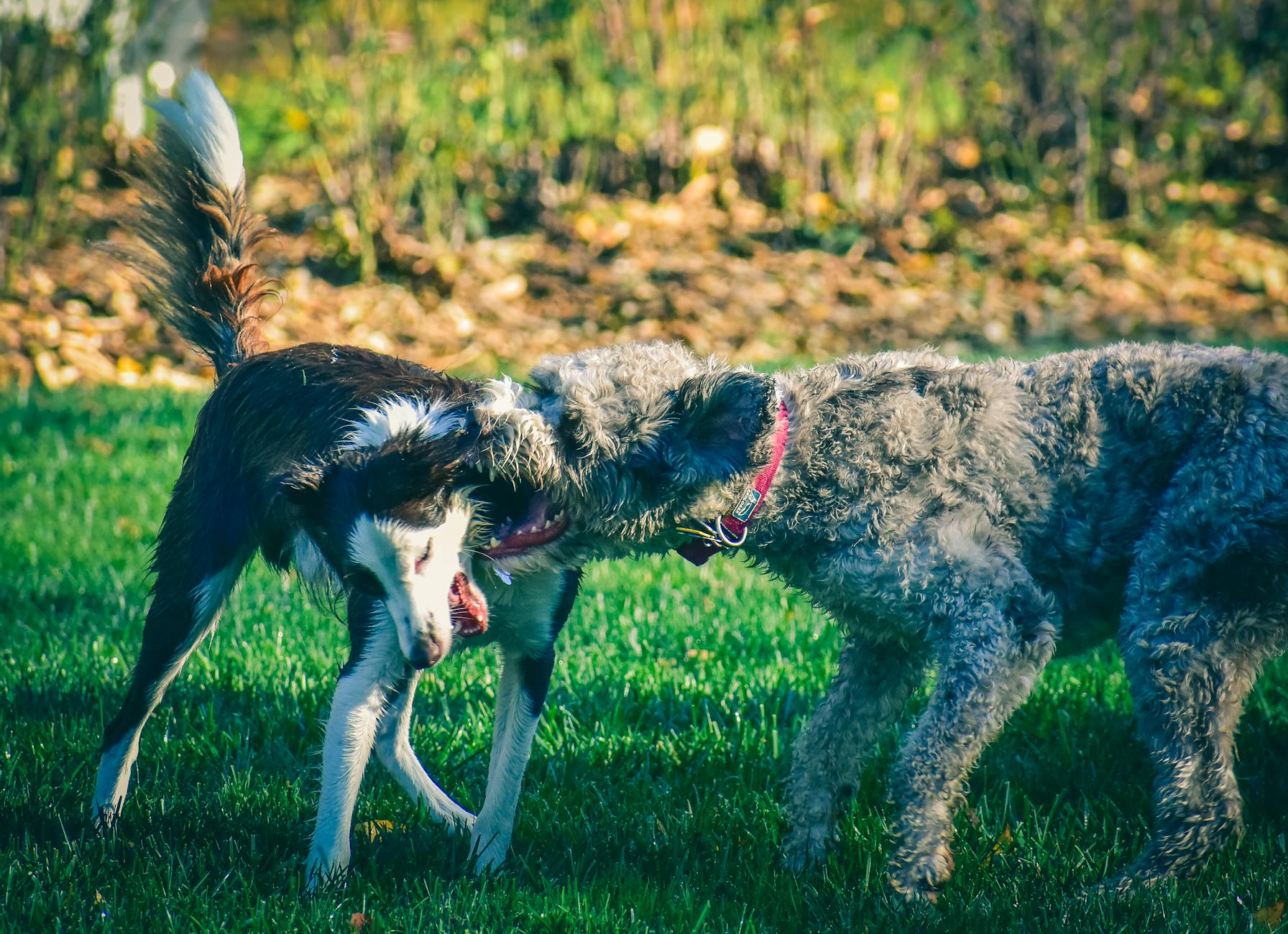
Pumi

Puli
Mudi FAQs
Are Mudis born with bobtails?
Yes, some Mudis are naturally born with bobtails of varying lengths, though others are born with full tails. This is a recognized natural genetic variation within the breed.
Why does my Mudi bark so much?
Mudis are natural alarm sentinels and use their voice to herd and alert. If bored, under-stimulated, or left alone, this vocal nature easily translates into persistent, nuisance barking.
Is the Mudi hypoallergenic?
No, the Mudi is not hypoallergenic. They have a double coat that sheds, releasing dander and hair into the environment, which can trigger allergies in sensitive individuals.
How do Mudis handle hot and cold weather?
Thanks to their double coat, Mudis are highly adaptable and handle cold, wet weather exceptionally well. However, they can overheat in intense summer heat, so strenuous exercise should be shifted to cooler parts of the day.
Can a Mudi live in an apartment?
It is challenging but possible if the owner is fully committed to multiple hours of outdoor exercise daily. Their tendency to bark at hallway noises makes them tough apartment neighbors without extensive desensitization.
Are Mudis aggressive?
Generally, no. However, their natural reservation around strangers can manifest as fear-based reactivity or protective aggression if they are not thoroughly socialized from an early age.
Do Mudis like to swim?
Many Mudis absolutely love water and are highly capable swimmers, though individual preferences vary. Introduce them to water gradually and safely with a canine life jacket if needed.
What is the ‘Cifra’ pattern in Mudis?
The ‘Cifra’ pattern refers to the striking merle coat coloration, characterized by mottled patches of dark pigment on a lighter background. This is a highly prized and recognized pattern in the breed.
Are Mudis prone to separation anxiety?
Yes. Because they form intense ‘velcro’ bonds with their human handlers, they can struggle significantly with isolation. Crate training and structured independence training should start on day one.
Can a Mudi be used as a service dog?
Their high intelligence and eagerness to please make them capable of service work, but their high sensitivity to environment and sound can sometimes make them prone to sensory overload in busy public spaces.
How much daily exercise does a Mudi puppy need?
Puppies need structured, low-impact exercise (like gentle play and short walks) to protect their growing growth plates, paired with lots of mental enrichment like puzzle toys, avoiding high-impact jumping until skeletal maturity.
Do Mudis chew a lot?
They can be destructive chewers if bored or anxious. Providing a rotation of high-quality, durable chew toys and puzzle feeders is essential to keep their busy jaws safely occupied.
What registries recognize the Mudi?
The Mudi was officially recognized by the American Kennel Club (AKC) in the Herding Group in January 2022. They are also recognized by the FCI internationally and the UKC.
Are male or female Mudis easier to handle?
There is minimal difference, but males can sometimes be slightly more headstrong, while females can be more independent. Individual temperament, early socialization, and consistent training are far more influential factors.
Sources & Further Reading
- American Kennel Club (AKC)
- Merck Veterinary Manual
- American Veterinary Medical Association (AVMA)
- PetMD