
Celtic Shorthair Breed Guide
Quick Summary
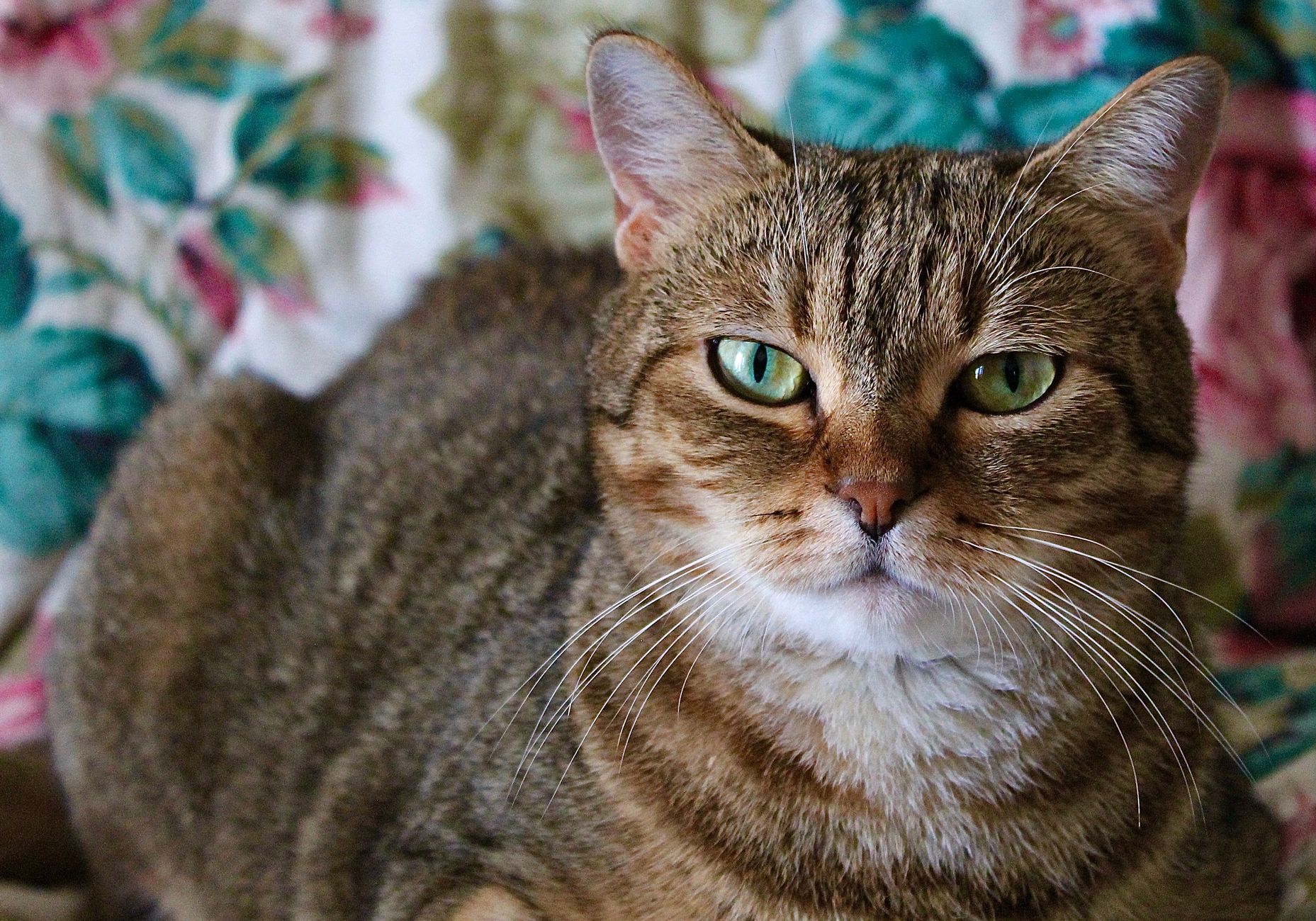
The Celtic Shorthair—historically known as the European Shorthair—is a robust, highly adaptable companion celebrated for its natural athletic build and keen intelligence. Possessing a balanced, independent yet affectionate temperament, this breed is ideal for active households seeking a low-maintenance, resilient, and long-lived family member.
Quick Facts
- origin countrySweden / Continental Europe
- breed groupShorthair
- sizeMedium to Large
- weight range8 to 15 lbs (3.6 to 6.8 kg)
- height range11 to 14 inches (28 to 35 cm)
- lifespan15 to 20 years
- coat typeShort, dense, glossy, and close-lying
- common colorsAll natural colors and patterns (tabby, solid, bicolour, tortoiseshell) excluding pointed patterns
- other namesEuropean Shorthair
- recognized byFIFe, WCF
Caring for a Celtic Shorthair
In my clinic, Celtic Shorthairs stand out as exceptionally easy-going patients, but caring for them means honoring their active, working-cat heritage. They require daily physical engagement and mental stimulation; a bored Celtic can easily channel their energy into unwanted scratching or counter-surfing. While their short coat needs minimal maintenance, keeping them at an ideal body weight is your biggest veterinary challenge, as their hearty appetites can quickly lead to obesity. Providing vertical spaces and puzzle feeders is highly effective for keeping them trim and content.
Is a Celtic Shorthair a good family pet?
Yes, they make outstanding family pets due to their patient, stable, and highly adaptable nature. In my practice, I find they tolerate the unpredictable energy of children much better than more sensitive, highly-strung breeds.
Do Celtic Shorthairs shed a lot?
They are moderate shedders. While they lack a thick, plush undercoat, they will drop loose hair year-round, with a noticeable increase during the spring and autumn seasonal sheds.
Is a Celtic Shorthair good for first-time owners?
Absolutely. Their robust health, low-maintenance grooming needs, and forgiving temperament make them an ideal choice for someone new to cat ownership.
Temperament & Personality
I describe the Celtic Shorthair’s temperament as ‘expertly balanced’—they are neither hyperactive nor lazy, and they enjoy companionship without being overly demanding. They are highly intelligent, observant cats that often bond deeply with their primary caregiver while remaining friendly to guests. Their historical background as farm cats means they retain a strong prey drive, making them highly curious and alert to any movement in the home.
Is a Celtic Shorthair good with other pets?
They generally coexist wonderfully with other cats and friendly dogs, provided they are introduced gradually. However, due to their exceptionally strong hunting instincts, they should never be trusted around small pocket pets or birds.
How much attention does a Celtic Shorthair need?
They are highly independent and can tolerate being alone while you work, but they do require quality interactive play and affection when you return. They do not do well with prolonged isolation or neglect.
Training & Behavior
From a clinical behavioral perspective, these cats are incredibly sharp and eager to learn when positive reinforcement is used. Because they are natural hunters, training sessions that mimic the ‘stalk-pounce-capture’ sequence yield the best results. I always recommend clicker training to stimulate their minds and prevent boredom-induced destructive behaviors.
Training Tips
- Use high-value food treats or interactive play as rewards.
- Keep training sessions short, under 5 minutes, to maintain their interest.
- Introduce a clicker early to establish clear communication.
- Address scratch-marking by providing tall, sturdy sisal posts near their favorite resting areas.
Fun Activities
- Puzzle toy foraging
- Interactive wand toy sessions
- Clicker target training
- Leash and harness walking
- Catio exploration
Is a Celtic Shorthair easy to train?
Yes, they are highly trainable compared to many other feline breeds. Their combination of intelligence and food motivation makes them quick to pick up basic commands, leash walking, and even simple tricks.
Celtic Shorthair Health Issues
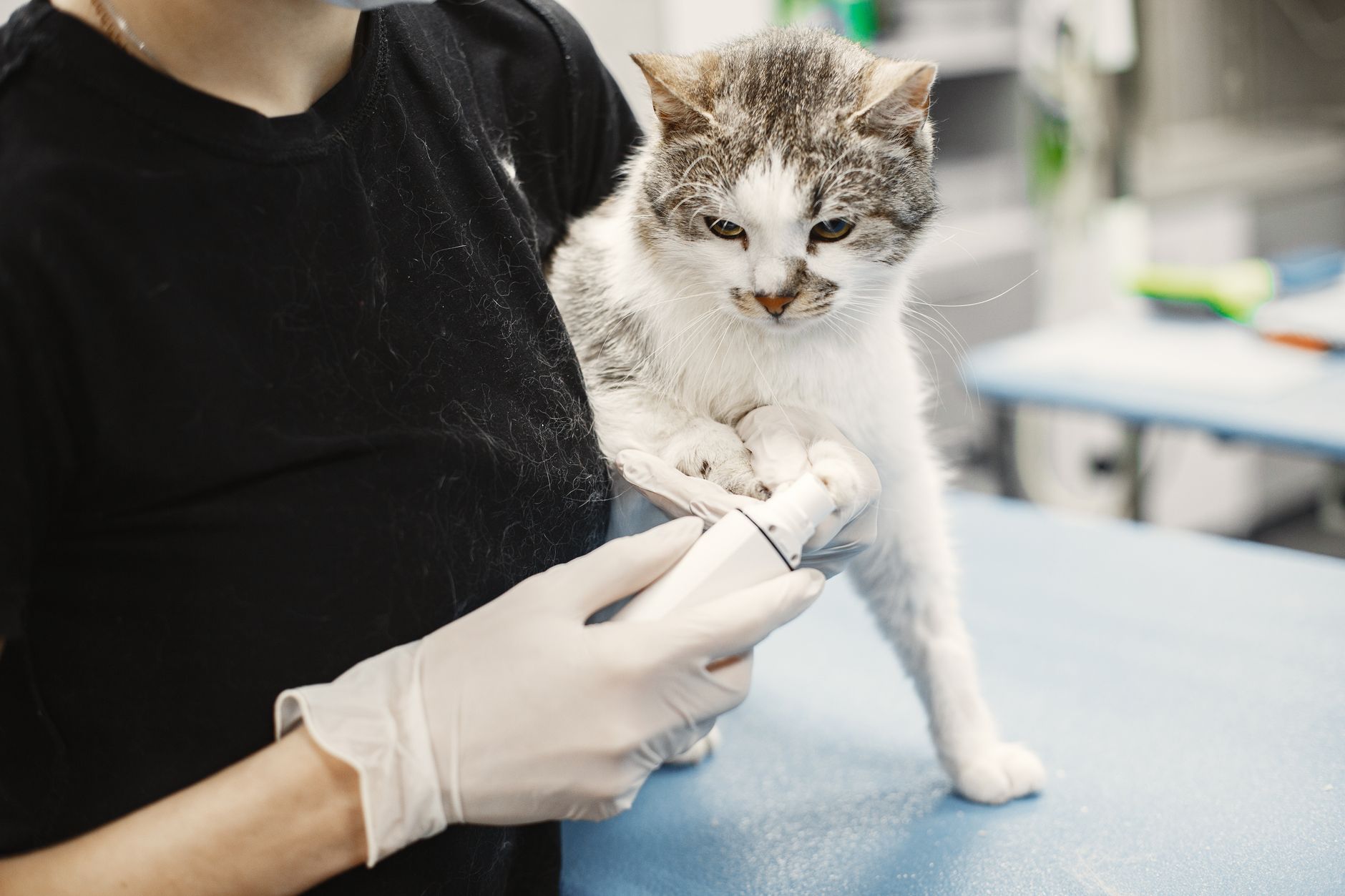
As a vet, I consider the Celtic Shorthair to be one of the most structurally sound and genetically robust breeds in existence today, largely due to their development from a natural landrace population. However, ‘robust’ does not mean immune, and there are several specific conditions we must monitor throughout their long lives.
Hypertrophic Cardiomyopathy (HCM)
An inherited condition where the heart muscle becomes abnormally thick, potentially leading to heart failure or arterial thromboembolism. I always recommend screening breeding cats with annual echocardiograms.
Feline Obesity
Because they are highly efficient eaters with ancestral roots as active outdoor hunters, indoor Celtic Shorthairs are highly prone to rapid weight gain after neutering. This excess weight dramatically increases their risk for feline diabetes and osteoarthritis.
Periodontal Disease
Like many domestic cats, they can develop plaque and tartar buildup that leads to gingivitis and painful tooth resorption (FORLs). Early preventative home care is critical.
Polycystic Kidney Disease (PKD)
Though far less common here than in Persian-influenced breeds, inherited cysts can develop on the kidneys, slowly multiplying and leading to chronic renal failure.
How long do Celtic Shorthairs typically live?
With appropriate preventative care, a high-quality diet, and regular veterinary checkups, they routinely live between 15 and 20 years, with many reaching their late teens in excellent health.
What to Feed a Celtic Shorthair
Feeding a Celtic Shorthair requires a strict focus on portion control and high-quality nutrition. They are highly efficient metabolizers who will eat everything offered to them, making free-feeding a major risk factor for obesity.
Best Diet
I highly recommend a diet rich in high-quality animal proteins and low in carbohydrates, utilizing a mix of wet (canned) food to support hydration and a small amount of kibble for dental health. Look for diets formulated for active cats, transitioning to senior formulas around age seven.
How to Feed
Establish a strict twice-daily feeding schedule rather than leaving food out all day. Using food puzzles or microchip-activated feeders can slow down fast eaters and provide crucial mental enrichment.
How Much to Feed
Portion sizes should be calculated based on your cat’s target weight and activity level, typically averaging 200 to 250 calories per day for a neutered indoor adult. Always consult your veterinarian to adjust these numbers based on body condition score (BCS) evaluations.
Nutritional Tips
Incorporate omega-3 fatty acids (like salmon oil) to support their joint health and keep their dense coat glossy. Always ensure they have access to multiple fresh water sources, like a circulating water fountain.
Celtic Shorthair Grooming Guide
Grooming a Celtic Shorthair is delightfully straightforward, making them an excellent choice for owners who prefer a low-maintenance pet. Their coat does not mat, meaning your main focus will be on shedding management and preventative hygiene.
Coat Care
Brush their coat once a week with a rubber grooming mitt or a soft bristle brush to remove dead hair and distribute natural skin oils. During the spring shedding season, increase this to two or three times a week.
Skin Care
Their skin is generally very resilient; routine bathing is rarely necessary unless they get into something sticky or dirty.
Nail & Dental Care
Trim their claws every two to three weeks to prevent snagging. Introduce daily brushing with veterinary enzymatic toothpaste early in life to combat tartar buildup.
Considerations for Pet Parents
Pros
- Extremely robust health with minimal genetic defects
- Affectionate but highly independent and self-sufficient
- Excellent, patient companions for children
- Minimal grooming requirements
- Highly adaptable to apartment or house living
- Exceptional life expectancy
Cons
- High prey drive makes them unsafe around small pocket pets
- Prone to rapid weight gain and obesity if free-fed
- Can become destructive if denied mental stimulation
- Harder to find from reputable breeders outside of Europe
Best For
Active families, multi-pet households, and individuals who want an intelligent, low-maintenance companion that can tolerate being alone during the workday.
Not Recommended For
Homes with free-roaming small pets like hamsters or birds, or owners who want a completely docile, sedentary lap cat that requires zero mental stimulation.
Cost
- purchase price$600 – $1,200 USD
- monthly cost$60 – $100 USD
- initial setupBudget $300 – $500 for initial vaccinations, spay/neuter, microchipping, and high-quality scratching posts.
Similar Breeds

Celtic Shorthair FAQs
What is the difference between a Celtic Shorthair and a domestic shorthair?
While domestic shorthairs are mixed-breed cats of unknown heritage, the Celtic Shorthair (European Shorthair) is a recognized pedigree breed bred to strict standards to preserve the natural, robust features of continental Europe’s native house cats.
Are Celtic Shorthairs hypoallergenic?
No, they are not hypoallergenic. They produce the Fel d 1 allergen in their saliva and dander, and because they shed moderately, they can trigger reactions in allergy sufferers.
Do they get along well with dogs?
Yes, they typically adapt very well to dogs, especially when introduced at a young age. Their confident, balanced temperament means they aren’t easily intimidated by friendly, respectful dogs.
How active are Celtic Shorthairs?
They have a moderate-to-high energy level. They love to play, climb, and hunt, but they also know how to relax and unwind, balancing active play sessions with long, peaceful naps.
Can a Celtic Shorthair live exclusively indoors?
Yes, they can live highly fulfilled lives entirely indoors, provided they are given ample enrichment like climbing trees, scratchers, puzzle toys, and daily interactive play to satisfy their hunting instincts.
How often should I take my Celtic Shorthair to the vet?
I recommend annual wellness exams for adult Celtic Shorthairs, moving to bi-annual visits once they reach age seven to proactively monitor senior health markers like kidney function and joint health.
Why is it sometimes called the European Shorthair?
The breed was originally developed and recognized under the name ‘European Shorthair.’ The term ‘Celtic Shorthair’ is used by certain European registries, but they refer to the exact same breed standard.
Are they prone to separation anxiety?
Rarely. Celtic Shorthairs are remarkably independent and self-sufficient, meaning they handle their owner’s workday well, provided they have toys and scratching posts to keep them busy.
What kind of toys do they like best?
They thrive on toys that mimic prey movement, such as feather wands, laser pointers, and motorized mice. Food dispensing puzzles are also excellent for keeping their active minds engaged.
Do Celtic Shorthairs like water?
While some individuals show a curious fascination with dripping faucets or splashing water, they generally do not enjoy being submerged or bathed, nor do they require routine baths.
How big do Celtic Shorthairs get?
They are medium-to-large, muscular cats. Males typically reach 10 to 15 pounds, while females are slightly smaller, usually weighing between 8 and 12 pounds.
Do they meow a lot?
No, they are generally very quiet cats. When they do communicate, it is usually with soft, polite chirps and trills rather than loud, persistent meowing.
What scratching post is best for them?
Because they are strong, athletic cats, they need tall, heavy-duty scratching posts wrapped in thick sisal rope. The post must be sturdy enough not to wobble when they stretch up and pull.
Are they prone to hairballs?
Thanks to their short, single coat, hairballs are rare if you brush them weekly. However, during heavy seasonal shedding, occasional hairballs can occur and can be managed with a fiber-rich diet.
Are they good mousers?
Absolutely. They were originally bred for pest control on European farms, and they retain an exceptionally sharp, efficient, and highly focused hunting instinct to this day.