
York Chocolate Longhair Breed Guide

Quick Summary
The York Chocolate is an exceptionally rare, American-bred cat celebrated for its rich, chocolatey coat and deeply affectionate, dog-like devotion. They are active, intelligent, and highly social companions that thrive on human interaction, making them a perfect fit for busy, loving households.
Quick Facts
- origin countryUnited States
- breed groupSemi-Longhair (Rare)
- sizeMedium to Large
- weight range8 to 16 lbs (3.6 to 7.3 kg)
- height range9 to 11 inches (23 to 28 cm)
- lifespan13 to 15 years
- coat typeSemi-long, fine, silky with a light undercoat
- common colorsSolid Chocolate, Solid Lavender, Chocolate and White, Lavender and White
- other namesYork
- recognized byCFF, ACFA
Caring for a York Chocolate Longhair
In my years treating this rare breed, I have found that living with a York Chocolate is like having an incredibly soft, purring shadow. They are highly interactive cats that do not do well as ornamental house pets; they want to be actively involved in your daily routine. Because of their energetic nature, you will need to dedicate time to daily interactive play to keep them mentally stimulated and physically fit. Their semi-long coat is surprisingly resilient to matting, but it still requires structured weekly care to maintain its glorious, glossy sheen.
Is a York Chocolate Longhair a good family pet?
Yes, they make spectacular family pets due to their gentle, outgoing, and highly patient temperaments. In my clinical experience, they adapt wonderfully to the high-energy environment of children and actively seek out their company rather than hiding.
Do York Chocolate Longhairs shed a lot?
They are moderate shedders, but because they have a single coat with a very fine undercoat, they shed significantly less than other long-haired breeds like Persians. A thorough brushing twice a week is usually more than enough to manage loose hair.
Is a York Chocolate Longhair good for first-time owners?
Absolutely, as they are highly adaptable, robust, and forgiving of minor ownership learning curves. However, a novice owner must be fully prepared to meet their high demands for daily play, social interaction, and companionship.
Temperament & Personality
The York Chocolate is famously known in veterinary circles as a ‘velcro cat’ because of their intense desire to stay physically close to their owners. They are highly curious, outgoing, and possess a delightful, kitten-like playfulness that often lasts well into their senior years. Instead of loud, demanding meows, they communicate using a sweet, melodic vocabulary of soft trills and chirps, making them highly pleasant household companions.
Is a York Chocolate Longhair good with other pets?
They are incredibly social and typically thrive in multi-pet households. I routinely see them form close, playful bonds with both friendly dogs and other cats, often initiating communal grooming sessions and sleeping cuddles.
How much attention does a York Chocolate Longhair need?
They require a substantial amount of daily interaction and do not tolerate isolation well. If left alone for long stretches, they can develop separation anxiety, so they are best suited for households with active families or work-from-home owners.
Training & Behavior
Training a York Chocolate is an absolute joy because of their sharp intellect and eagerness to participate. I always tell owners to treat them more like cooperative dogs than aloof felines, as they easily learn household routines and boundaries. They respond beautifully to positive reinforcement techniques, particularly clicker training paired with high-value treats like freeze-dried meat.
Training Tips
- Use clicker training to mark and reward positive behaviors immediately.
- Keep training sessions short and engaging, lasting no longer than 5 minutes.
- Introduce a harness and leash indoors early in life to allow for safe outdoor exploration.
- Never use physical punishment, as this breed is emotionally sensitive and will shut down.
Fun Activities
- Playing fetch with lightweight crinkle balls or plush mice
- Navigating basic indoor agility courses or jumping hoops
- Exploring the backyard on a secure harness and leash
- Playing with shallow, running tap water or pet fountains
Is a York Chocolate Longhair easy to train?
Yes, their natural curiosity and desire for human engagement make them highly receptive to training. Many of my clients successfully train their York Chocolates to fetch, sit on command, and come when called within a few weeks of consistent, positive practice.
York Chocolate Longhair Health Issues
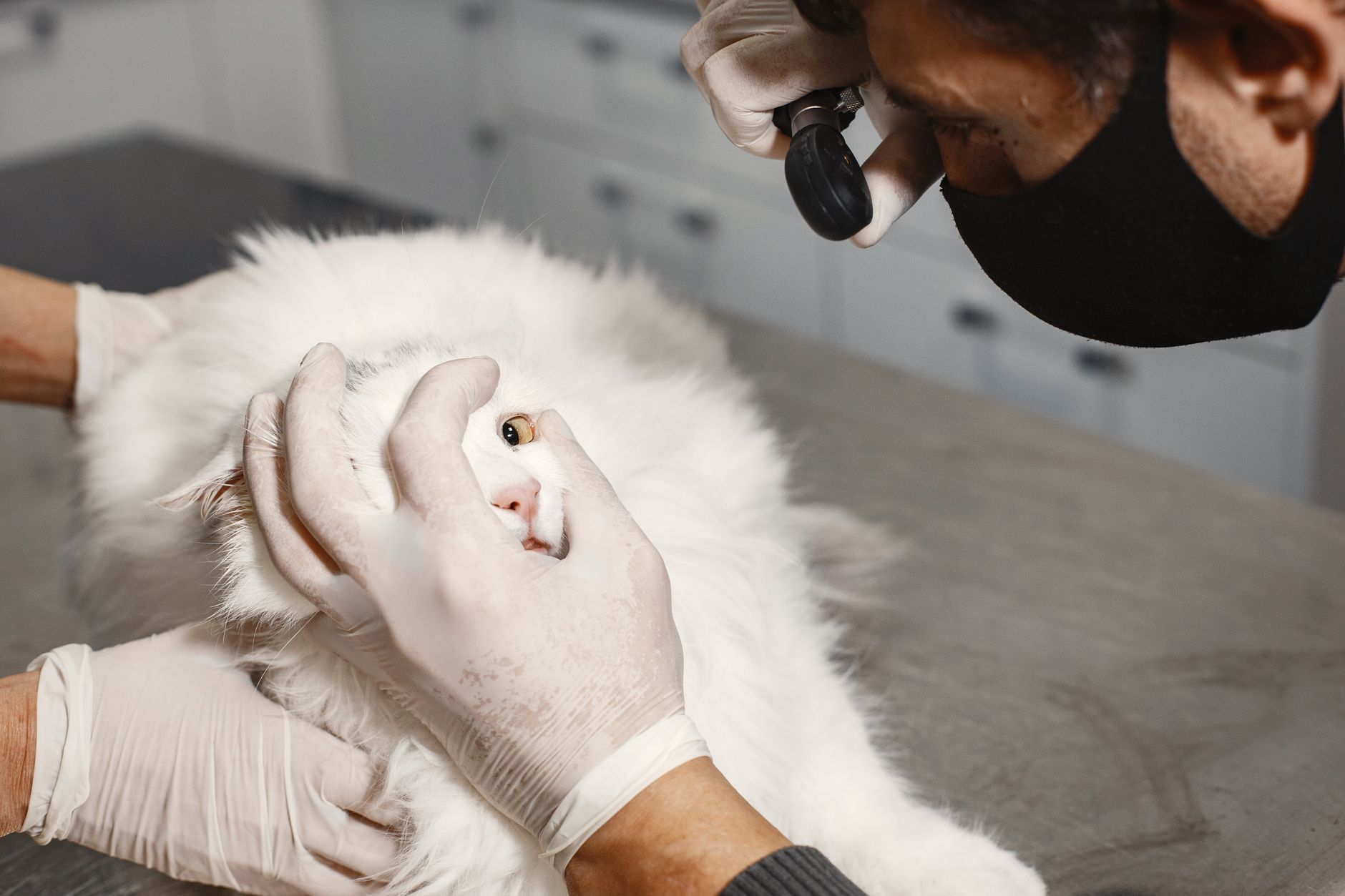
Stemming from a hardy farm-cat lineage, the York Chocolate is a remarkably robust and structurally sound breed. They have no known breed-specific genetic defects, but they are still vulnerable to the standard range of feline health issues.
Hypertrophic Cardiomyopathy (HCM)
This is the most common form of heart disease in cats, causing the muscular walls of the heart to thicken and work less efficiently. In my practice, I emphasize that regular echocardiograms are the gold standard for screening, especially if a vet detects a heart murmur during an annual exam.
Periodontal (Dental) Disease
Plaque and tartar accumulation can lead to painful gingivitis, tooth loss, and systemic bacterial infections that damage the kidneys and heart. Regular dental cleanings and daily brushing are vital to prevent this silent, painful progression.
Hairballs (Trichobezoars)
Due to their semi-long coat, Yorks naturally ingest loose fur during daily self-grooming. If this fur accumulates in the stomach instead of passing through the digestive tract, it can cause severe irritation or a life-threatening intestinal blockage.
Feline Obesity
As York Chocolates mature and their high energy levels naturally taper off, they can easily pack on excess weight if free-fed. Obesity increases their risk for secondary conditions like feline diabetes, hepatic lipidosis, and painful osteoarthritis.
Feline Lower Urinary Tract Disease (FLUTD)
FLUTD encompasses conditions like bladder stones or sterile cystitis, which cause inflammation of the urinary tract. In my clinic, I frequently see this in indoor cats on dry-food-only diets, where low hydration causes highly concentrated, irritating urine.
How long do York Chocolate Longhairs typically live?
With excellent veterinary care, a high-quality diet, and a safe, indoor-only lifestyle, a York Chocolate typically lives a long and healthy life of 13 to 15 years, with some reaching up to 17 years.
What to Feed a York Chocolate Longhair
Proper nutrition is the cornerstone of keeping your York Chocolate lean, active, and healthy. I highly advocate for a diet that mimics their natural carnivorous needs while paying strict attention to hydration.
Best Diet
A high-quality, meat-based wet food diet rich in animal protein and low in carbohydrates is ideal for this breed. This helps preserve their lean muscle mass and ensures they receive adequate dietary moisture to support kidney and urinary tract health.
How to Feed
I strongly advise against free-feeding dry food, as this is the primary driver of feline obesity. Instead, establish a strict feeding routine of two to three measured, portion-controlled meals per day.
How Much to Feed
An average adult York Chocolate requires approximately 200 to 250 calories per day, but this varies based on exact weight, age, and activity level. You should consult your veterinarian to establish a precise daily caloric target tailored to your cat’s specific body condition score.
Nutritional Tips
Incorporate Omega-3 fatty acid supplements, such as wild-caught salmon oil, to keep their rich, dark coat incredibly soft, shiny, and skin hydrated. Always provide fresh, filtered water, ideally utilizing a pet fountain to encourage active drinking.
York Chocolate Longhair Grooming Guide
While their luxurious coat looks high-maintenance, the York Chocolate is surprisingly easy to keep looking pristine. Because they lack a dense, woolly undercoat, their silky fur is highly resistant to matting.
Coat Care
Brush their semi-long coat two to three times a week using a soft slicker brush or a medium-toothed steel comb. Pay close attention to the dense ruff around their neck and the ‘breeches’ on their hind legs, where friction can cause minor tangles.
Skin Care
Regular brushing naturally distributes their skin’s protective oils, maintaining a lustrous shine. Since many Yorks are fascinated by water, they tend to tolerate occasional baths much better than other breeds.
Eye Care
Wipe away any minor discharge at the corners of their eyes weekly using a soft, damp cloth or cotton ball, using a clean section for each eye to prevent any potential spread of bacteria.
Ear Care
Inspect their ears weekly for wax buildup, debris, or redness. If dirty, clean them gently using a veterinarian-approved, alcohol-free ear flushing solution and a cotton round, never inserting cotton swabs into the canal.
Nail & Dental Care
Clip their nails every 2 to 3 weeks using sharp feline nail trimmers, and brush their teeth daily with veterinary enzymatic toothpaste to combat periodontal disease.
Considerations for Pet Parents
Pros
- Incredibly loyal, affectionate, ‘velcro’ personality
- Stunning, unique rich chocolate-colored coat
- Highly intelligent and highly trainable
- Excellent fit for families with children and other pets
- Robust, healthy breed with few genetic defects
- Pleasant, soft, musical trilling vocalizations
Cons
- Extremely rare and difficult to locate from reputable breeders
- Prone to separation anxiety if left alone for long periods
- Requires dedicated daily playtime to burn off energy
- Can easily become overweight without strict portion control
Best For
Active families, remote workers, or multi-pet households who can offer a stimulating environment and plenty of daily companionship. They thrive when they are integrated into the center of family life.
Not Recommended For
Busy individuals who spend long hours away from home, or those looking for an independent, low-energy cat that requires minimal daily interaction.
Cost
- purchase price$800 to $1,500
- monthly cost$60 to $100
- initial setupYour initial setup, including essential veterinary vaccinations, spay/neuter surgery, a high-quality scratching post, microchipping, and essential supplies, will typically cost between $500 and $900.
Similar Breeds

York Chocolate Longhair FAQs
Why is the York Chocolate breed so rare?
The breed originated in 1983 from a farm cat in New York and was registered as an experimental breed. Due to a small pool of dedicated breeders and subsequent crossbreeding back into domestic longhairs, the breed remains exceptionally rare and is not currently recognized by major registries like the CFA.
How can I tell if my cat is a York Chocolate or a brown domestic longhair?
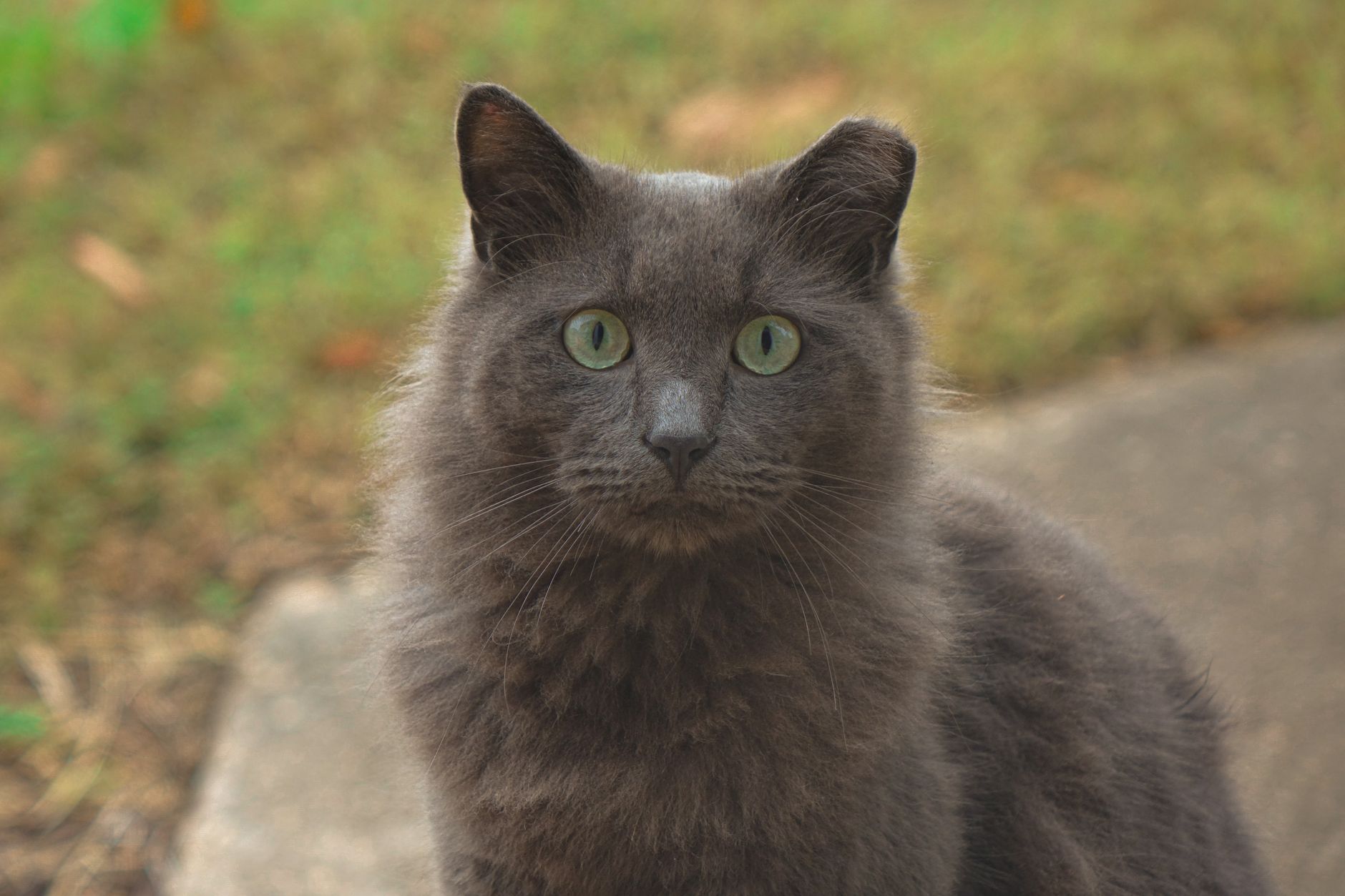
True York Chocolates have a distinct, solid rich chocolate brown or lavender coat, a silky semi-long coat with no heavy undercoat, and gold, green, or hazel eyes. Without formal pedigree registration papers, a brown longhair is clinically classified as a Domestic Longhair (DLH), though they may share similar traits.
Do York Chocolate cats really like water?
Yes, this is one of their most famous breed quirks. Many York Chocolates are utterly fascinated by water and will happily splash in their water bowls, play with dripping kitchen faucets, or sit on the edge of the tub while you shower.
Are York Chocolate cats hypoallergenic?
No, they are not hypoallergenic. While they have a single coat and shed less than some other longhaired breeds, they still produce the Fel d 1 protein in their saliva, skin, and dander, which is the primary trigger for cat allergies.
Do they retain their chocolate color throughout their life?
As young kittens, they are often born with a lighter coat, sometimes showing faint tabby markings or smudges. As they mature, usually by 12 to 18 months of age, their coat deepens into the rich, solid chocolate brown or lavender color they are famous for.
Are York Chocolates prone to separation anxiety?
Yes, due to their highly social, people-oriented nature, they can become deeply distressed when separated from their owners for long periods. Providing interactive toys, a companion pet, or ensuring someone is home frequently helps mitigate this anxiety.
How big do York Chocolate cats get?
They are medium-to-large cats with a sturdy, muscular bone structure. Adult males typically weigh between 10 and 16 pounds, while females are slightly smaller, usually weighing between 8 and 12 pounds.
What is the difference between chocolate and lavender in this breed?
Chocolate is a rich, warm dark brown color, while lavender is a diluted version of chocolate, appearing as a beautiful, soft, silvery-gray with warm cocoa undertones. Both colors are highly prized and recognized in the breed standard.
Are they vocal cats?
They are moderately vocal, but instead of demanding meows, they communicate using soft, pleasant purrs, chirps, and musical trills. They will ‘talk’ to you to show affection or to let you know it’s dinnertime.
What kind of toys do they like best?
They love toys that mimic hunting, such as feather wands, laser pointers, and motorized mouse toys. Because of their intelligence, puzzle toys that hide treats are also fantastic for keeping them mentally stimulated.
How often should I take my York Chocolate to the vet?
Like all cats, they should have a comprehensive veterinary exam once a year up to age 7, and twice a year once they enter their senior years. This allows your vet to monitor for early signs of dental disease, kidney issues, or cardiac changes.
Can York Chocolate cats live outdoors?
I strongly advise keeping your York Chocolate as an indoor-only cat. The outdoors poses significant risks, including cars, predators, infectious diseases, and theft due to their highly desirable, beautiful coat.